
New Hooklift Trucks For Sale
New hooklift trucks for waste, landscape, scrap, and municipal work. Compare hoist capacity, GVWR, wheelbase, cab setup, and body compatibility.
Learn moreBrowse Hooklift Trucks by Make
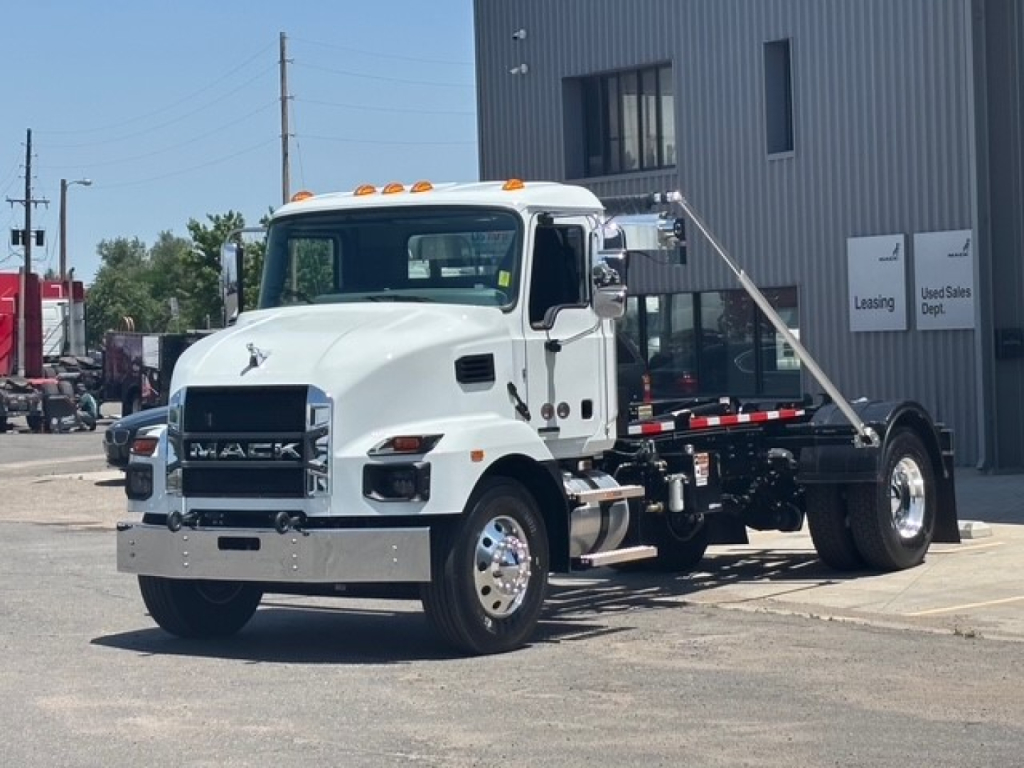
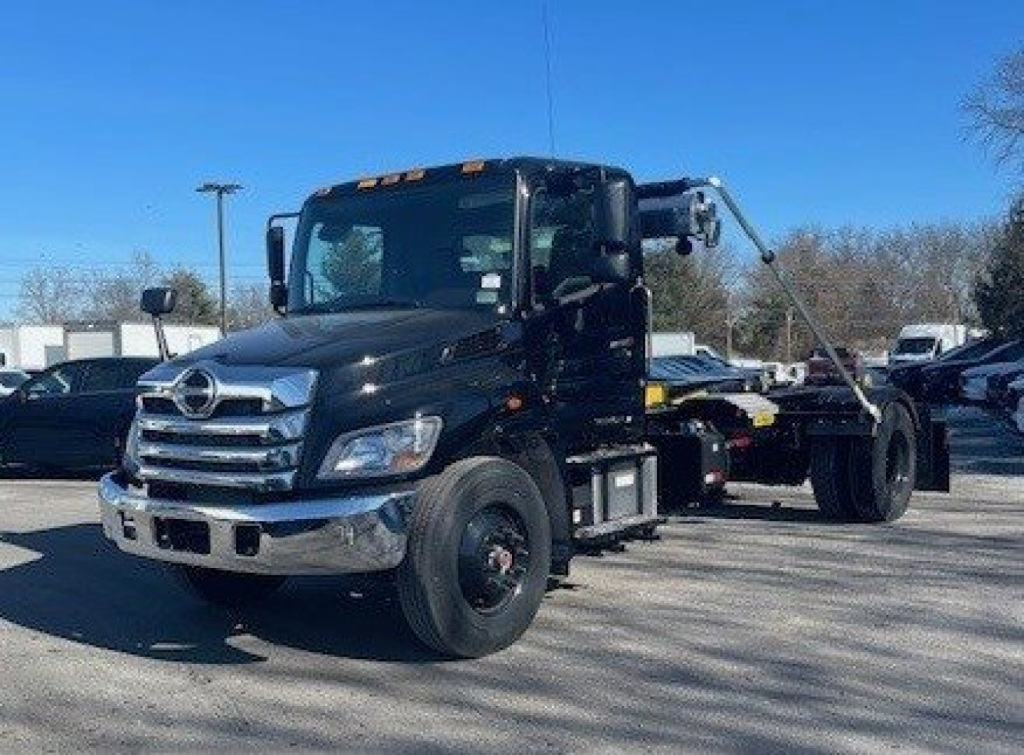
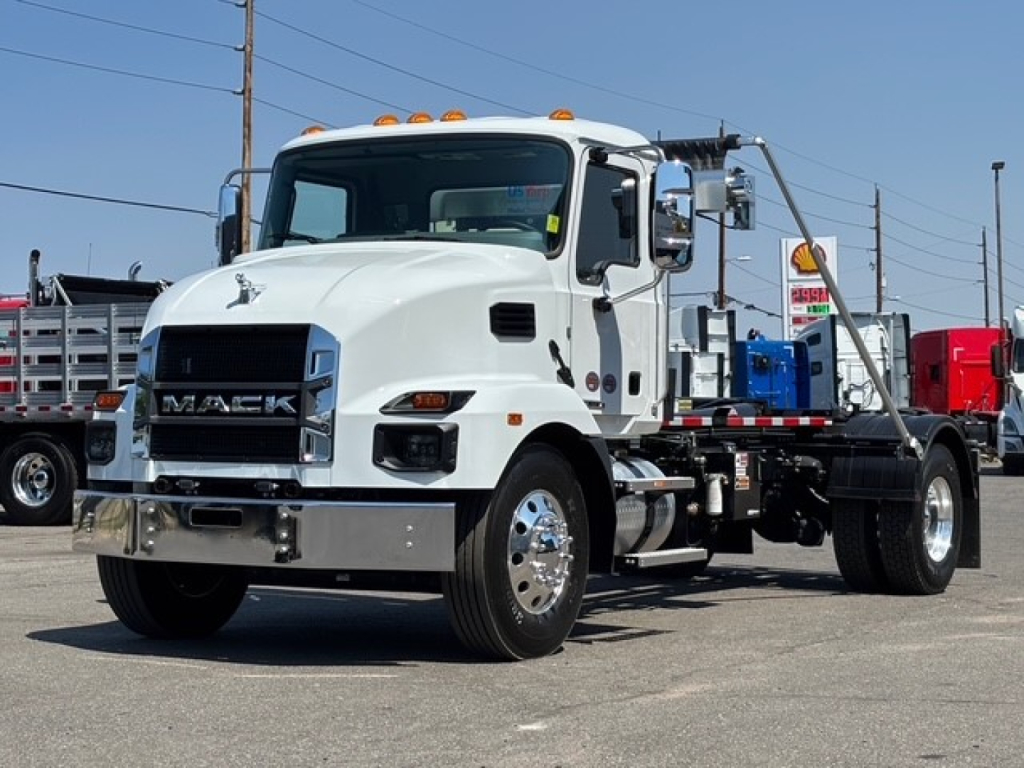
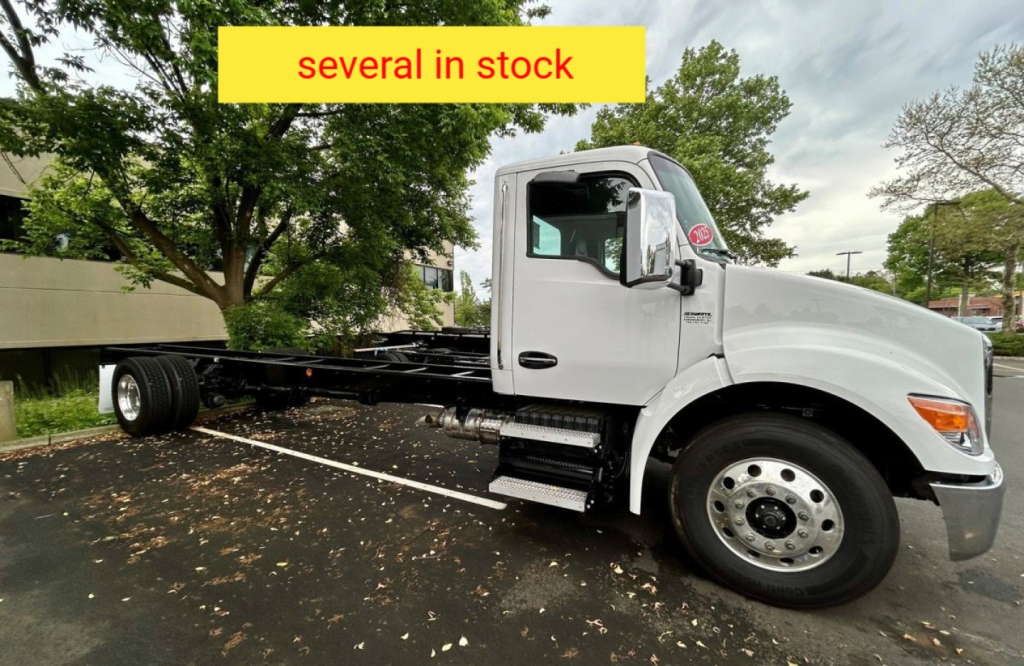
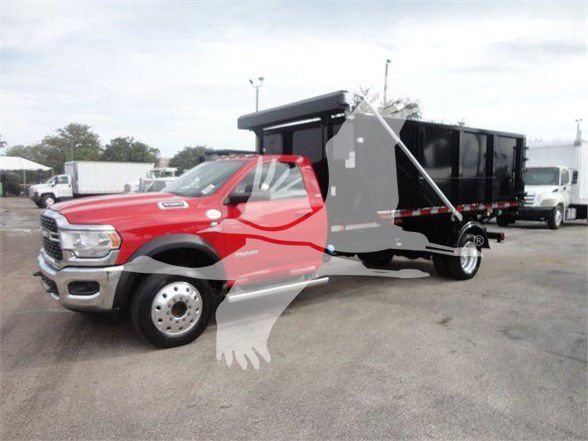
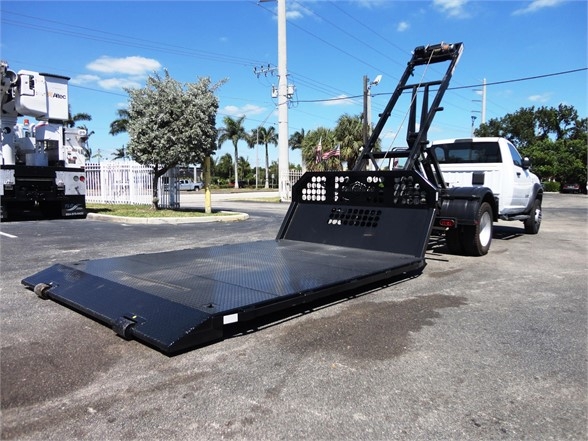
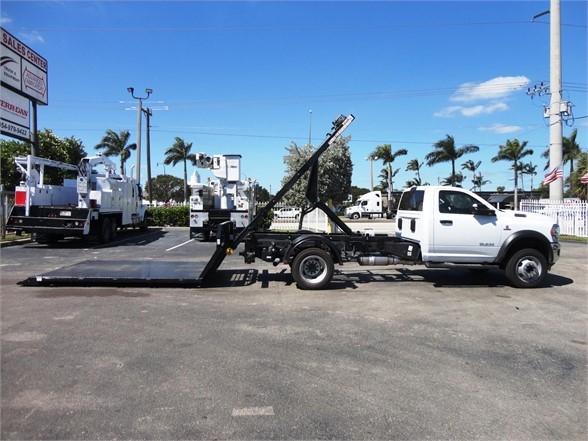
Have new hooklift truck to sell? List it here to reach thousands of buyers.
About New Hooklift Trucks
The hooklift itself deserves as much attention as the chassis. Buyers should look closely at rated lift capacity, adjustable or fixed hook height, hydraulic design, and container compatibility. Common systems in this segment include electric-over-hydraulic and PTO-driven hydraulic hoists, with capacities in the light and medium-duty market often around 20,000 to 22,000 pounds. Container length is equally important. Some trucks are built around 11-foot to 14-foot bodies, while others can handle a wider range depending on wheelbase, hoist geometry, and rear overhang. If the truck will switch between dump inserts, flatbeds, and enclosed specialty bodies, confirm the hook height, rail width, body stop placement, and winch or cable arrangement so the truck matches the body inventory you plan to run.
Chassis spec drives how well a hooklift performs in real work. Diesel engines such as the Cummins B6.7 and ISB6.7 are common because they deliver the low-end torque needed for stop-and-go hauling and frequent hydraulic cycling. Allison automatic transmissions are popular in this class for durability and ease of use with mixed-driver fleets. Axle ratings, spring capacity, rear ratio, and wheelbase all matter because a hooklift adds concentrated weight behind the cab and shifts load dynamics as bodies are picked up and set down. Buyers working in urban routes may prioritize maneuverability and shorter wheelbases, while contractors moving denser material may need a heavier rear axle, higher GVWR, and careful payload math to stay legal once the hoist, subframe, tarp system, and body weight are accounted for.
A new hooklift truck can make sense when uptime, body interchangeability, and a factory-fresh chassis matter more than the lower entry cost of used equipment. These trucks are common in waste, recycling, demolition, landscaping, roofing, construction, and municipal service because they reduce idle assets and increase daily flexibility. Practical details also affect long-term value, including tarp systems, ICC bumper hitches, trailer brake controls, 7-way plugs, backup cameras, scuff protection, and corrosion-resistant finishes on bodies and hoist components. If the truck will be operated by non-CDL drivers, many buyers target derated or carefully spec'd GVWRs near 26,000 pounds, but that only works if body weight and material density fit the application. The best new hooklift truck is the one with the right hoist geometry, wheelbase, and payload balance for the containers you expect to swap every day.
Frequently Asked Questions
What is a hooklift truck used for?
A hooklift truck is used to pick up, transport, dump, and swap interchangeable bodies or containers on a single chassis. Common applications include waste collection, scrap hauling, landscape material delivery, demolition cleanup, roofing tear-off work, municipal maintenance, and flatbed-style equipment transport. The main advantage is flexibility, since one truck can handle several body types instead of being tied to a single permanent body.
What should I compare first when shopping for a new hooklift truck?
Start with hoist capacity, body length compatibility, and chassis GVWR. Those three factors determine whether the truck can safely handle the containers and payloads in your operation. After that, review wheelbase, rear axle rating, hook height, hydraulic system type, and any body interface details such as rail spacing, body stops, and winch or cable setup. A hooklift truck only performs well when the hoist and the bodies are matched correctly.
Are hooklift trucks the same as roll-off trucks?
They are related, but not always identical in the way buyers use the terms. A hooklift truck uses a hydraulic arm with a hook to load and unload compatible bodies or containers, while a traditional cable roll-off truck uses a cable hoist system and is more common in larger refuse applications. In lighter and medium-duty commercial use, many operators refer to hooklift trucks as roll-off style trucks because they perform the same basic swap-body function with dumpsters, dump inserts, and flatbeds.
Can a hooklift truck be set up for non-CDL operation?
Yes, many new hooklift trucks are built on chassis with GVWRs at or below 26,000 pounds to fit non-CDL applications. This is common on trucks used for landscaping, light construction, junk removal, and local container service. The key issue is not just the chassis rating but the real operating weight after adding the hoist, subframe, body, tools, fuel, and payload. Buyers should verify legal operating weight in the exact configuration they plan to run.
What body types can a hooklift truck carry?
A hooklift truck can carry dump bodies, debris boxes, landscape bodies, flatbeds, equipment carriers, storage containers, and some enclosed specialty bodies if they are built to the correct hooklift dimensions. Compatibility depends on hook height, body length, rail width, stop location, and overall hoist geometry. If you plan to run multiple body styles, make sure each one is built to the same standard so the truck can load and unload them without fitment issues.