
Mechanic Trucks For Sale
Compare mechanic service trucks with cranes, compressors, and welders. Evaluate chassis, crane capacity, bodies, and power packs for field repair.
Learn moreBrowse Mechanic Trucks by Make
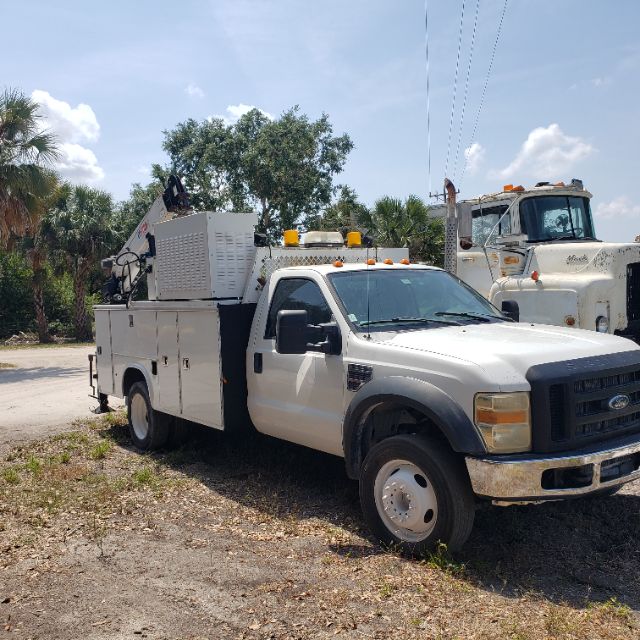
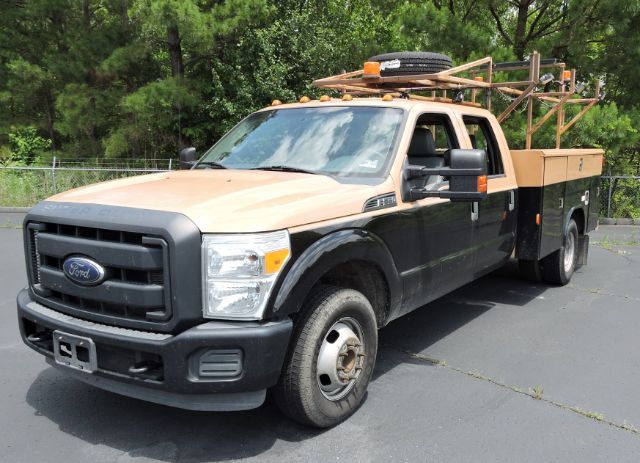
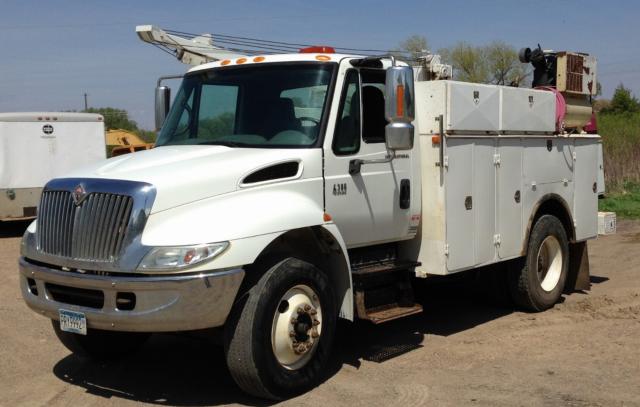
Have mechanic truck to sell? List it here to reach thousands of buyers.
About Mechanic Trucks
Chassis choices span Class 5 to Class 8. Popular platforms include Ford F-550 and F-600, Ram 5500, GM 5500-6500, and medium duty models like Freightliner M2, International MV, Peterbilt 337-348, and Kenworth T270-T380. GVWR commonly ranges from 19,500 to 33,000 pounds and up. Cab-to-axle must match body length, most mechanics bodies run 9 to 14 feet. Four wheel drive is valuable on pipeline, mining, and construction sites, but it adds weight and height. Automatic transmissions with live-drive or stationary PTO options simplify hydraulic packages. Diesel power remains common for torque, PTO engagement, and longevity.
The body is a purpose-built mechanics body with a reinforced crane pedestal, full-length outriggers, and a torsion box subframe that ties into the chassis. Steel galvaneal bodies are durable and budget friendly, aluminum saves several hundred pounds and resists corrosion in snowbelt fleets. Look for deep curbside compartments, adjustable shelves, bolt bins, and 500 to 1,200 pound rated drawer packs. Workbench bumpers with vise plates, LED work lighting, and spray-in liners extend service life. Leading builders include IMT Dominator, Stellar TMAX, Auto Crane Titan, Knapheide Mechanics Body, Reading Master Mechanic, and Summit. Proper weight distribution is critical, so confirm rear axle and tire ratings, spring packs, and wheelbase support the intended payload after the upfit.
Power and air packages transform a truck into a rolling shop. Rotary screw compressors from VMAC or Vanair provide 40 to 70 CFM at 100 to 150 PSI for continuous use with 1 inch impacts and bead breakers. Reciprocating compressors suit lighter duty at lower cost. Many trucks carry a welder generator such as a Miller Bobcat or a compact all-in-one system that combines compressor, welder, and AC power to save space and weight. Remote crane controls, boom angle indicators, load limiters, and outrigger interlocks improve safety and productivity. If oil service is part of the mission, a lube skid with fresh oil, grease, DEF, and waste oil tanks plus hose reels can be integrated without exceeding axle limits when properly planned.
A clean spec protects uptime and compliance. Stay below 26,001 pounds GVWR to avoid a CDL when appropriate, or step into a 33,000 pound class to gain payload and stability for larger cranes. Cranes over 2,000 pounds rated capacity may trigger OSHA operator qualification requirements, and all cranes require visible load charts and documented periodic inspections. For used units, review crane certification dates, inspect pedestal and outrigger weldments, test wireless remotes, check hydraulic lines and valve blocks for leaks, verify compressor CFM and welder hours, and examine body floors, door seals, and mounting hardware for corrosion. Regional needs matter as well, including block heaters and arctic hydraulic oil in cold climates or additional cooling and dust protection for quarry and agricultural work.
Frequently Asked Questions
What chassis class and GVWR are typical for a mechanic truck?
Most mechanic trucks are built on Class 5 to Class 7 chassis with GVWRs from 19,500 to 33,000 pounds. Light to mid duty crane packages and 9 to 11 foot bodies fit well on Class 5 platforms like F-550 or Ram 5500. Heavier 7,500 to 14,000 pound cranes and 11 to 14 foot bodies usually require Class 6 or 7 models such as Freightliner M2 or International MV for frame strength, axle ratings, and payload.
Should I choose an electric-hydraulic crane or a PTO-driven hydraulic system?
Electric-hydraulic cranes are simpler to install, cost less up front, and work well for intermittent lifts in the 3,000 to 6,000 pound range. PTO-driven hydraulics provide higher duty cycle, faster multi-function operation, and better performance above 6,000 pounds, but they add complexity and require a transmission or engine PTO provision. If you frequently boom out with heavy loads or run a hydraulic compressor or stabilizers at the same time, PTO hydraulics are the better choice.
How much air compressor output do I need on a service truck?
For general service with 1/2 inch impacts and light air tools, 20 to 30 CFM at 100 to 150 PSI is adequate. Heavy equipment and tire work often benefits from 40 to 70 CFM continuous output for 3/4 to 1 inch impacts, bead breakers, and die grinders, which points to a rotary screw unit. Consider duty cycle, available space, weight, and noise. All-in-one power packs can consolidate compressor, welder, and AC power while saving curb weight.
Do I need a CDL or crane certification to operate a mechanic truck?
A CDL is required when the truck’s GVWR is 26,001 pounds or higher or when towing combinations meet CDL thresholds. For cranes, federal rules generally require operator qualification for service truck cranes rated over 2,000 pounds, and all cranes must have load charts and periodic inspections. State and site policies may be stricter, so confirm local requirements and keep documentation current.
What should I inspect when evaluating a used mechanic truck?
Verify current crane certification and inspect the pedestal, boom sections, and outrigger mounts for cracks or weld repairs. Operate the crane under load, test the wireless remote, and check overload protection. Inspect hydraulic hoses, cylinders, and valve blocks for leaks. Review compressor and welder hours and perform output tests. Examine body floors, compartment doors, latches, and drawer slides for corrosion and wear. Confirm wheelbase, axle ratings, tires, and suspension align with the installed body and crane to ensure safe payload capacity.