
Trailers For Sale
Compare semi trailers: dry van, reefer, flatbed, step deck, lowboy, dump, tanker, and chassis. Learn specs, applications, axles, and key options.
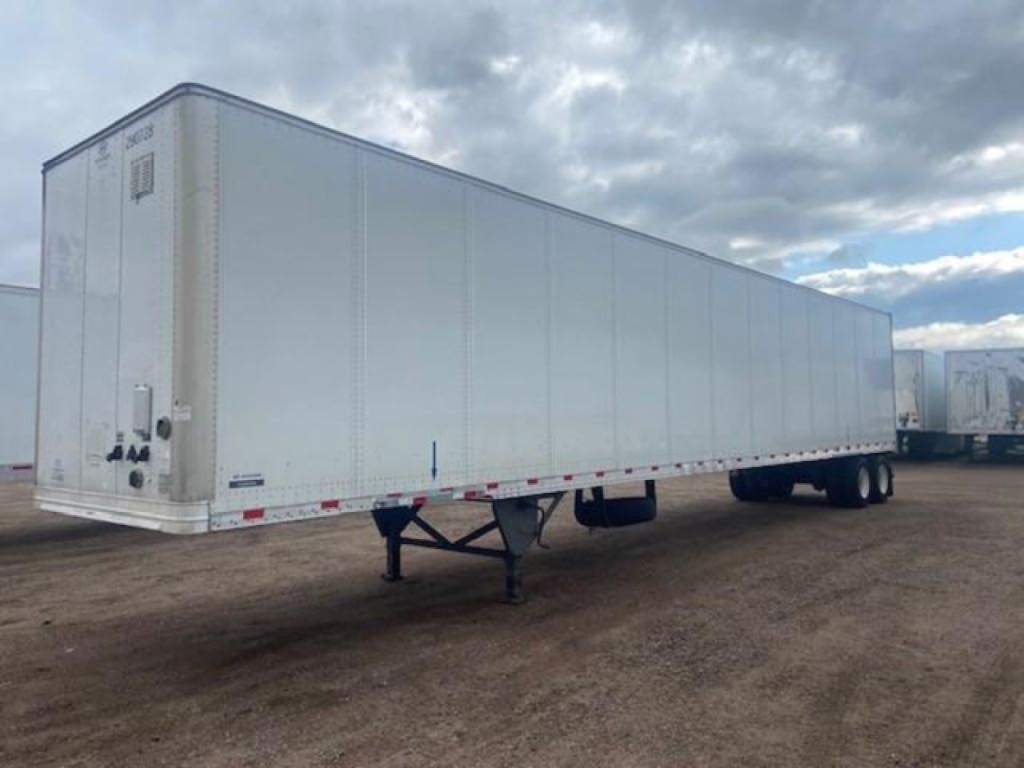
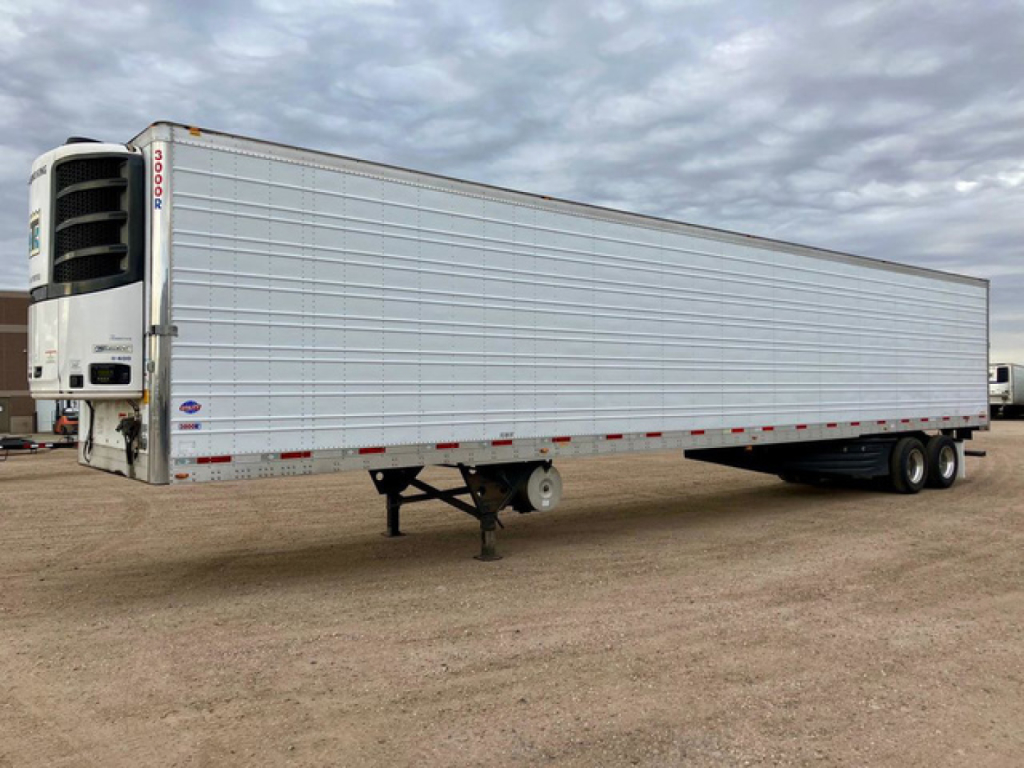
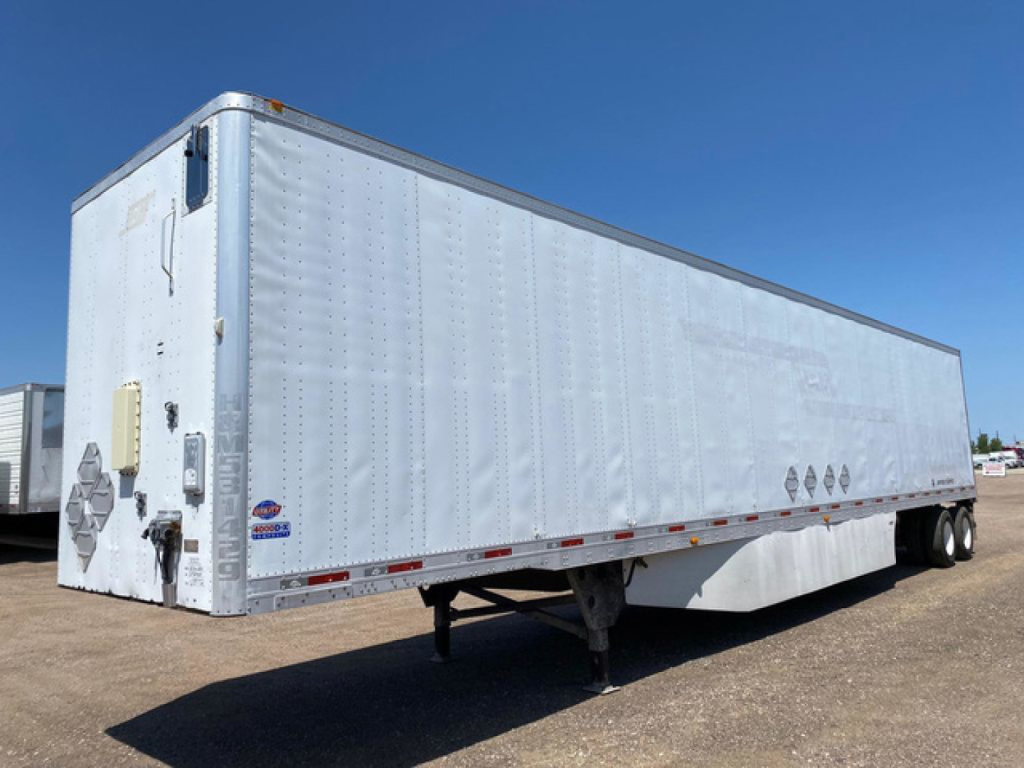
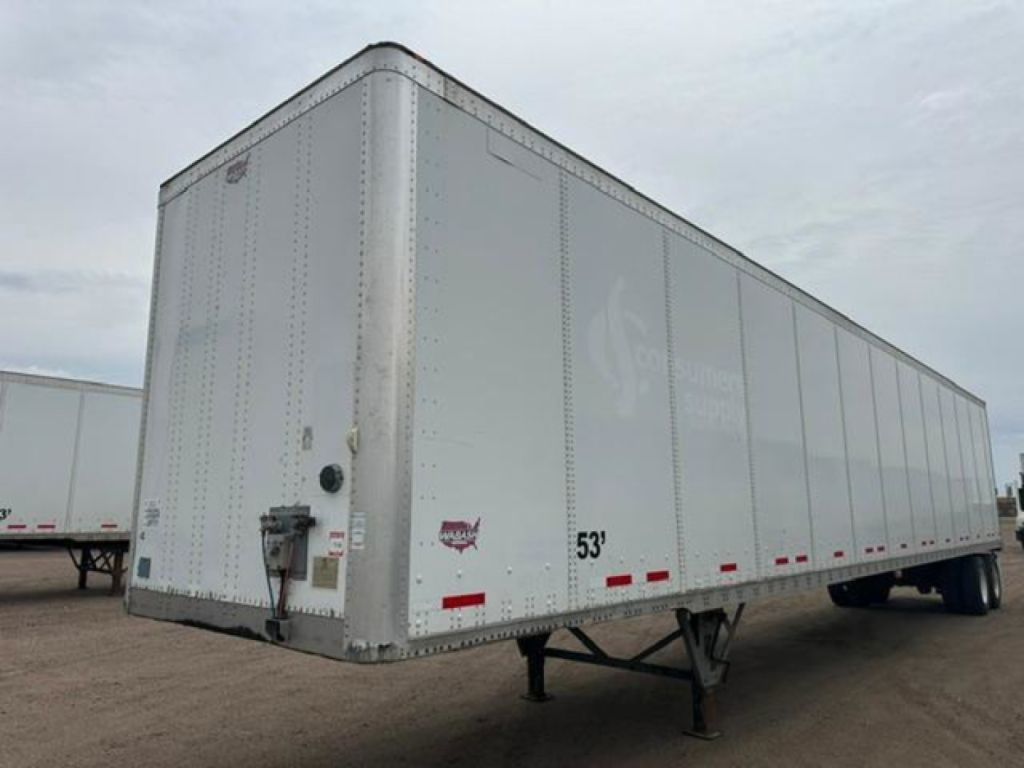
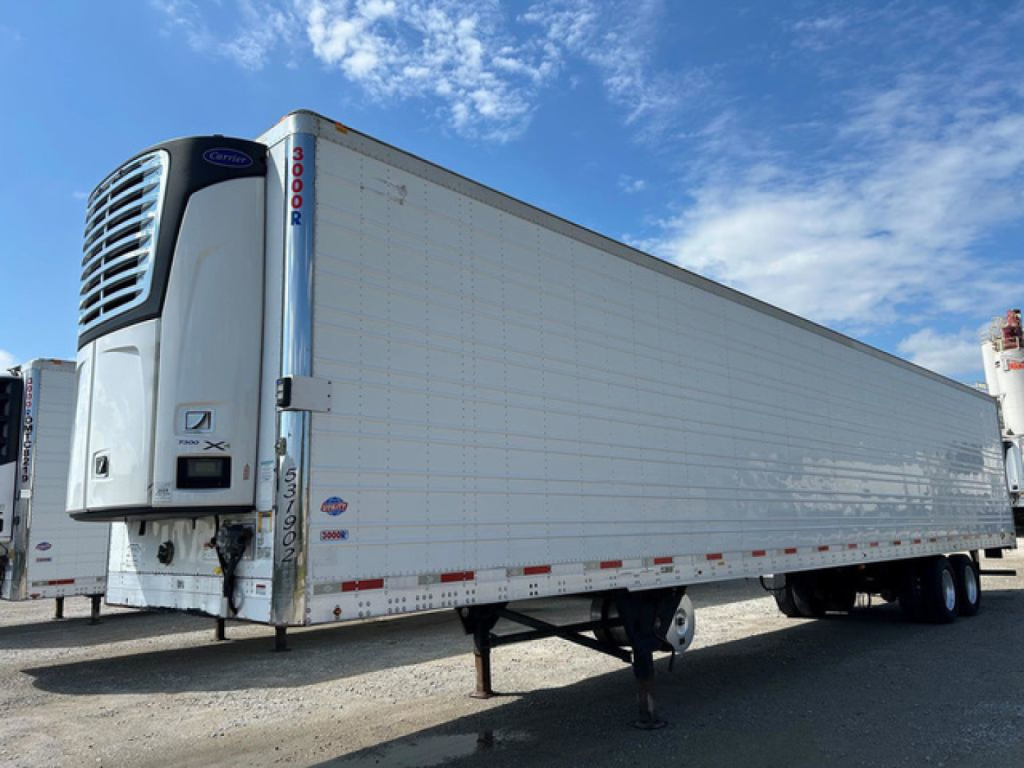
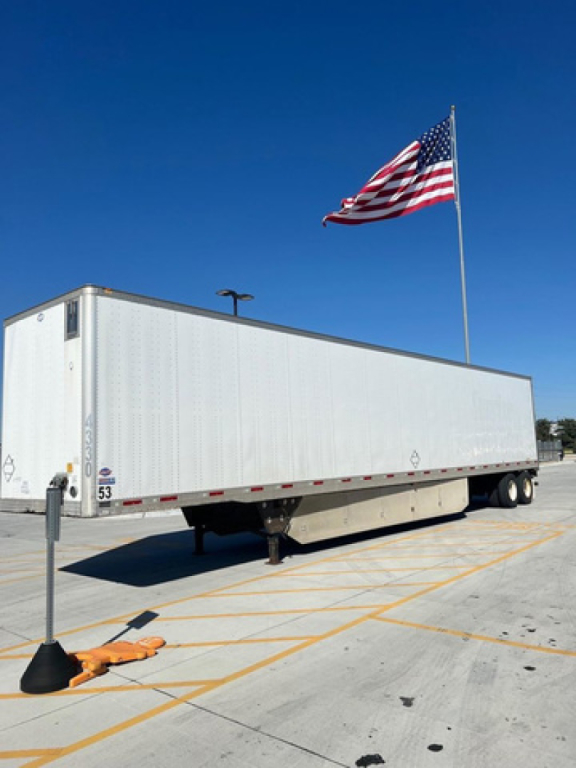
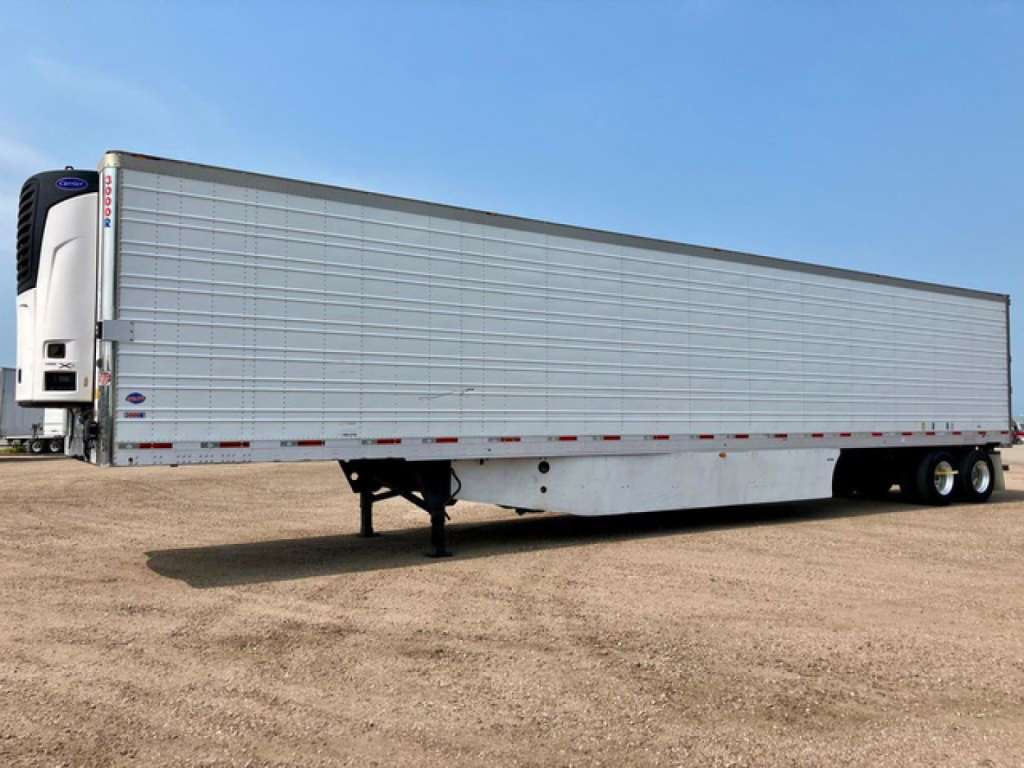
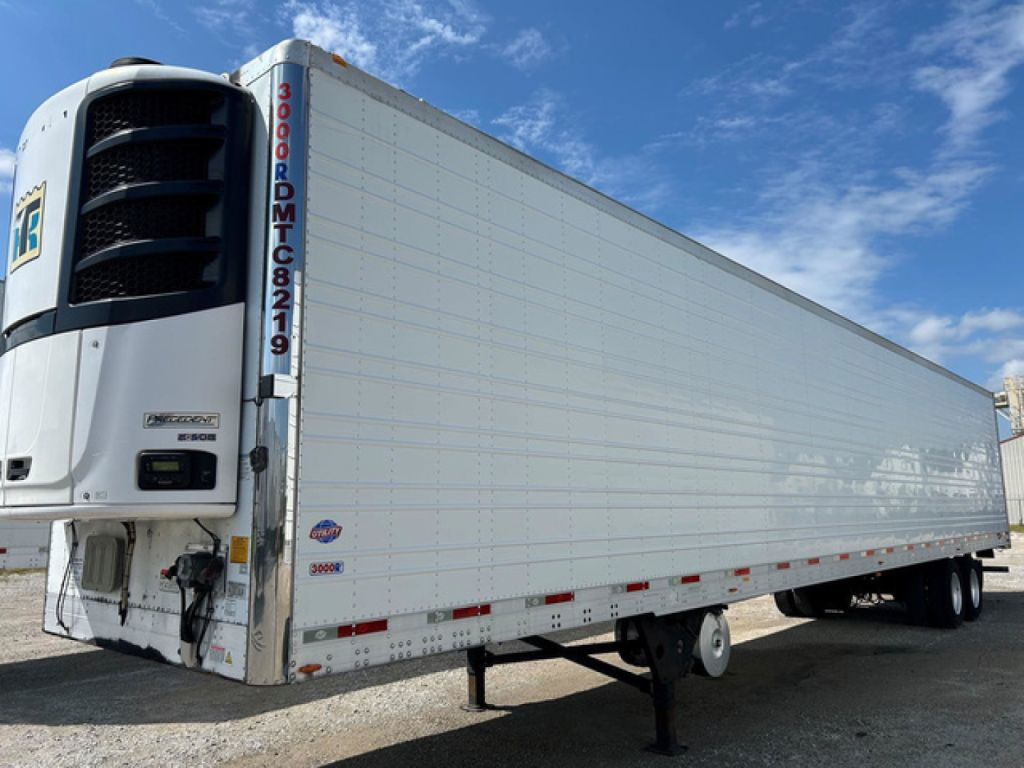
Showing 1 to 24 of 2,172 results
Have trailer to sell? List it here to reach thousands of buyers.
Trailers
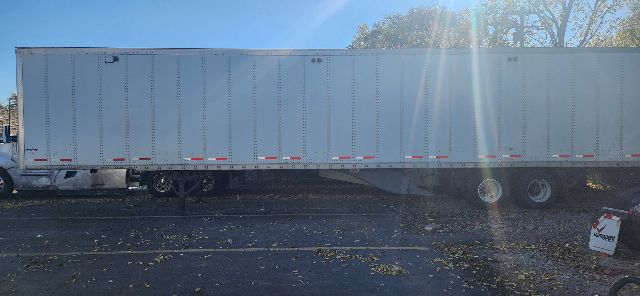
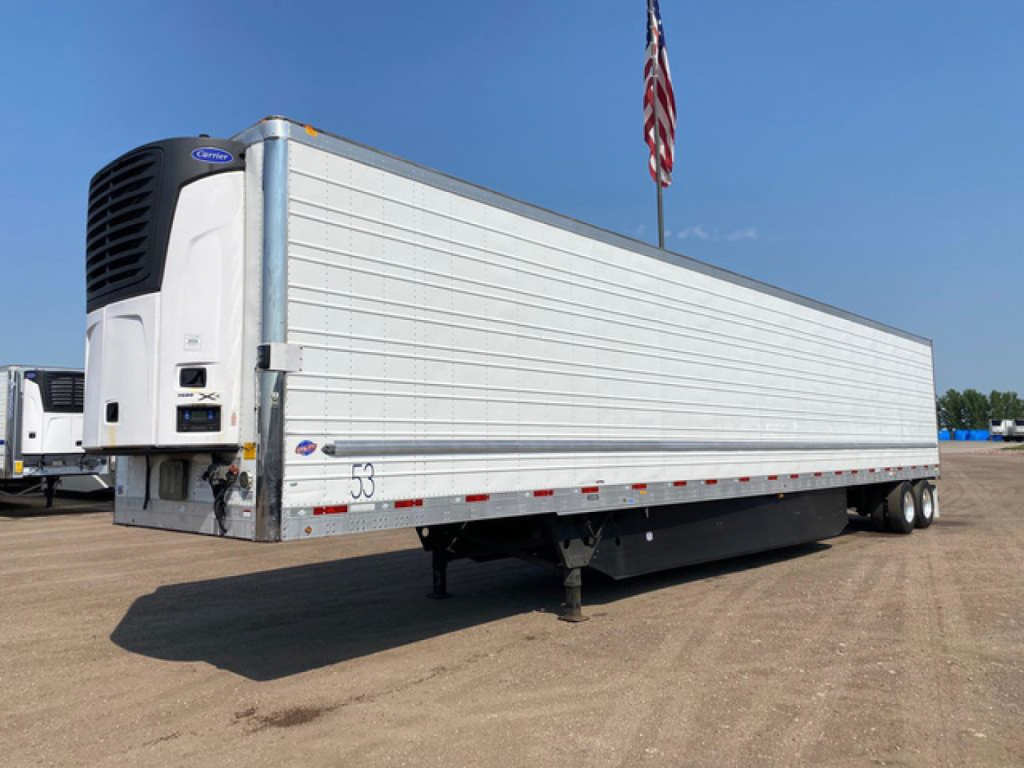
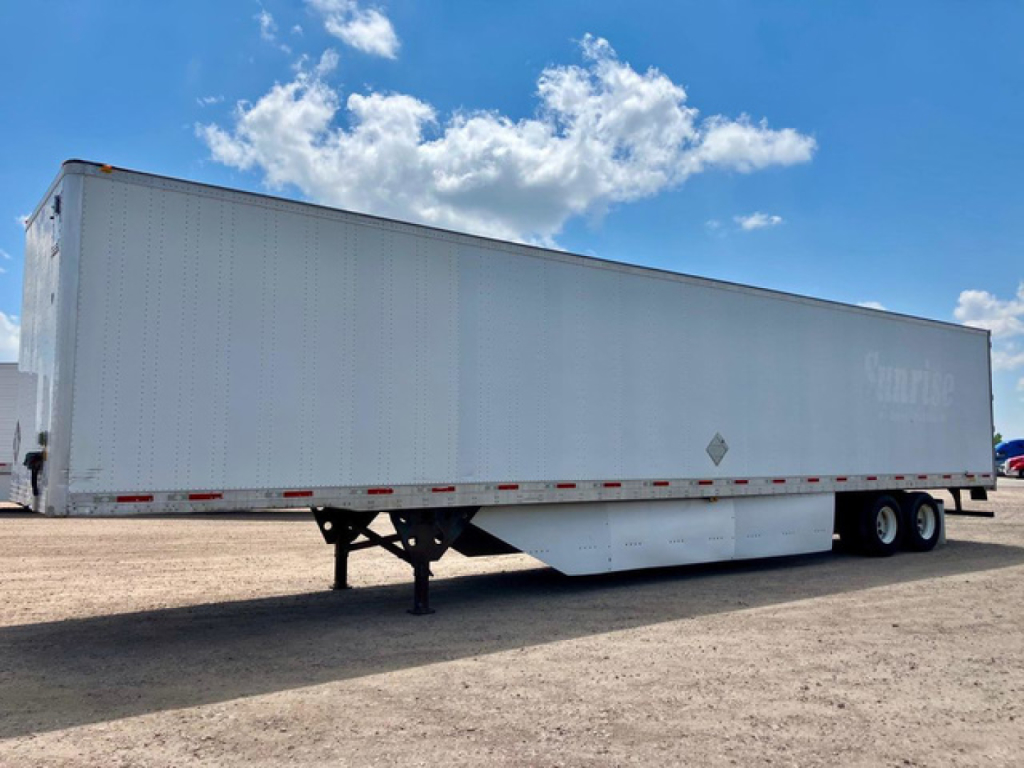
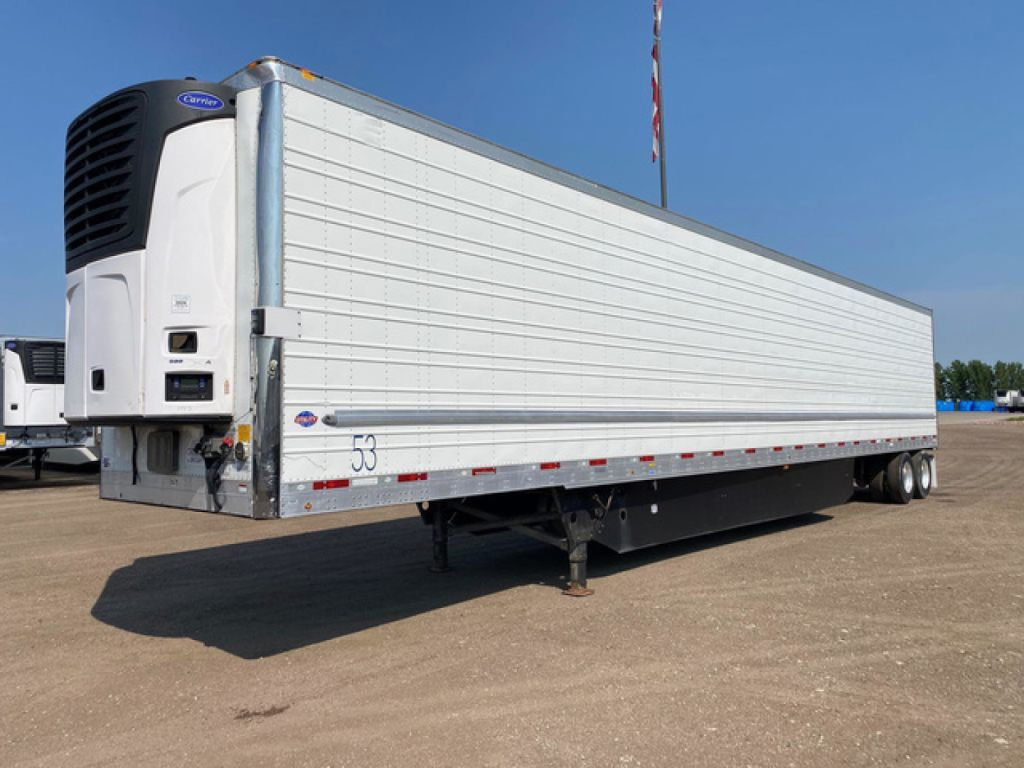
Box trailers cover general and temperature-controlled freight. Dry van buyers compare sheet-and-post, plate, or composite walls, plus logistics posts, e-track, scuff liners, and roof type. Swing doors maximize opening height and sealing; roll-up doors speed dock turns but trim clearance and add weight. Floor spec and rating matter for forklifts and heavy point loads. Reefer trailers add the refrigeration unit, insulation package, chute, and drain management. Thermo King and Carrier unit hours, maintenance records, and pull-down performance are more important than model year. California operations require TRU compliance and registration; confirm engine model-year eligibility before routing into the state. For fuel efficiency and shipper requirements, look for SmartWay side skirts, low rolling resistance tires, and telematics that monitor door events, temperature, and asset location.
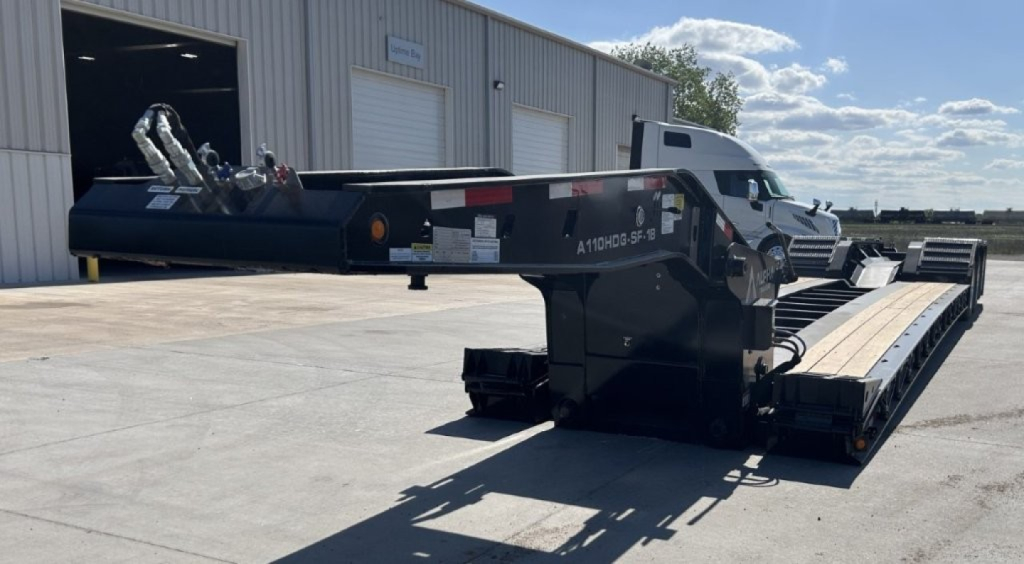
Platform trailers handle freight that will not fit a box. Flatbed, step deck, and double drop trailers vary by deck height and legal load height. Material choice is a trade-off: steel is durable and lower cost, aluminum cuts weight and corrosion, and combo builds balance both. Check beam rating and concentrated load rating, apitong or aluminum floors, winch tracks and J-hooks, rub rails with protected stake pockets, and headache racks or bulkheads. Spread axles help axle weights on building products and steel but can increase tire wear without lift or dump. For machinery, detachable gooseneck lowboys bring well length, gooseneck type, neck relief, outriggers, and axle additions like jeeps or boosters into the spec decision.
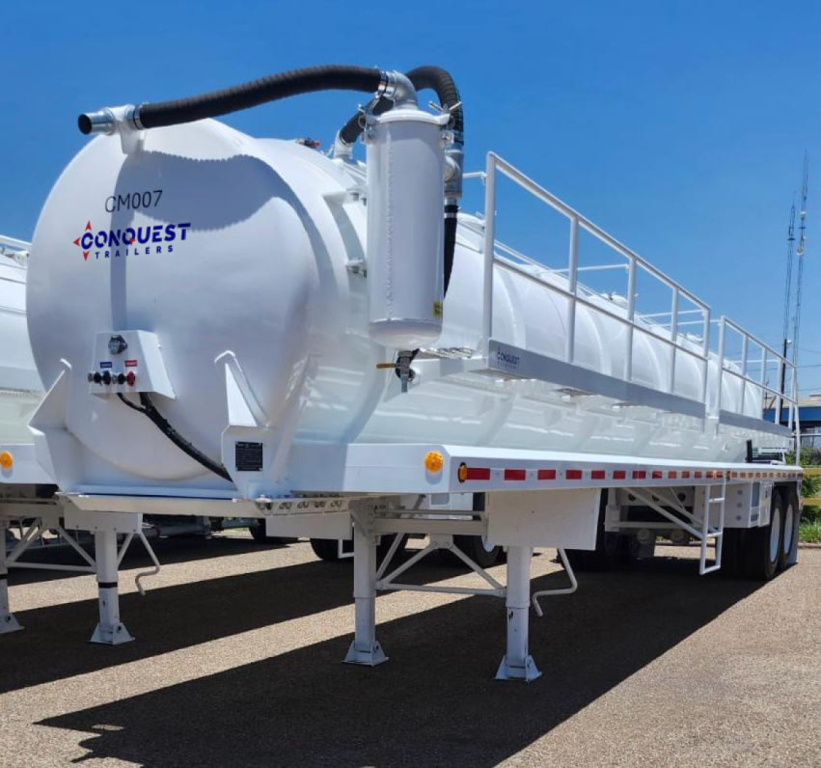
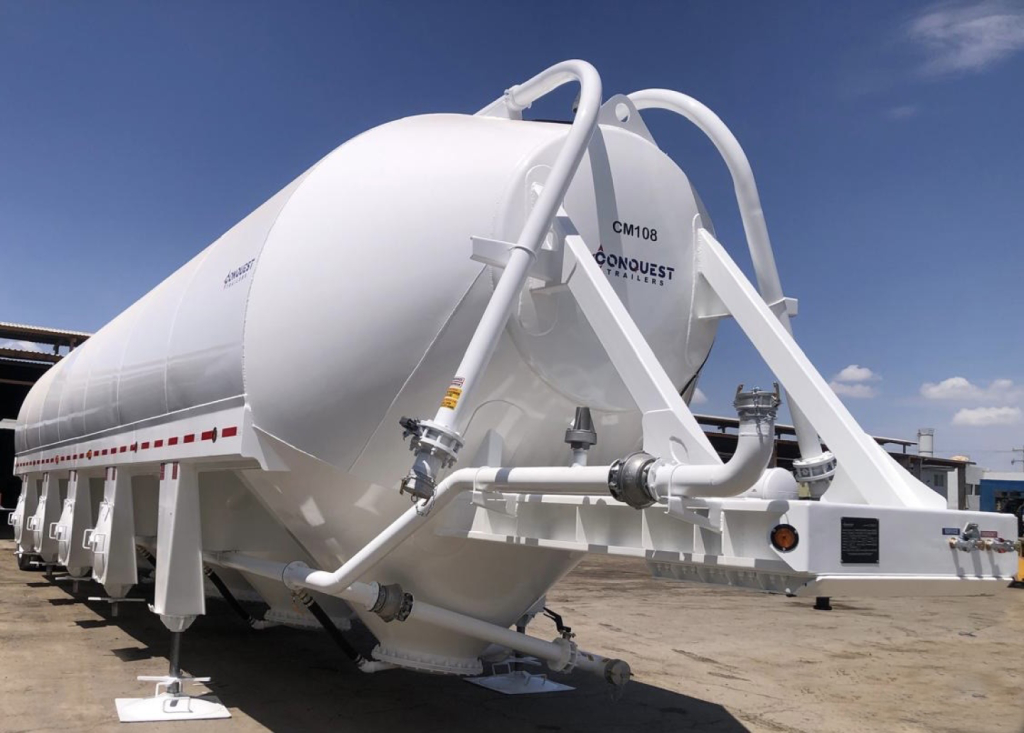
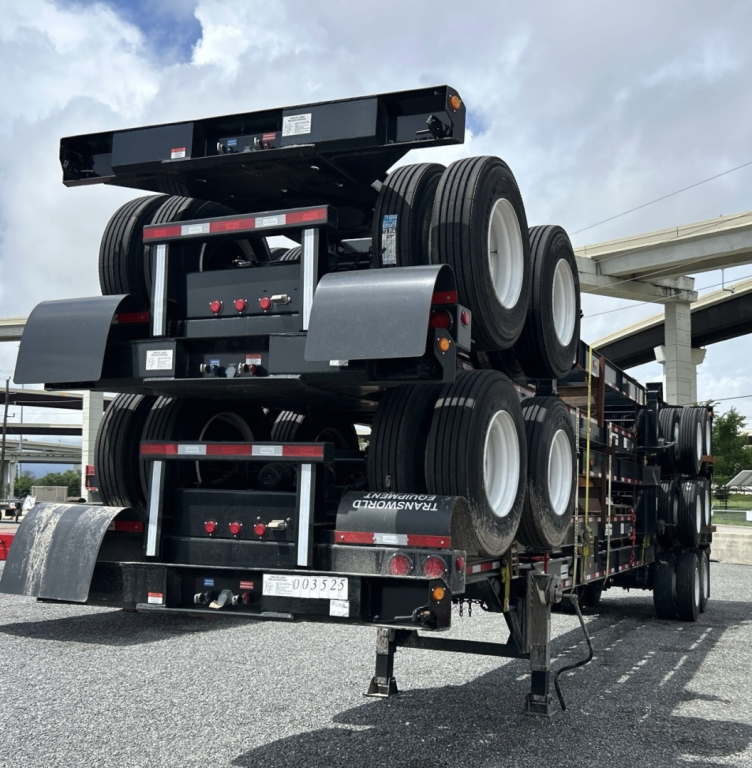
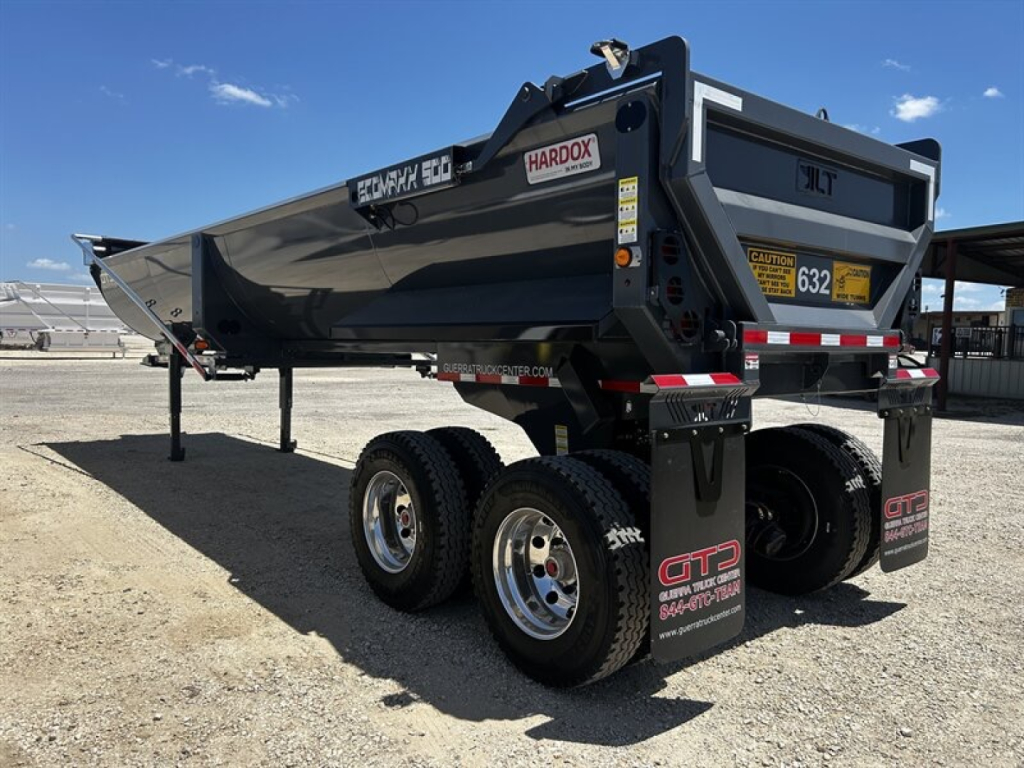
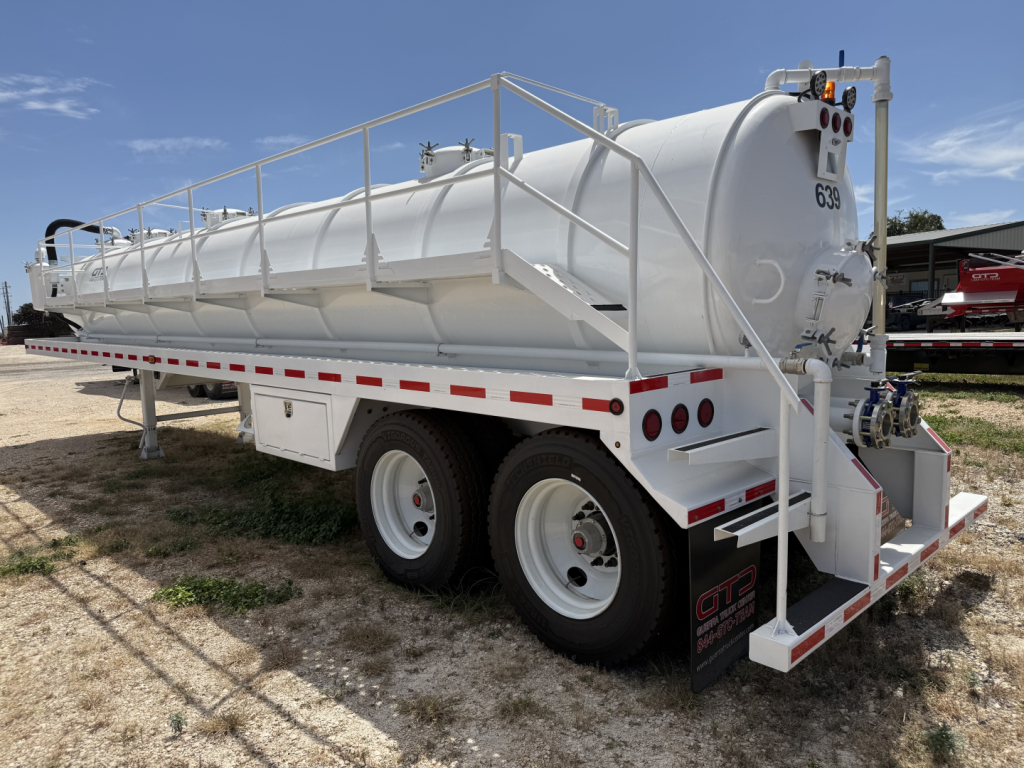
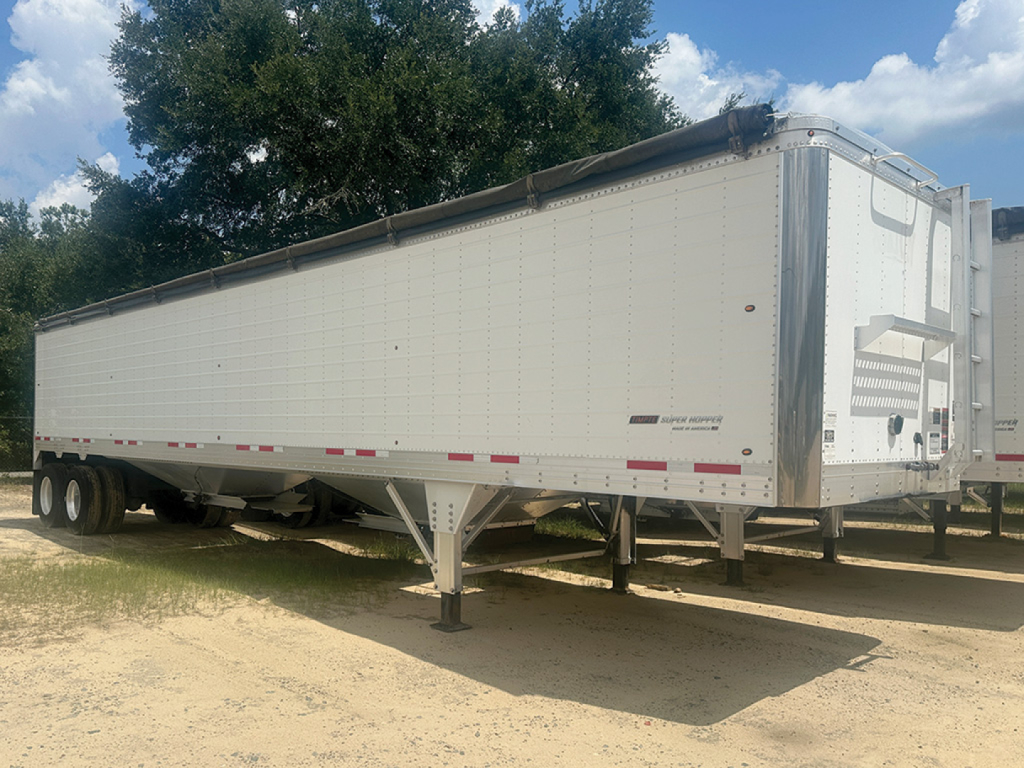
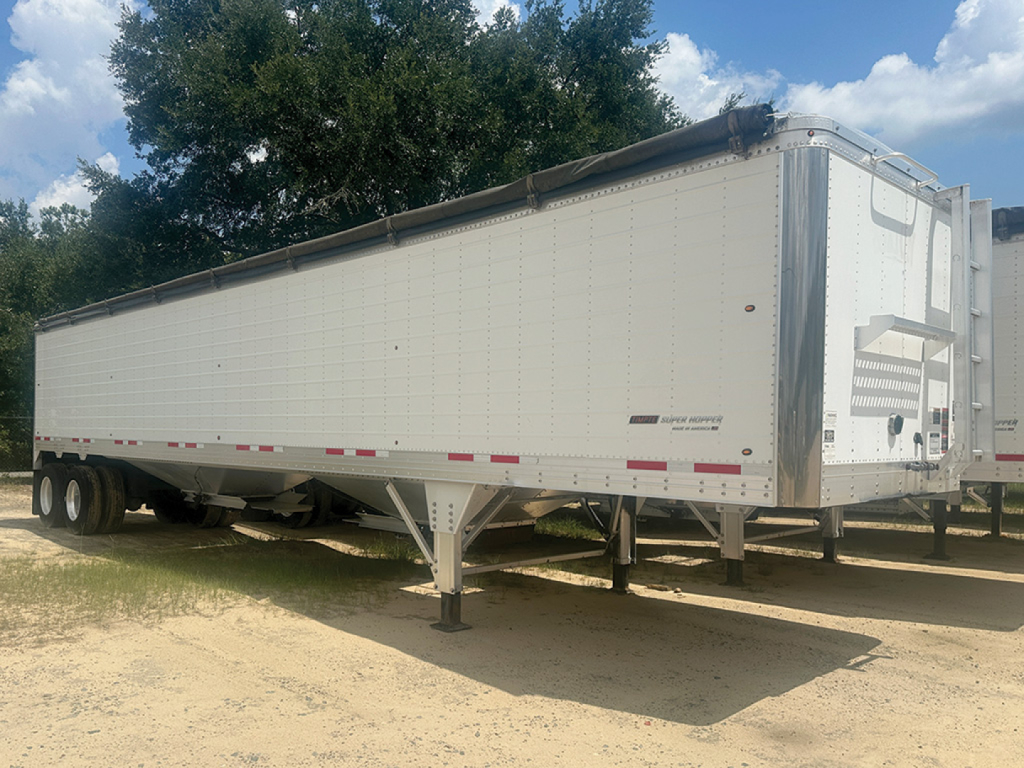
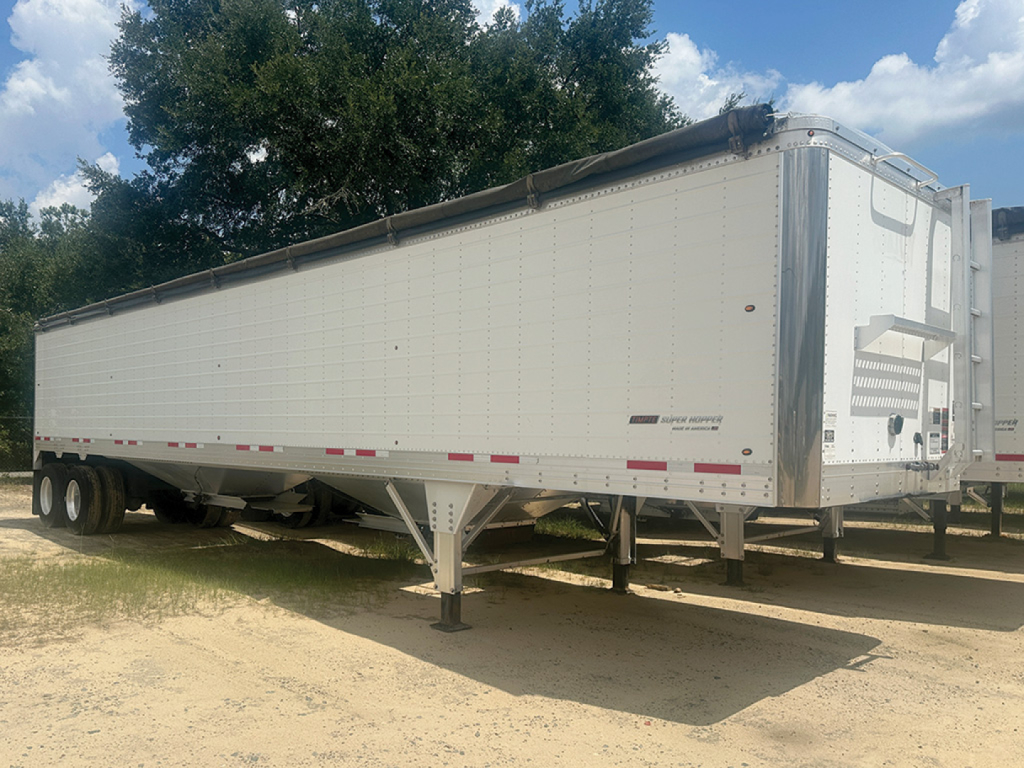
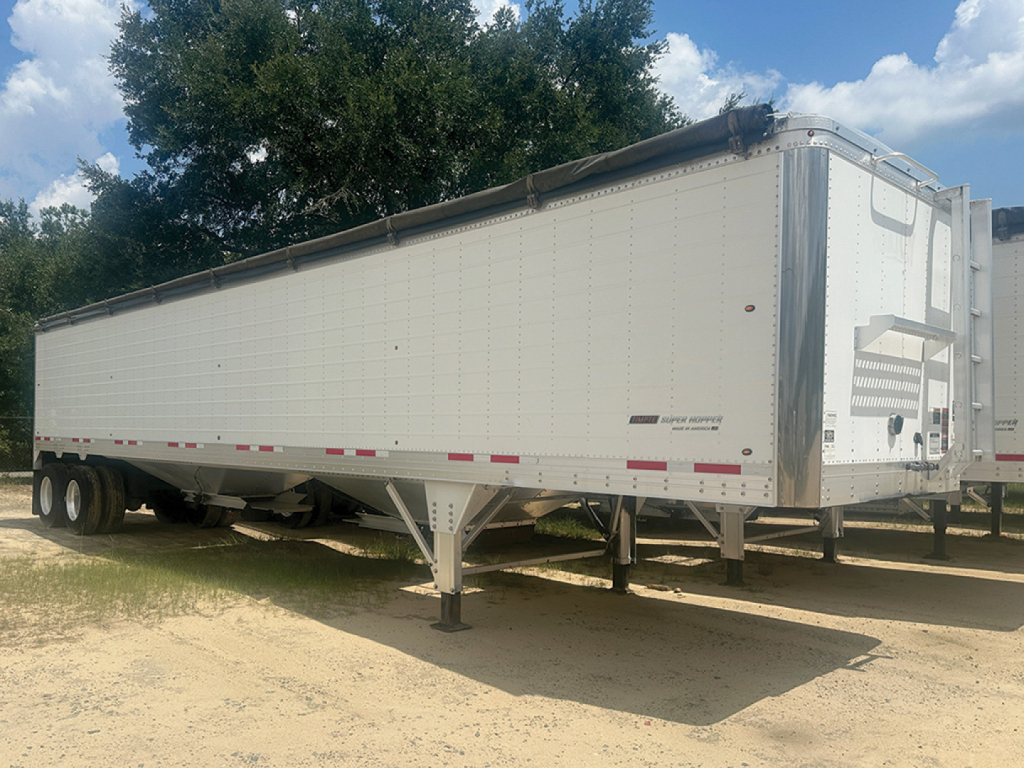
Specialized and bulk trailers target niche freight. End dumps and side dumps move aggregates and demo; note frame type, wall thickness, gate style, liner, and tarp system. Hopper bottoms and walking floor trailers serve grain and refuse; look at gate controls, slope angles, and floor slat condition. Tankers require the right code and lining for product: fuel haulers look for DOT 406 with compartments and emergency valves, chemicals often need DOT 407 or 412, plus insulation or internal linings. Pneumatic dry bulk trailers focus on cube, hopper design, blower hookups, and clean-out access. Intermodal work uses container chassis with fixed or extendable frames for 20, 40, 45, or 53 ft boxes. Across all segments, inspect crossmembers, kingpin wear, landing gear, brake lining, air system leaks, ABS readiness, tire inflation systems, and LED lighting. Regional corrosion protection like galvanized or aluminum subframes pays off in the upper Midwest and Northeast.
Frequently Asked Questions about Trailers
How do I choose the right trailer length and axle setup for my routes?
Balance freight cube and weight with route constraints. 53 ft vans maximize volume for OTR, while 45-48 ft units turn better in tight urban zones. For platforms, 48 ft is common and keeps weight down. Closed tandems are lighter and simple to scale at docks; spread axles help axle weights on heavy point loads but increase tire scrub without a dump valve. Confirm bridge laws and kingpin-to-rear-axle limits in your primary states before locking specs.
What are the key differences between air ride and spring ride suspensions?
Air ride reduces shock to freight and trailer structure, improving claims and resale, and some fleets report better tire life. It adds weight, components, and cost compared to spring ride. Spring ride is rugged and light, a good fit for rough sites or dedicated lanes where freight sensitivity is low. For reefers, air ride is typically preferred; for dumps or some flatbed work, spring ride remains common for simplicity.
Should I choose swing doors or a roll-up door on a dry van or reefer?
Swing doors seal better, weigh less, and provide maximum opening height for high pallets and tall dock plates. Roll-up doors speed urban deliveries and reduce dock clearances but cut opening height by several inches and add weight and maintenance points. If you frequently cube out or load with tall freight, swing doors are the safer bet. For multi-stop city P&D, roll-ups can improve productivity.
What regulations affect reefer trailers and can I run older units in California?
California enforces emissions rules for transport refrigeration units. Compliance depends on the TRU engine model year and hours, not just trailer age. Verify the unit’s compliance status and registration before operating in the state. Many shippers also specify SmartWay features like side skirts and low rolling resistance tires on 53 ft box trailers. Always confirm current state requirements and shipper specs when routing equipment across regions.
What should I inspect on a used trailer before purchase?
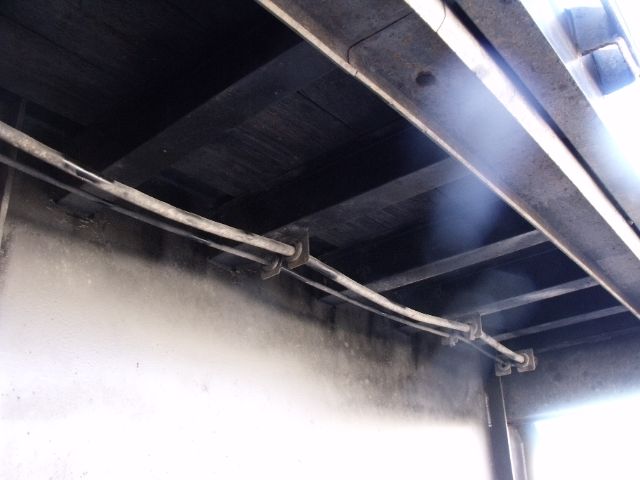
Start under the floor: look for cracked crossmembers, corrosion around suspension hangers, and kingpin wear. Cycle the landing gear under load. Check brake lining thickness, drum or disc condition, and ABS functionality. Inspect door frames, hinges, and seals on vans and reefers; verify floor rating and any fork pocket damage. On reefers, review service records, unit hours, pull-down test results, and insulation condition. For platforms, examine main beams, deck boards, rub rails, stake pockets, and winch tracks for repairs or distortion.