
Garbage Trucks For Sale in New York
Browse garbage trucks for sale in New York, including rear loaders, packers, and refuse bodies built for municipal and private waste routes.
Learn moreNo exact matches found for your search
Showing Garbage Trucks instead.
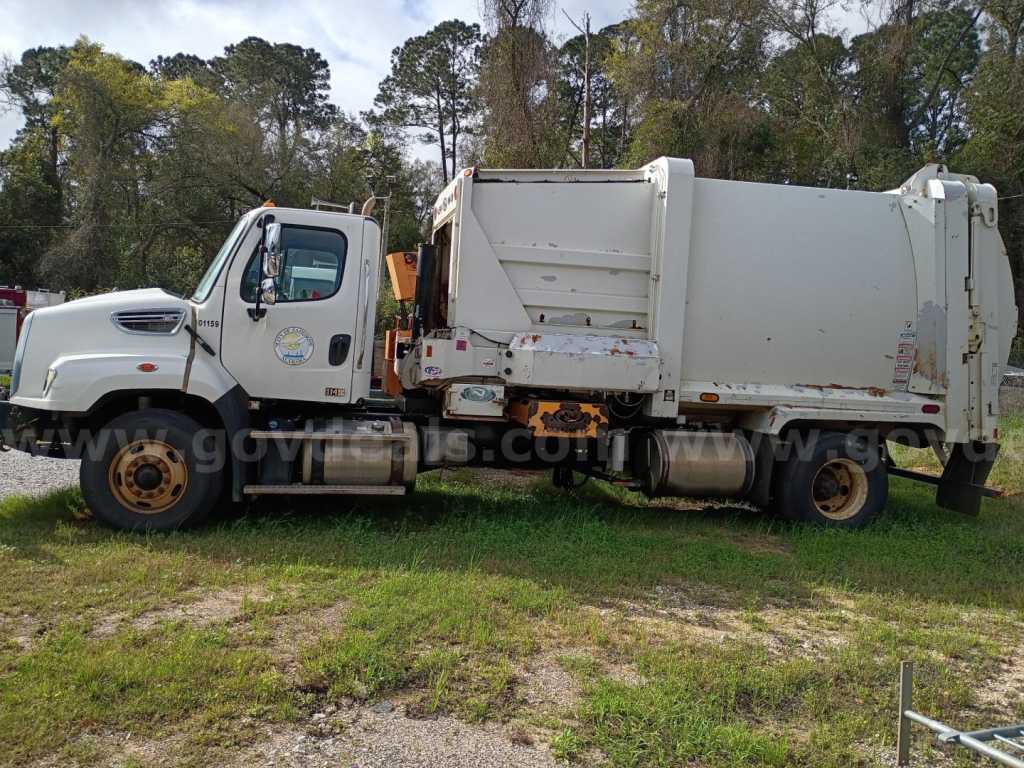

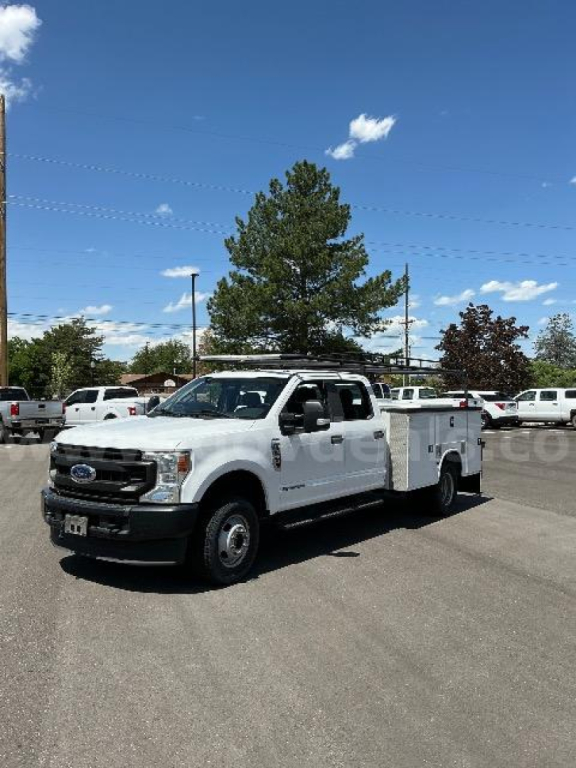
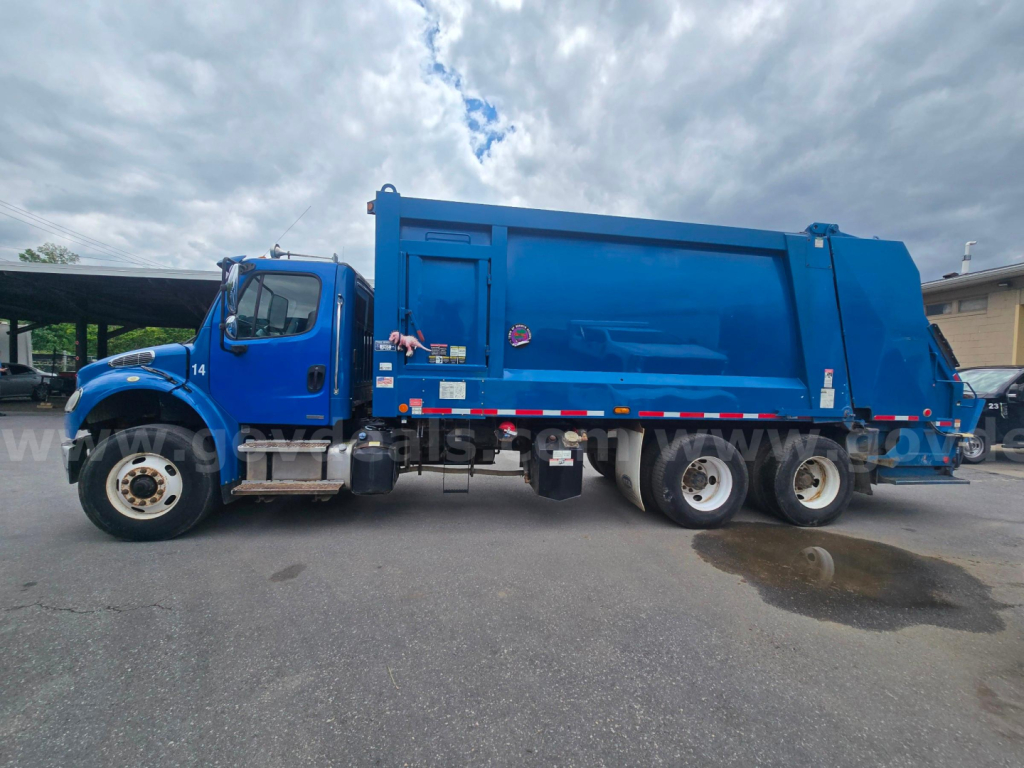
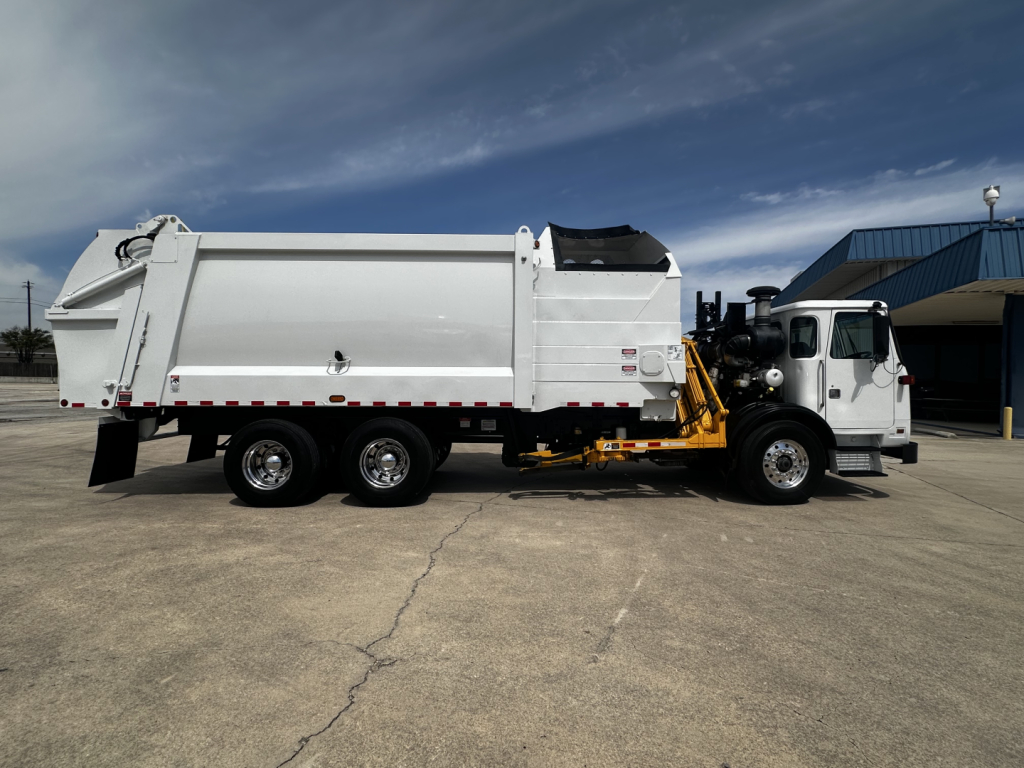

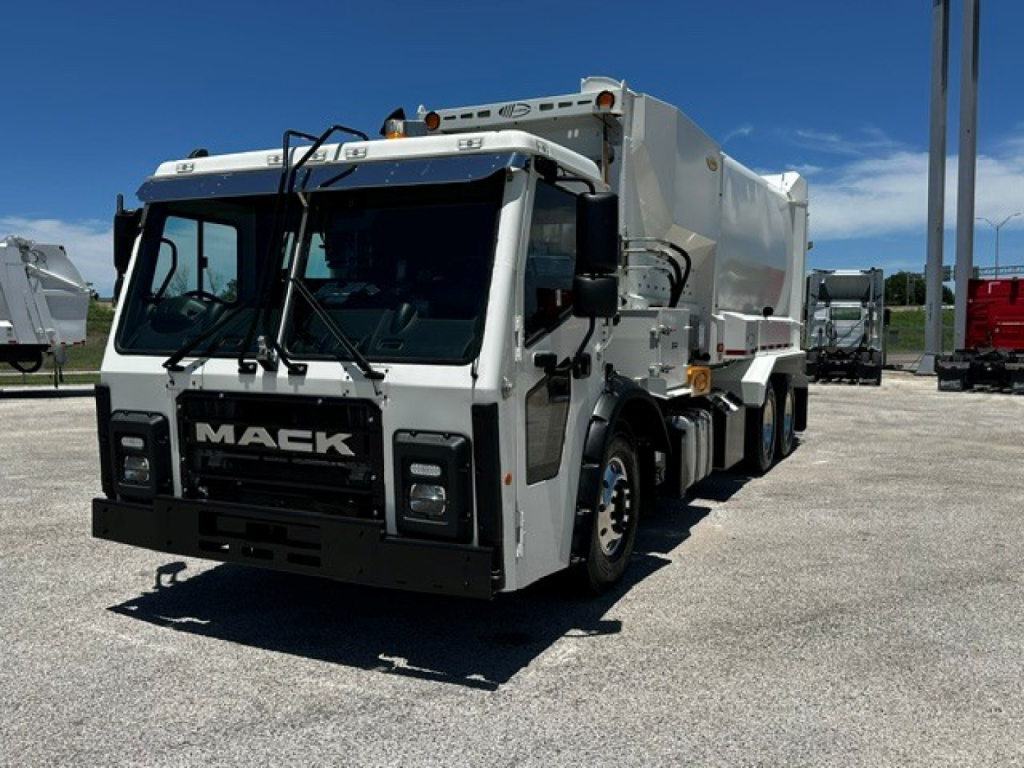
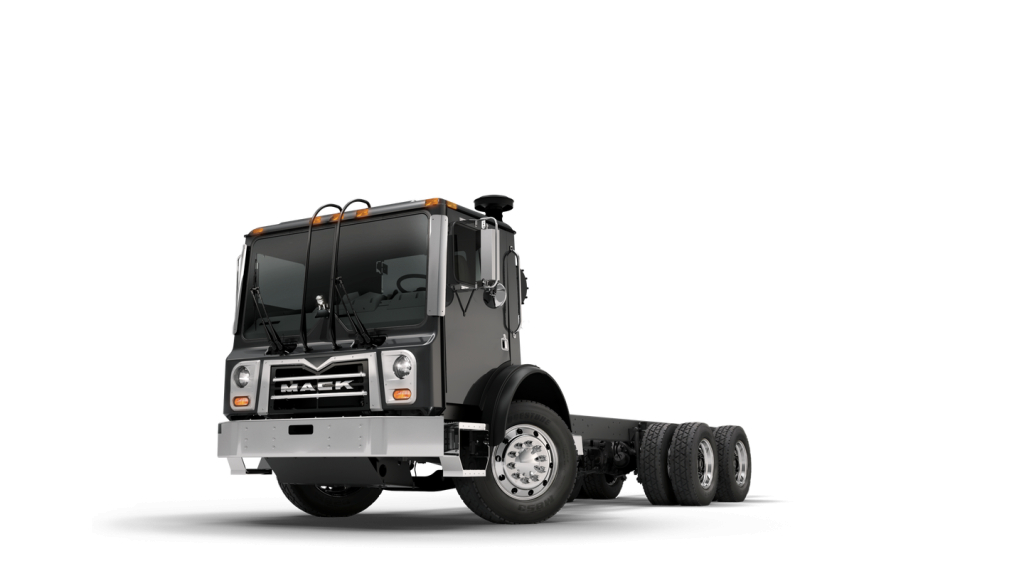

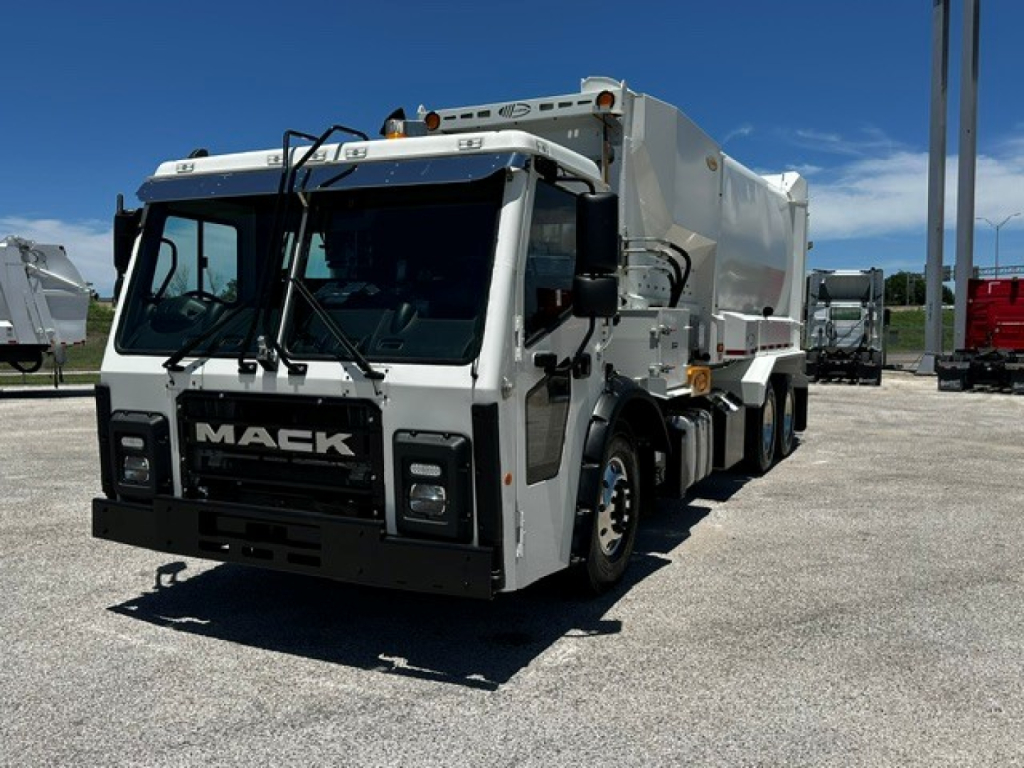
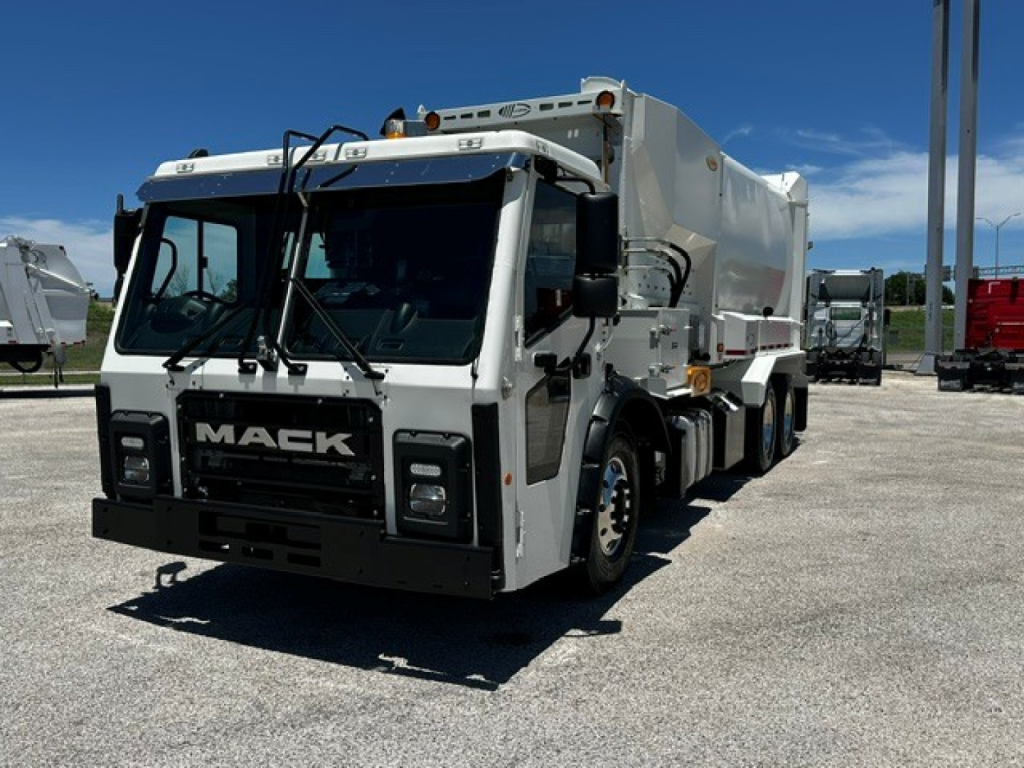
Showing 1 to 12 of 29 results
Have garbage truck to sell? List it here to reach thousands of buyers.
About Garbage Trucks in New York
A good garbage truck spec starts with payload, compaction capacity, and axle ratings. Body sizes are often discussed in cubic yards, but legal loaded weight is what determines how useful the truck will be on route. Buyers should compare GVWR, front and rear axle ratings, suspension type, wheelbase, and the relationship between body size and packer weight. Many refuse trucks run diesel engines matched to automatic transmissions for constant stop-and-go work, PTO operation, and driver ease. Hydraulic system condition is critical. Pay close attention to packer cycle times, hopper wear, ejector function, cylinder leakage, hose condition, and evidence of body cracking around stress points. On older units, frame corrosion, tailgate seal wear, and rust in the body floor or crossmembers can be just as important as engine hours or mileage.
Application details separate a workable truck from a profitable one. A municipal leaf and solid waste route may prioritize a rear loader with a durable hopper and simple controls, while a private hauler handling commercial containers may need a front loader with stronger lift arms and faster cycle performance. Automated side loaders bring labor savings but add complexity through cameras, controls, and arm components that must be inspected carefully. In urban New York service, turning radius, cab visibility, brake condition, and body dimensions can be more important than raw body volume. Buyers should also consider cart tipper setup, helper steps, backup camera systems, warning lights, inside and outside controls, and how easily parts can be sourced for the body manufacturer.
Used garbage trucks deserve a closer inspection than many other vocational trucks because they live a hard life. Idle hours, PTO hours, and route history often tell more than odometer readings. Look for maintenance records covering hydraulic service, transmission work, brake replacement, suspension wear, and body repairs. If the truck will stay on municipal duty, emissions compliance, CDL requirements, and local weight rules should be reviewed before purchase. The best value usually comes from a truck whose chassis, hydraulics, and refuse body are matched to the route type, crew size, and disposal cycle, not simply the largest packer body available.
Frequently Asked Questions
What types of garbage trucks are most common?
The most common garbage truck types are rear loaders, front loaders, and automated side loaders. Rear loaders are widely used for residential and municipal collection because they are straightforward and versatile. Front loaders are built for commercial dumpster service and fast container pickup. Automated side loaders are designed for one-person residential routes using cart arms, which can reduce labor but require more attention to controls, cameras, and hydraulic arm condition.
What should I inspect first on a used garbage truck?
Start with the refuse body and hydraulic system before focusing only on engine mileage. Inspect the packer, hopper, ejector, cylinders, hoses, tailgate seals, and body floor for wear, leaks, and cracks. Then review frame condition, corrosion, axle ratings, suspension wear, brake condition, and PTO operation. A refuse truck can have a serviceable engine and transmission but still need expensive body or hydraulic repairs that affect route uptime.
How are garbage trucks sized?
Garbage trucks are commonly sized by body volume in cubic yards, but buyers should not rely on cubic yard rating alone. GVWR, axle ratings, and legal loaded weight are what determine how much material the truck can actually carry on route. A larger body can be less useful if the chassis cannot legally support the payload, especially on dense urban routes with heavy material and frequent trips to transfer stations or landfills.
Are rear loaders still a good choice for municipal routes?
Rear loaders remain a strong choice for many municipal routes because they are durable, proven, and generally easier to maintain than more complex automated units. They work well for mixed collection, manual loading, bagged trash, and areas where crews need flexibility. For towns and cities with varying route conditions, rear loaders often offer a practical balance of body capacity, serviceability, and operator familiarity.
What matters most for garbage trucks operating in New York?
For New York operation, buyers should pay close attention to body dimensions, turning radius, axle weights, corrosion, cold-weather hydraulic performance, and brake condition. Dense neighborhoods, tight municipal streets, and winter road treatment can be hard on refuse equipment. Rust on frames, floors, crossmembers, and tailgate areas is especially important to inspect, along with visibility equipment and safety systems needed for urban stop-and-go collection.