
Used 2012 Equipment For Sale
Browse used 2012 trucking equipment for sale, including forklifts, sweepers, and support units with practical specs, applications, and buying tips.
Learn morePopular Equipment Categories
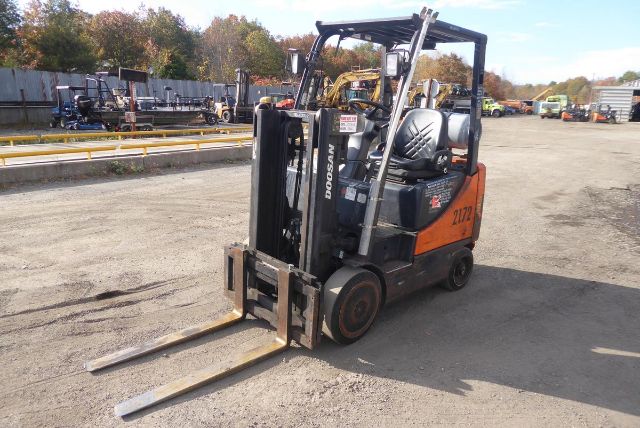
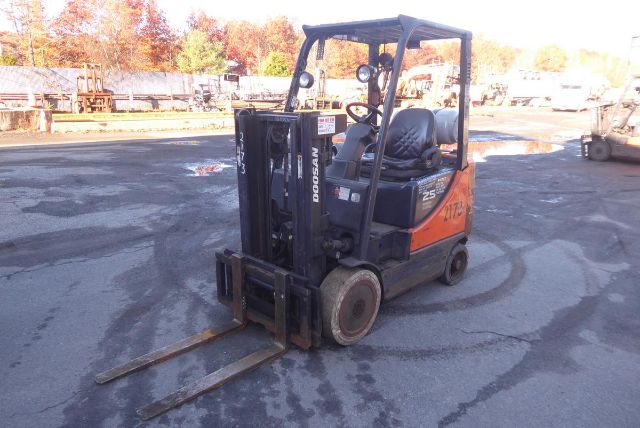
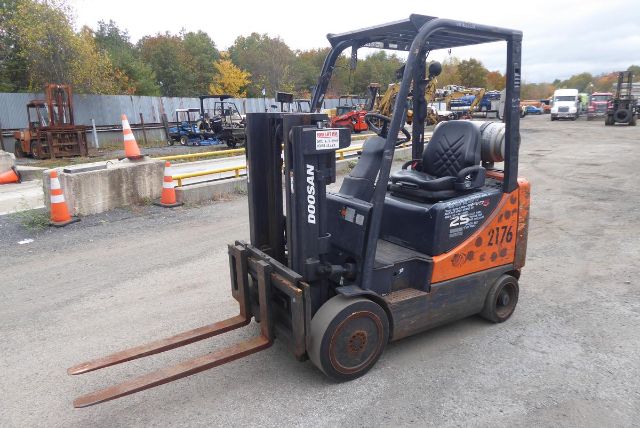
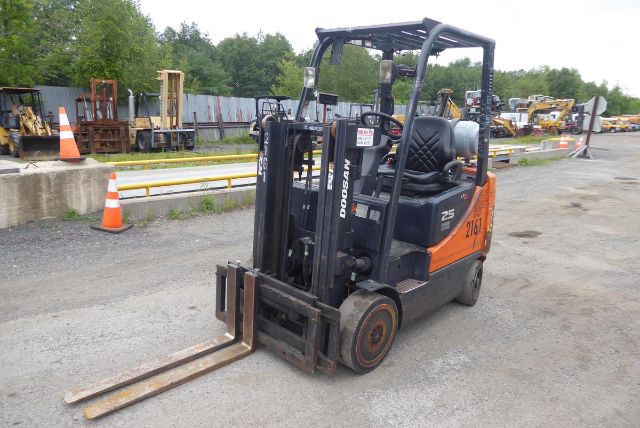
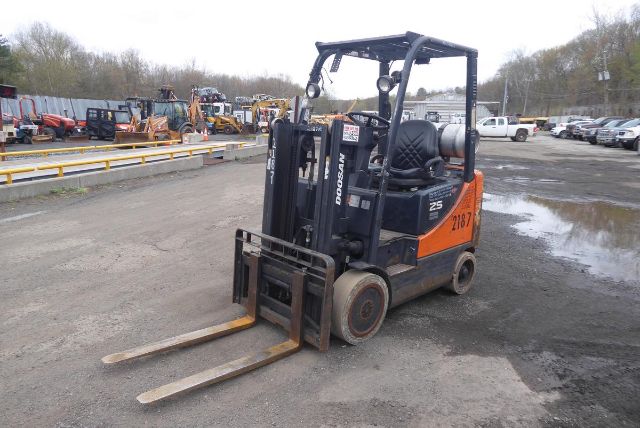
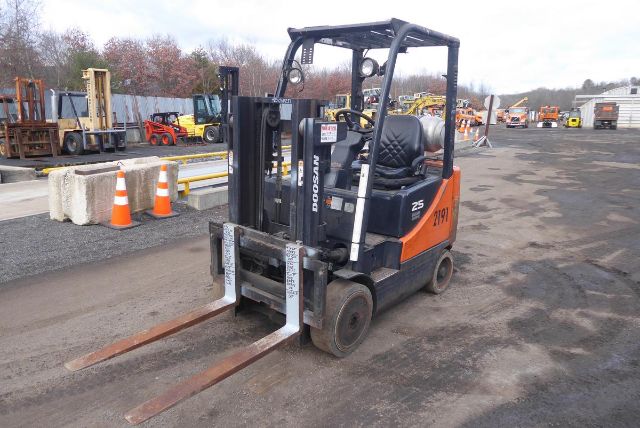
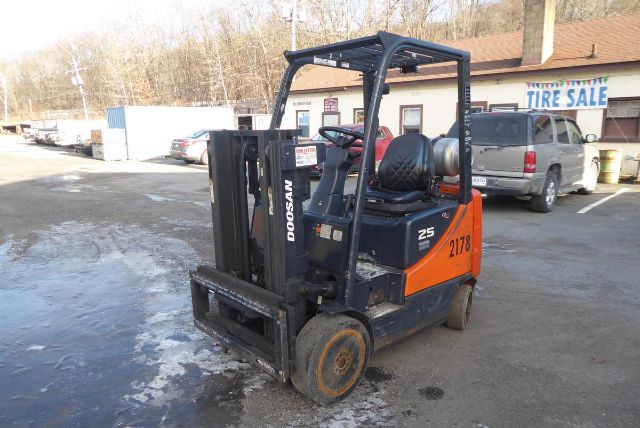
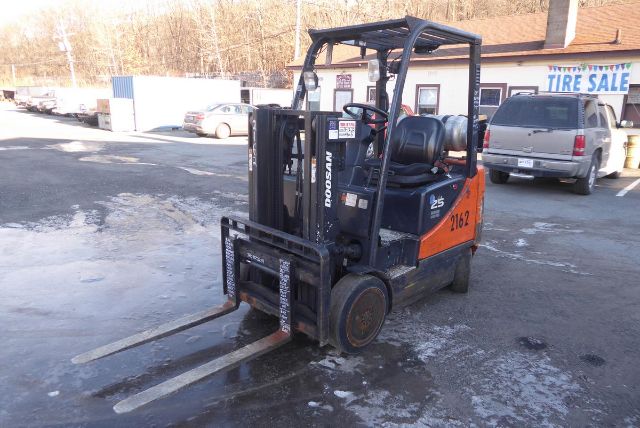
Showing 1 to 12 of 14 results
Have used 2012 equipment to sell? List it here to reach thousands of buyers.
About Used 2012 Equipment
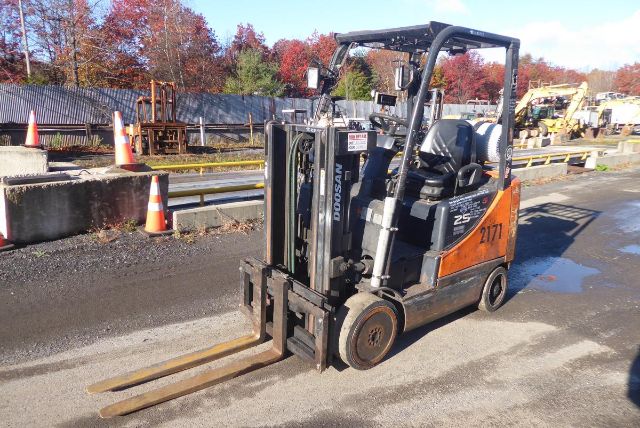
For buyers comparing listings, start with application before brand. A 4,000 lb propane forklift works well for palletized freight, dock work, and indoor-outdoor warehouse use, while a 9,000 lb to 14,500 lb pneumatic-tire forklift is built for lumber, steel, machinery, and yard loading on rougher surfaces. Sweepers and similar support units should be evaluated by broom width, water system operation, hydrostatic drive condition, towing setup, and overall hours. On lift trucks, the important checkpoints are rated capacity, mast type, lift height, side shift or fork positioners, tire type, fuel system, brake performance, and any hydraulic leaks at cylinders, hoses, or valve bodies.
Powertrain and operating environment matter as much as headline specs. Propane forklifts are common in this segment because they refuel quickly and suit mixed indoor-outdoor work, but buyers should confirm tank setup, cold-start behavior, and engine response under load. Diesel units are often preferred for heavier outdoor applications, especially where torque and long-duty cycles matter more than indoor emissions concerns. Automatic and hydrostatic transmissions are common on this class of equipment, so it is worth checking directional engagement, creep, travel speed consistency, and how the machine performs at full operating temperature. Tire style also tells you a lot about intended use. Cushion or solid tires fit smooth warehouse floors, while air-filled pneumatic tires are better for gravel, broken pavement, and yard conditions.
A used 2012 trucking equipment purchase should be judged by condition, not age alone. Hours help, but mast wear, steering play, chain condition, brake function, fork wear, and cold-start performance usually tell a more accurate story. Buyers should also verify machine dimensions against aisle width, trailer access, dock height, and transport requirements. On forklifts, check data plates, carriage class, fork length, collapsed height, and maximum lift height to make sure the unit matches the freight you handle. On sweepers and other support equipment, confirm service access, consumable availability, and whether critical systems like spray bars, hydraulic angle functions, and tow components are fully operational. The best used 2012 equipment is the unit that fits the job, the surface, and the duty cycle without forcing costly modifications after purchase.
Frequently Asked Questions
What types of used 2012 trucking equipment are most common on the market?
Used 2012 trucking equipment often includes forklifts, yard and facility support machines, industrial sweepers, and other material-handling equipment used around freight terminals, warehouses, and truck service operations. Forklifts are especially common because they support loading, unloading, pallet handling, and yard storage. The mix can include small indoor propane units, larger outdoor pneumatic-tire forklifts, and specialized support equipment built for cleaning or maintaining operational areas.
Is 2012 model year equipment still practical to buy for commercial use?
Yes, 2012 model year equipment can still be very practical if condition, service history, and parts support are solid. Many machines from this period use proven engines, straightforward hydraulic systems, and common transmission designs that technicians already know well. The key is to inspect wear items and operating systems carefully. A well-maintained 2012 unit can offer strong value, especially for fleets, warehouses, and yards that need dependable support equipment without paying late-model pricing.
What should I inspect first on a used forklift from this year range?
Start with the data plate, rated capacity, mast height, and collapsed height to confirm the forklift fits your freight and building clearances. Then inspect mast channels, lift chains, carriage rollers, forks, side shift function, steer axle play, brakes, and hydraulic cylinders for leaks or drift. Engine response, transmission engagement, and tire condition are also important. A forklift that starts cleanly, lifts smoothly, holds load without dropping, and steers tightly is usually a stronger candidate than one with lower advertised hours but visible wear.
Should I choose propane or diesel on used 2012 material-handling equipment?
Propane is a common choice for lighter forklifts used in warehouse and dock environments because refueling is fast and operation is generally cleaner for mixed indoor-outdoor use. Diesel is usually the better fit for heavier lifts and outdoor work where torque, runtime, and rough-surface durability matter more. The right fuel type depends on your load weights, ventilation conditions, daily operating hours, and yard surface. Buyers should also consider local emissions rules and the availability of fuel and service support at their location.
How important are hours on used 2012 trucking equipment?
Hours matter, but they should never be viewed alone. A machine with moderate to high hours and strong maintenance can be a better buy than a lower-hour unit with neglected hydraulics, poor brakes, worn mast components, or deferred repairs. On support equipment and forklifts, actual operating condition is usually more important than the number on the meter. Wear at pivot points, cylinder seals, forks, tires, and steering components will usually tell you more about remaining service life than hours alone.