
Crude Oil Trailers For Sale in Texas
Crude oil trailers for sale in Texas, including DOT 407 tankers with common specs, inspection points, capacity options, and oilfield use details.
Learn more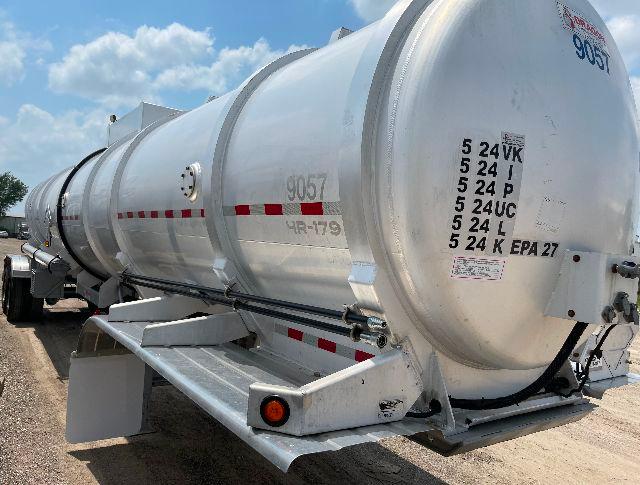
Have crude oil trailer to sell? List it here to reach thousands of buyers.
About Crude Oil Trailers in Texas
A buyer should pay close attention to the tank itself before anything cosmetic. Current test status matters. On a crude oil tanker, that can include pressure testing, leakage testing, internal and external inspection intervals, and kingpin inspection records. Valve condition is another major checkpoint. Emergency valves, vapor recovery plumbing, sump assemblies, wet and dry disconnects, pressure vents, gauges, and dome lid gaskets all affect both safety and uptime. If the trailer has an internal lining, confirm its condition and repair history, especially around the sump, cleanouts, and lower tank areas where wear tends to show up first.
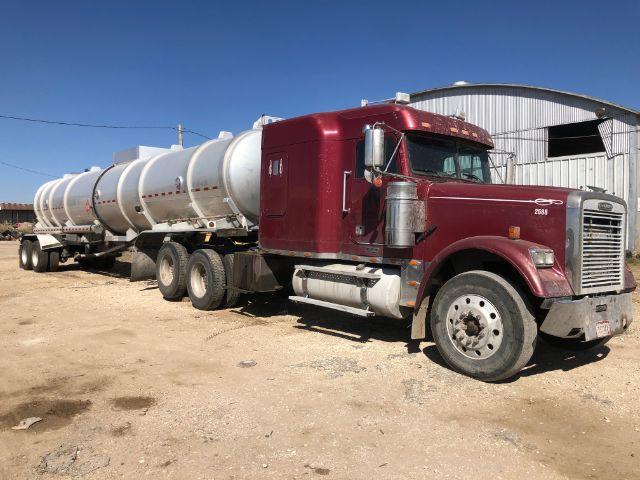
Chassis and running gear condition are just as important because crude service is hard on suspensions, brakes, and wheel ends. Buyers in Texas often see trailers that have spent time on lease roads, caliche, and rough yard surfaces, so inspect for frame corrosion, suspension wear, air leaks, cracked crossmembers, and signs of stress around mounts and landing gear. Check ABS function, brake life, tire condition, hub oil, and axle alignment. Aluminum wheels, fresh brake components, updated DOT tape, and documented refurb work can add value, but service records and recent test paperwork usually tell you more than a fresh paint job.
For most operations, the right crude oil trailer is the one that matches your product, route, site access, and loading system without creating compliance headaches. Some fleets prioritize a simple vacuum or pump-assisted setup for fast turnaround in the field, while others care more about lightweight construction and highway payload efficiency. A well-spec'd crude tanker trailer, also known as a crude tank trailer or oilfield tanker, should be evaluated as a combination of certified tank, functioning transfer system, and durable undercarriage. The best purchase is usually the unit with clear inspection history, compatible fittings, and a spec that fits your daily barrels moved, not just the lowest upfront price.
Frequently Asked Questions
What is the most common type of crude oil trailer used in Texas?
Many crude oil hauling operations in Texas use DOT 407 tank trailers, often in aluminum configurations with capacities around 200 barrels. These trailers are common in oilfield service because they balance payload, corrosion resistance, and compatibility with crude hauling applications. Exact spec requirements depend on the product being moved, customer requirements, and route conditions, so buyers should confirm the trailer matches both the commodity and the operating authority’s compliance standards.
What should I inspect first on a used crude oil tanker trailer?
Start with the test and inspection records, then move to the valves, tank shell, and transfer components. A used crude oil trailer should have current or clearly documented pressure, leakage, internal, and external inspection history where applicable. After that, inspect emergency valves, vapor lines, dome lids, sump fittings, gaskets, and gauges. Mechanical condition also matters, especially brakes, suspension, wheel ends, tires, ABS, and kingpin area wear.
Are aluminum crude oil trailers better than steel?
Aluminum crude oil trailers are often preferred when payload matters because they typically weigh less than comparable steel units. That lower tare weight can improve legal payload and operating efficiency. Steel can still be a good fit in some applications, especially where repair preference, fleet standardization, or duty cycle makes sense. The better choice depends on product compatibility, maintenance practices, and the type of roads the trailer sees every day.
Do crude oil trailers usually come with pumps?
Some crude oil trailers are equipped with pumps, while others depend on external loading and unloading systems. A pump-equipped trailer can be useful in oilfield environments where site equipment varies or where self-sufficient transfer capability reduces downtime. Buyers should verify pump type, drive method, plumbing layout, and actual operating condition, because the presence of a pump alone does not guarantee the trailer is ready for the loading and unloading methods used in a specific operation.
Why do inspection and test dates matter so much on a crude tank trailer?
Inspection and test dates matter because tank trailers used in hazardous material service are subject to regulatory requirements, and expired tests can delay deployment and add immediate requalification costs. A trailer that appears road ready may still need internal inspection, leakage testing, pressure testing, or valve service before it can legally return to work. Clear documentation reduces uncertainty, helps estimate near-term maintenance expense, and gives a buyer a better picture of true value.