
BWS Trailers For Sale
Shop BWS trailers for sale, including drop deck and tri-axle models with steel construction, air ride suspension, Apitong flooring, and heavy-duty specs.
Learn moreBrowse BWS Trailers by Category
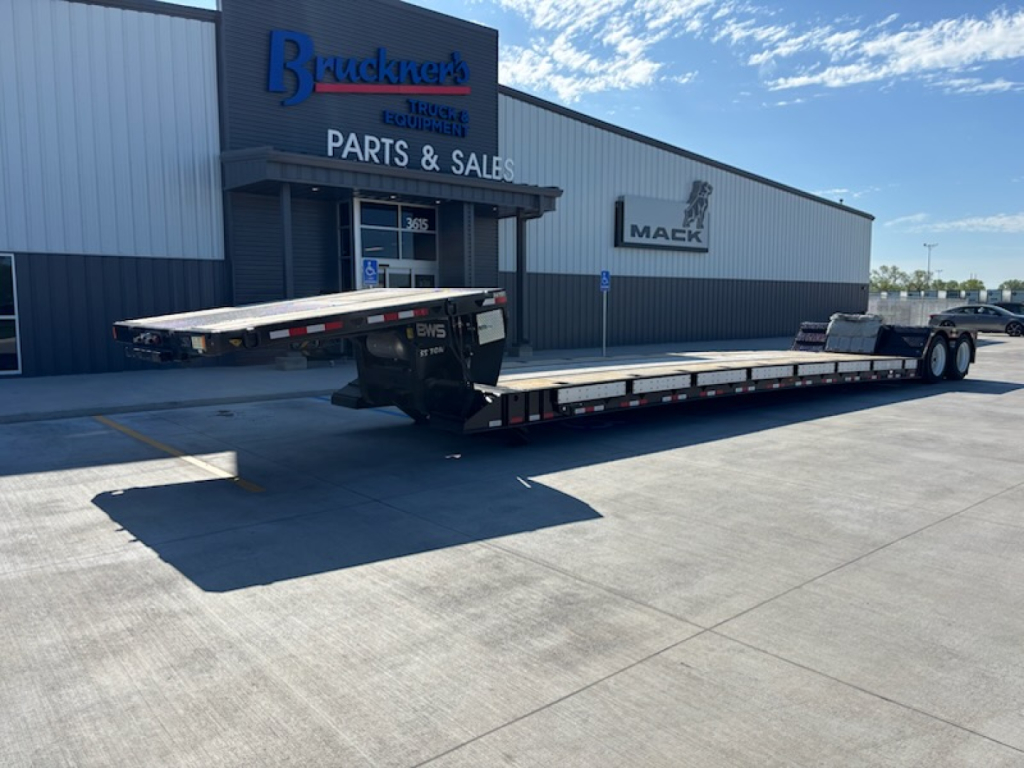
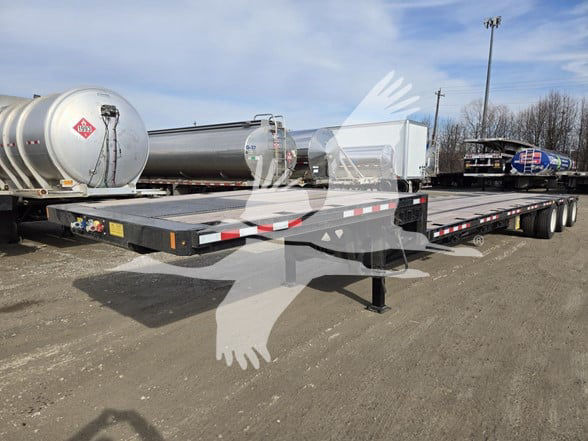
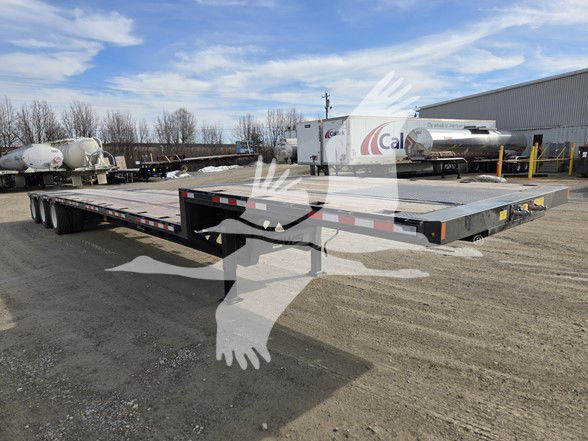
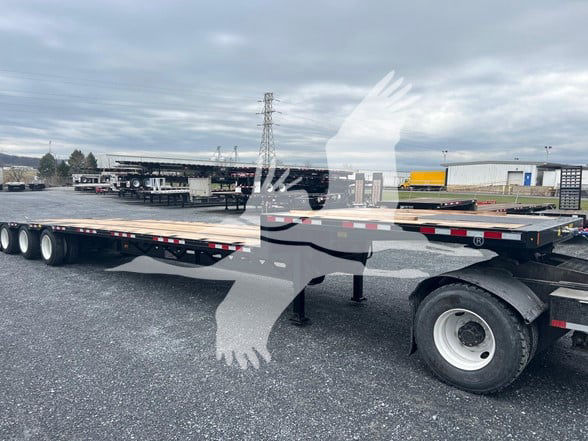
Have bws trailer to sell? List it here to reach thousands of buyers.
About BWS Trailers
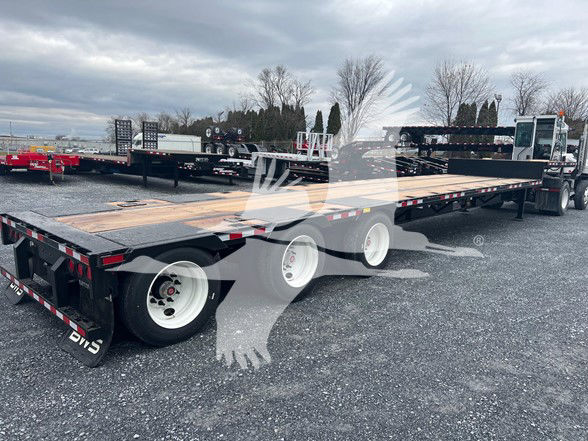
A lot of BWS drop deck trailers on the market are 48 feet long and 102 inches wide, often in tri-axle setups with air ride suspension. Common configurations include an 11-foot top deck, roughly 37-foot main deck, and loaded deck heights around 40 to 41 inches. That combination gives good flexibility for taller freight while keeping enough deck space for mixed loads. Steel frames, 1 1/8-inch Apitong flooring, 4-inch I-beam crossmembers on 16-inch centers, and 18-inch kingpin settings are all specs worth paying attention to because they affect durability, weight distribution, and how the trailer works with your tractors and your freight profile.
Securement and loading details matter on a BWS as much as the main dimensions. Many are equipped with multiple pairs of 4-way chain slots, stake pockets, pipe spools, roadside winch tracks, and sliding winches, which makes them practical for carriers hauling equipment one day and palletized or irregular freight the next. Buyers comparing listings should look closely at axle spread, lift axle setup, beam rating, coupler plate thickness, landing gear, and tire size. On tri-axle models, a center lift axle and air ride suspension can help with tire wear, maneuverability, and bridge compliance depending on where and how the trailer runs.
If your freight includes coils, machinery, or dense construction materials, BWS trailers are often spec'd with the structure to support higher point loads than a lighter general-purpose deck. Features such as coil packages, steel channel side rails, aluminum air tanks, dump valves, and heavy beam ratings give a good picture of the trailer's intended duty cycle. The best buying decision usually comes down to matching deck height, axle configuration, tare weight, and securement layout to the lanes and commodities you actually haul. A BWS trailer is typically a strong fit for fleets and owner-operators who want a heavy-spec drop deck that can stay productive in demanding service.
Frequently Asked Questions
What are BWS trailers best known for?
BWS trailers are best known for heavy-duty drop deck and step deck designs with steel construction, strong main beams, and practical securement layouts. They are commonly chosen for hauling machinery, steel, construction materials, and other freight that benefits from a lower deck height and a trailer built for concentrated loads.
What should I check first when comparing BWS drop deck trailers?
Start with axle configuration, deck height, overall length, and tare weight. Then review structural and operational details such as frame material, crossmember spacing, kingpin setting, beam rating, floor type, and the number and placement of chain slots, stake pockets, and winches. Those details tell you more about how the trailer will perform than year model alone.
Is a tri-axle BWS trailer a good choice for heavy freight?
A tri-axle BWS trailer is often a good choice for heavier freight because the extra axle can improve load distribution and help support higher gross vehicle weight ratings. A center lift axle is also useful for reducing scrub and improving maneuverability when the full axle group is not needed. Exact legal payload still depends on local bridge laws, tractor setup, and permit requirements.
Why is Apitong flooring common on BWS trailers?
Apitong is common because it is a durable hardwood that holds up well under equipment traffic, chains, and repeated loading. It offers good wear resistance and is widely used on heavy-duty flatbed and drop deck trailers where floor life and securement performance matter. Condition still matters on used trailers, so buyers should inspect the floor for rot, cracking, and fastener issues.
Are BWS trailers only used for equipment hauling?
No. While BWS trailers are a strong fit for equipment hauling, they are also used for steel products, lumber, crated freight, industrial components, and general flatbed freight that needs lower loaded height than a standard flatbed. The exact use depends on deck length, securement package, axle setup, and the trailer's structural rating.