
Viking Log Trailers For Sale
Shop Viking log trailers built for timber hauling, with lightweight frames, bolsters, tandem axles, and forestry-ready configurations.
Learn more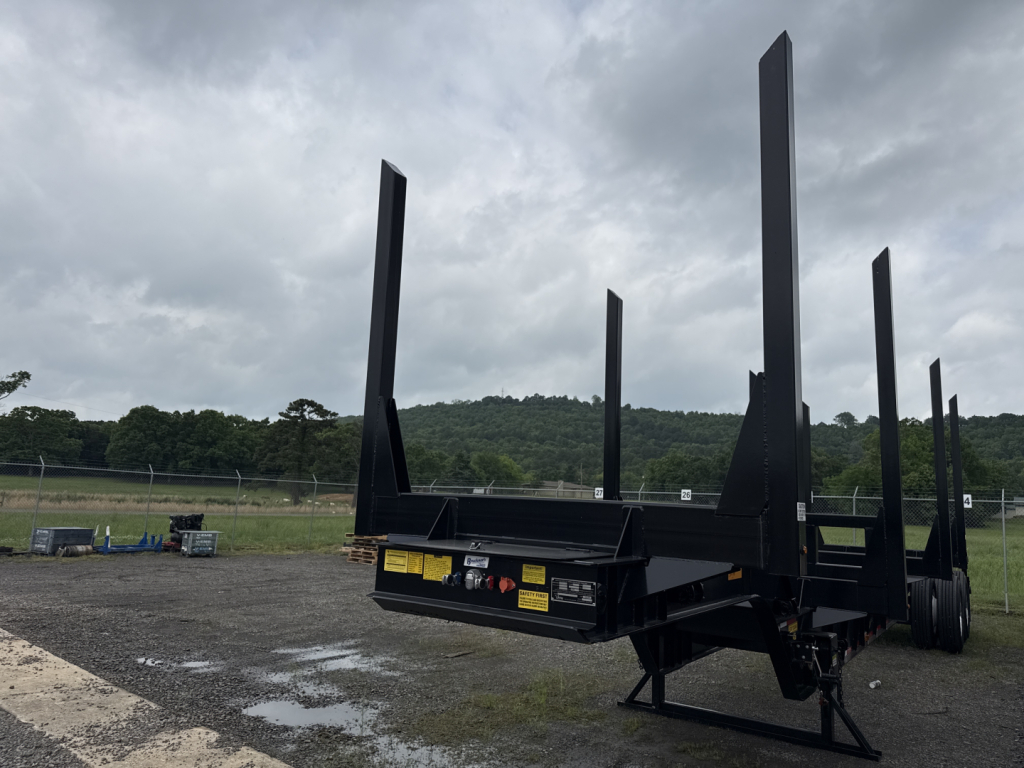
Have viking log trailer to sell? List it here to reach thousands of buyers.
About Viking Log Trailers
The bolster package is one of the first areas to study. Log trailers depend on bolster spacing, bunk height, grapple bar setup, and center section design to keep the load secure and easy to handle with loaders in the woods or at the mill. Features such as an 8-inch drop center can help with load placement and center of gravity, while a 5-inch grapple bar is a common forestry spec for repeated loading cycles. Landing gear style also matters. Winch-back landing gear is often preferred in logging service because it helps protect components in rough terrain and reduces interference during loading and unloading.
Suspension and brake choices affect both road manners and maintenance costs. Air ride can improve loaded stability and reduce shock to the trailer structure on paved segments, while logging-specific suspension designs are valued for strength on uneven haul roads. Drum brakes remain common in this class because they are familiar, serviceable, and widely supported in regional logging fleets. Tire and wheel specs also deserve attention because forestry routes are hard on sidewalls, beads, and hubs. Buyers often look for practical combinations that can stand up to off-road travel while still tracking well at highway speed between tracts, woodyards, and mills.
Viking is a recognized name in the logging segment, and many buyers look for options that support payload management and day-to-day field use, including load cells, electronics, straps, and durable finish choices. When comparing Viking log trailers for sale, it helps to think in terms of the wood being hauled, average haul distance, and how often the trailer leaves improved roads. A lighter plantation trailer may maximize legal payload in pine operations, while a heavier-duty build may be the better fit for rougher access roads, repeated loader contact, and mixed timber service. The right trailer is the one that matches axle rating, frame design, bolster arrangement, and suspension to the realities of the tract and the mill.
Frequently Asked Questions
What are the most important specs to compare on a Viking log trailer?
The most important specs are trailer length, number and spacing of bolsters, axle rating, suspension type, tare weight, brake setup, and tire size. These factors directly affect legal payload, load stability, maneuverability in the woods, and maintenance cost. Buyers should also review center section design, grapple bar size, landing gear style, and any onboard load cell or electronic systems, since those details can make a meaningful difference in daily logging operations.
Is a lightweight Viking log trailer better for timber hauling?
A lightweight log trailer can be a major advantage when payload is the priority, especially in plantation or pine operations where road conditions are more predictable and every extra pound of legal wood matters. The tradeoff is that the lightest build is not always the best match for severe off-road conditions or repeated abuse on rough landings. The better choice depends on the haul environment, species, average log length, and how much time the trailer spends on unimproved roads.
Why do many log trailers use tandem 25,000 lb axles?
Tandem 25,000 lb axles are common because they offer a strong balance of capacity, durability, and parts availability for regional timber hauling. This setup works well for typical log trailer applications and is widely understood by maintenance shops and fleet managers. It also supports stable load distribution when paired with the right bolster layout and suspension, which is important for both legal compliance and predictable handling.
What suspension works best on a log trailer?
The best suspension depends on where the trailer runs. Air ride is often chosen for improved loaded ride quality, better highway manners, and reduced vibration transferred into the trailer and load. More rugged logging-oriented suspension designs may be preferred where forest roads are rough, muddy, or deeply rutted and impact resistance matters more than ride quality. Buyers should match the suspension to the percentage of off-road travel and the severity of the terrain.
Are load cells useful on a Viking log trailer?
Load cells can be very useful because they help operators estimate payload more accurately before leaving the landing. That can reduce the risk of overloading, improve legal compliance, and make dispatch planning more efficient. In operations where payload is closely managed and haul distances are long, onboard weighing systems can save time and reduce guesswork across multiple loads per day.