
Used Traveling Axle Trailers For Sale
Browse used traveling axle trailers with low load angles, hydraulic axle travel, and heavy-haul specs for equipment transport.
Learn moreBrowse Traveling Axle Trailers by Make


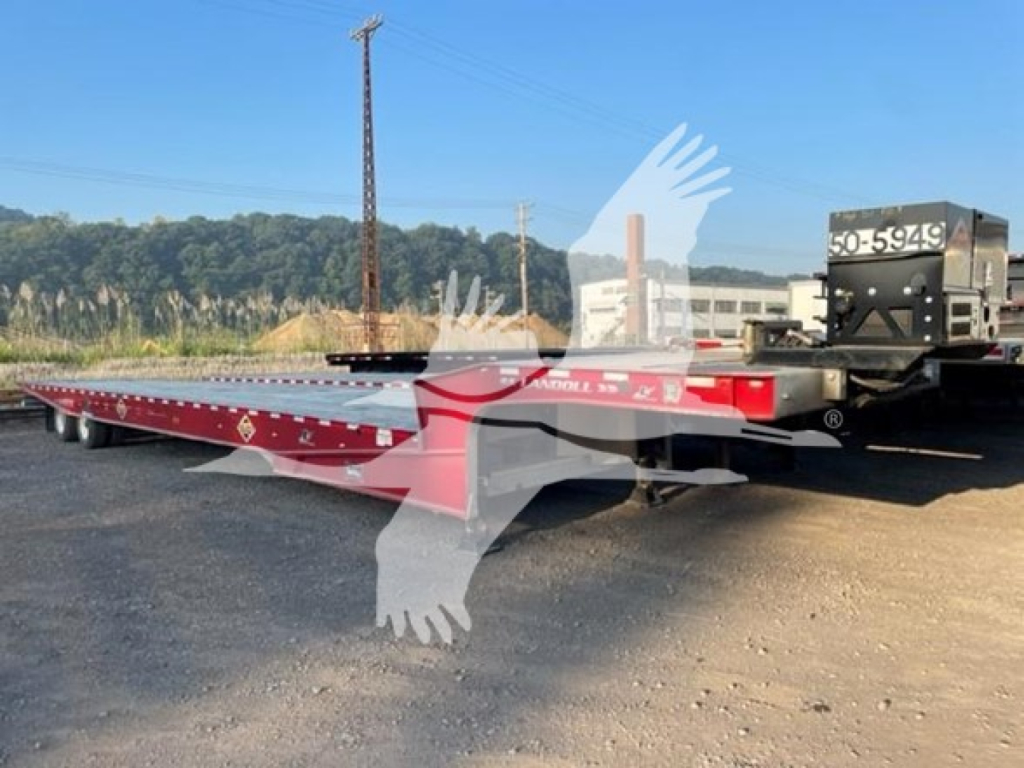
Have used traveling axle trailer to sell? List it here to reach thousands of buyers.
About Used Traveling Axle Trailers
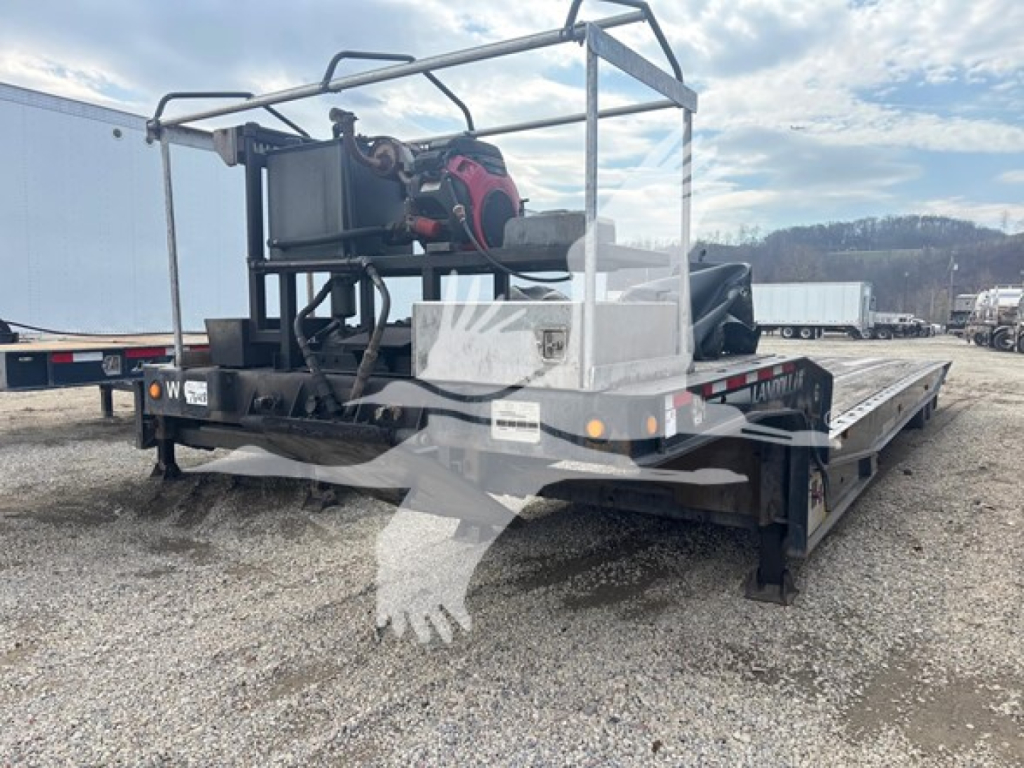
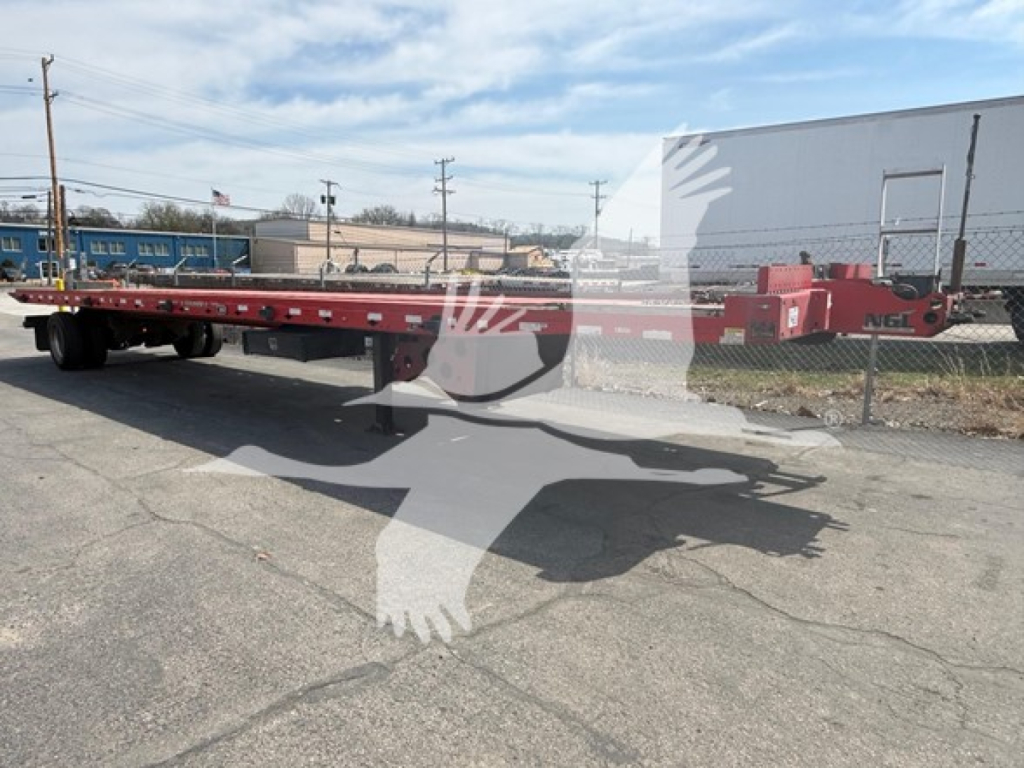
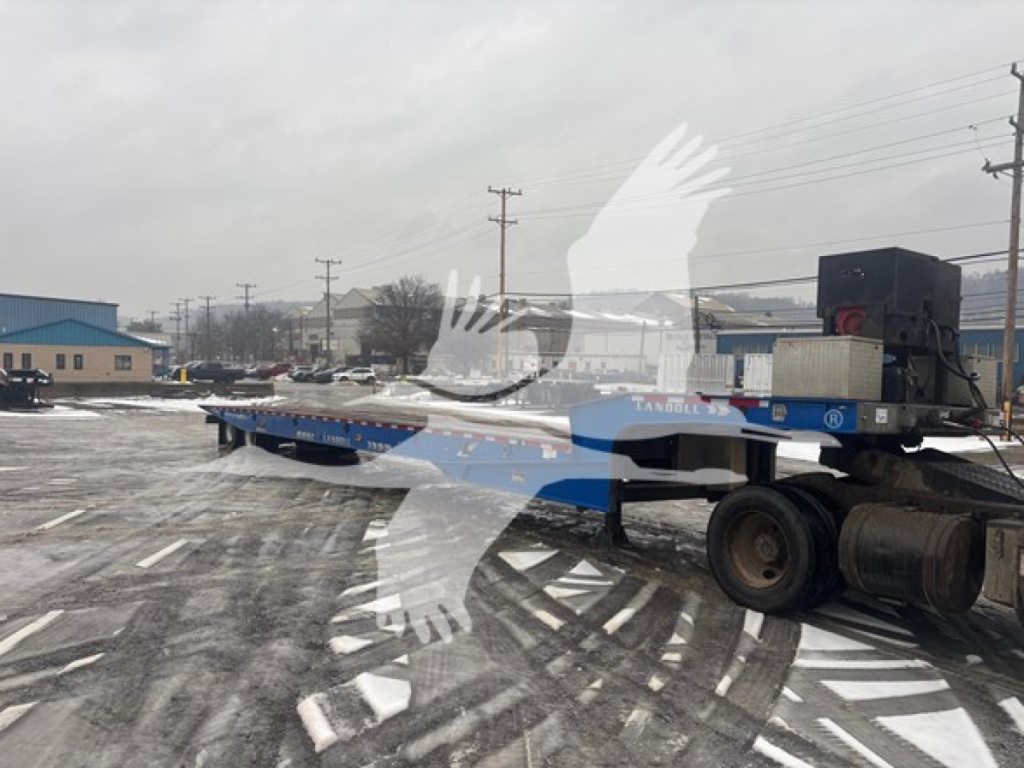
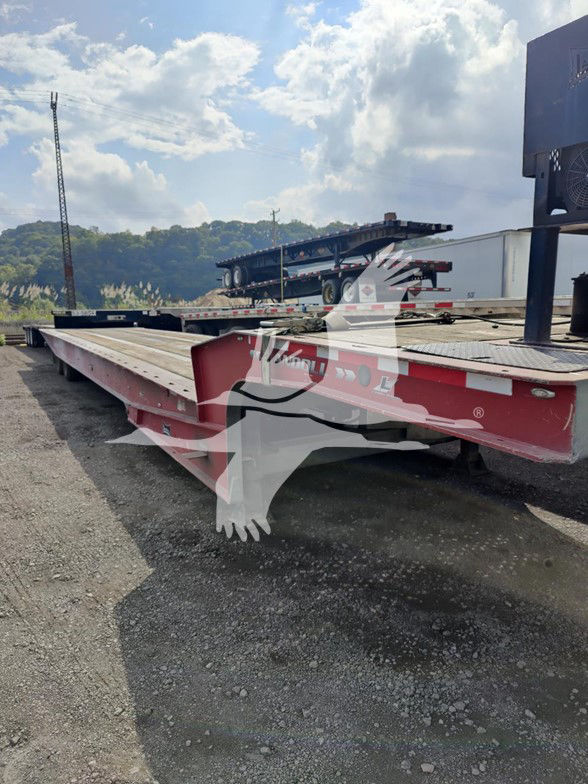
The spec decisions that matter most are capacity, deck length, axle configuration, suspension, and hydraulic system layout. Common used traveling axle trailers range from about 42 to 53 feet long and 102 inches wide, with top decks around 9 feet and main decks that can stretch into the 30- to 40-foot range. Many are tandem axle units, though single axle models exist for lighter applications. Air ride suspension is common on higher-spec trailers because it improves ride quality for sensitive equipment, while spring ride can be simpler and lower cost. Buyers should also compare kingpin setting, swing clearance, crossmember spacing, load angle, and tie-down layout. Features like double keyhole chain slots, stake pockets, D-rings, scuff-resistant steel side rails, and upper deck toolboxes make a real difference in daily use.
Hydraulics are central to how a traveling axle trailer performs. Some units run from tractor wet kits, while others use a self-contained pony motor for independent operation. A 20,000-lb hydraulic winch is a common setup and is valuable when loading disabled, wheeled, or marginal-running equipment. Wireless remotes, quick couplers, centralized grease systems, and well-maintained hydraulic cylinders can save time and reduce frustration at the jobsite. On a used trailer, pay close attention to cylinder condition, hose routing, valve response, axle travel operation, brake wear, tire age and size, landing gear condition, and deck surface. Wood decks such as apitong remain popular for traction and repairability, while steel deck sections can improve durability in high-wear areas.
Traveling axle trailers fit a broad middle ground in equipment transport. They are easier and faster to load than many fixed deck trailers, and they avoid some of the complexity of detachable goosenecks when the freight does not require a true lowboy. Galvanized components are worth noting on used units operating in northern climates or corrosive environments because they can extend service life and improve long-term appearance. For buyers comparing listings, the best trailer is usually the one whose deck height, load angle, hydraulic setup, and securement layout match the machines being hauled every week, not just the maximum rated payload on paper.
Frequently Asked Questions
What is a traveling axle trailer used for?
A traveling axle trailer is used to haul equipment that benefits from a low loading angle and low deck height. The axle assembly moves hydraulically to lower the rear of the trailer, making it easier to load machines with low ground clearance such as rollers, pavers, forklifts, sweepers, skid steers, and compact construction equipment. It is a common choice for contractors, rental fleets, paving crews, and equipment haulers that need faster loading than a fixed deck trailer can provide.
What should I inspect first on a used traveling axle trailer?
Start with the hydraulic system, axle travel function, structural condition, and running gear. Check for cylinder leaks, worn pins and bushings, damaged hoses, slow or uneven axle movement, and any signs of frame stress around the transition and suspension mounting points. Then inspect brake lining, tire condition, wheel ends, suspension components, deck wear, winch operation, landing gear, lighting, and securement points. On this trailer type, a clean and responsive hydraulic system is just as important as the frame and axle ratings.
Is air ride or spring ride better on a traveling axle trailer?
Air ride is often preferred when ride quality, cargo protection, and trailer stability matter most, especially for more valuable or vibration-sensitive equipment. Spring ride is mechanically simpler and can be less expensive to maintain, which appeals to some buyers running lighter or less delicate loads. The better choice depends on the equipment being hauled, the road conditions, and how many miles the trailer will see. On the used market, overall suspension condition matters more than the label alone.
Why does load angle matter on a traveling axle trailer?
Load angle directly affects what equipment can be loaded safely without dragging, hanging up, or requiring extra blocking. A shallower angle, often around 6.5 degrees on many hydraulic tail trailers, is better for low-clearance machines and reduces the risk of undercarriage contact during loading. If your fleet regularly moves paving equipment, aerial lifts, or machines with long wheelbases and limited approach clearance, load angle should be one of the first specs you compare.
How does a traveling axle trailer compare with a detachable lowboy?
A traveling axle trailer is generally faster and simpler for routine equipment hauling where a very low deck height is not required. It offers easy rear loading, a useful main deck length, and less coupling complexity than a detachable gooseneck. A detachable lowboy is usually the better fit for taller, heavier, or more specialized machinery that needs the lowest possible deck or concentrated weight distribution. Many fleets choose a traveling axle trailer for frequent medium-duty equipment moves and keep lowboys for more demanding heavy-haul work.