
Used Trailers For Sale in Ontario
Browse used trailers for sale in Ontario, including dry vans, reefers, hopper trailers, and more with specs that fit freight, ag, and fleet needs.
Learn morePopular Trailers Categories
Have used trailer to sell? List it here to reach thousands of buyers.
About Used Trailers in Ontario
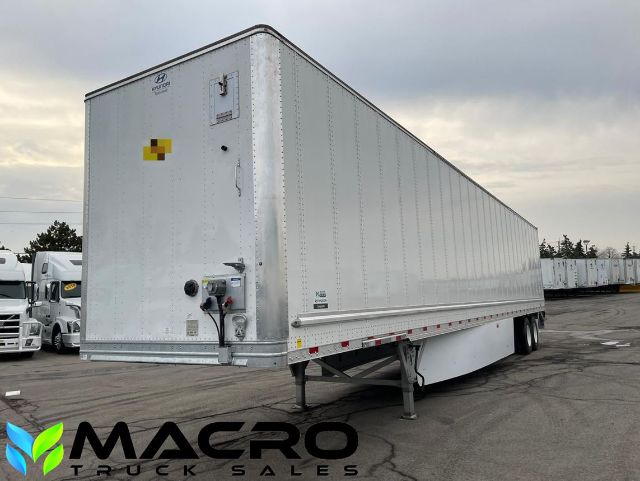
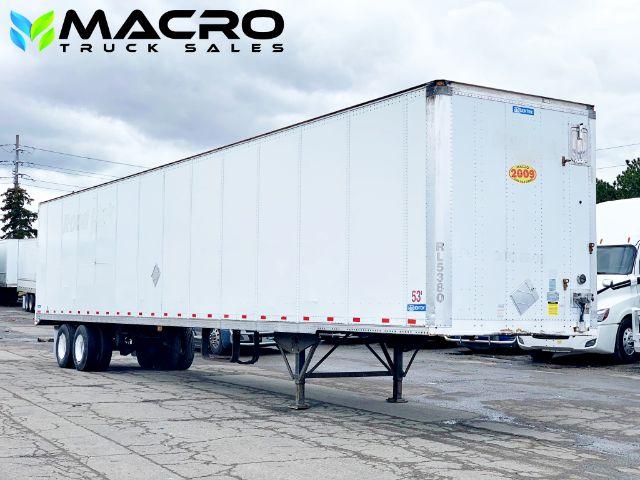
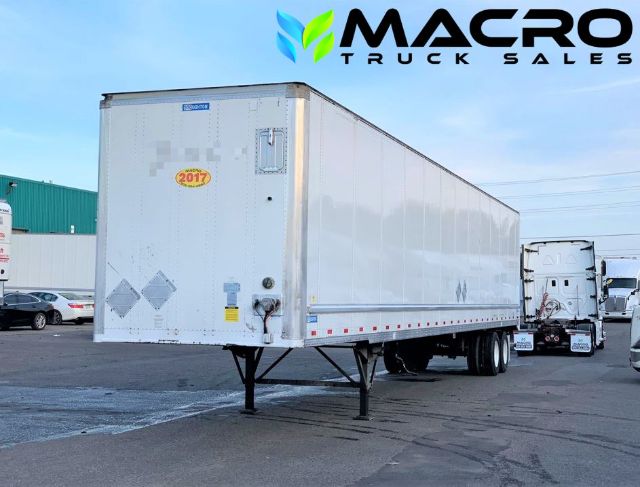
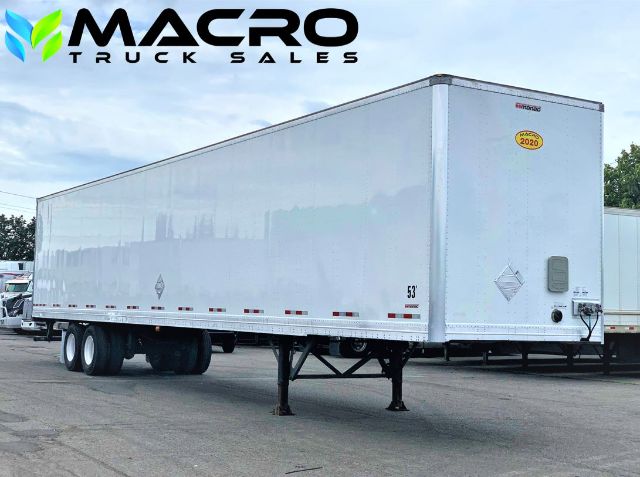
Dry vans remain one of the most common used trailer types because they handle palletized freight, retail loads, packaged goods, and general dock-to-dock freight efficiently. Important details include aluminum or composite side construction, scuff liners, logistics posts or E-track, wood versus aluminum flooring, swing or roll-up rear doors, and the condition of the roof, rear frame, and crossmembers. Reefer trailers add another layer of inspection because buyers need to evaluate both the trailer body and the refrigeration unit. Unit brand, reefer hours, CARB compliance, start-run capability, chute condition, duct floor integrity, insulation performance, and door seal condition all affect long-term operating cost. For Ontario fleets running produce, frozen freight, pharmaceuticals, or foodservice, reefer history and maintenance records matter as much as the trailer shell.
Agricultural and bulk-haul buyers often focus on hopper trailers, where body material, side height, hopper design, tarp system, suspension, and wheel spec have a direct effect on payload and daily usability. Aluminum grain hoppers are common for moving corn, soybeans, wheat, and other commodities, and buyers should inspect trap doors, seals, subframe condition, landing gear, catwalks, ladders, and tarp operation before purchase. In a used trailer listing, tandem position matters too. Closed tandem and fixed setups can be simple and durable, while sliding tandems give more flexibility for bridge laws and load distribution on mixed routes. Across all trailer types, tire inflation systems, disc or drum wheel-end specs, side skirts, undertray systems, and aerodynamic options can signal a trailer that was ordered for higher-mileage fleet service.
Ontario buyers should also consider corrosion exposure, especially on trailers that have spent time in winter road salt conditions. Frame rust, landing gear wear, brake and air system condition, wiring health, and floor damage around high-traffic forklift zones can turn a low-price trailer into a higher-cost asset. A strong used trailer candidate usually shows consistent maintenance, straight rails, solid rear structure, even tire wear, and specs that fit the freight it will haul most often. When comparing multiple listings, the best value is usually the trailer with the right application fit and the lowest expected downtime, not simply the newest unit.
Frequently Asked Questions
What should I inspect first on a used trailer?
Start with the structure and running gear. Check the frame, crossmembers, suspension, axle alignment, brakes, wheel ends, tires, and landing gear before focusing on cosmetic items. On van and reefer trailers, inspect the floor, roof, sidewalls, rear frame, and door openings for damage from forklifts, dock contact, or prior repairs. Structural condition and maintenance history usually matter more than paint or model year.
What is the difference between a dry van trailer and a reefer trailer?
A dry van is designed for general freight that does not require temperature control, while a reefer trailer is insulated and equipped with a refrigeration unit for chilled or frozen cargo. Reefer trailers typically have duct floors, insulated walls, tighter door seals, and higher maintenance requirements because the cooling unit must be serviced along with the trailer itself. Dry vans are usually lighter and simpler to maintain, but they are not suitable for temperature-sensitive freight.
Why does a sliding tandem matter on a used trailer?
A sliding tandem allows the axle group to move forward or rearward to help manage bridge law compliance, kingpin-to-rear-axle measurements, and axle weight distribution. This is especially useful for fleets operating across different jurisdictions or loading variable freight. On a used trailer, buyers should make sure the slider mechanism, pins, rails, and air release system work properly because slider repairs can become expensive if the system is worn or seized.
Are tire inflation systems worth having on a used trailer?
Tire inflation systems can reduce irregular tire wear, help maintain proper inflation pressure, and lower the risk of roadside failures. For high-mileage van and reefer operations, they can support better uptime and more predictable maintenance intervals. On a used trailer, the value depends on condition. A working system is a plus, but damaged hoses, leaking components, or neglected hardware should be factored into the total cost of ownership.
What matters most when buying a used hopper trailer?
Payload capacity, body condition, and discharge system performance are usually the top concerns. Buyers should examine the hopper bottoms, trap doors, seals, tarp system, subframe, suspension, and ladder and catwalk areas for cracks, wear, and corrosion. Material choice also matters. Aluminum hoppers are popular because they help maximize payload, but the trailer still needs to be checked carefully for structural fatigue and repair quality in high-stress areas.