
Used Peterbilt Vacuum Tank Trucks For Sale
Browse used Peterbilt vacuum tank trucks for sale. Compare tank size, vacuum system, chassis specs, PTO setup, and jobsite-ready features.
Learn moreNo exact matches found for your search
Showing Used Vacuum Tank Trucks instead.
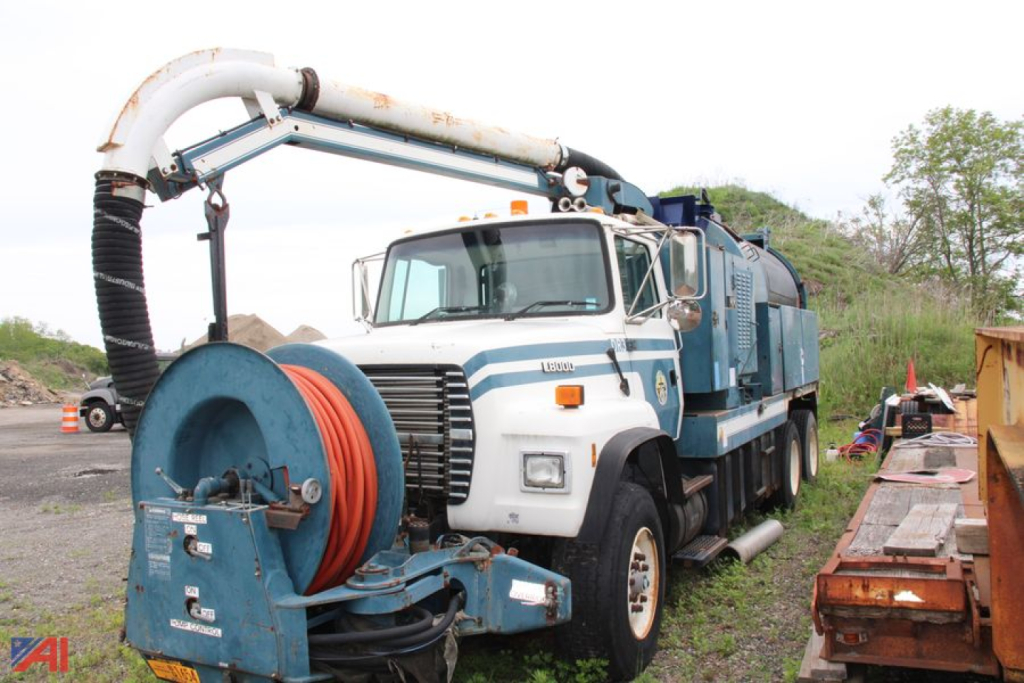
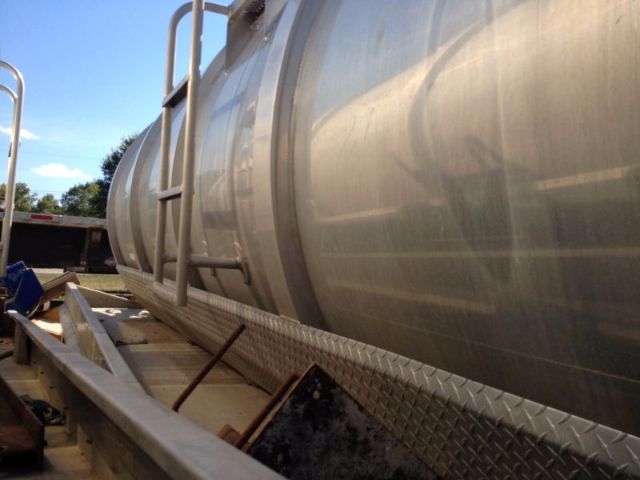
Have used peterbilt vacuum tank truck to sell? List it here to reach thousands of buyers.
About Used Peterbilt Vacuum Tank Trucks
The first buying decision is usually application-specific. A septic or municipal vacuum tank truck may prioritize usable tank volume, rear hose access, washout design, and weight distribution. An industrial unit may need heavier-duty filtration, corrosion-resistant tank construction, and stronger vacuum performance for sludge, grit, or wet material. Buyers should look closely at tank material, compartment layout, and rated capacity in both liquid and debris handling roles. It also pays to confirm whether the truck is set up as a straight vacuum tanker or as a combo-style unit with water capacity and jetting equipment, since service demands and maintenance costs differ substantially between the two.
On the chassis side, Peterbilt vacuum trucks are often spec'd with diesel engines from PACCAR or Cummins, manual or automatic transmissions, and axle ratings suited to full tank loads. Wheelbase, suspension, and bridge law considerations all affect legal payload and maneuverability. PTO engagement, hydraulic system condition, and driveline alignment deserve close attention because vacuum trucks spend a lot of time operating stationary under load. On used units, hours on the vacuum pump or blower can matter as much as engine miles. Service records for the blower, pump oiling system, relief valves, hatch seals, and tank pressure testing are especially valuable. Rust, prior weld repairs, and signs of internal tank corrosion should be checked carefully, particularly on trucks that handled aggressive waste streams.
A well-matched used Peterbilt vacuum tank truck can offer strong value if the chassis and vacuum system have been maintained together rather than treated as separate assets. Buyers should verify hose size, boom reach if equipped, rear door or hydraulic opening design, cleanout access, and the condition of the primary shutoff and secondary safety system. For many operators, uptime depends on simple details such as easy filter access, dependable PTO controls, and a tank design that cleans out quickly between jobs. When comparing listings, focus less on badge alone and more on the total package: chassis spec, vacuum performance, legal loaded weight, and how the truck's tank and plumbing are configured for the exact type of waste or recovery work it will handle.
Frequently Asked Questions
What should I inspect first on a used Peterbilt vacuum tank truck?
Start with the vacuum system and tank condition, then evaluate the chassis. Check the blower or pump for operating hours, oiling condition, unusual noise, and evidence of overheating. Inspect the tank for corrosion, weld repairs, dents, hatch sealing surfaces, and any documentation for pressure or vacuum testing. After that, review engine, transmission, PTO engagement, suspension, brakes, and axle ratings to make sure the truck can legally and reliably carry a full load.
How important is tank capacity on a vacuum tank truck?
Tank capacity is important, but usable payload matters more than advertised volume alone. A larger tank can increase productivity, but only if axle ratings, wheelbase, suspension, and local weight laws allow the truck to haul that volume legally when full. Buyers should compare liquid capacity, debris capacity if applicable, and the loaded weight of the specific waste stream being hauled. A properly balanced smaller tank can be more profitable than an oversized tank on an under-specced chassis.
Are Peterbilt vacuum trucks used only for septic work?
No. Peterbilt vacuum tank trucks are used across septic service, municipal sewer maintenance, grease trap pumping, industrial cleanup, environmental recovery, catch basin service, and some hydro excavation support roles. The exact application depends on the tank design, filtration setup, vacuum source, hose arrangement, and whether the truck includes water storage or jetting equipment. The best unit is the one configured for the material being recovered and the way jobs are performed in the field.
Do engine miles tell the full story on a used vacuum truck?
No. Engine miles are only one part of the condition picture because vacuum trucks often spend long periods operating PTO equipment while stationary. Vacuum pump or blower hours, maintenance records, and evidence of regular service on valves, seals, filters, and hydraulic components are just as important. A truck with moderate miles but neglected vacuum equipment can be a more expensive ownership proposition than a higher-mile unit with strong service history.
What chassis specs matter most when comparing used Peterbilt vacuum tank trucks?
Key chassis specs include axle ratings, wheelbase, engine horsepower and torque, transmission type, PTO compatibility, suspension, brake system, and tire capacity. These factors determine how well the truck handles a full tank, how easily it maneuvers on tight service routes, and how reliably it powers the vacuum package. Buyers should also confirm the truck's current configuration matches the intended route profile, including off-road access, bridge formula limits, and stop-and-go vocational use.