
Used Mack Conventional Daycab Trucks For Sale in Texas
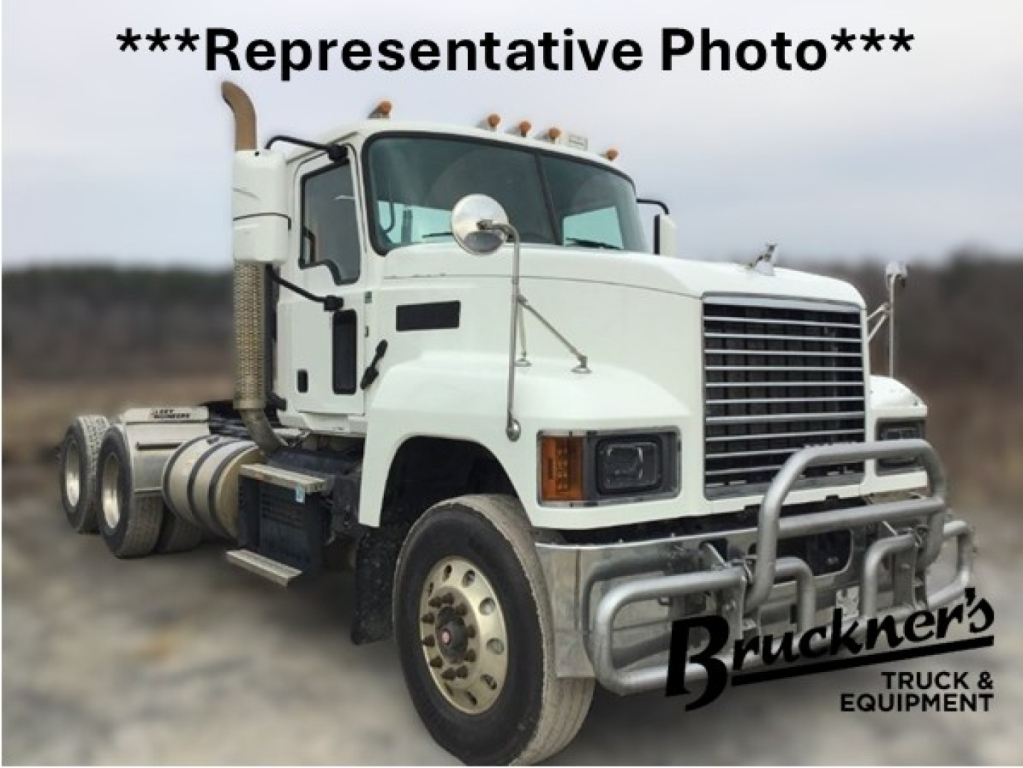
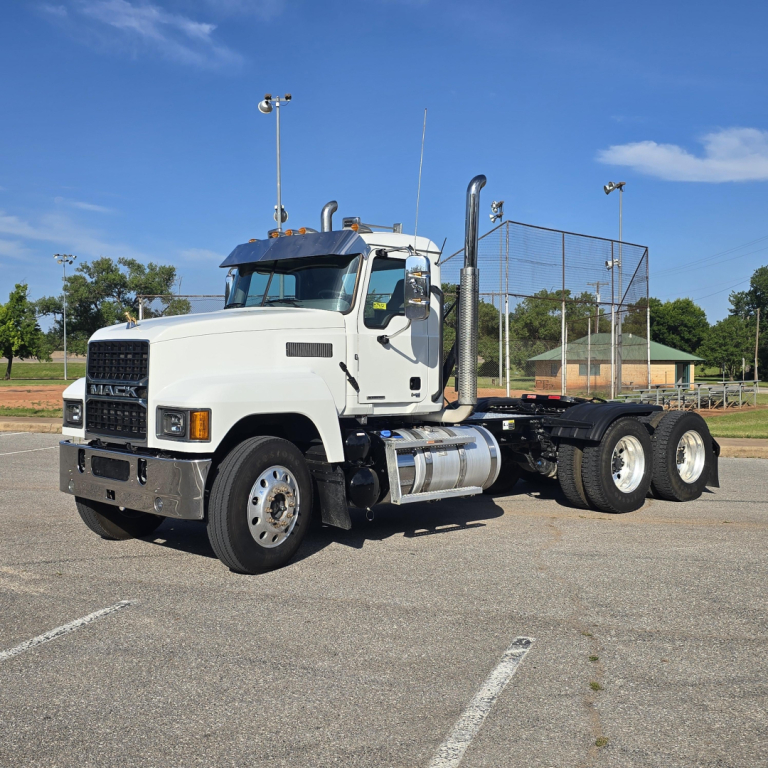
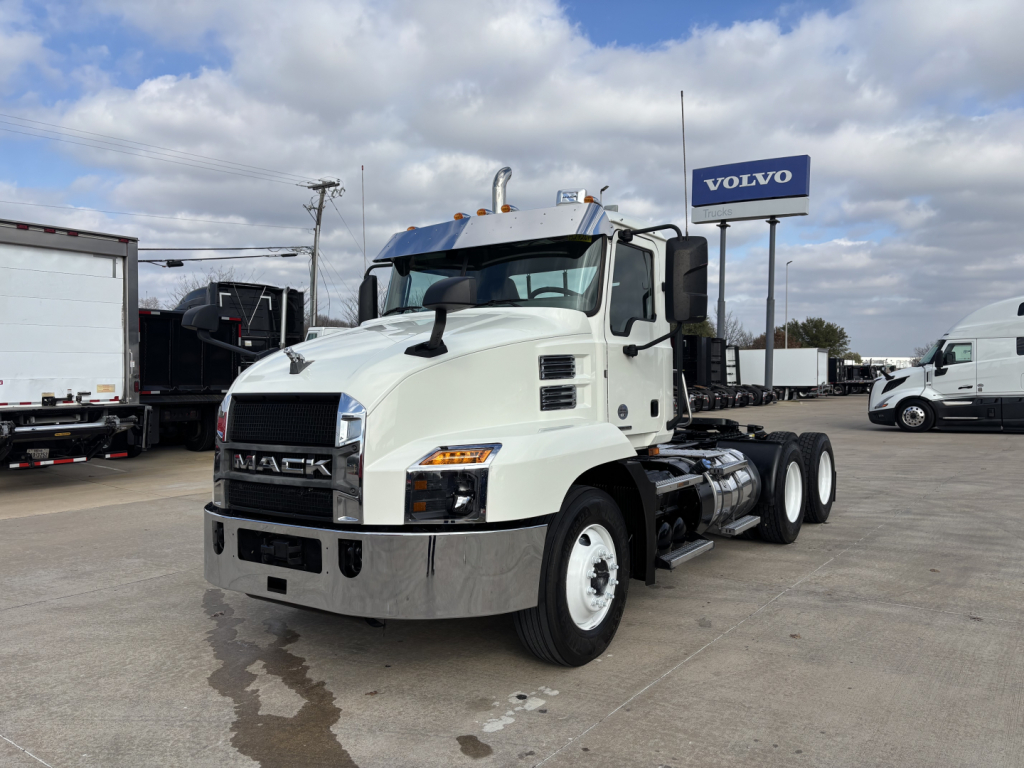
Shop used Mack conventional daycab trucks in Texas. Compare Anthem and Pinnacle specs, MP7 and MP8 engines, wheelbases, ratios, and transmissions.
Learn more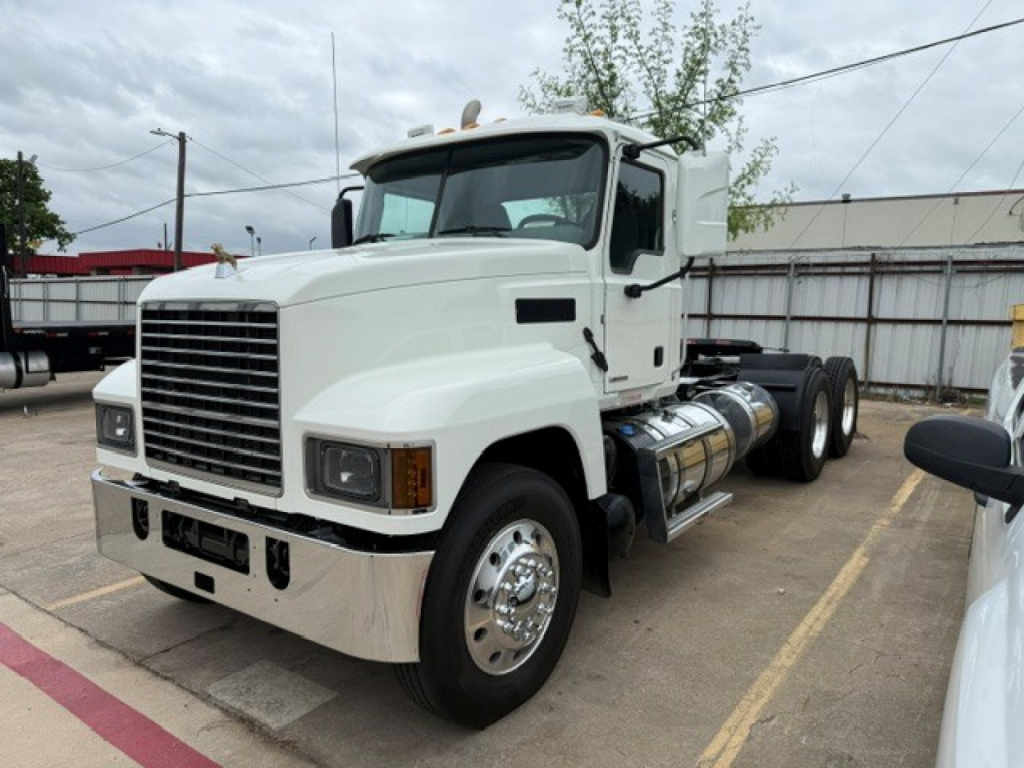

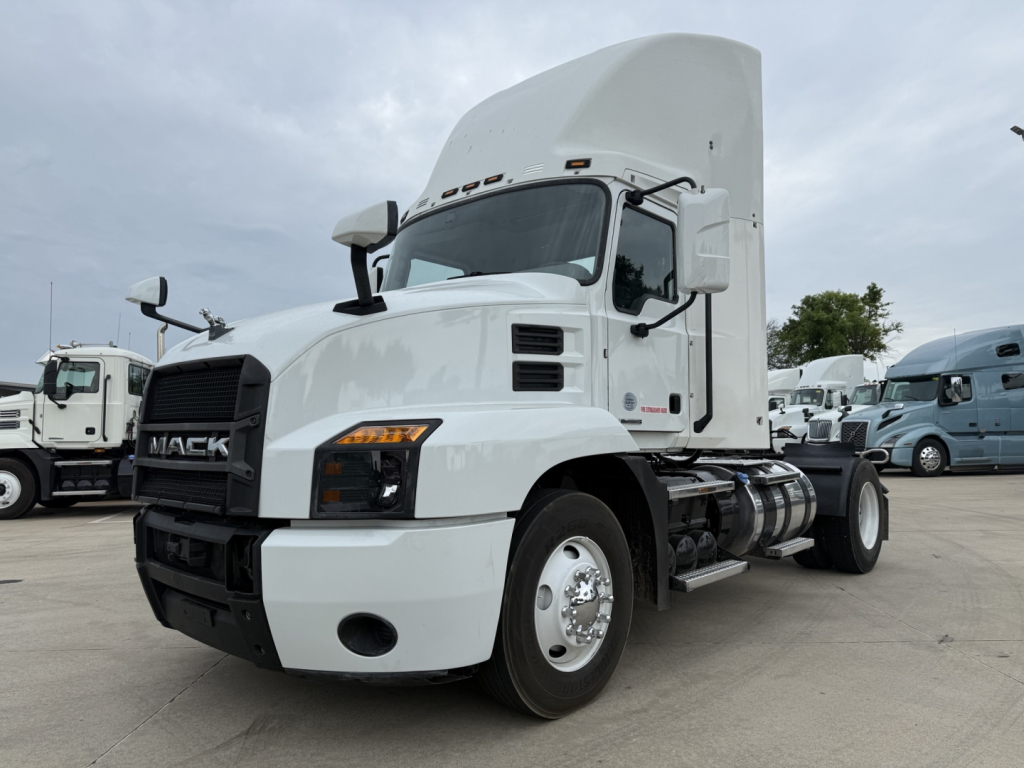
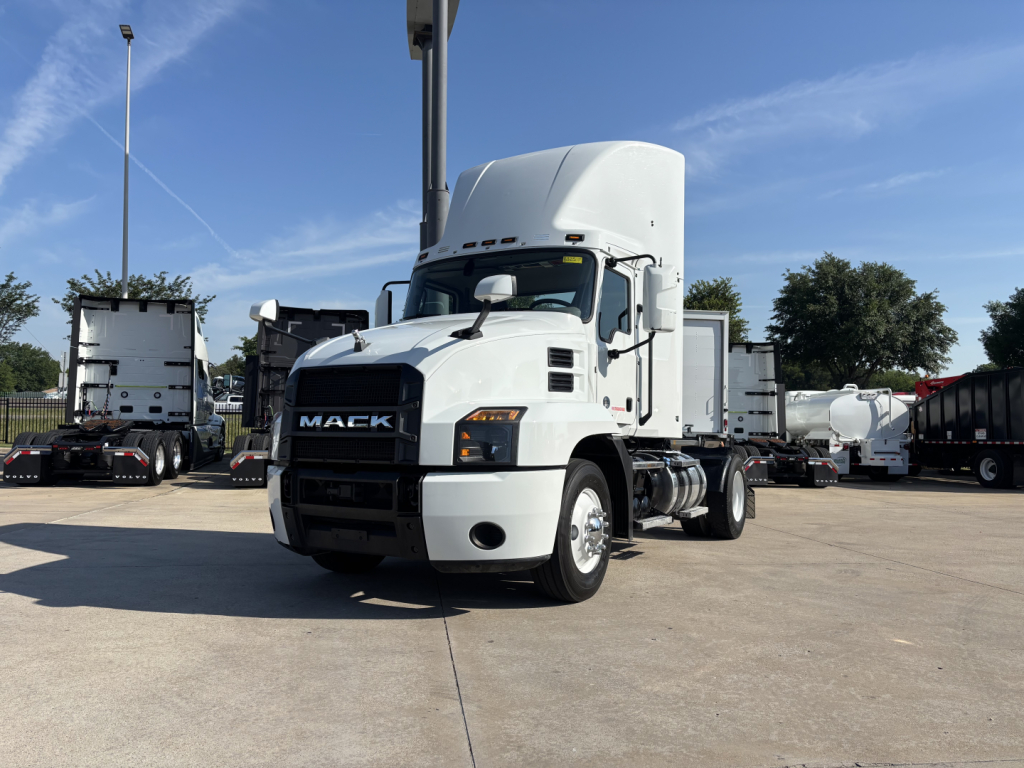
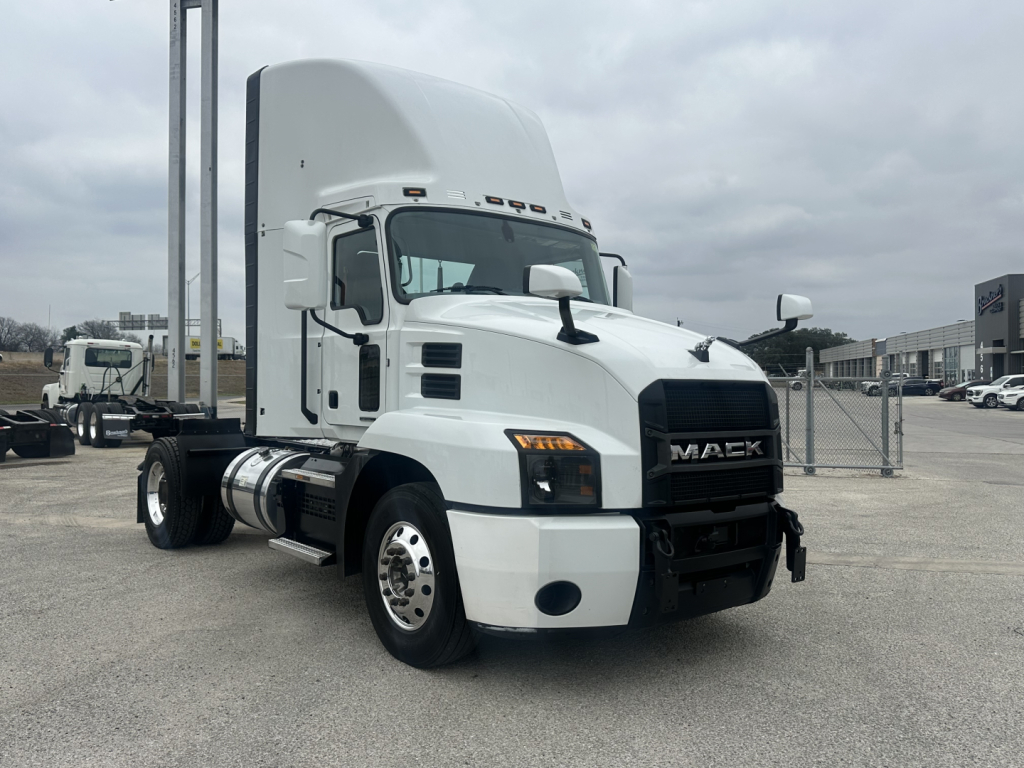
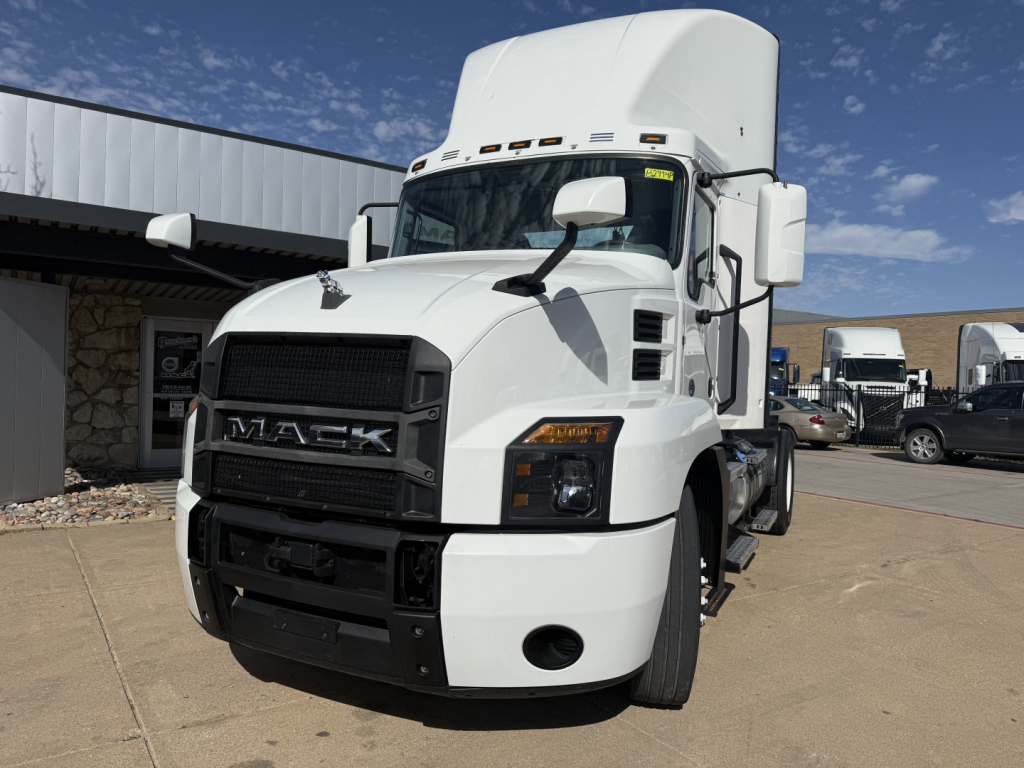
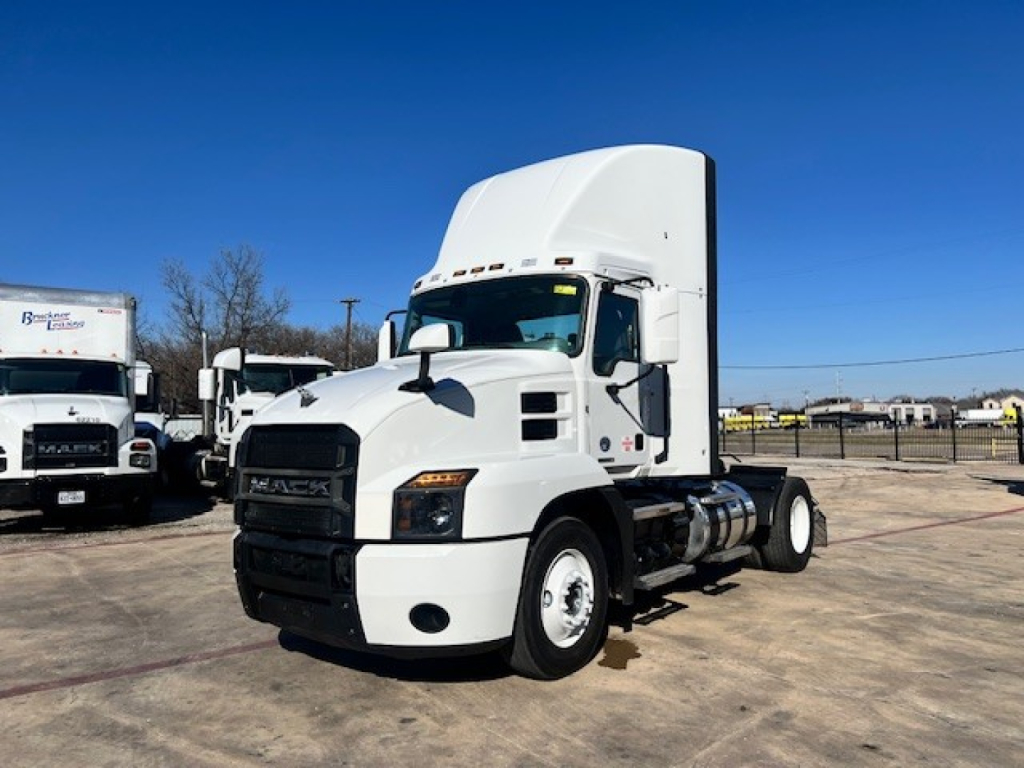
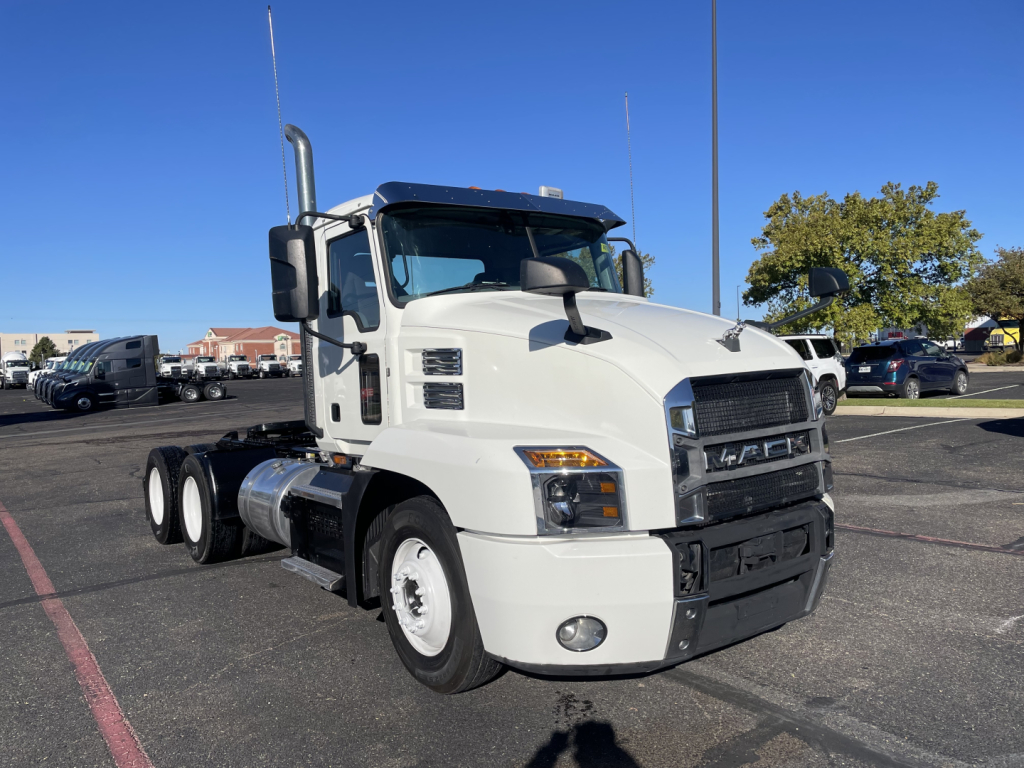
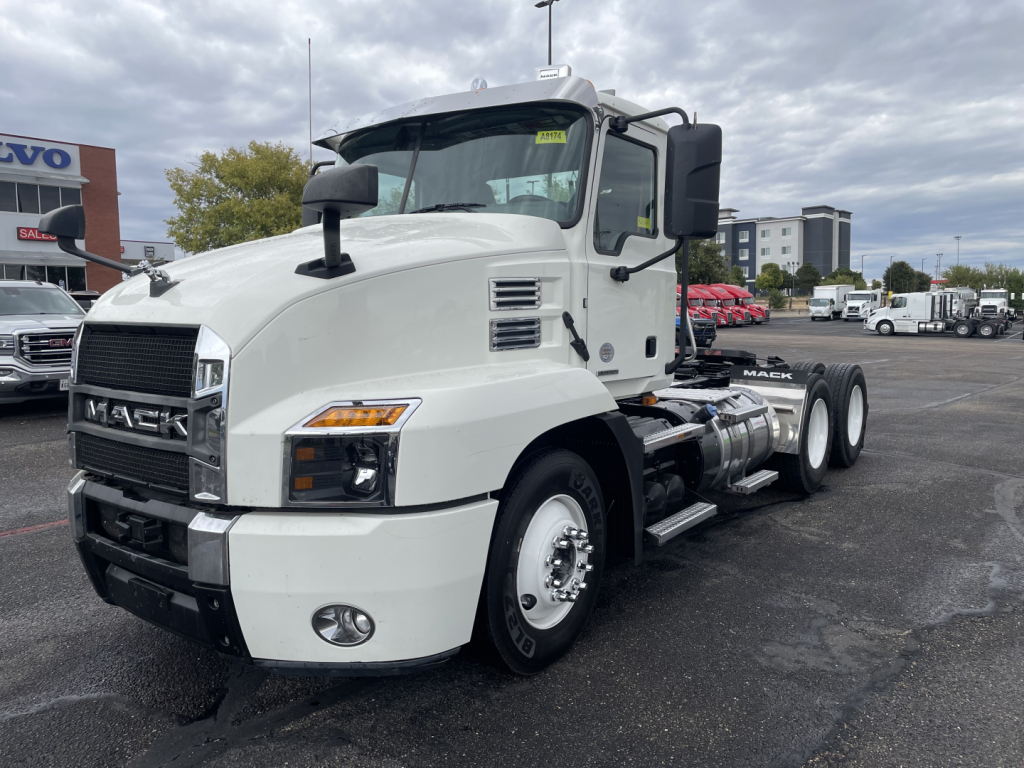
Have used mack conventional daycab truck to sell? List it here to reach thousands of buyers.
About Used Mack Conventional Daycab Trucks in Texas
The biggest buying decisions usually start with engine, transmission, axle ratio, and wheelbase. Many used Mack daycab tractors are equipped with MP7 or MP8 diesel engines. The MP7 is often chosen for lighter weight regional work and fuel-conscious fleets, while the MP8 is better suited for heavier gross weights, sustained highway pulling, and demanding applications. Transmissions commonly include Mack mDRIVE automated manuals and Eaton Fuller manual gearboxes. mDRIVE appeals to fleets looking for consistency, driver acceptance, and reduced clutch wear, while a 10-speed manual still has a place in off-road, oilfield, and vocational environments where drivers want direct shift control. Rear axle ratios such as 3.25, 3.36, and 3.73 materially affect startability, cruise RPM, and fuel economy, so they should be matched to route profile, trailer type, and typical load.
Wheelbase and suspension matter more than many buyers expect in this category. A 180-inch wheelbase can be easier to position in tight yards and urban stops, while a 213-inch wheelbase may better suit certain trailer setups, frame-mounted equipment, or weight distribution preferences. Most Mack conventional daycabs in this class use tandem rear axles with air ride suspension and common ratings around 12,000 pounds on the steer axle and 40,000 pounds on the rears. Buyers should verify fifth wheel type and placement, frame condition, PTO provisions if vocational use is planned, and how the kingpin setting of the trailers in the fleet will interact with axle spacing and cab-to-trailer clearance. Tire condition, brake life, and alignment are worth close attention on any used daycab that has spent time in city service or frequent dock work.
A used Mack daycab can be a smart value when the spec matches the job. Mack has a long reputation for rugged chassis design, good driver ergonomics, and integrated powertrain options that simplify maintenance planning. For Texas operators, it also makes sense to evaluate cooling system health, A/C performance, and emissions service history because heat, idle time, and stop-and-go duty cycles can be hard on any modern diesel platform. A careful buyer will compare mileage against idle hours, review maintenance records, and look beyond model year to see how the truck was actually spec'd. On the used market, the right Mack conventional daycab is less about badge alone and more about choosing the correct MP7 or MP8 horsepower range, transmission style, suspension, and axle ratio for the freight it will pull every day.
Frequently Asked Questions
What is the difference between a Mack Anthem daycab and a Mack Pinnacle daycab?
The Anthem is Mack’s newer highway-focused conventional platform with updated aerodynamics, interior layout, and driver comfort features. The Pinnacle is an older but well-regarded conventional design that remains popular in regional and vocational service. On the used market, both can be solid choices, but buyers should compare the actual chassis spec, engine rating, wheelbase, and transmission rather than assuming one model is automatically better for every application.
Is a Mack MP7 or MP8 better for a used daycab tractor?
It depends on the work. The MP7 is commonly selected for regional hauling and applications where fuel economy and lower operating weight matter. The MP8 is typically preferred for heavier loads, more aggressive terrain, and operations that need stronger horsepower and torque. A buyer should match the engine to average gross combination weight, route profile, and desired cruise speed rather than choosing strictly by engine size.
Should I buy a Mack daycab with mDRIVE or a manual transmission?
Mack mDRIVE automated manuals are popular because they deliver consistent shifting, reduce driver fatigue, and can help limit clutch-related wear across a fleet. A manual transmission can still make sense in vocational, off-road, or specialized heavy-haul work where drivers want more direct gear control. The best choice depends on driver pool, terrain, maintenance practices, and how much stop-and-go or jobsite work the truck will see.
What axle ratio works best in a used Mack conventional daycab?
Common ratios like 3.25, 3.36, and 3.73 each serve a different purpose. A 3.25 ratio generally favors lower highway RPM and fuel economy, while a 3.73 ratio provides stronger low-speed pulling and better startability for heavier or more demanding work. A 3.36 ratio often lands in the middle. The correct ratio should be selected based on trailer type, load weight, transmission gearing, and the percentage of highway versus local driving.
What should I inspect first on a used Mack daycab in Texas?
Start with service records, engine and aftertreatment history, transmission operation, suspension condition, and evidence of frame or fifth wheel wear. In Texas, cooling system performance and air conditioning are especially important because heat and long idle periods can expose weaknesses quickly. It is also smart to compare odometer mileage with engine hours, inspect tire wear for alignment issues, and confirm the truck’s wheelbase and axle spec fit the trailers and routes it will handle.