
Used Load King Dump Trailers For Sale
Used Load King dump trailers for hauling rock, aggregate, asphalt, and dirt. Compare frameless end dumps and bottom dumps by body style and spec.
Learn more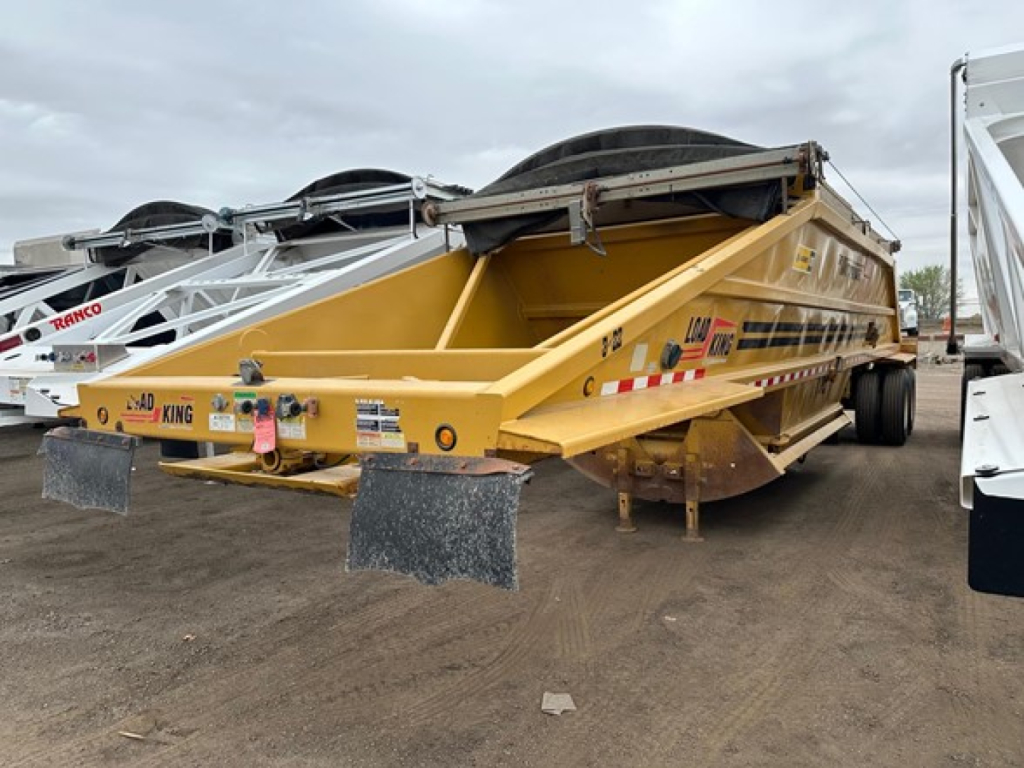
Have used load king dump trailer to sell? List it here to reach thousands of buyers.
About Used Load King Dump Trailers
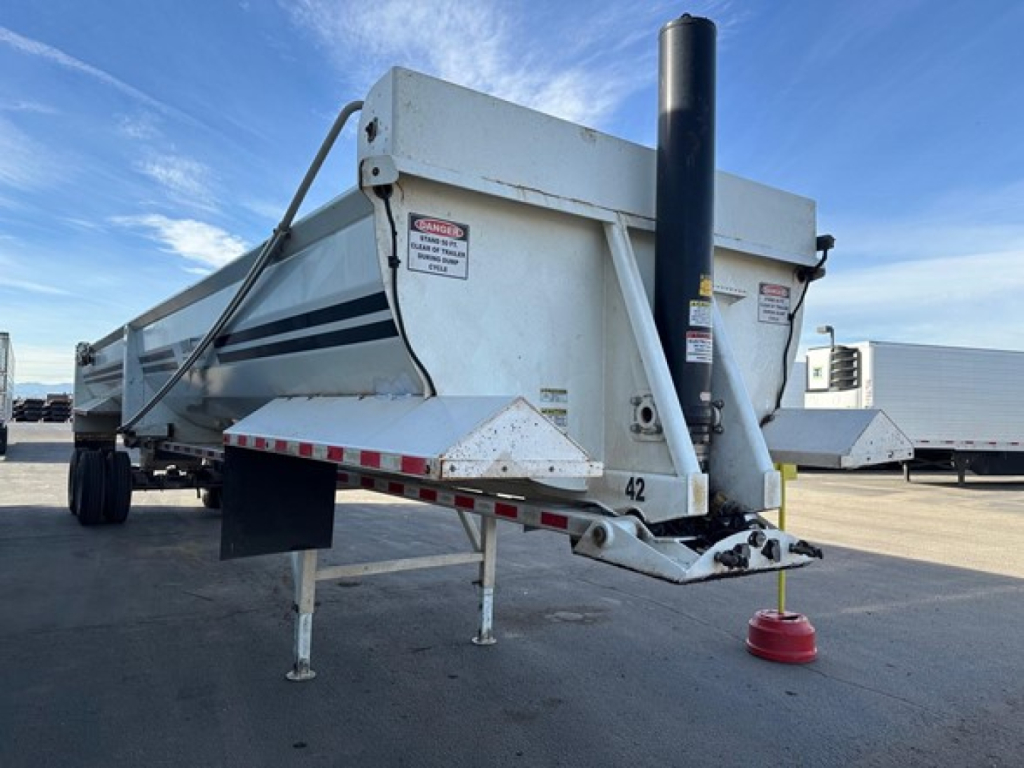
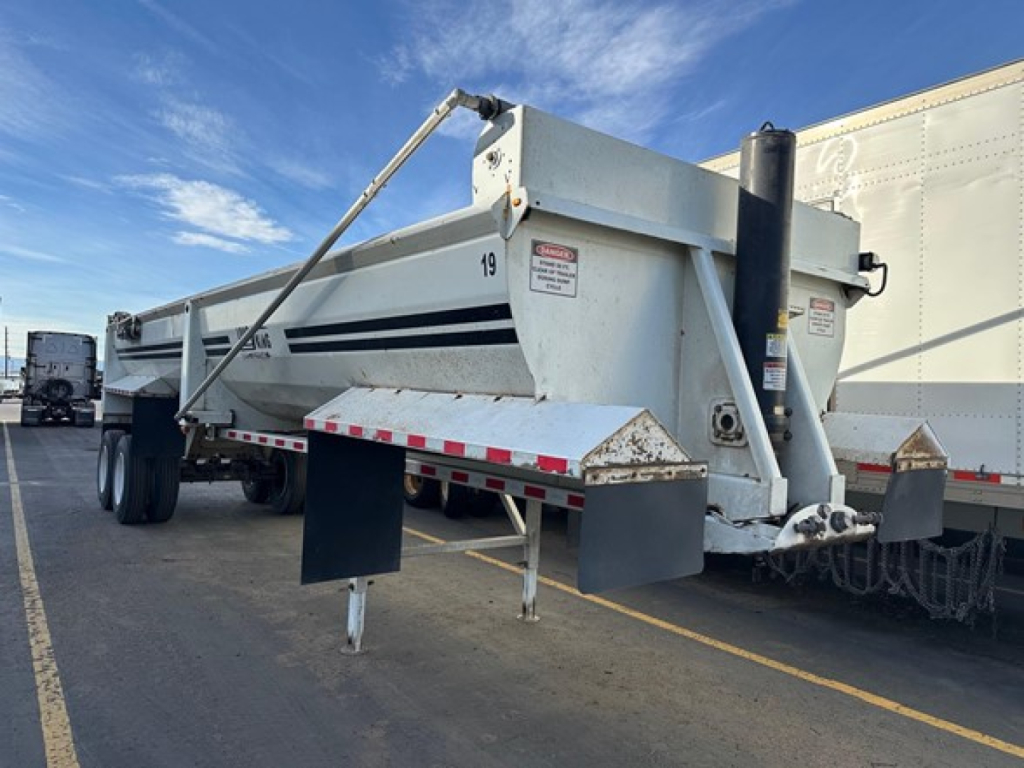
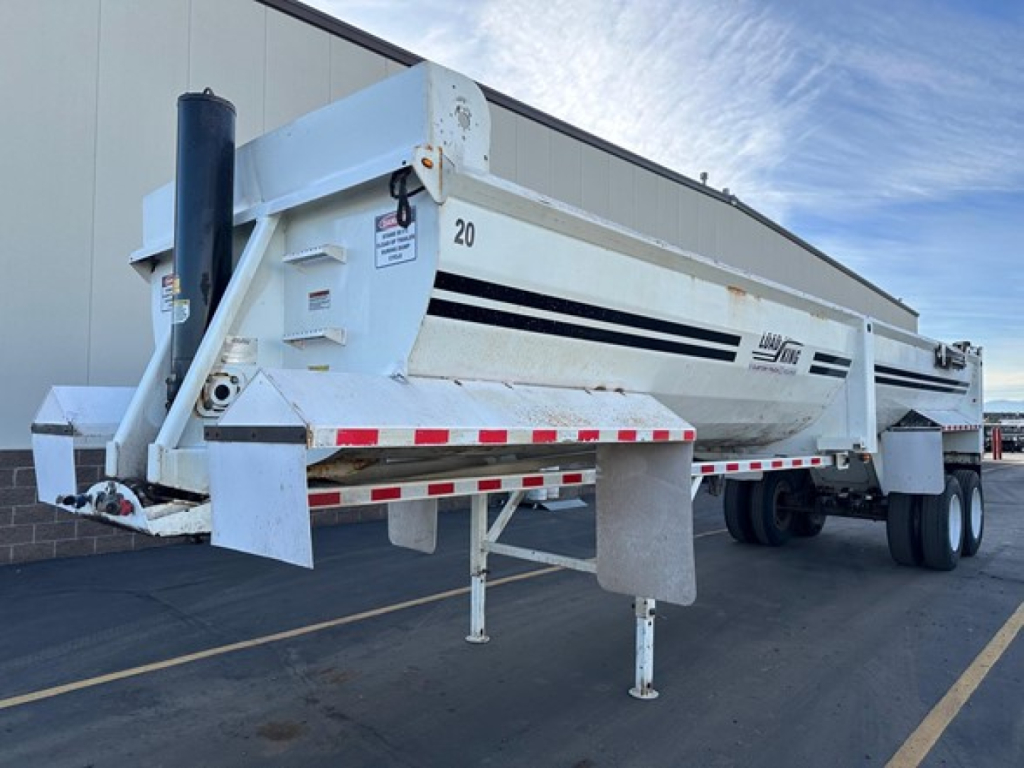
The first buying decision is body style because it drives how the trailer performs on the jobsite. Frameless end dumps typically offer strong payload potential and a simple structure, but they put more emphasis on trailer balance, suspension condition, and tub integrity. On used Load King units, common specs include 34-foot to 40-foot lengths, steel construction, tandem axle layouts, air ride suspension, single-point suspension dumps, high-lift gates, electric flip tarps, and wheel packages with either steel or aluminum outer wheels. Bottom dumps often show up with single hopper configurations, electric slide tarps, bang boards, windrow deflectors, closed tandem setups, and heavy-duty push blocks. Tire size can vary, with 11R22.5 and 11R24.5 both common depending on fleet preference and ride height targets.
For a used buyer, structural condition matters more than cosmetic appearance. On a Load King end dump, pay close attention to the tub floor, sidewall radius, upper rail, crossmember area, hinge points, draft arms, and hoist saddle or cylinder mounting points. Stress cracking, weld repairs, and floor distortion can tell you a lot about prior rock service and loading practices. On bottom dumps, inspect the hopper doors, gate seals, linkage, operating controls, and trap alignment since material metering is the whole point of the trailer. Also verify tarp operation, air system condition, brake wear, kingpin area integrity, suspension bushing condition, and signs of frame twist from off-road use.
Load King dump trailers tend to appeal to buyers who need purpose-built hauling equipment rather than a general commodity trailer. A half-round frameless rock tub is usually the better fit for severe aggregate service and sticky material that needs clean discharge. A bottom dump is usually the better fit when the job requires even spread patterns and quick unloading without raising the body. Matching the trailer to the material, haul road conditions, and unloading method is what protects productivity and resale value. A well-kept used Load King dump trailer can still be a very efficient spec when the body style, gate configuration, suspension, and tire package are right for the work.
Frequently Asked Questions
What is the difference between a Load King end dump and a Load King bottom dump?
A Load King end dump unloads by raising the body and discharging material out the rear, which makes it a strong choice for rock, demolition debris, dirt, and other bulk material that needs a fast dump cycle. A Load King bottom dump unloads through hopper gates underneath the trailer, which allows controlled placement of gravel, base, and other road material while the trailer keeps moving. End dumps are typically preferred for quarry and excavation work, while bottom dumps are often preferred for paving support, road building, and windrow applications.
Are frameless Load King dump trailers good for rock hauling?
Frameless Load King dump trailers are widely used in rock service because the design can reduce trailer weight and support strong payload capacity. Many are built with steel half-round tubs that help material release cleanly and hold up well in abrasive applications. The tradeoff is that used buyers need to inspect the tub, hinge assembly, suspension, and kingpin area carefully because frameless trailers transfer operating stress differently than full-frame designs, especially in rough off-road conditions.
What should I inspect first on a used Load King dump trailer?
Start with the structure and the dump system. Check the tub or hopper for cracks, patches, bowed panels, floor wear, and repaired welds. Then inspect the gate hardware, hinges, cylinders or air-operated controls, tarp system, suspension, brakes, tires, and wheel ends. On bottom dumps, proper gate alignment and door operation are critical. On end dumps, look closely at the rear hinge area, hoist mounting points, and any sign the body has been overloaded or dumped on uneven ground.
What lengths and specs are common on used Load King dump trailers?
Used Load King dump trailers in this category commonly appear in the mid-30-foot to 40-foot range, with tandem axle layouts, air ride suspension, steel bodies, and either 11R22.5 or 11R24.5 rubber. End dumps often include half-round rock tubs, high-lift gates, single-point suspension dump controls, electric flip tarps, ladders, and fenders. Bottom dumps often include a single hopper, electric slide tarp, bang boards, windrow deflector, and push block. Exact specs vary by application, payload target, and the region where the trailer was originally operated.