
Used Kenworth Conventional Sleeper Trucks For Sale in Colorado
Shop used Kenworth conventional sleeper trucks in Colorado. Compare W900 and other sleeper specs, wheelbase, powertrain, and cab comfort.
Learn more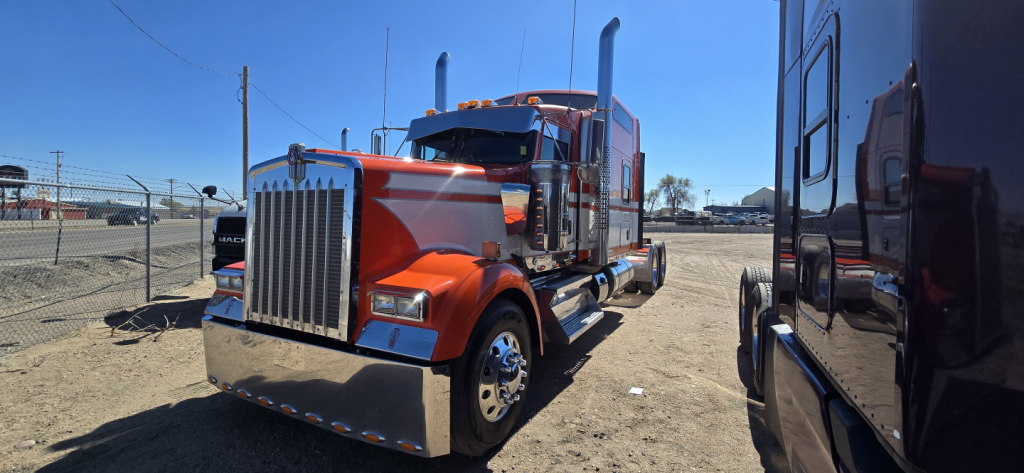

Have used kenworth conventional sleeper truck to sell? List it here to reach thousands of buyers.
About Used Kenworth Conventional Sleeper Trucks in Colorado
A buyer looking at this category will usually start with the hood and sleeper combination. Models such as the W900 and W900L are especially popular in the used market for their long hood styling, large sleeper options, and owner-operator appeal. Common sleeper sizes include 72-inch and 86-inch configurations, with larger units often equipped with cabinets, refrigerator space, workstation layouts, or couch-style interiors. Wheelbase, axle spread, and kingpin-to-rear-axle dimensions matter if the truck will pull a standard van, flatbed, or specialized trailer, especially when bridge laws and turning radius are part of the job.
Powertrain specs are just as important. Many used Kenworth conventional sleepers are spec'd with Cummins X15 engines in the 450 to 565 horsepower range, often matched to 13-speed or 18-speed manual transmissions, though automated manuals are also common in later model years. Rear axle ratios such as 3.25, 3.36, or 3.55 can change how the truck performs on western grades, at highway cruise, and under heavier gross weights. Suspension packages like AG400L are frequently chosen for ride quality, and buyers should also compare disc versus drum brakes, fuel capacity, APU or inverter setup, and whether the truck has double frame rails or other vocational-friendly specs if it will see heavier service.
Condition matters more than badge appeal on a used sleeper. Service history, emissions system repairs, engine hours, sleeper HVAC performance, and signs of frame or suspension wear deserve close attention. For Colorado buyers, it is smart to verify cold-weather starting performance, tire condition for changing elevations and temperatures, and how the truck was spec'd for sustained pulls through the Rockies. A well-matched used Kenworth sleeper can serve fleet linehaul, leased-on owner-operators, and specialized haulers alike, but the best value comes from choosing the right sleeper size, wheelbase, drivetrain, and maintenance record for the freight you actually run.
Frequently Asked Questions
What are the most important specs to compare on a used Kenworth conventional sleeper truck?
The key specs are engine rating, transmission type, rear axle ratio, sleeper size, wheelbase, suspension, and brake package. On a used Kenworth sleeper, these details determine how the truck will perform on mountain grades, at highway cruise, and with different trailer types. Buyers should also check fuel capacity, PTO provisions if needed, and interior sleeper layout because two trucks with the same model badge can be spec'd very differently for linehaul, heavy haul, or owner-operator comfort.
Is a Kenworth W900 a good choice for Colorado long-haul routes?
A W900 can be an excellent fit for Colorado long-haul work if it is spec'd correctly. The truck is known for ride quality, cab comfort, and strong resale appeal, but the engine horsepower, torque rating, cooling package, and axle gearing matter more than the nameplate when mountain terrain is involved. A truck with adequate power, proper gearing, and a well-maintained emissions system will be better suited to western routes than one chosen only for appearance or sleeper size.
What sleeper sizes are common on used Kenworth conventional sleeper trucks?
Common sleeper sizes include mid-size sleepers around 72 inches and larger 86-inch studio or condo-style sleepers. The right choice depends on route length, solo versus team operation, and how much onboard storage or living space is required. Larger sleepers add comfort and can improve driver retention, but they also affect wheelbase, weight, and maneuverability, so they should be matched to the freight and lanes the truck will actually run.
Should I choose a manual or automated transmission in a used Kenworth sleeper?
That depends on the operation and the driver pool. A 13-speed or 18-speed manual is still popular with buyers who want direct control on grades and in heavier applications, while automated manuals can improve consistency, reduce driver fatigue, and widen hiring flexibility. On a used truck, the decision should also include clutch condition, calibration history, and how well the transmission spec matches the engine and rear axle ratio.
What should I inspect first on a used Kenworth conventional sleeper?
Start with maintenance records, engine and aftertreatment history, and signs of chassis wear. Pay close attention to suspension bushings, steer axle and driveline condition, brake wear, tire pattern, and any evidence of frame damage or corrosion. Inside the sleeper, verify HVAC operation, bunk and cabinet condition, and electrical accessories such as inverter, shore power, or APU systems because sleeper repairs can be expensive and directly affect uptime and driver comfort.