
Used Kenworth Conventional Sleeper Trucks For Sale in Alabama
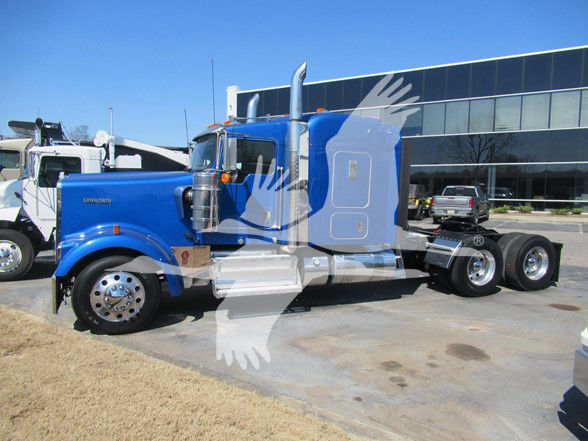
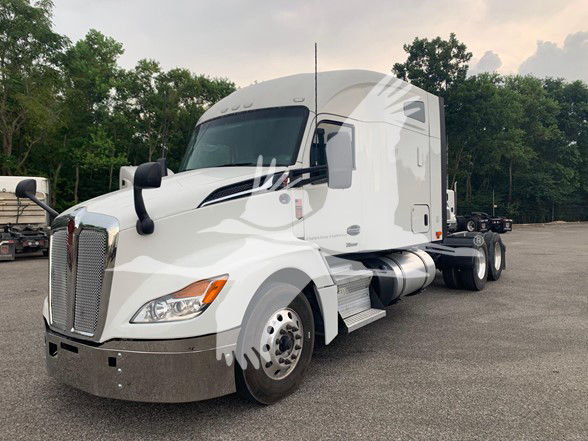
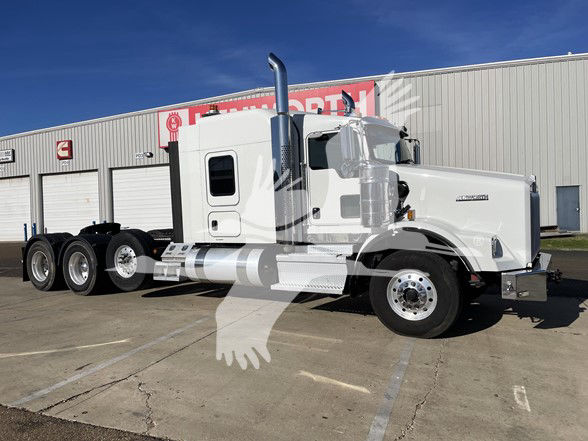
Browse used Kenworth conventional sleeper trucks in Alabama, including T680, W900, T800, and T880 models for long-haul and vocational use.
Learn more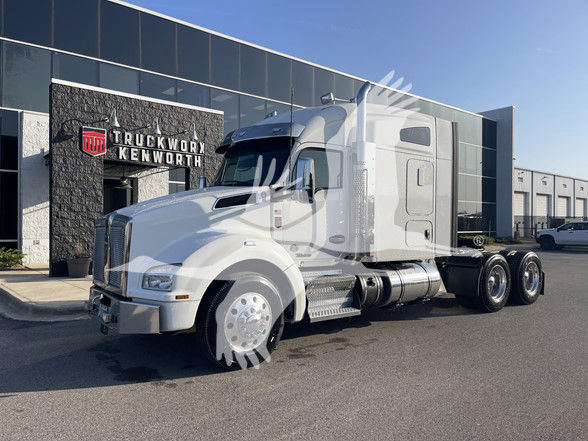
Have used kenworth conventional sleeper truck to sell? List it here to reach thousands of buyers.
About Used Kenworth Conventional Sleeper Trucks in Alabama
Sleeper size and powertrain spec should be matched to the lane and load. Kenworth sleepers in this category commonly range from mid-roof 62-inch and 72-inch sleepers up to 76-inch configurations, with layouts suited for solo long-haul use or extended time on the road. Engines often include Cummins X15 ratings from fleet-oriented horsepower up to higher-output heavy-haul specs, paired with either automated manuals or traditional 13-speed and 18-speed transmissions. Buyers should pay close attention to rear axle ratio, wheelbase, suspension type, and fifth-wheel setup, since those specs affect maneuverability, bridge law flexibility, and how well the truck fits a van, flatbed, tanker, lowboy, or specialized trailer application.
For Alabama operations, cooling performance, idle strategy, and overall driveline condition deserve extra attention. A used sleeper working the Southeast may see a mix of interstate linehaul, port freight, construction support, and heavy regional loads, so service history matters as much as the badge on the hood. Check for emissions system maintenance, overhead records, clutch or automated transmission calibration history, and signs of excessive idle time. On vocational-leaning sleeper trucks like T800 or T880 models, inspect PTO provisions, frame condition, axle spacing, and tire wear patterns, especially if the truck has been used in severe service. On aero highway trucks like the T680, look closely at fairings, collision mitigation components, and aftertreatment warranty status.
Kenworth conventional sleepers are known for a driver-focused cab, solid parts support, and broad spec flexibility, which is why they remain popular in both fleet and owner-operator markets. A well-matched used unit can give you the sleeper space, wheel cut, and drivetrain you need without paying for a new-truck build. The key is to buy by application first: highway efficiency, heavy-haul gearing, regional versatility, or vocational durability. Once the application is clear, the right Kenworth sleeper usually stands out quickly in wheelbase, bunk size, horsepower, and transmission spec.
Frequently Asked Questions
What is the difference between a Kenworth T680, W900L, T800, and T880 sleeper truck?
The T680 is Kenworth's aerodynamic highway tractor and is generally the best fit for over-the-road freight where fuel economy, driver comfort, and modern safety systems are priorities. The W900L is a long-hood conventional with strong appeal in owner-operator and show-truck markets, but it is also used for specialized hauling where a traditional layout is preferred. The T800 and T880 are more vocationally oriented platforms, commonly used for heavier loads, harsher routes, and applications that benefit from rugged chassis options, axle choices, and front-end durability. The right model depends on whether the truck will spend most of its time on interstate miles, regional work, or severe-duty hauling.
What sleeper size is best in a used Kenworth conventional truck?
The best sleeper size depends on length of haul, driver preference, and total wheelbase constraints. A 62-inch sleeper can work well for regional operations or shorter over-the-road runs where maneuverability matters. A 72-inch or 76-inch sleeper is more common for long-haul use because it provides more storage and living space for extended time away from home. Buyers should also consider how the sleeper size affects wheelbase, trailer gap, and overall truck weight, especially in applications where bridge compliance or tight turns are part of the job.
Are automated transmissions common in used Kenworth sleeper trucks?
Yes. Automated transmissions are common in newer used Kenworth sleeper trucks, especially T680 and late-model T880 configurations. They can improve driver consistency, reduce fatigue, and help with fuel economy when matched to the right rear axle ratio. Manual 13-speed and 18-speed transmissions are still common in W900L, T800, and heavy-haul specifications where gear control and higher torque demands are more important. The decision should be based on route profile, driver pool, maintenance history, and the truck's intended load range.
What should I inspect on a used Kenworth sleeper truck before buying?
Start with engine and emissions service records, fault codes, oil and coolant condition, and evidence of regular overhead adjustments. Inspect the aftertreatment system, transmission operation, clutch wear if equipped, driveline play, suspension bushings, and steer axle components. On sleeper trucks, also check HVAC performance, bunk components, electrical accessories, and signs of water intrusion around door seals, windows, and roof seams. Tire wear, frame condition, fifth-wheel movement, and axle alignment can reveal how the truck was operated and maintained.
Is a Kenworth vocational sleeper truck practical for highway use in Alabama?
It can be, but only if the spec matches the freight. A T800 or T880 sleeper can handle highway work well, especially in regional flatbed, equipment hauling, tanker, or construction-related operations where a tougher chassis and heavier drivetrain are useful. The tradeoff is that a vocational spec usually gives up some fuel efficiency and may carry more weight than an aero highway tractor. In Alabama, where routes can mix interstate freight, rural roads, and jobsite access, many buyers prefer that compromise if the truck needs to do more than pure linehaul.