
Used International Conventional Sleeper Trucks For Sale in Tennessee
Browse used International conventional sleeper trucks for long-haul and regional freight, with details on engines, sleepers, specs, and buying points.
Learn more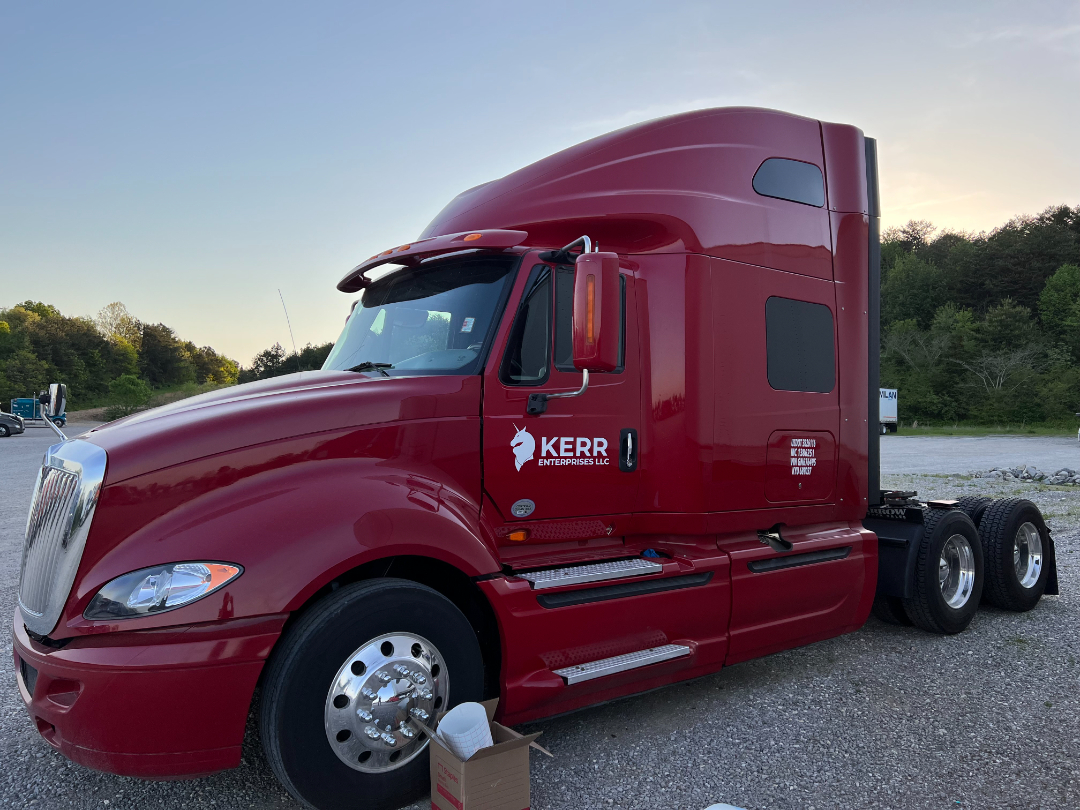
Have used international conventional sleeper truck to sell? List it here to reach thousands of buyers.
About Used International Conventional Sleeper Trucks in Tennessee
The big decision on a used International sleeper is usually powertrain history. Many units in this class are spec'd with Cummins engines, commonly the ISX or X15 in newer applications, paired with Eaton-Fuller manual or automated transmissions. You will also see fleet-oriented specs focused on fuel mileage, including 10-speed and 13-speed gearboxes, tandem rear axles, and highway ratios that keep engine rpm down at cruising speed. Buyers should look closely at emissions system service records, including EGR, DPF, DEF, and related sensors, along with documented repairs to items like turbochargers, aftertreatment components, and cooling systems. Mileage matters, but maintenance records, idle hours, and signs of consistent PM intervals usually tell you more about remaining life than odometer reading alone.
Sleeper configuration affects resale and day-to-day usability. Mid-roof and high-roof versions are common, and the right choice depends on your freight mix, driver expectations, and bridge or terminal clearance needs. Interior details such as bunk size, cabinet layout, inverter setup, refrigerator prep, and auxiliary power options can make a real difference if the truck will stay out for several days at a time. On the chassis side, check wheelbase, fifth wheel placement, front axle rating, rear axle ratio, and any signs of frame modification. For dry van, reefer, and general freight operations, a used International sleeper often makes sense as a cost-conscious road tractor that is widely understood by fleet shops and independent technicians.
For Tennessee buyers, it also helps to think about terrain and route profile. Trucks running the I-40 corridor, Knoxville grades, or heavier Appalachian pulls may need a different horsepower and axle ratio than a truck staying mostly on flatter middle and west Tennessee freight lanes. A sleeper tractor that looks right on paper can still be wrong if the spec does not match your trailer weight, cruise speed, and maintenance plan. The best used International conventional sleeper trucks are the ones with a clear service story, the right cab and bunk setup for the lane, and a powertrain spec that supports profitable miles instead of constant downtime.
Frequently Asked Questions
What are the most common International conventional sleeper truck models on the used market?
The most common used International conventional sleeper models are the ProStar and the LT series. The ProStar was widely adopted by fleets for over-the-road service because of its aerodynamic design and fuel economy focus, while the LT built on that platform with updates to driver comfort, efficiency, and available safety technology. On the used market, model year, engine spec, sleeper size, and maintenance history usually matter more than the badge alone.
What should I inspect first on a used International sleeper truck?
Start with the engine and emissions service history, then move to the transmission, rear axles, and sleeper condition. Ask for records covering EGR, DPF, DEF, injector work, overhead adjustments, coolant system repairs, and clutch or automated transmission service. After that, inspect tires, brakes, suspension, frame condition, fifth wheel wear, and signs of uneven tire wear that could point to alignment or suspension issues. A truck with higher miles but strong documentation is often a safer buy than a lower-mile unit with little history.
Are International sleeper trucks good for regional freight or mainly long-haul work?
They can fit both, depending on the sleeper and chassis spec. A smaller sleeper with a fuel-efficient drivetrain can work well for regional operations that still require overnight capability, while a larger mid-roof or high-roof sleeper is better suited to long-haul runs where the driver spends multiple nights in the truck. The key is matching the wheelbase, horsepower, rear axle ratio, and bunk setup to the route and trailer weights you plan to run.
Which engine and transmission combinations are common in used International conventional sleepers?
Cummins engines are common in used International conventional sleeper trucks, often paired with Eaton-Fuller manual or automated transmissions. Fleet specs often emphasize fuel economy and straightforward serviceability, so 10-speed and 13-speed setups are regularly seen, along with tandem drive axles for van, reefer, and general freight applications. The best combination depends on your gross weight, terrain, and whether you prioritize driver simplicity, fuel economy, or grade-climbing performance.
How important is sleeper size when buying a used highway tractor?
Sleeper size affects driver comfort, operating flexibility, and sometimes resale value. A compact sleeper may be enough for short regional overnights, but a mid-roof or high-roof sleeper gives more storage, easier movement inside the cab, and better livability for long trips. Buyers should also consider practical details such as bunk width, cabinet space, inverter installation, refrigerator space, and overall interior condition, because those details directly affect driver retention and daily usability.