
Used International Conventional Sleeper Trucks For Sale in Missouri
Browse used International conventional sleeper trucks for sale in Missouri. Compare ProStar specs, sleeper options, drivetrains, and road-ready features.
Learn more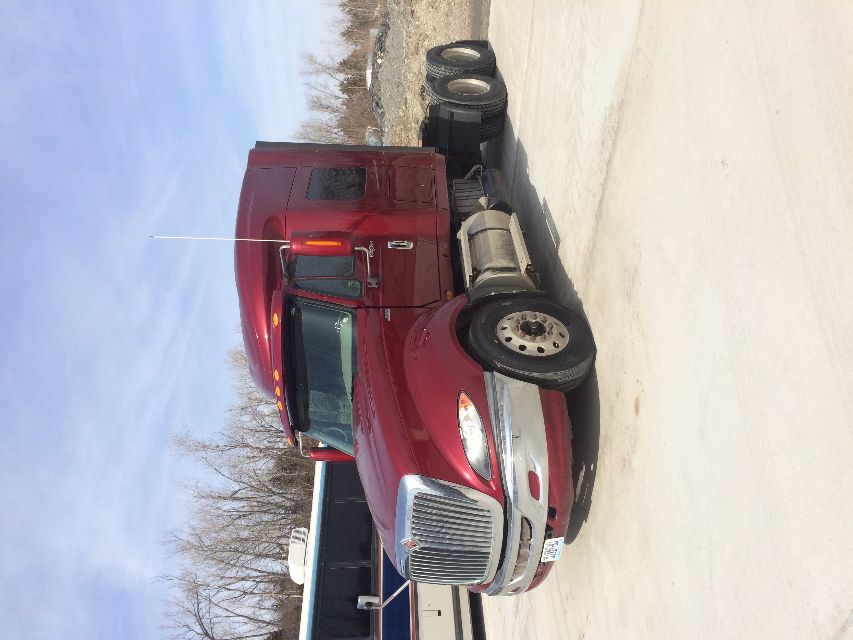
Have used international conventional sleeper truck to sell? List it here to reach thousands of buyers.
About Used International Conventional Sleeper Trucks in Missouri
International sleeper tractors from this era are commonly spec'd with Cummins or MaxxForce diesel engines, paired with 10-speed manual, automated manual, or full automatic transmissions depending on the original fleet order. Wheelbase, rear axle ratio, and sleeper size matter just as much as horsepower. A shorter wheelbase can be easier to maneuver in tight yards and fuel islands, while a longer wheelbase and larger sleeper generally suit longer dispatch cycles. Look closely at cab condition, bunk layout, HVAC performance, dash electronics, and suspension type. Air ride suspension, air ride seats, cruise control, power windows, heated mirrors, and tilt-telescope steering are common comfort features that still matter on a used highway truck.
For Missouri buyers, corrosion exposure, tire condition, and overall chassis history deserve extra attention. Trucks that have spent winters on treated roads should be checked for frame scaling, crossmember corrosion, brake line condition, and wear around suspension mounting points. A buyer should also review mileage alongside idle hours, maintenance records, and any evidence of aftertreatment work. On a used International sleeper, it is smart to inspect the DPF system, EGR components, coolant condition, clutch wear if equipped with a manual transmission, and signs of fifth wheel or driveline neglect. Steer tire wear patterns, alignment history, and kingpin play can tell you a lot about how the truck was operated and maintained.
The right used International conventional sleeper truck depends on lane length, trailer weight, and how much downtime risk your operation can tolerate. A lighter-duty regional spec may be enough for dry van or reefer work with moderate gross weights, while a heavier tandem axle setup with a stronger drivetrain may be better for consistent long-haul service. Buyers also compare sleeper storage, mattress space, fairing condition, and aerodynamic panels because those details affect both driver acceptance and operating cost. International sleeper tractors remain a familiar choice in the used market because parts access is broad, cab ergonomics are straightforward, and the platform can be a cost-effective entry into Class 8 sleeper ownership when the truck has been properly maintained.
Frequently Asked Questions
What should I check first on a used International conventional sleeper truck?
Start with the engine, transmission, aftertreatment system, and service history. On an International sleeper, those four areas usually tell you more than cosmetic condition alone. Review mileage and engine hours together, inspect for active fault codes, confirm cold-start behavior, and look for records covering oil changes, coolant service, DPF cleaning, injector work, and clutch or transmission repairs. Then inspect the frame, suspension, tires, brakes, and sleeper HVAC because those items directly affect road readiness and near-term reconditioning cost.
What International sleeper models are most common in the used market?
The International ProStar is one of the most common conventional sleeper models in the used market. It was widely used in fleet highway service, so buyers often find multiple configurations with different engines, transmissions, and sleeper sizes. Depending on year and spec, a used ProStar may be set up for regional freight, over-the-road van work, reefer hauling, or general highway applications where aerodynamics and driver comfort were part of the original fleet purchase decision.
Is a 10-speed transmission a good choice in a used sleeper tractor?
A 10-speed can be a very good choice if the truck is matched to general highway freight and the clutch, shift linkage, and driveline are in good condition. It offers a familiar setup for many drivers, straightforward service, and good control across varied road speeds. The key is not just the number of gears, but how the transmission works with the engine rating, rear axle ratio, and intended load. A proper road test under load or at operating temperature is the best way to evaluate shift quality and clutch engagement.
Are used International sleeper trucks a good fit for Missouri-based operations?
They can be a strong fit for Missouri operations because the state supports a wide mix of regional and long-haul freight, and International highway tractors are common enough that parts and service are generally accessible. Interstate use across Missouri often rewards aerodynamic conventional sleepers with efficient highway gearing, but local buyers should pay close attention to winter-related corrosion, suspension wear, and brake system condition. A truck that is clean underneath and supported by maintenance documentation is usually a better value than a lower-priced unit with unknown chassis history.
How important is sleeper size when buying a used conventional sleeper?
Sleeper size matters because it affects both driver retention and how the truck can be dispatched. A smaller sleeper may work well for regional overnights and keep weight down, while a larger sleeper supports longer trips with more storage and better rest accommodations. Buyers should look beyond simple dimensions and check bunk condition, cabinet space, seals, insulation, HVAC performance, and signs of water intrusion. A comfortable, functional sleeper can make a major difference in real-world usability even when the drivetrain specs are similar.