
Used Hino Refrigerated Trucks For Sale
Browse used Hino refrigerated trucks with reefer bodies, diesel power, and medium-duty specs for cold-chain delivery and route service.
Learn moreNo exact matches found for your search
Showing Used Refrigerated Trucks instead.

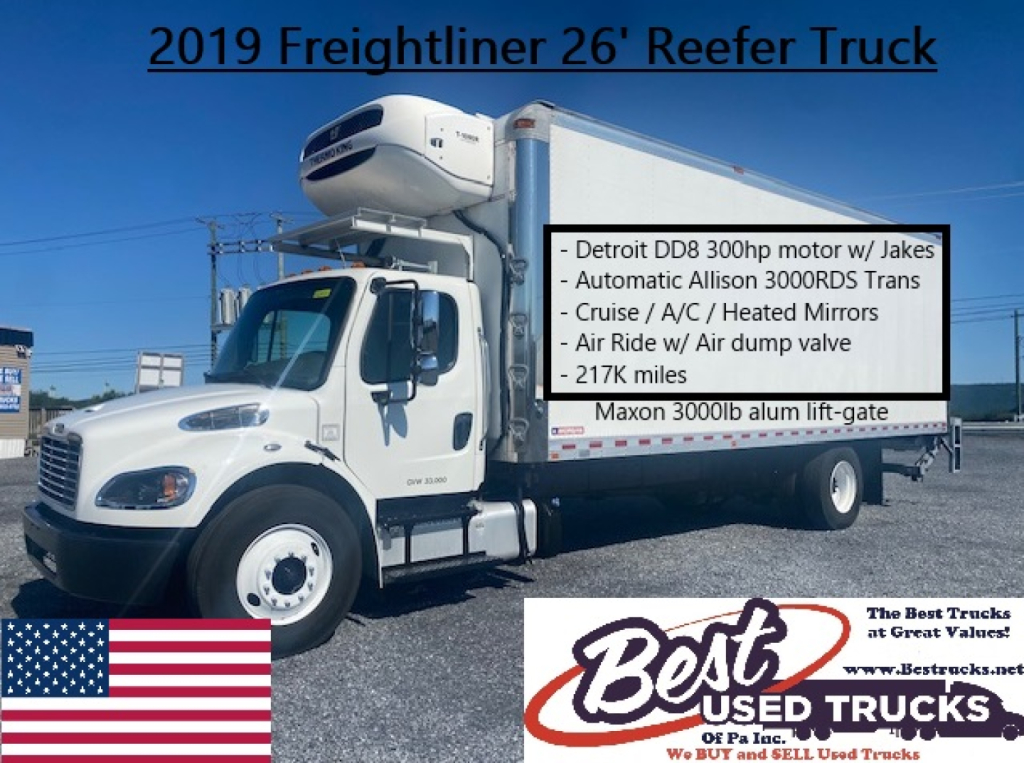
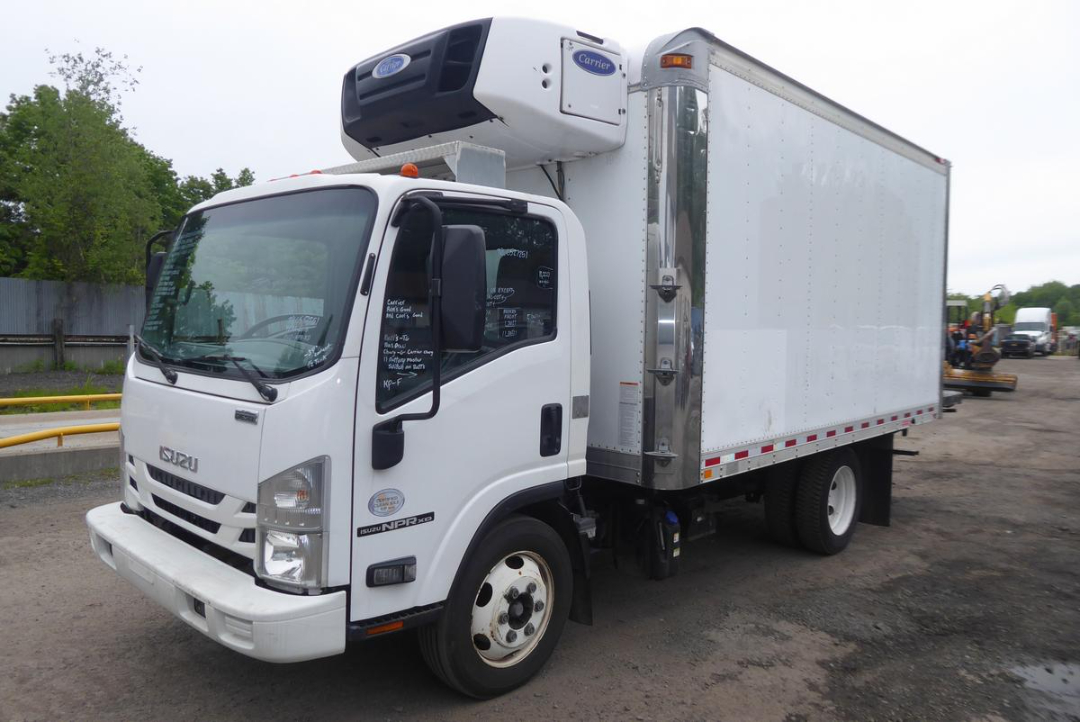
Have used hino refrigerated truck to sell? List it here to reach thousands of buyers.
About Used Hino Refrigerated Trucks
The chassis and body combination deserves close attention. Hino refrigerated trucks often show up with 14-foot to 26-foot insulated bodies from manufacturers like Morgan, Kidron, or Supreme, paired with Thermo King or Carrier reefer units. Body details can matter as much as the truck itself. A duct floor or aluminum duct floor helps preserve airflow under pallets. Stainless rear door frames hold up better in washdown environments. Scuff liners, bulkheads, liftgates, and roll-up or swing doors should match the freight profile and delivery method. Reefer hour readings are critical on used equipment, and buyers should confirm unit service history, temperature pull-down performance, defrost operation, and whether the unit is engine-driven or self-powered.
On the truck side, many used Hino refrigerated trucks are equipped with Hino J05E or J08E diesel engines in roughly the 210 to 230 horsepower range, often backed by Allison automatic transmissions. That combination is well suited for city routes, multi-stop delivery, and drivers with mixed experience levels. Wheelbase, axle ratings, and suspension type affect turning radius, ride quality, and payload capacity, so it is important to match the truck to the route and the body length. A 14-foot cabover reefer is easier in dense urban loading zones, while a 24-foot to 26-foot conventional truck may offer better cubic capacity for grocery, commissary, or institutional delivery. Rear axle ratio also plays into low-speed drivability versus highway comfort.
A used Hino refrigerated truck should be evaluated as a temperature-control system, not just a box truck with a reefer unit attached. Insulation condition, door seal integrity, evaporator cleanliness, floor wear, and evidence of past body repairs can affect product protection and fuel usage. Buyers should also verify reefer fuel source, standby electric capability if dock power is needed, and compliance needs for CARB or local emissions rules where applicable. When the chassis, body, and refrigeration unit are properly matched, a Hino reefer truck can be a practical platform for high-frequency route delivery with predictable service access and medium-duty operating economics.
Frequently Asked Questions
What should I check first on a used Hino refrigerated truck?
Start with the refrigeration unit, body condition, and truck chassis as one system. Confirm reefer hours, maintenance records, temperature pull-down, defrost function, and any alarms or sensor issues. Inspect insulation, door seals, floor condition, and evaporator cleanliness inside the body. On the chassis side, review engine service history, transmission operation, brake wear, tire condition, axle ratings, and whether the wheelbase properly supports the body length and intended payload.
Are Hino refrigerated trucks good for multi-stop delivery routes?
Yes. Hino refrigerated trucks are often used for multi-stop urban and regional delivery because they are typically spec'd with medium-duty diesel engines, automatic transmissions, and body lengths that balance payload with maneuverability. Cabover versions are especially useful in tight city streets and loading docks, while conventional models can offer more body length and driver comfort on mixed route work. The best fit depends on stop frequency, dock access, and the weight of the product being hauled.
What reefer unit brands are commonly found on used Hino reefer trucks?
Thermo King and Carrier are the most common refrigeration unit brands found on used Hino refrigerated trucks, although exact models vary by body size and cooling requirement. Buyers should focus less on brand name alone and more on unit hours, service history, parts support, and proven temperature performance. It is also important to confirm if the unit is self-powered or tied into the truck application in a way that affects maintenance planning and operating cost.
How do I choose the right body length on a used Hino refrigerated truck?
Body length should match product density, stop environment, and loading method. A 14-foot to 16-foot reefer body is often a better choice for urban delivery with frequent tight turns and limited parking. A 20-foot to 26-foot body may fit grocery, institutional, or wholesale routes that need more cube and pallet positions. Buyers should also consider wheelbase, liftgate needs, interior width, and airflow design so the body can hold temperature consistently under real delivery conditions.
Do reefer hours matter as much as truck miles on a used Hino refrigerated truck?
Yes. Reefer hours are just as important as truck mileage because the refrigeration unit has its own workload, maintenance cycle, and wear pattern. A truck with moderate miles can still need significant reefer work if the unit has high hours, poor service history, or weak pull-down performance. Buyers should compare truck mileage, engine hours if available, and reefer hours together to get a more accurate picture of total use and upcoming maintenance exposure.