
Used Freightliner Conventional Daycab Trucks For Sale in Texas
Browse used Freightliner conventional daycab trucks in Texas, including Cascadia 126 models built for regional haul, port work, and local freight.
Learn more
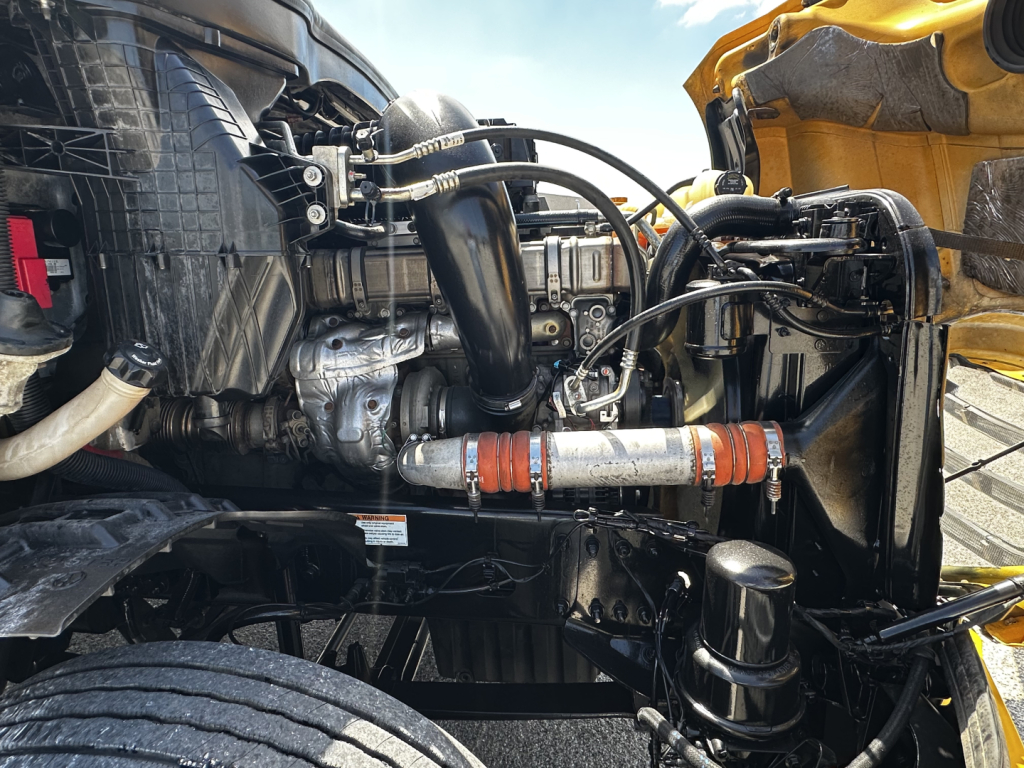
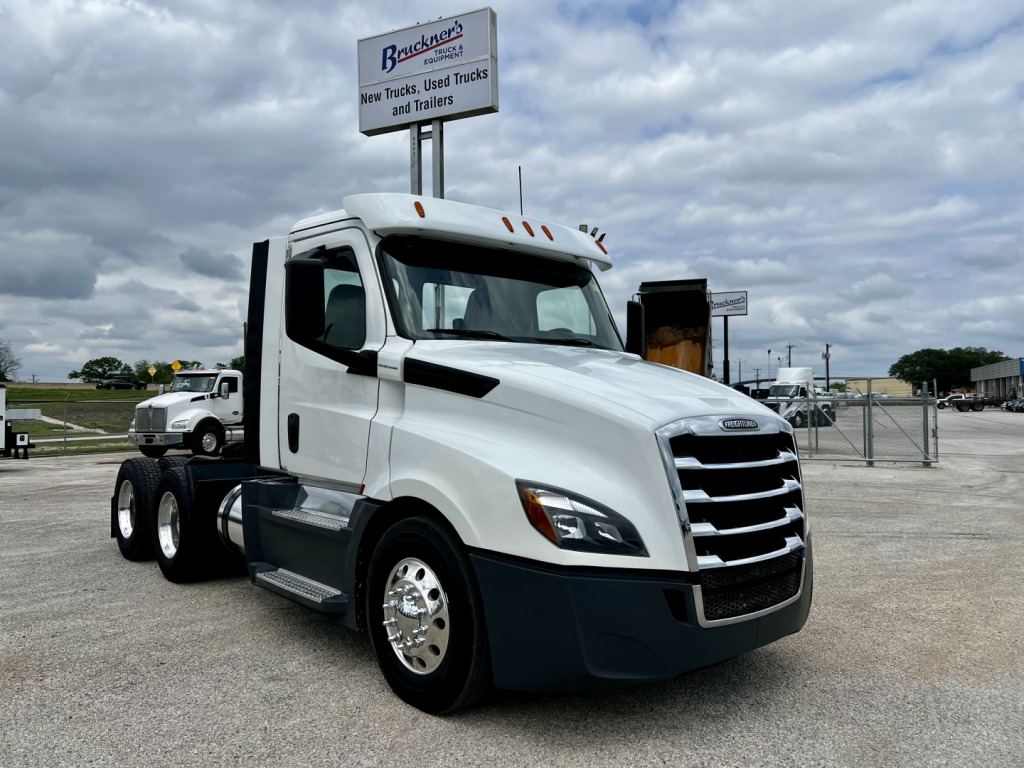
Have used freightliner conventional daycab truck to sell? List it here to reach thousands of buyers.
About Used Freightliner Conventional Daycab Trucks in Texas
For buyers comparing used Freightliner daycabs, the big decisions usually start with engine, transmission, and axle ratings. Many late-model Freightliner conventional daycabs are spec'd with Detroit power, commonly a DD13 or DD15, paired with the DT12 automated manual transmission, though manual transmissions and other engine options appear in some fleets. Pay close attention to horsepower and torque ratings, rear axle ratio, wheelbase, suspension type, and GVWR and GCWR, since those specs determine how well the truck fits stop-and-go city routes versus heavier regional pulls. In Texas, it also makes sense to check cooling system condition, APU history if equipped, and cab HVAC performance because long idle periods and extreme heat put added stress on those systems.
A used Freightliner daycab should be evaluated as a working spec, not just a model year. Look at fifth wheel setup, frame length, PTO provisions, fuel capacity, brake type, and tire size to make sure the truck matches the trailer and application. Fleets running ports, intermodal yards, or tight urban lanes often prefer shorter wheelbases for turning radius, while regional freight operations may lean toward a longer wheelbase and larger fuel tanks for better ride quality and route flexibility. Freightliner remains popular partly because service support is broad, replacement parts are easy to source, and technicians are familiar with the platform, which matters when uptime is the real cost driver.
Cab condition and electronic history are just as important as drivetrain specs on a used conventional daycab. Review fault codes, emissions system service records, aftertreatment repairs, and maintenance intervals for the DPF, DEF, and one-box system where applicable. Interior wear, seat condition, steering play, suspension bushings, and brake life can tell you a lot about how the truck was used before resale. For Texas buyers, a well-spec'd Freightliner conventional daycab can be a practical choice for everything from Houston port work to Dallas-Fort Worth regional lanes because the platform is efficient, familiar, and easy to place into everyday commercial service.
Frequently Asked Questions
What is a Freightliner conventional daycab truck used for?
A Freightliner conventional daycab is typically used for regional hauling, local delivery, drayage, vocational tractor work, tanker service, and dedicated routes where a sleeper is not needed. The conventional hood design provides easier engine access than a cabover, and the daycab layout reduces weight and overall length compared with a sleeper tractor. That makes it a strong fit for operations focused on daily return-to-base scheduling, frequent stops, and high utilization.
What should I check first on a used Freightliner Cascadia daycab?
Start with the engine and emissions history, transmission operation, rear axle spec, and maintenance records. On a used Cascadia daycab, buyers should pay close attention to fault codes, DPF and DEF system service, coolant leaks, air system performance, suspension wear, and clutch or automated transmission calibration history if equipped with a DT12. Mileage matters, but service documentation and prior application often tell you more about remaining life than the odometer alone.
Why are Freightliner daycabs popular in Texas?
Freightliner daycabs are common in Texas because they suit the state's mix of port traffic, regional highway runs, oilfield-related freight, local distribution, and heavy urban congestion. The dealer and service network is strong, parts support is broad, and many fleet maintenance shops already know the platform well. That familiarity can reduce downtime and simplify driver onboarding, especially for operations running multiple tractors across different terminals.
What engine and transmission options are common in used Freightliner daycabs?
Many used Freightliner conventional daycabs, especially Cascadia models, are equipped with Detroit DD13 or DD15 engines and a DT12 automated manual transmission. Some units are spec'd with manual transmissions or alternative horsepower and torque ratings depending on the fleet's original application. The right combination depends on route profile, payload, average speed, idle time, and how often the truck will operate in heavy stop-and-go traffic versus longer regional lanes.
Is a daycab better than a sleeper for local or regional work?
For most local and many regional applications, a daycab is the more efficient choice because it is lighter, less expensive to maintain, and easier to maneuver than a sleeper tractor. A daycab also eliminates sleeper-related components that add cost and complexity without adding value on short-haul routes. A sleeper still makes sense for overnight operations or irregular long-distance dispatch, but for return-home-daily freight, the daycab is usually the better fit.