
Used Freightliner Conventional Daycab Trucks For Sale in Pennsylvania
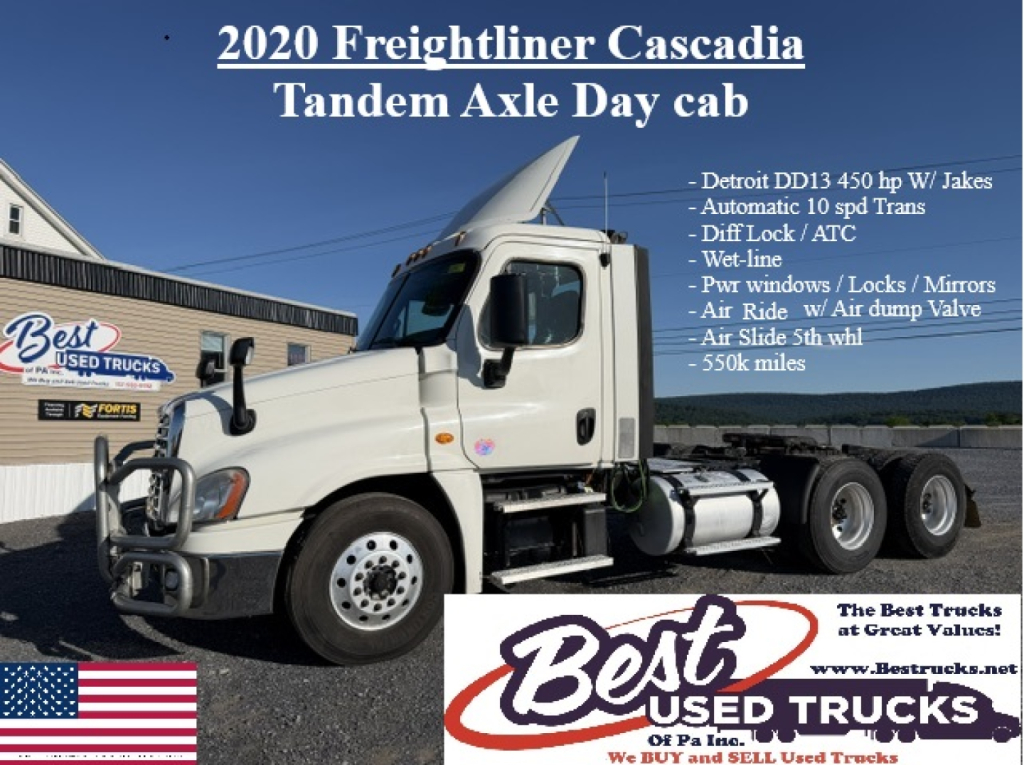
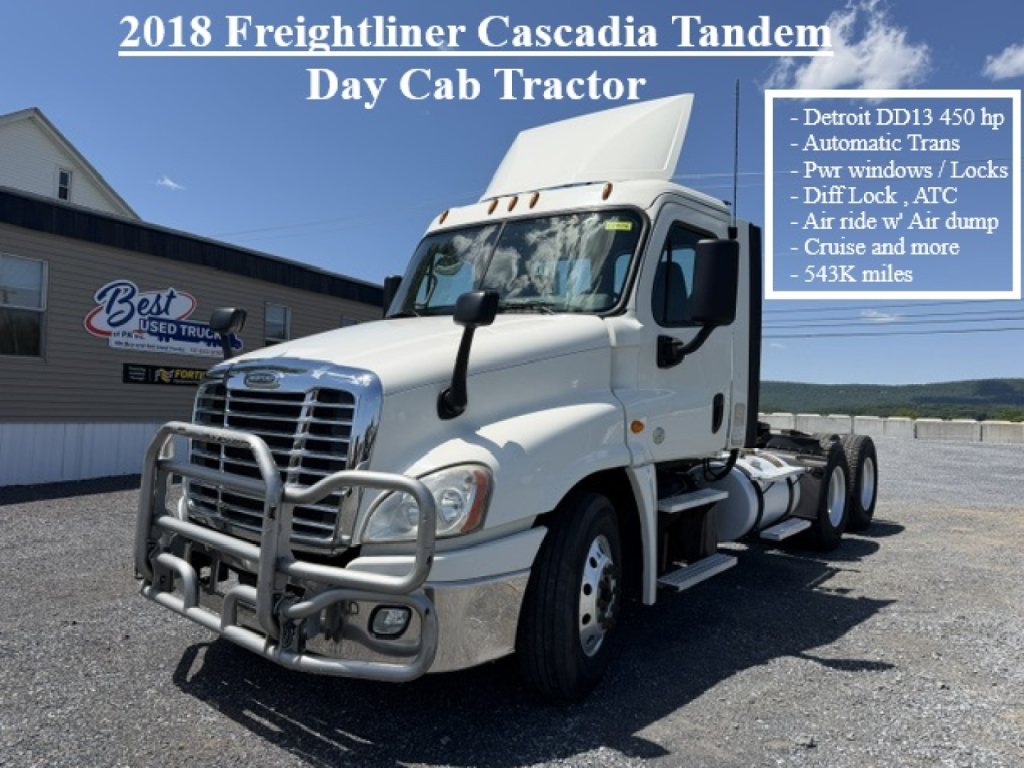
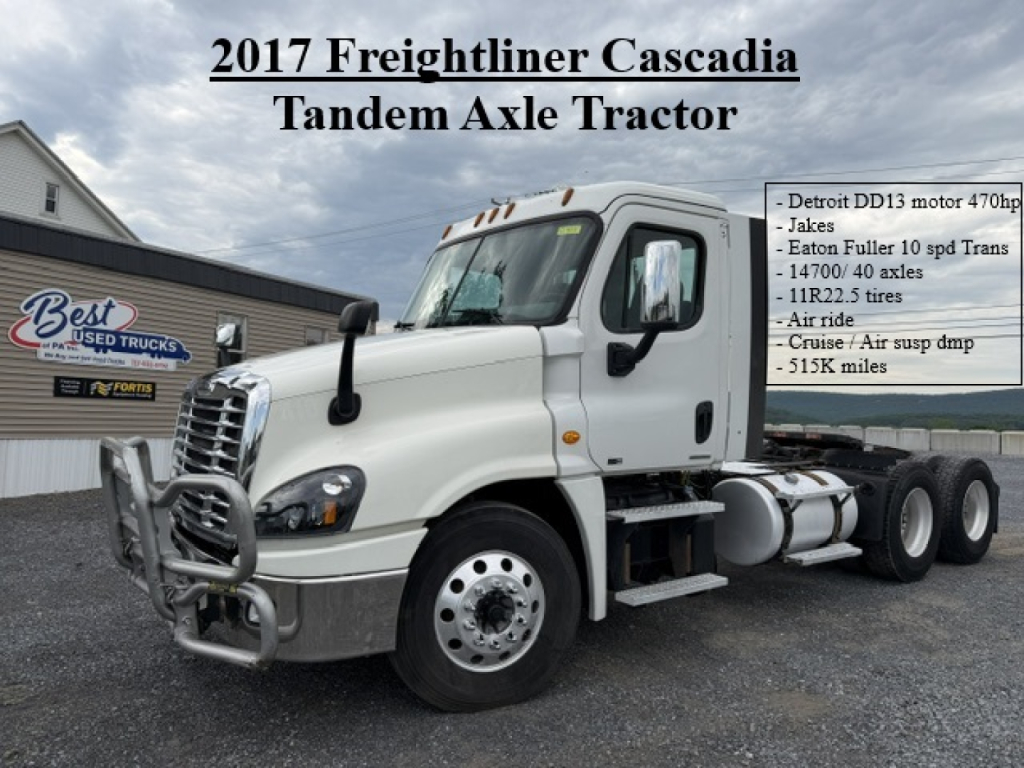
Used Freightliner conventional daycab trucks for sale in Pennsylvania, including Cascadia and Columbia specs for local, regional, and terminal work.
Learn more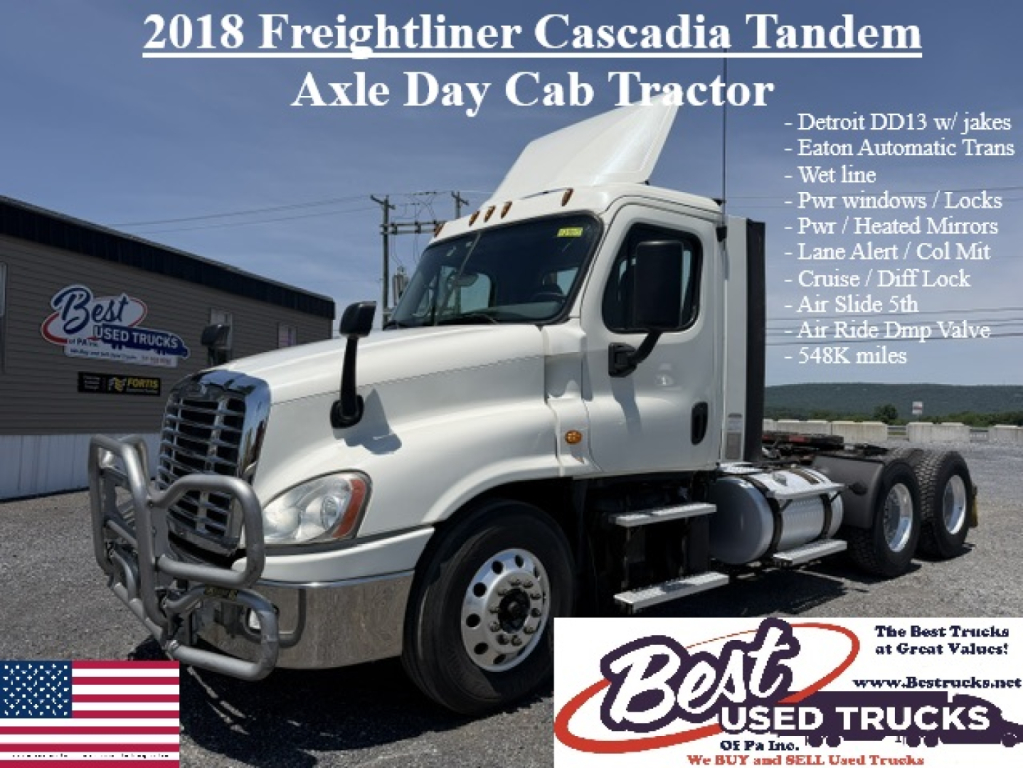
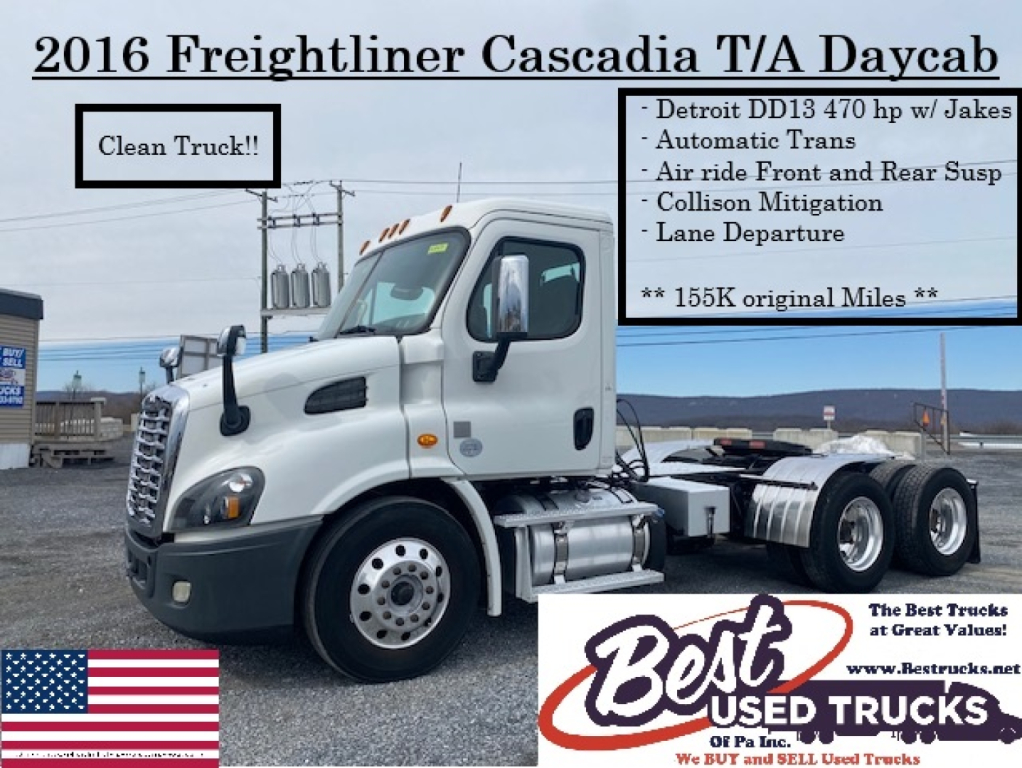
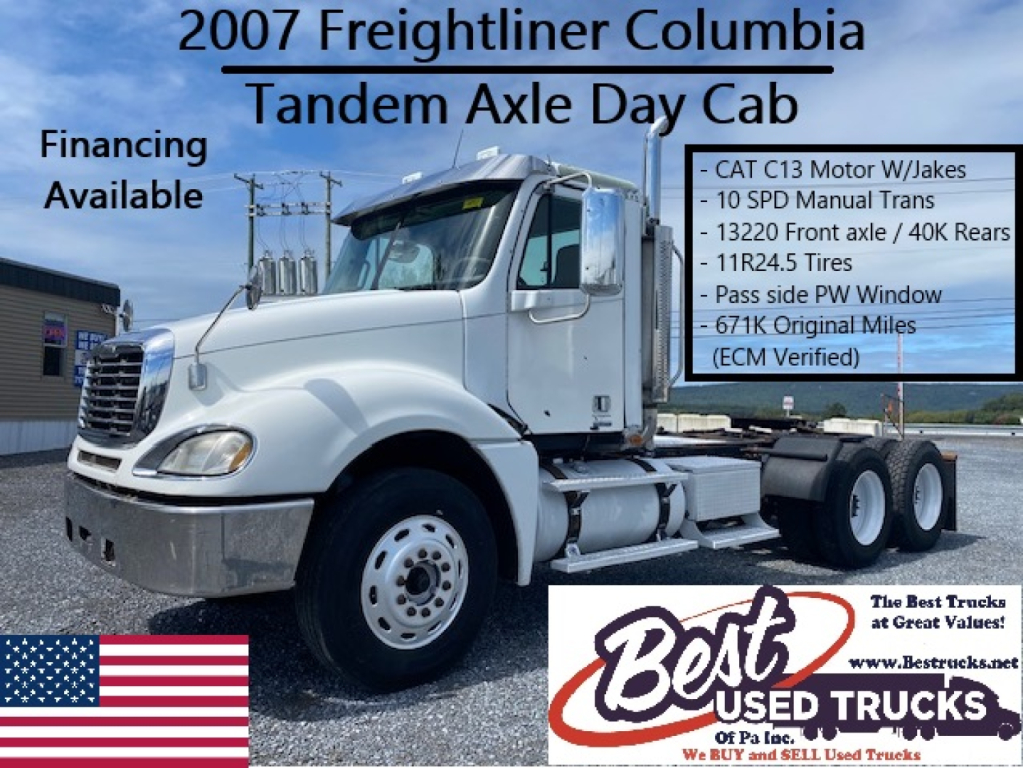

Have used freightliner conventional daycab truck to sell? List it here to reach thousands of buyers.
About Used Freightliner Conventional Daycab Trucks in Pennsylvania
The most common spec decisions start with engine, transmission, axle ratio, and wheelbase. Late-model Freightliner daycabs often carry Detroit DD13 or DD15 engines in the 400 to 455 horsepower range, paired with a DT12 automated manual or a traditional Eaton Fuller manual. Older used Freightliner daycabs may show up with pre-emissions or early-emissions platforms such as the CAT C13, which can appeal to buyers focused on simplicity and service familiarity. Tandem axle tractors in this class commonly run 40,000 lb rears, air ride suspension, and ratios such as 3.08, 3.25, or 4.11 depending on whether the truck was built for fuel economy, mixed regional work, or heavier start-and-stop service. Wheelbase matters more than many buyers expect. A 178-inch wheelbase is common on aerodynamic fleet daycabs, while longer wheelbases can affect turning radius, trailer gap, and bridge-law flexibility.
Freightliner has stayed popular in the daycab market because parts support is broad, driver ergonomics are generally strong, and the Cascadia platform in particular is well known for aerodynamics, visibility, and straightforward fleet maintenance planning. Buyers comparing used units should pay close attention to fifth wheel setup, frame layout, fuel tank placement, suspension type, and brake spec. An air slide fifth wheel adds flexibility if the truck will pull multiple trailer lengths or operate across different kingpin settings. Disc brakes, collision mitigation systems, engine brakes, and cab aero equipment are increasingly common on newer used Freightliner daycabs and can improve safety, uptime, and operating cost. In Pennsylvania service, corrosion exposure, vocational wear, and stop-and-go duty cycles deserve a careful inspection along with DPF, DEF, and transmission service history.
A good used Freightliner conventional daycab should match the route before it matches the price. Local P&D and terminal work may favor a lighter, lower horsepower setup with a short wheelbase and automatic transmission. Regional tractor duty may justify a DD15, taller gearing, and more fuel capacity. Heavy haul support, dump transfer, or severe start-stop applications may call for a deeper rear ratio, locking differentials, and a less aero but more robust chassis spec. The strongest value usually comes from a truck with a clear maintenance record, ECM-verifiable mileage and hours, and a drivetrain spec that fits the load profile instead of fighting it.
Frequently Asked Questions
What is the difference between a Freightliner daycab and a sleeper tractor?
A Freightliner daycab is a non-sleeper conventional truck built for routes that return the driver home the same day or do not require onboard sleeping space. Compared with a sleeper tractor, a daycab is typically lighter, shorter, and easier to maneuver in urban terminals, customer yards, and tight regional routes. That lower weight can also improve payload capacity and fuel efficiency in the right application.
Which engines are most common in used Freightliner conventional daycab trucks?
Used Freightliner daycabs commonly appear with Detroit DD13 and DD15 engines in newer Cascadia models, while older Columbia and similar platforms may have engines such as the CAT C13 or other legacy options. The right engine depends on duty cycle. A DD13 often fits local and regional work well, while a DD15 is common where higher horsepower and torque are needed for heavier loads or more highway time.
What axle ratio works best in a used Freightliner daycab?
The best axle ratio depends on trailer weight, terrain, cruising speed, and how often the truck starts from a dead stop. Ratios like 3.08 are common in fuel-conscious highway and regional specs, while 3.25 offers a balanced setup for mixed duty. Deeper ratios such as 4.11 are better suited to heavy loads, vocational use, or frequent stop-and-go work where low-speed pulling power matters more than top-end fuel economy.
Are automated transmissions common in Freightliner daycabs?
Yes. Many late-model Freightliner Cascadia daycabs are equipped with the Detroit DT12 automated manual transmission. These transmissions are popular in fleet service because they help with driver consistency, clutch life, and ease of operation in traffic. Manual Eaton Fuller transmissions are still common in older used trucks and may appeal to buyers who prefer a simpler setup or have drivers accustomed to manuals.
What should buyers inspect first on a used Freightliner daycab in Pennsylvania?
Start with maintenance records, engine hours, ECM mileage, emissions system history, and signs of corrosion on the frame, cab mounts, crossmembers, and air or electrical connections. In Pennsylvania, road salt exposure makes rust inspection especially important. Buyers should also verify fifth wheel condition, suspension wear, brake type and remaining life, tire wear pattern, and whether the wheelbase and frame layout actually fit the trailer and route requirements.