
Used Freightliner Conventional Daycab Trucks For Sale in Illinois
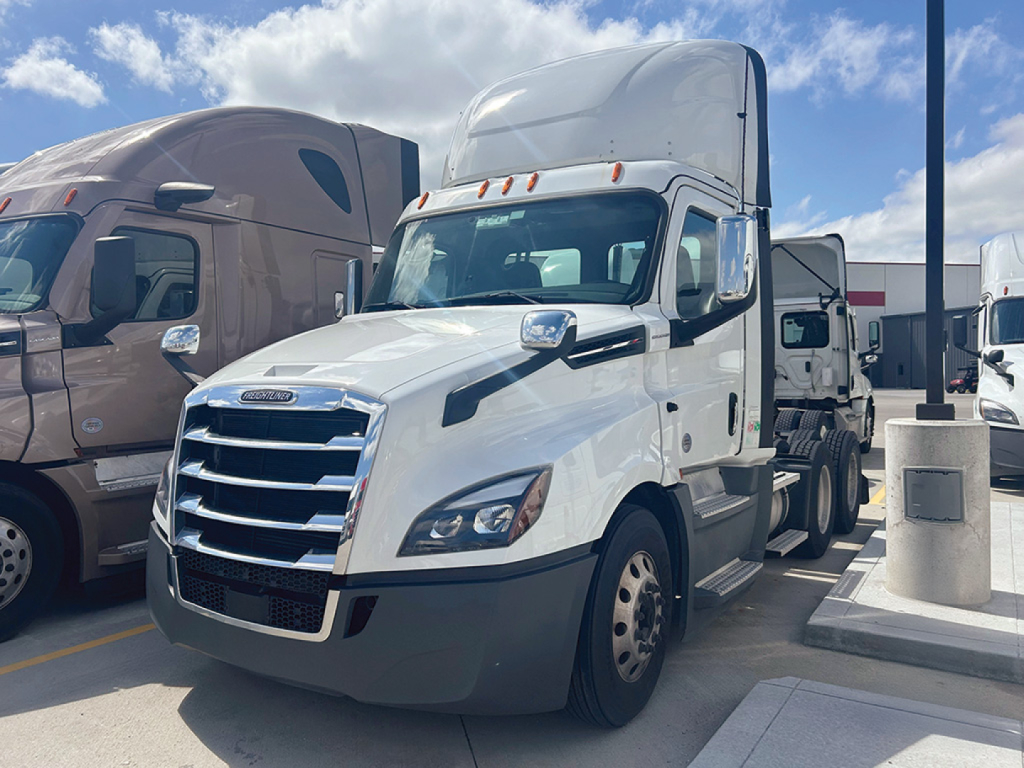
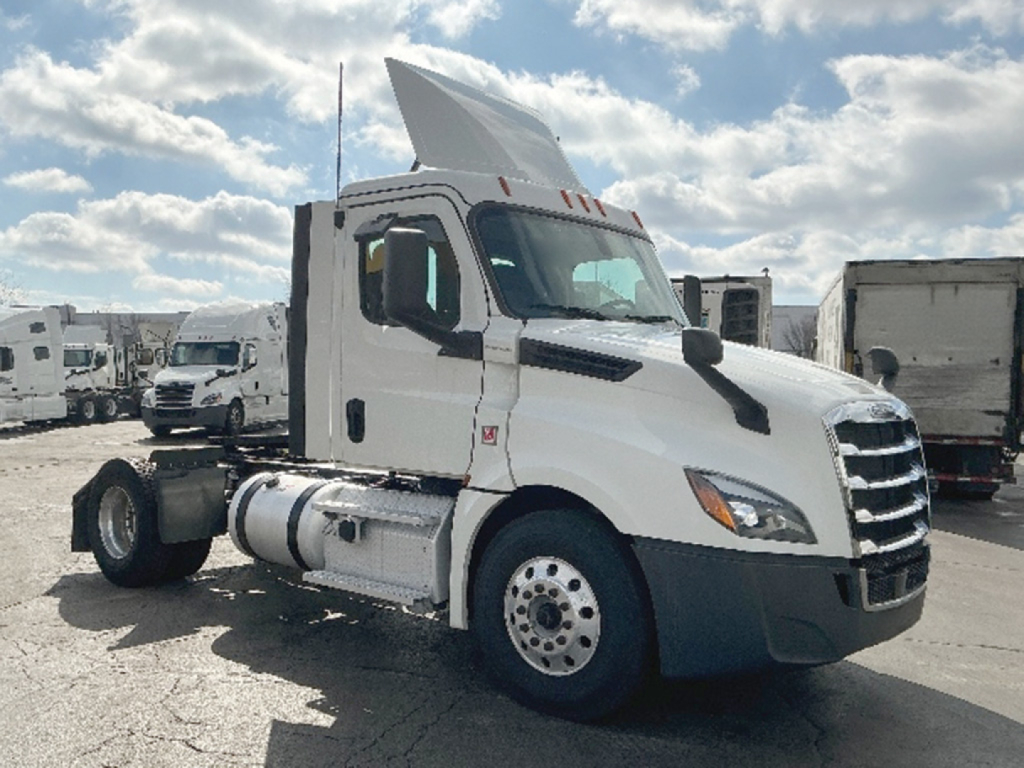
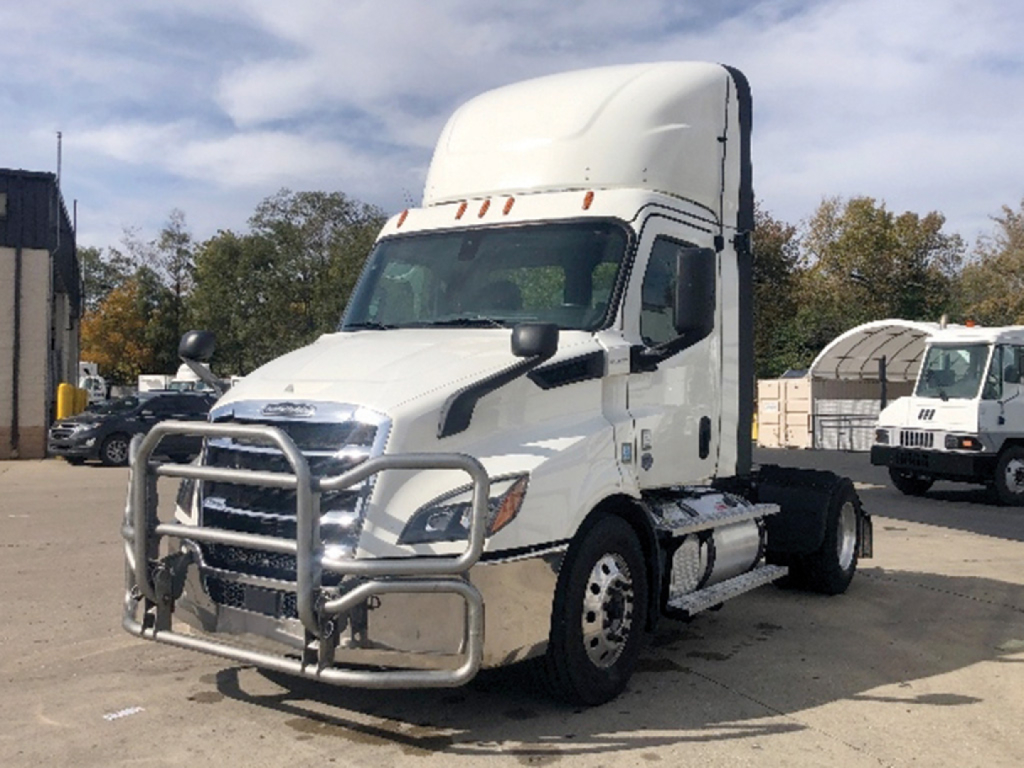
Browse used Freightliner conventional daycab trucks in Illinois, including Cascadia daycabs built for regional haul, port, local delivery, and fleet work.
Learn more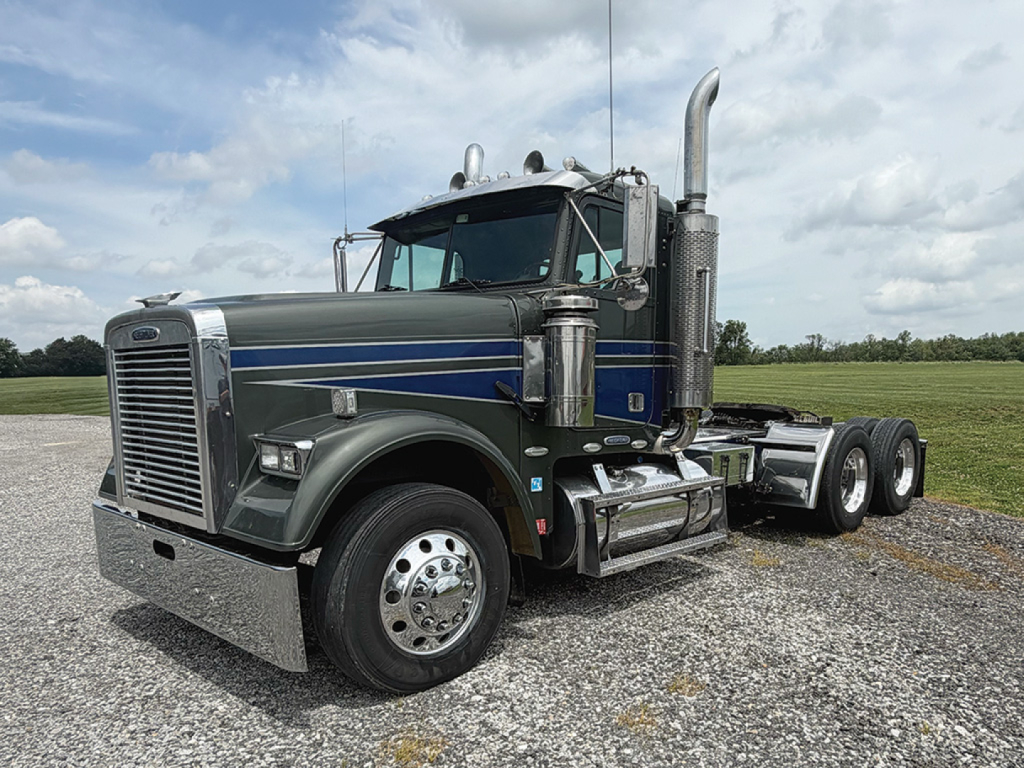

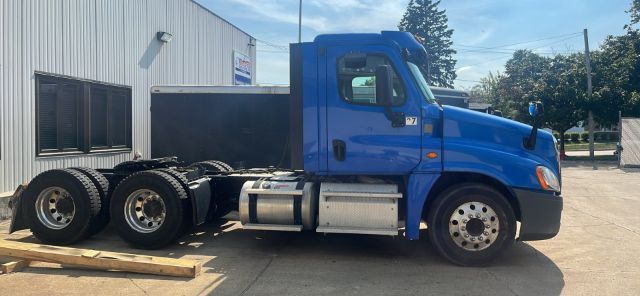
Have used freightliner conventional daycab truck to sell? List it here to reach thousands of buyers.
About Used Freightliner Conventional Daycab Trucks in Illinois
The biggest buying decisions usually come down to engine, transmission, wheelbase, and axle ratings. Many used Freightliner daycabs are spec'd with Detroit powertrains, often paired with automated manual transmissions, though manual transmissions still appear in vocational or older regional setups. Common configurations include 6x4 tandem axle tractors, but some fleets prefer lighter 4x2 specs for lower gross weights and tighter turning. Pay close attention to horsepower and torque ratings, rear axle ratio, suspension type, and fifth wheel setup. Those details matter if the truck will spend most of its life in stop-and-go city traffic, pulling loaded dry vans across northern Illinois, or cycling through rail yards around Chicago.
A used conventional daycab should also be evaluated for real fleet-use wear, not just odometer reading. Buyers should inspect frame condition, steer axle and suspension components, brake life, DPF and aftertreatment history, clutch wear if equipped, and signs of repeated trailer impact around the rear cab and deck plate area. In Illinois, corrosion from winter road treatment is a real consideration, so it is worth checking crossmembers, air tanks, battery boxes, and wiring routing underneath the chassis. Cab condition matters too. Frequent in-and-out duty puts wear on seats, door hinges, steps, grab handles, and interior switchgear faster than long-haul sleeper service.
Freightliner conventional daycab trucks remain popular because they are easy to spec for a wide range of trailer types and route profiles. A buyer comparing listings should think beyond make and model year and match the truck to the work: PTO needs, fuel capacity, daycab roof profile, kingpin setting flexibility, and clearance for the intended trailer. A well-matched used Freightliner daycab can deliver strong uptime, familiar controls, and efficient operating costs for regional and local applications across Illinois.
Frequently Asked Questions
What is a Freightliner conventional daycab truck best suited for?
A Freightliner conventional daycab truck is best suited for regional and local applications where overnight accommodations are not needed. Common uses include intermodal drayage, dedicated freight lanes, tanker work, container hauling, bulk commodity transport, and local or short-haul van and flatbed service. The daycab layout reduces weight and shortens overall vehicle length, which helps in tight yards, urban deliveries, and frequent docking situations.
What should I check on a used Freightliner daycab before buying?
Focus on powertrain history, aftertreatment condition, chassis corrosion, and evidence of hard fleet use. Review engine hours if available, inspect the DPF and emissions service records, and check for oil or coolant leaks around the engine and transmission. Look closely at suspension bushings, brake components, frame rails, fifth wheel wear, cab mounts, and rear-of-cab damage from trailer contact. In Illinois, underside rust on crossmembers, air tanks, and electrical connections deserves extra attention because winter road salt can accelerate wear.
Are Freightliner Cascadia daycabs a common choice in the used market?
Yes. Freightliner Cascadia daycabs are among the most common used regional tractor options because they were widely purchased by fleets and lease operators. That broad population helps with parts sourcing, service familiarity, and resale liquidity. Buyers will find a range of specs, from fuel-efficient fleet tractors with automated manuals to heavier regional or vocational-leaning setups with different axle ratings, wheelbases, and suspension packages.
What drivetrain specs matter most on a conventional daycab?
The most important drivetrain specs are engine rating, transmission type, rear axle ratio, axle configuration, and suspension. Those specs determine how the truck performs in city traffic, at highway speed, and under load. A lower rear axle ratio may support fuel economy on steady regional routes, while other applications need gearing that favors startability and low-speed pulling power. Matching the drivetrain to trailer weight, terrain, stop frequency, and average trip length is more important than choosing by model year alone.
Why do many fleets choose a daycab instead of a sleeper tractor?
Many fleets choose a daycab because it costs less to buy and operate for routes that do not require overnight stays. The shorter cab can improve maneuverability, reduce empty weight, and simplify maintenance compared with a sleeper-equipped tractor. For operations built around daily return-to-base schedules, a daycab is usually the more efficient tool and often provides better yard access and trailer spotting flexibility.