
Used Dorsey Reefer Trailers For Sale
Browse used Dorsey reefer trailers with insight on trailer length, reefer unit hours, insulation, floor condition, and road-ready specs.
Learn more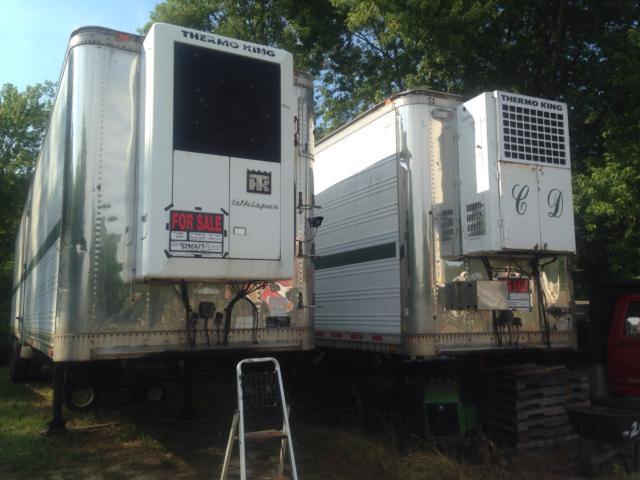
Have used dorsey reefer trailer to sell? List it here to reach thousands of buyers.
About Used Dorsey Reefer Trailers
Start with the reefer unit before anything else. A used refrigerated trailer can look serviceable and still become expensive quickly if the engine, compressor, evaporator, or control system needs work. Buyers should verify total engine hours, start-up behavior, pull-down time, and whether the unit maintains setpoint consistently. Check for signs of deferred maintenance such as oil leaks, worn belts, corroded wiring, damaged hoses, or a history of refrigerant loss. On older trailers, it is also smart to confirm parts support for the reefer model and to inspect the fuel tank, unit frame mounts, and control panel condition.
The trailer itself needs the same level of scrutiny. Floor condition is critical on any reefer because soft spots, rot, or damaged aluminum duct flooring can affect both cargo support and airflow. Look closely at the front wall, roof seams, door frames, and lower sidewalls for water intrusion or insulation breakdown. Rear doors should seal tightly, and the trailer should not show major daylight around gaskets or frame openings. Suspension type, axle spacing, tire condition, brake wear, and overall undercarriage rust all affect what the trailer will cost to put into service. If the trailer is being used for produce, frozen freight, dairy, or LTL temperature-controlled runs, clean interior surfaces and intact scuff liners also matter.
A used Dorsey reefer trailer can still make sense for local delivery, seasonal harvest work, cold storage support, or backup fleet capacity if the refrigeration unit is sound and the box is tight. Buyers comparing listings should think in terms of total operating readiness, not just sale price. A lower-cost trailer that needs refrigerant work, flooring repairs, and brake service can outrun the price of a better-maintained unit very quickly. The best candidates in this category are trailers with documented reefer service, solid door seals, good tires and brakes, and a proven ability to hold temperature on the road.
Frequently Asked Questions
What should I inspect first on a used Dorsey reefer trailer?
The refrigeration unit should be the first priority because it usually drives the largest repair costs. Check engine hours, cold-start performance, pull-down time, fuel system condition, and whether the unit holds setpoint consistently. After that, inspect the trailer box for floor damage, water intrusion, poor door seals, insulation problems, and corrosion in the understructure.
Are older Dorsey reefer trailers still a good buy?
They can be, especially for local routes, seasonal use, storage applications, or fleets that need lower-cost temperature-controlled capacity. The key is not the trailer age by itself but the condition of the reefer unit, structural integrity of the box, and the remaining life in the tires, brakes, suspension, and floor. A well-kept older trailer can still perform reliably if it has been maintained correctly.
How important are reefer unit hours on a used trailer?
Reefer unit hours are one of the best indicators of remaining service life and maintenance exposure. Lower hours are generally preferred, but the full maintenance record matters just as much because a higher-hour unit with documented service can be a better buy than a lower-hour unit with neglected upkeep. Buyers should compare hours along with service intervals, repair history, and actual cooling performance.
What freight is a used Dorsey reefer trailer commonly suited for?
These trailers are commonly used for produce, frozen foods, dairy, meat, floral loads, beverages, and other temperature-sensitive freight. They can also work well for short-haul distribution, temporary cold storage, and seasonal agricultural hauling. The right application depends on the trailer's insulation condition, floor integrity, door seal quality, and the reefer unit's ability to maintain the required temperature range.
How do I know if a used reefer trailer is road ready?
A road-ready reefer trailer should have a functioning refrigeration unit, solid floor, tight door seals, legal tires, dependable brakes, and no major suspension or frame issues. Buyers should also confirm lighting, ABS function if equipped, wheel-end condition, and the overall state of the landing gear and rear frame. A pre-purchase inspection that includes both the trailer chassis and the reefer system is the safest way to verify operating readiness.