
Yard Trucks For Sale in Texas
Compare yard trucks for sale in Texas. Learn key specs, lift capacity, cab features, and what matters in a yard hostler.

Have yard truck to sell? List it here to reach thousands of buyers.
Yard Trucks in Texas
In Texas, duty cycle and heat management are important buying factors. A yard truck working all day in a busy warehouse yard or intermodal operation needs a cooling system and drivetrain that can tolerate constant stop-and-go use, long idle periods, and frequent direction changes. Common engines in this class include medium-duty diesel platforms such as the Cummins 6.7L, often paired with an Allison automatic. Horsepower ratings are usually modest compared with road tractors, because yard tractors are geared for low-speed torque, durability, and repeated trailer movement rather than highway miles. Hydraulic power steering, full fenders, a center-mounted operator position on some models, and high-visibility cab layouts all help reduce driver fatigue and improve safety in congested yards.
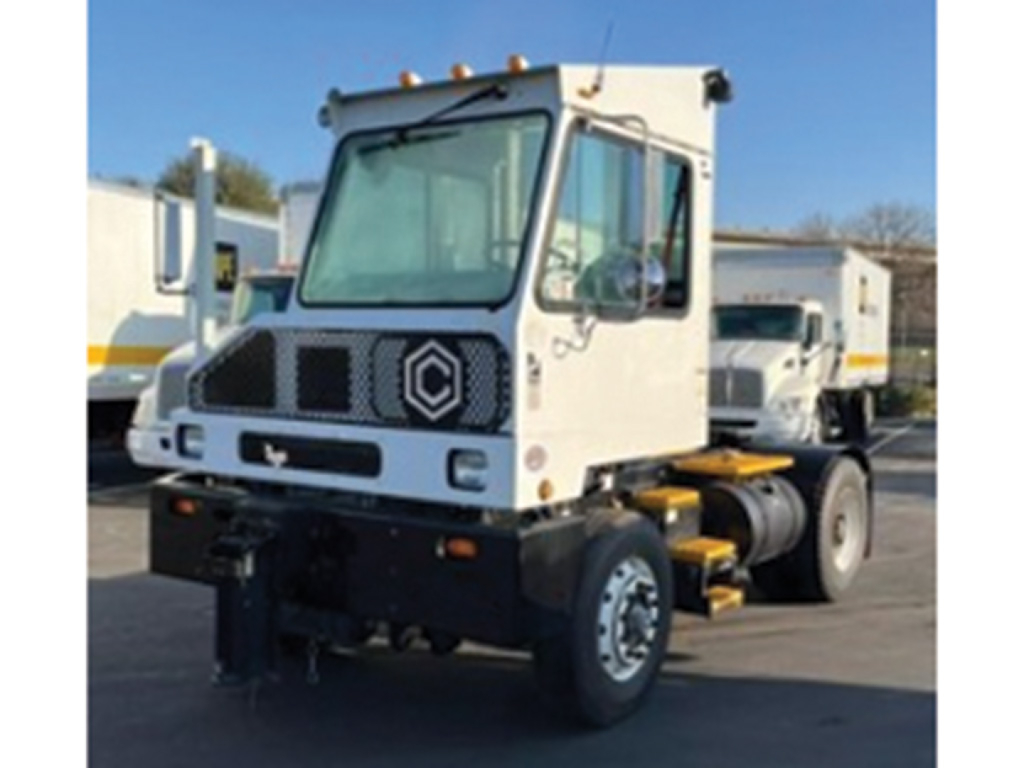
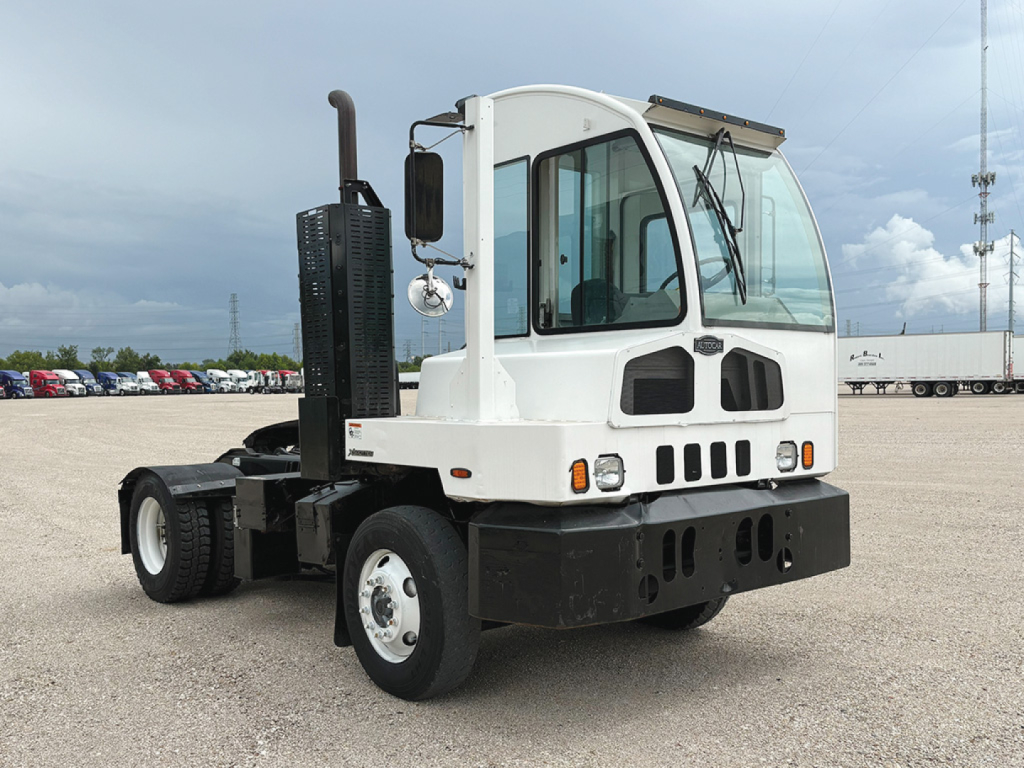
Cab design is a major differentiator in this category. Buyers should pay attention to step height, grab-handle placement, sightlines to both trailer and dock, and the simplicity of the control layout. An elevated cab and large glass area can speed up spotting work and lower the chance of yard damage. Wheelbase, turning radius, and fifth-wheel lift travel are worth comparing across listings, especially if the operation handles mixed trailer heights or works in narrow lanes. Brake configuration, tire size, and frame condition also deserve a close look, since these trucks live hard lives with constant coupling impacts, curb contact, and short-cycle braking.
The best yard truck is the one matched to the site, shift length, and trailer volume. Some fleets prioritize a simple diesel hostler for standard warehouse work, while others need heavier-duty terminal tractors for port, rail, or cold-storage operations with higher daily move counts. When comparing used yard trucks, focus on hours, transmission behavior, hydraulic fifth-wheel function, steering wear, cooling performance, and evidence of frame or cab fatigue. In this category, uptime, visibility, and easy trailer handling usually deliver more value than headline power numbers.
Frequently Asked Questions about Yard Trucks in Texas
What is a yard truck used for?
A yard truck is used to move semi-trailers within a confined area such as a warehouse yard, distribution center, port, rail terminal, or manufacturing plant. Its main job is spotting trailers at dock doors, staging loaded and empty trailers, and shuttling equipment short distances on private property. Yard trucks are designed for frequent trailer hookups and drop-offs, tight turning, and all-day stop-and-go operation rather than long-distance highway use.
What is the difference between a yard truck and a road tractor?
A yard truck is purpose-built for low-speed terminal work, while a road tractor is built for highway travel and long-haul freight. Yard trucks typically have a shorter wheelbase, a hydraulic lifting fifth wheel, easier cab entry, and an automatic transmission suited to repeated forward-reverse cycles. They usually have lower horsepower than highway tractors because they are optimized for maneuverability, visibility, and fast trailer handling, not sustained road speed.
What should I inspect on a used yard hostler?
The most important areas to inspect on a used yard hostler are the hydraulic fifth wheel, transmission operation, steering components, cooling system, brakes, frame rails, and cab structure. Buyers should also check for excessive wear from repeated trailer impacts, verify that the lift mechanism raises and lowers smoothly, and look closely at tires, suspension, and driveline condition. Engine hours and maintenance history often tell more about a yard truck's real life than model year alone.
Are yard trucks street legal in Texas?
Some yard trucks can be configured for limited on-road use, but many are intended primarily for off-highway or private-property operation. Street legality in Texas depends on how the truck is equipped, titled, registered, and insured, along with applicable state and local requirements. Buyers should confirm lighting, braking, emissions, title status, and registration details before planning any public-road use, because many terminal tractors are sold strictly for yard service.
What engine and transmission setup is common in a yard truck?
Many yard trucks use a medium-duty diesel engine such as a Cummins 6.7L paired with an Allison automatic transmission. This combination is common because it supports frequent shifting, repetitive stop-and-go cycles, and reliable low-speed trailer movement. In this application, smooth engagement, cooling capacity, and durability under constant directional changes are usually more important than high horsepower.