
Trucks For Sale Near Wichita Falls, Texas
Trucks for sale in Wichita Falls, Texas with the right floor strength, thermal integrity, low tare weight, and corrosion resistance for payload and uptime.
Learn more
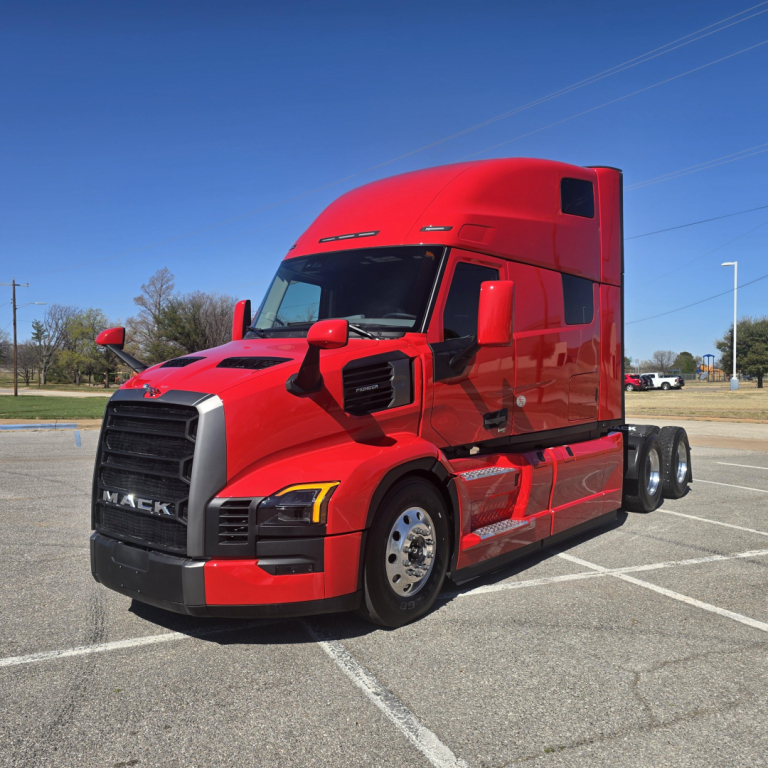
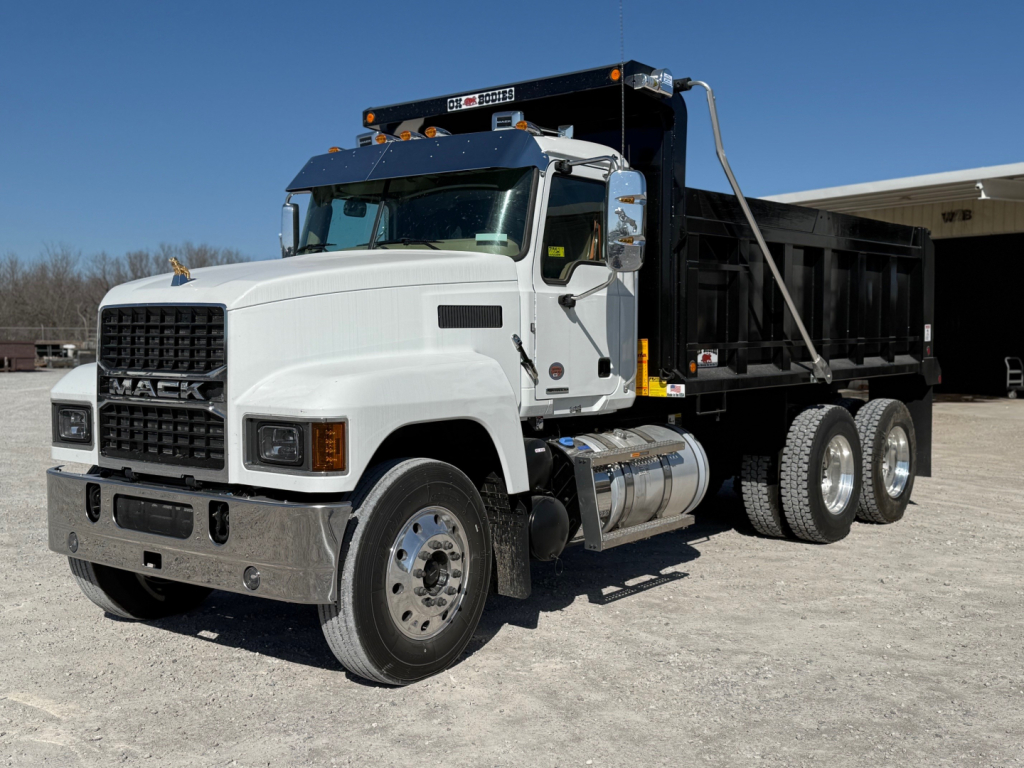
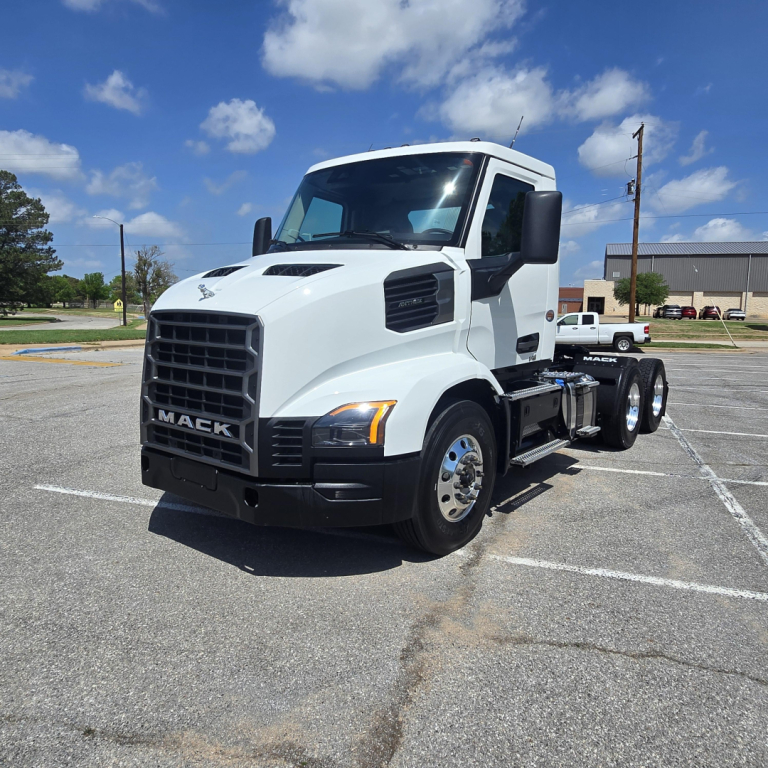
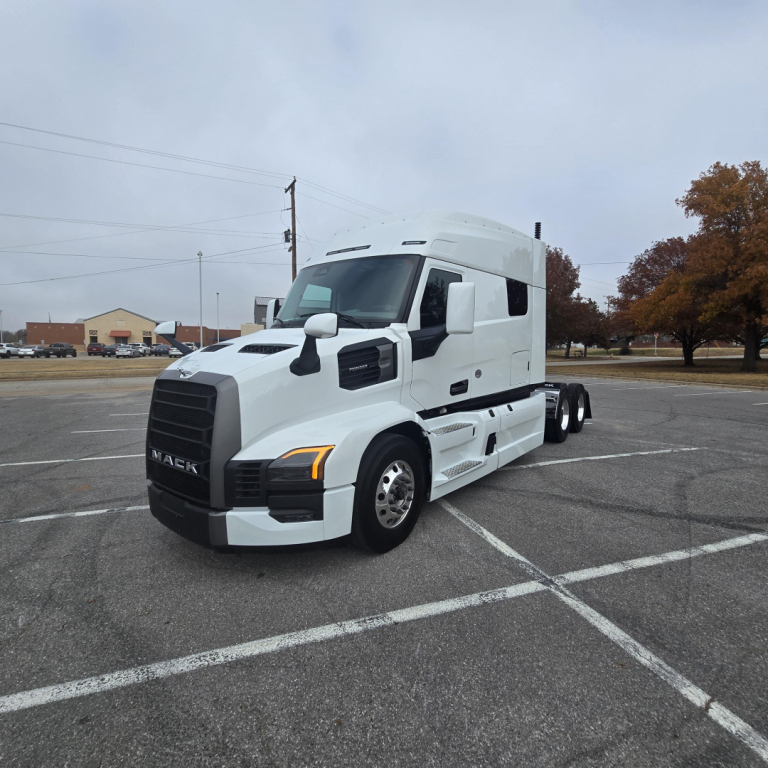
Showing 13 to 23 of 23 results
Have truck to sell? List it here to reach thousands of buyers.
About Trucks Near Wichita Falls, Texas
Floor strength is critical on van and reefer straight trucks and matters for flatbeds as deck rating. Look for laminated hardwood or aluminum duct floors with 12 inch on-center crossmembers for heavy forklift traffic, and verify forklift axle ratings in pounds per axle, commonly 12,000 to 18,000. Aluminum or stainless scuff liners protect walls from pallet impact, and logistics posts or recessed E-track should be anchored through robust sills. On flatbeds, apitong or aluminum decks resist point loading, and deck thickness plus outrigger design affects concentrated load capacity. Inspect the rear threshold, subframe, and liftgate mount for crush, cracking, or corrosion, since those areas carry repeated high-impact loads.
Thermal integrity is a must-have for refrigerated trucks in Texas heat. Foam-in-place polyurethane insulation, tight door seals, thermal breaks at posts, and a white roof reduce heat gain and unit run time. Air chutes or ceiling plenums keep return and discharge air separated, preventing hot spots near the ceiling. Evaluate the reefer unit’s capacity relative to route setpoints, check hour meter and service records, and inspect for light leaks at doors and sidewalls. For sleepers, better cab insulation, sunshades, and an APU or bunk heater maintain driver comfort, reduce idle time, and protect aftertreatment from heat soak.
Corrosion resistance protects lifecycle value even in North Texas, where heat, dust, and occasional brine can attack frames, electrical, and hardware. E‑coated or powder-coated frame rails, sealed main harnesses, Deutsch connectors, and stainless hinges and fasteners reduce failures. Aluminum wheels, tanks, and body components trim tare weight and resist rust, while galvanized subframes under reefer or van bodies prevent crevice corrosion. Tire pressure monitoring or automatic inflation systems help control heat buildup in casings, preserving tread life in summer. Balance lightweight choices like wide-base singles, aluminum hubs, and disc brakes against uptime needs, traction on caliche or wet pavement, and axle load distribution to stay compliant and profitable.
Frequently Asked Questions
What floor rating should I target for a box or reefer truck that sees heavy forklift loading?
Look for a documented forklift axle rating rather than a generic floor claim. A common spec for beverage, foodservice, or LTL routes is 12,000 to 18,000 pounds forklift axle rating, supported by laminated hardwood or aluminum duct floors with 12 inch on-center crossmembers and reinforced rear thresholds. Verify fastener type, sill design, and scuff liner attachment so impact loads do not transfer into thin wall panels. Inspect for deflection, crushed sills, or fastener pull-through at the rear 4 feet where loads concentrate.
How do I evaluate the thermal integrity of a refrigerated straight truck for Texas heat?
Start with insulation thickness and quality, preferably foam-in-place polyurethane with consistent density and intact thermal breaks at posts and floor. Check door seals, hinges, and hardware for light leaks, inspect for repair patches, and look for air chutes that separate discharge and return air. Review the reefer unit’s capacity versus your setpoints and door-open profile, confirm hour meter and service records, and do a pull-down test to verify it reaches and holds temperature. A bright, reflective roof and integrated scuff liners also help reduce heat gain and physical damage over time.
How much does reducing tare weight really add to payload on Texas routes?
Every pound you remove from tare weight is a pound you can add to payload, provided axle weights remain legal. Swapping to aluminum wheels, wide-base singles, composite or aluminum components, and disc brakes can trim several hundred pounds. That extra capacity can mean fewer trips or higher revenue per load, but ensure the lighter spec still meets your frame RBM, brake performance, cooling needs in heat, and traction requirements. Always confirm axle group limits and bridge compliance when redistributing weight.
Which corrosion resistance features matter most for trucks operating around Wichita Falls?
Focus on coatings and sealed systems. E‑coated or powder-coated frames, galvanized or stainless subframes under van or reefer bodies, stainless hinges and hardware, and sealed wiring with quality connectors all extend service life. Check liftgate mounts, battery boxes, rear thresholds, and crossmembers for trapped moisture or brine residue. Aluminum components resist rust and cut weight, but watch for galvanic contact points and ensure proper isolators are in place to prevent pitting. Routine underbody washing after winter events preserves coatings and fasteners.
How should I match a highway tractor to trailers used on US 287 and I‑44 corridors near Wichita Falls?
Choose a wheelbase and slider fifth wheel range that let you center axle weights with the trailer’s common kingpin settings while maintaining bridge compliance and turning clearance. Pair rear axle ratios and transmission gearing to your cruise speed and wind profile so the engine stays in its efficiency band. Match fifth wheel height to trailer ride height for aerodynamics and stability, and use side fairings and roof deflectors when pulling dry vans or reefers. Tire pressure monitoring helps with heat control on long summer runs, improving casing life and fuel economy.