
New Western Star Trucks For Sale
Shop new Western Star trucks including 47X and 49X models. Compare specs, vocational setups, sleeper and day cab configurations.
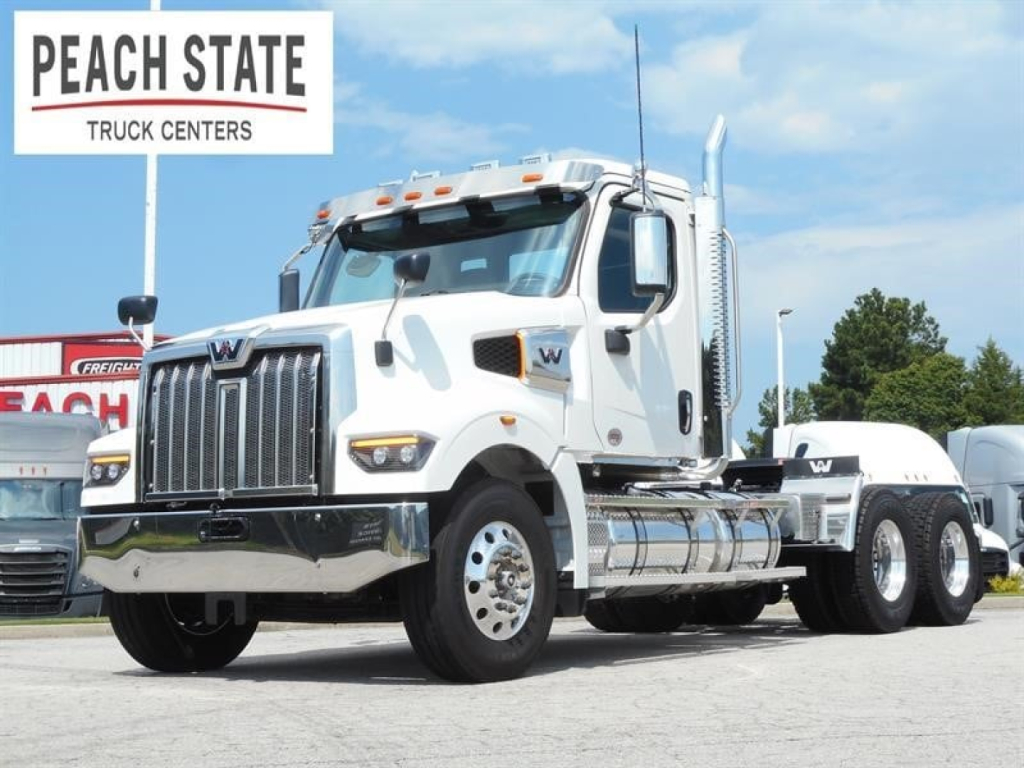
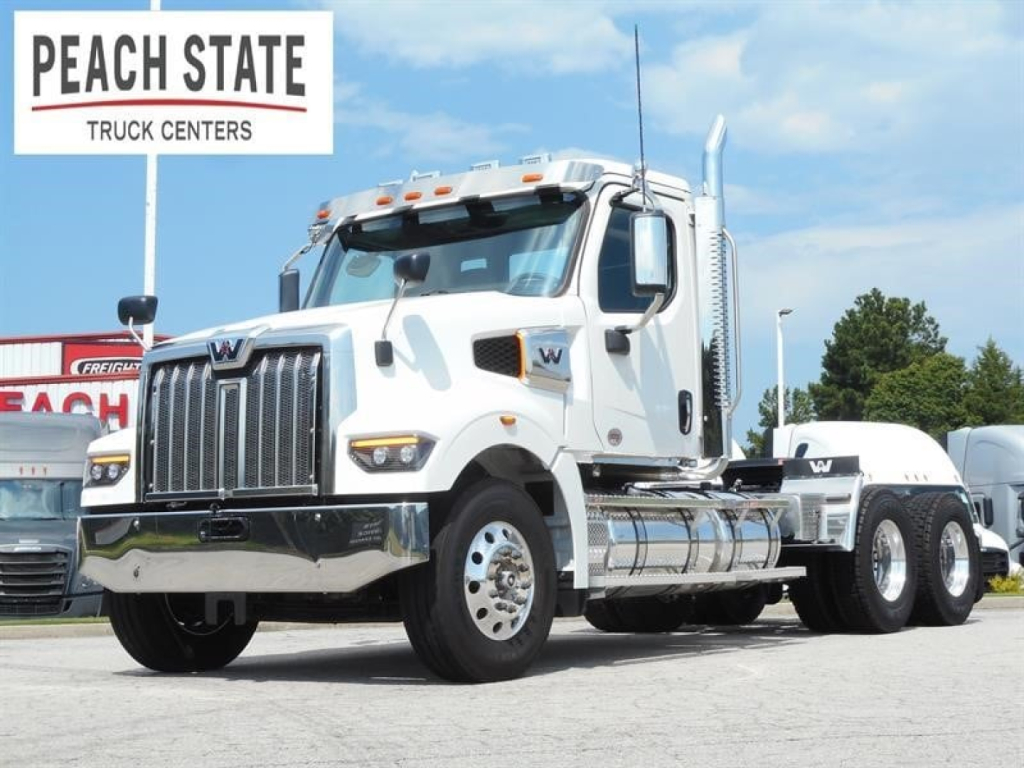
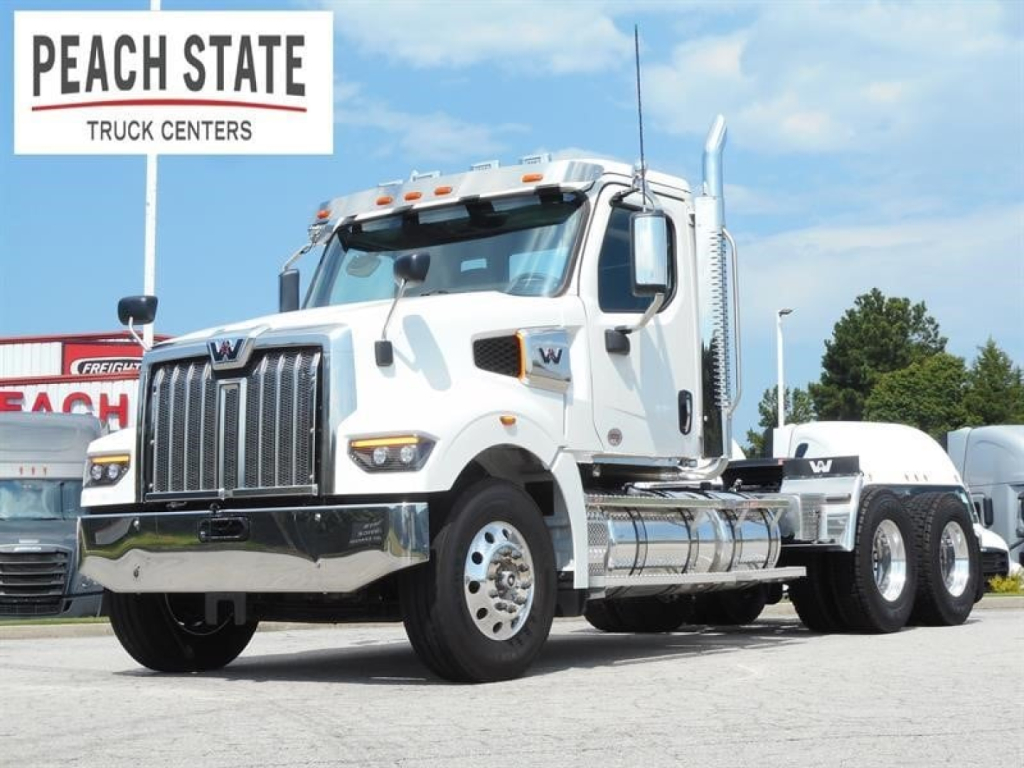
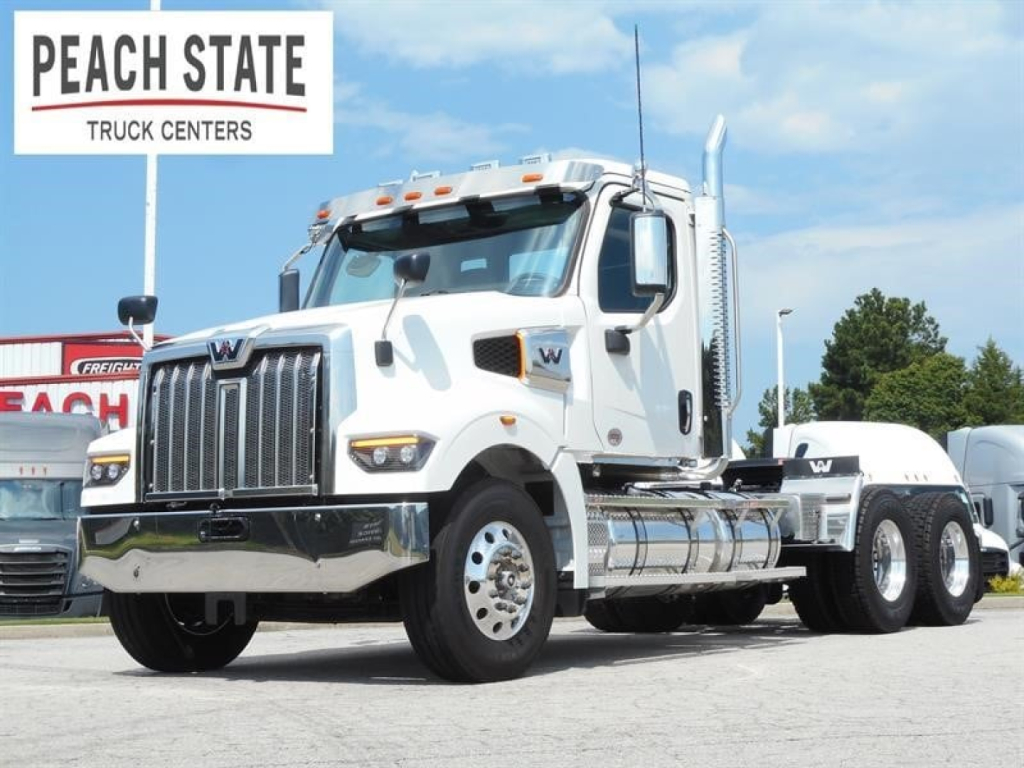
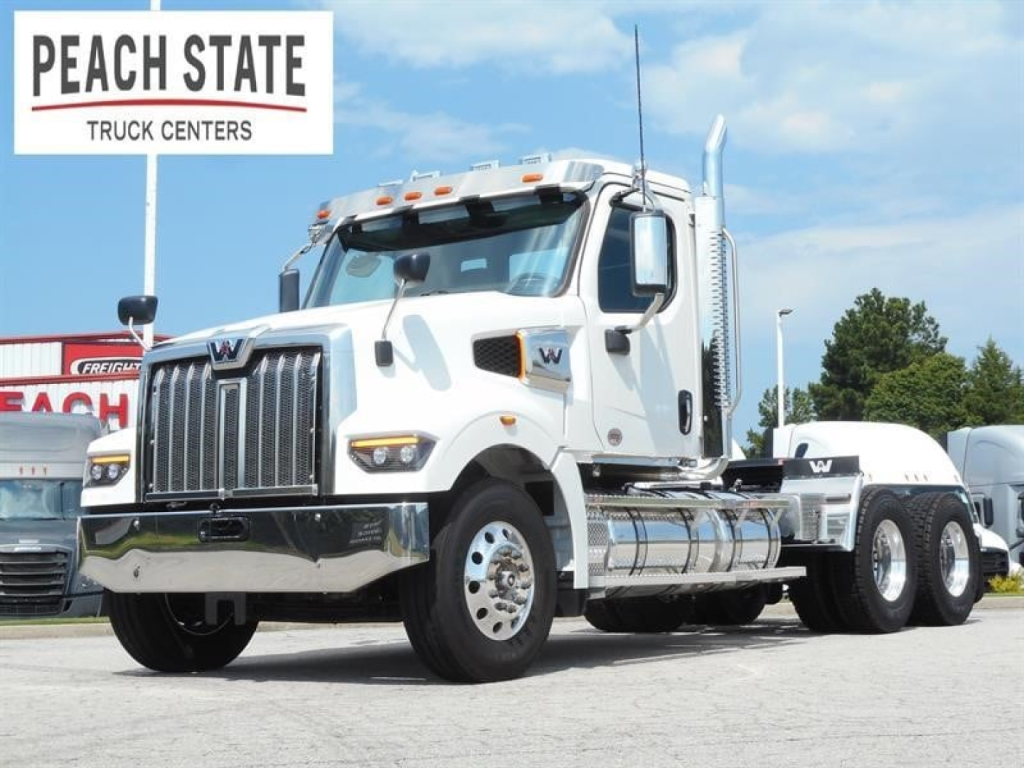
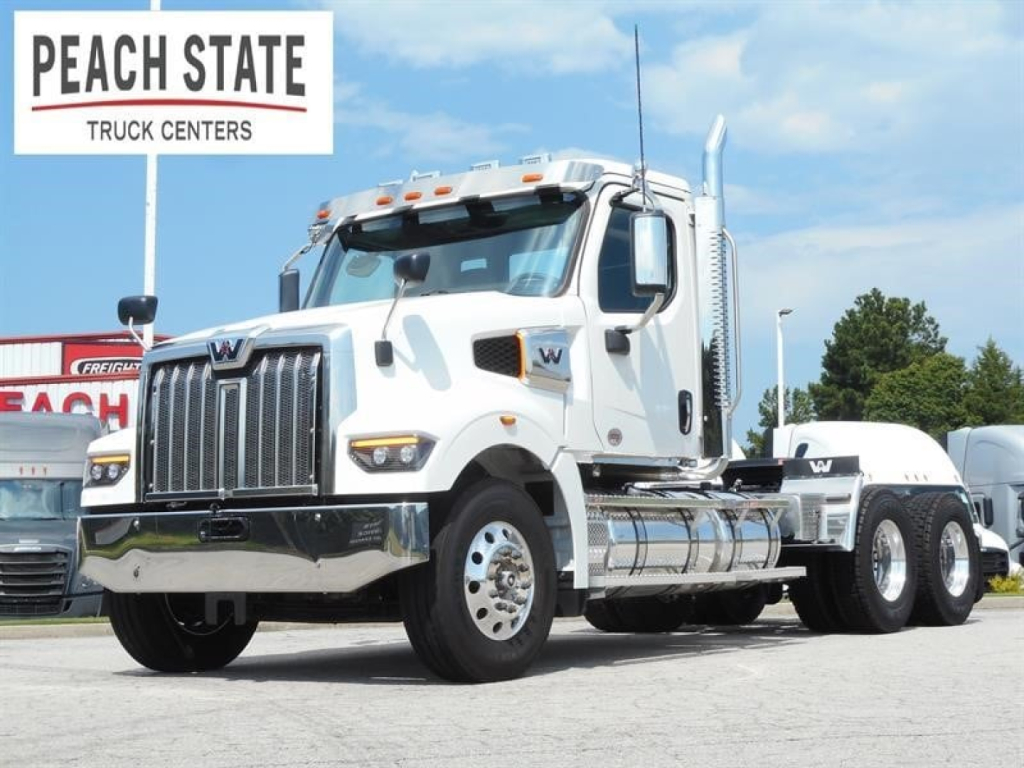
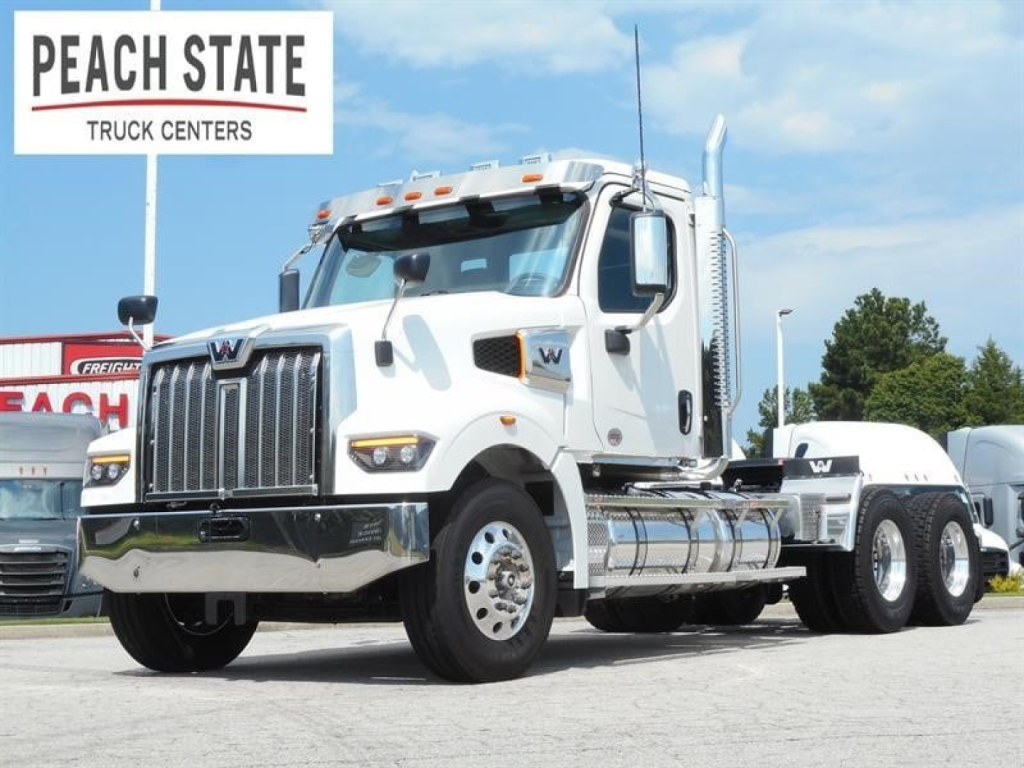
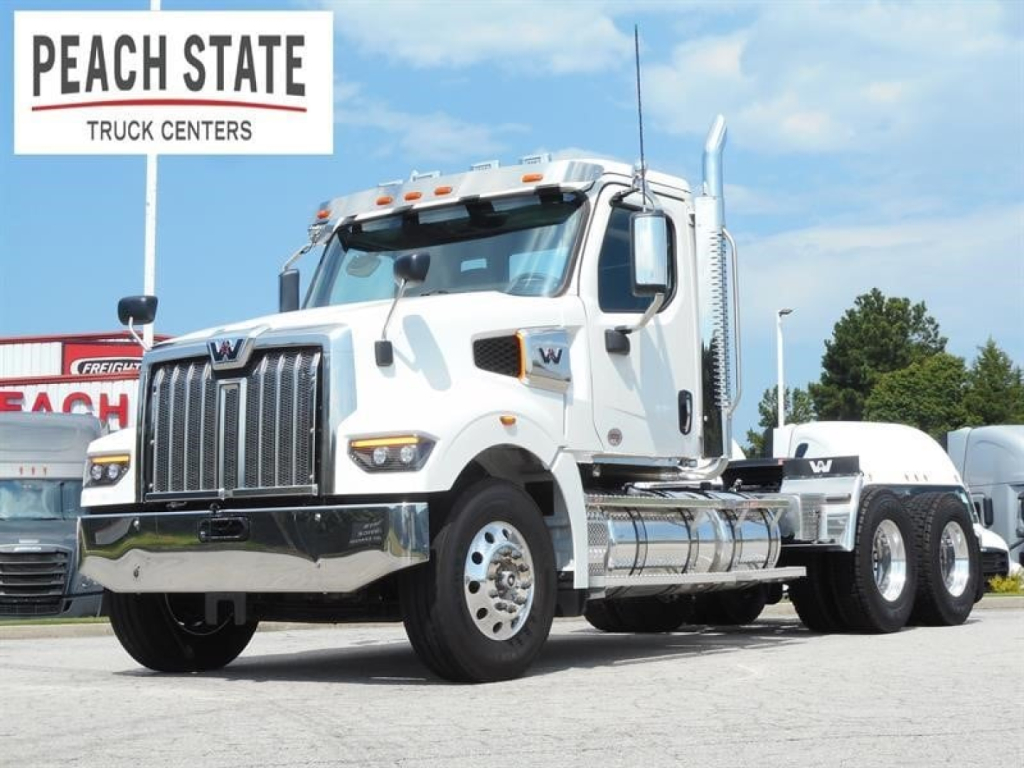
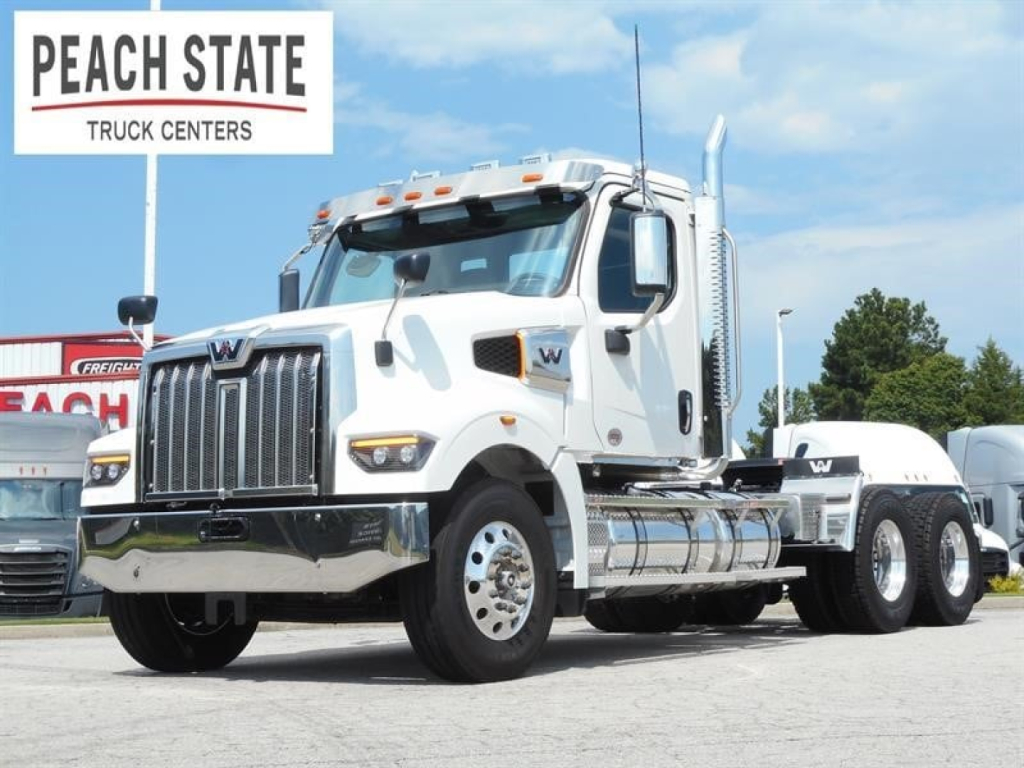
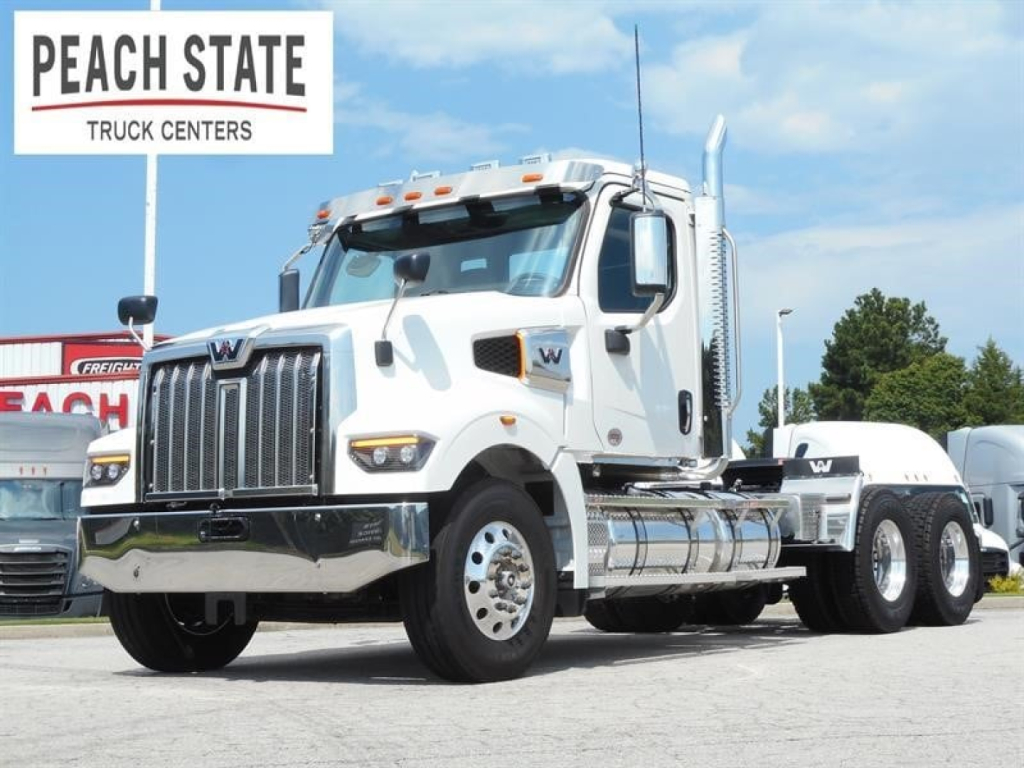
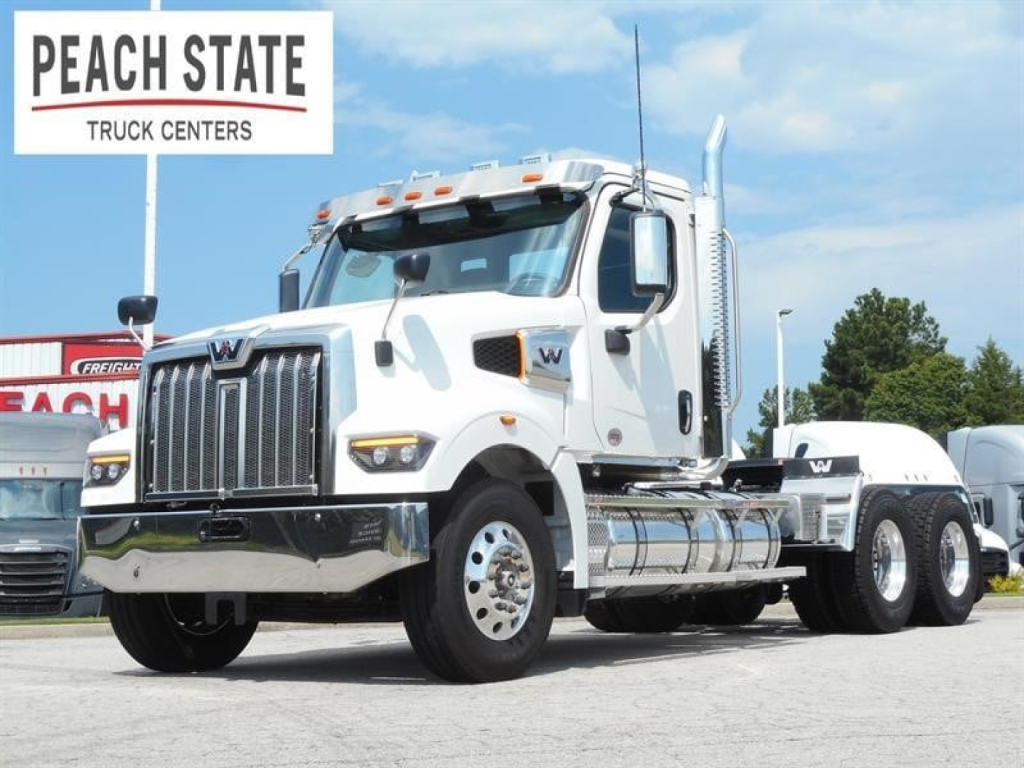
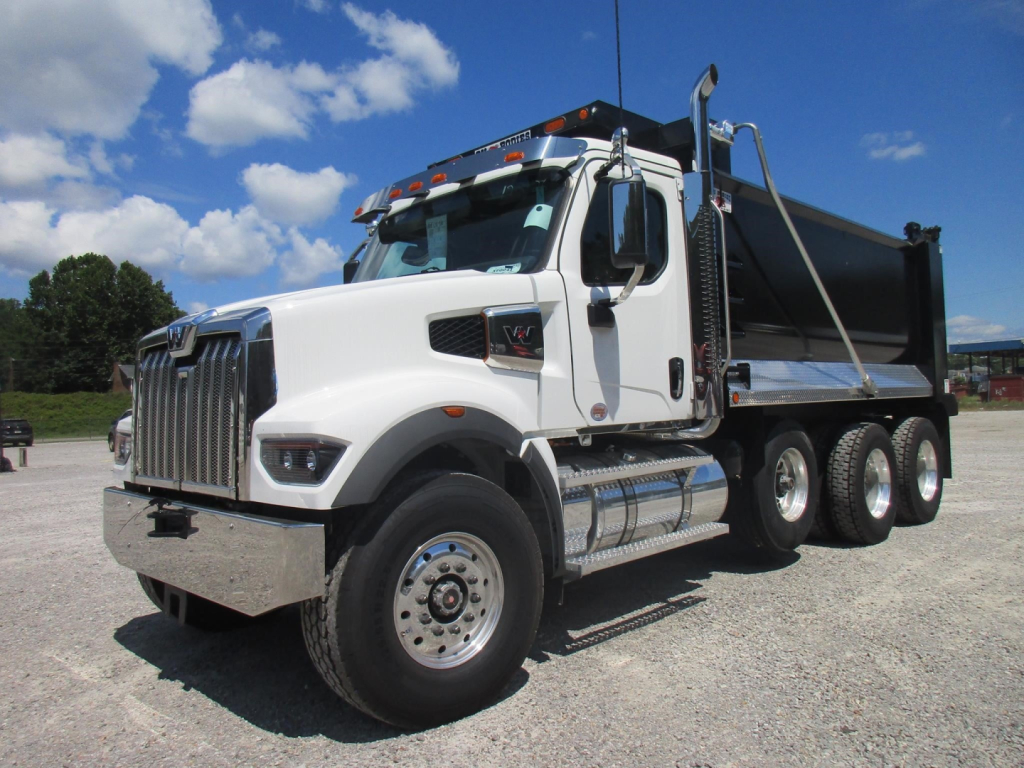
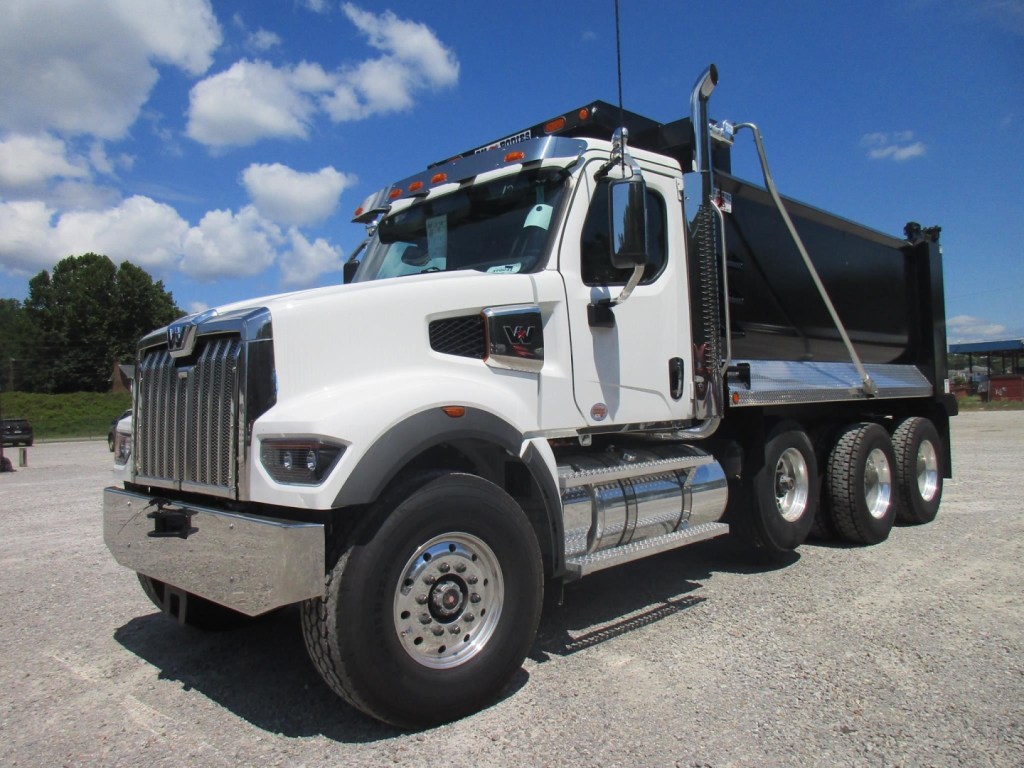
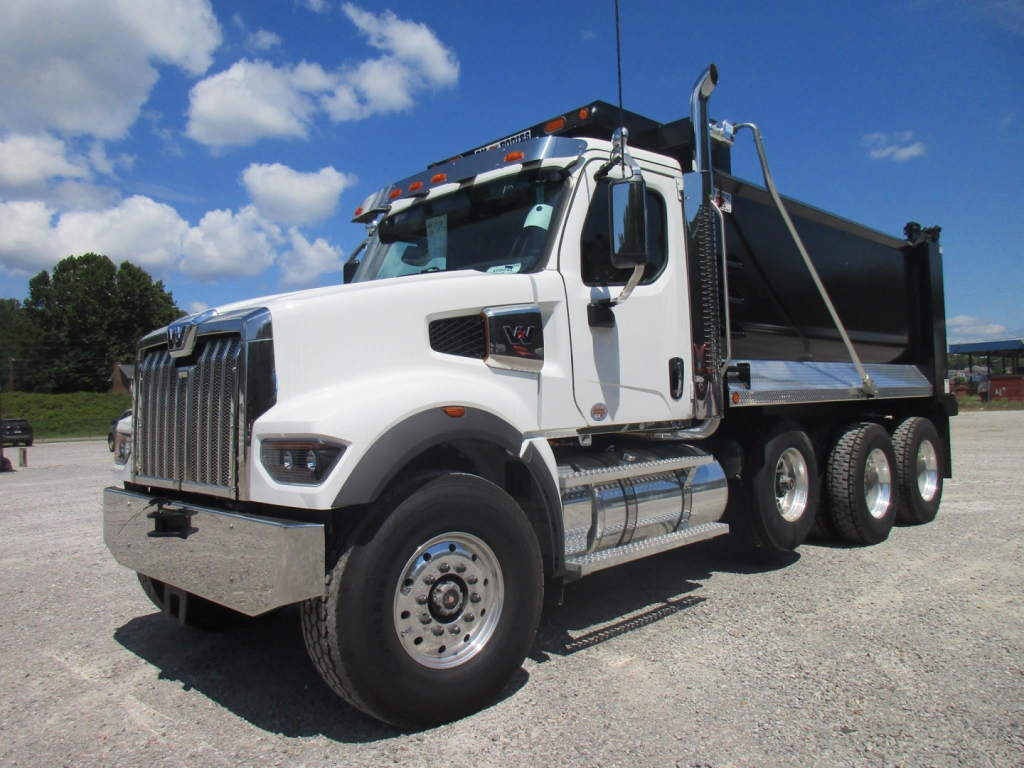
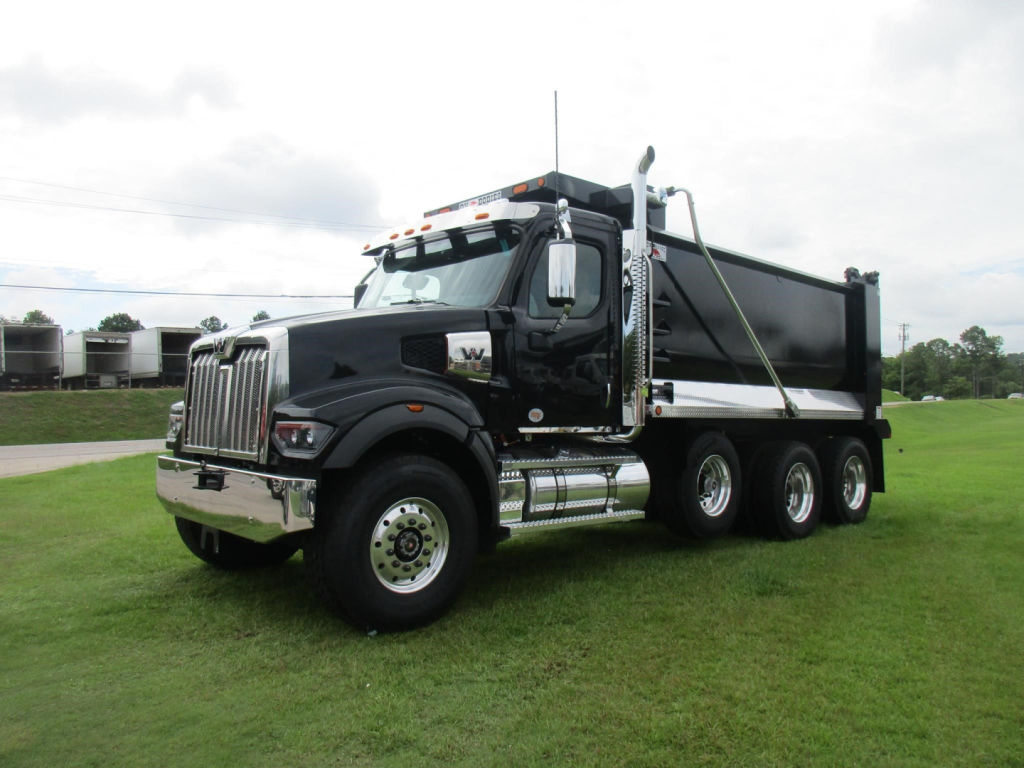
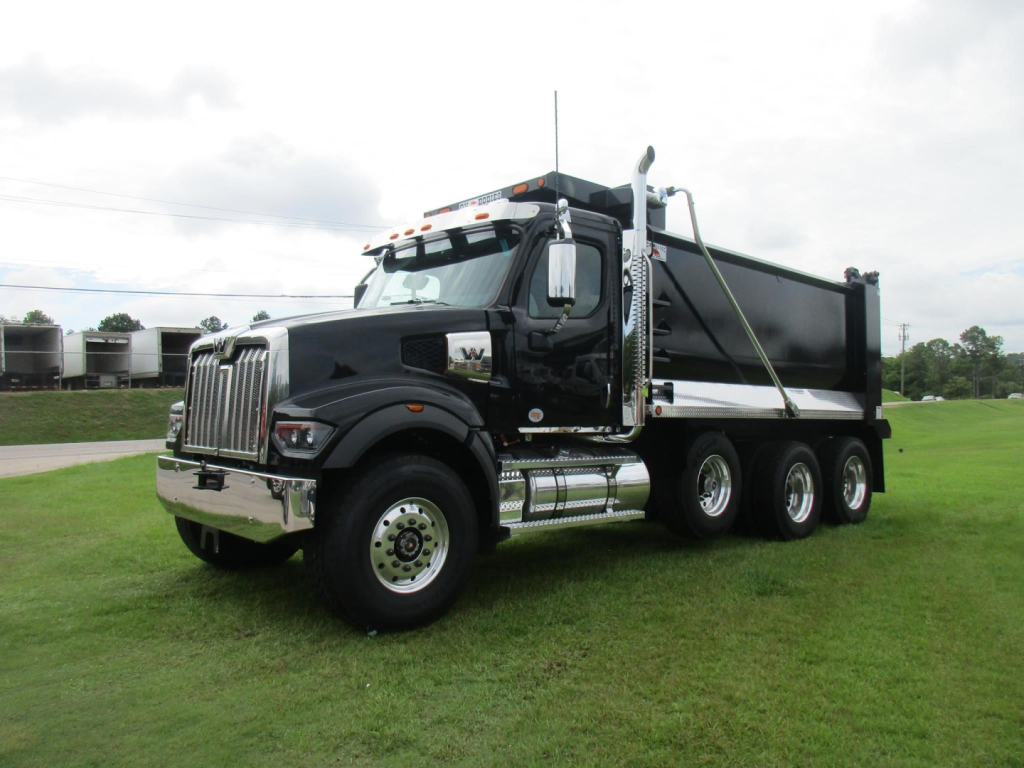
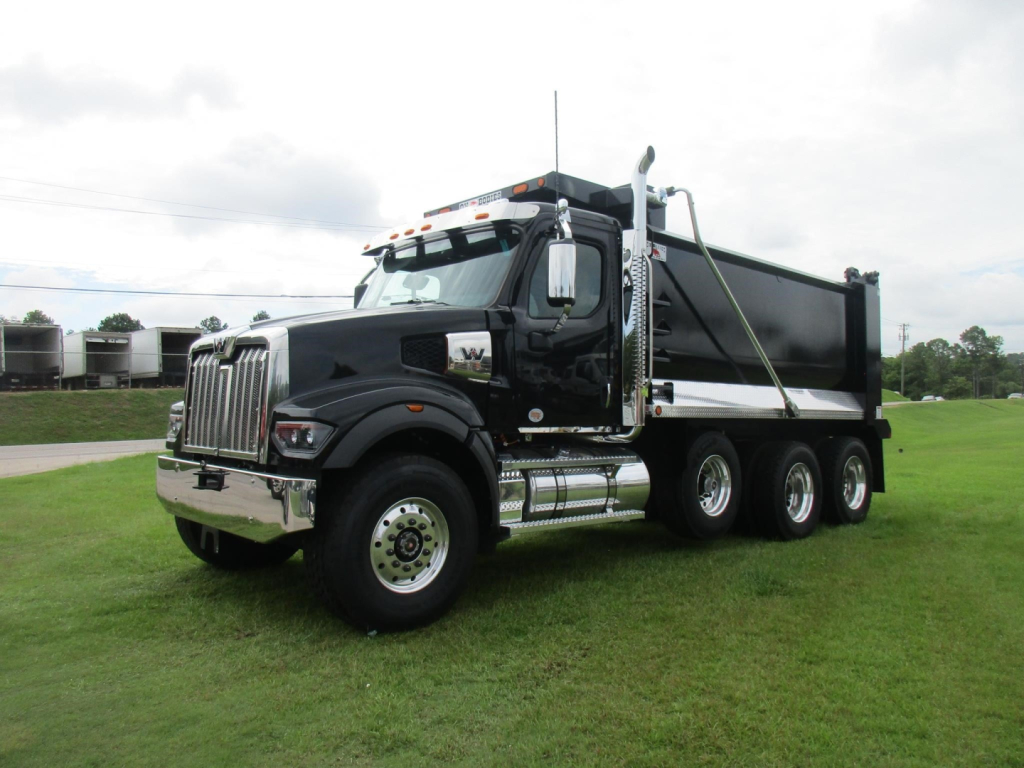
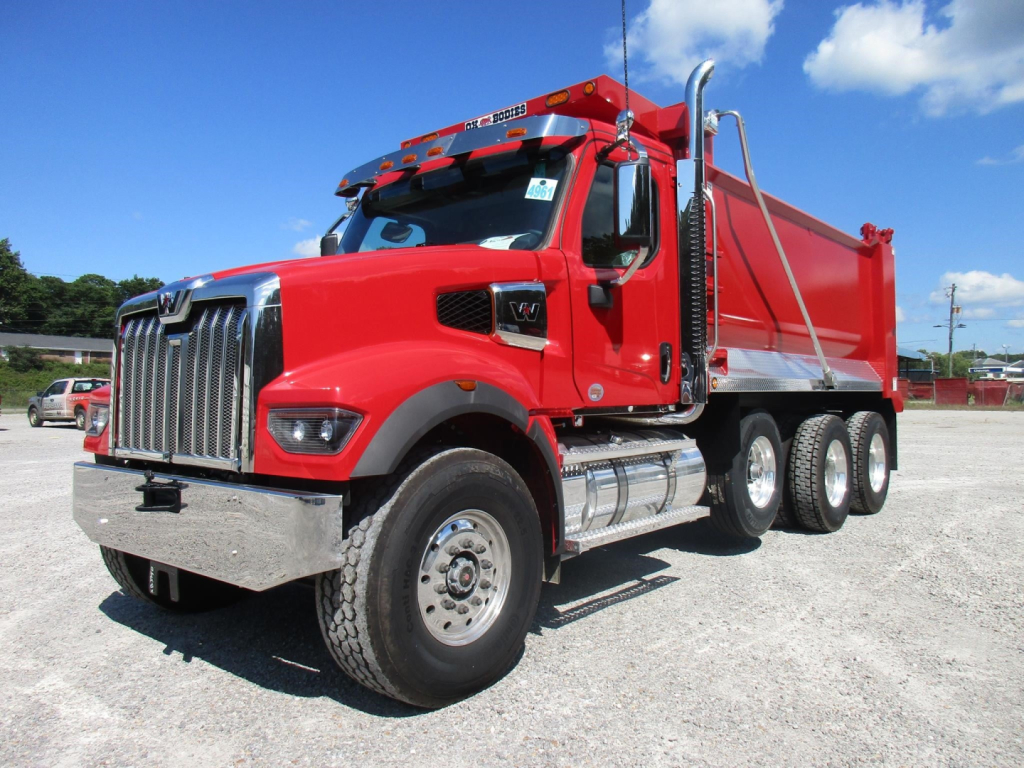
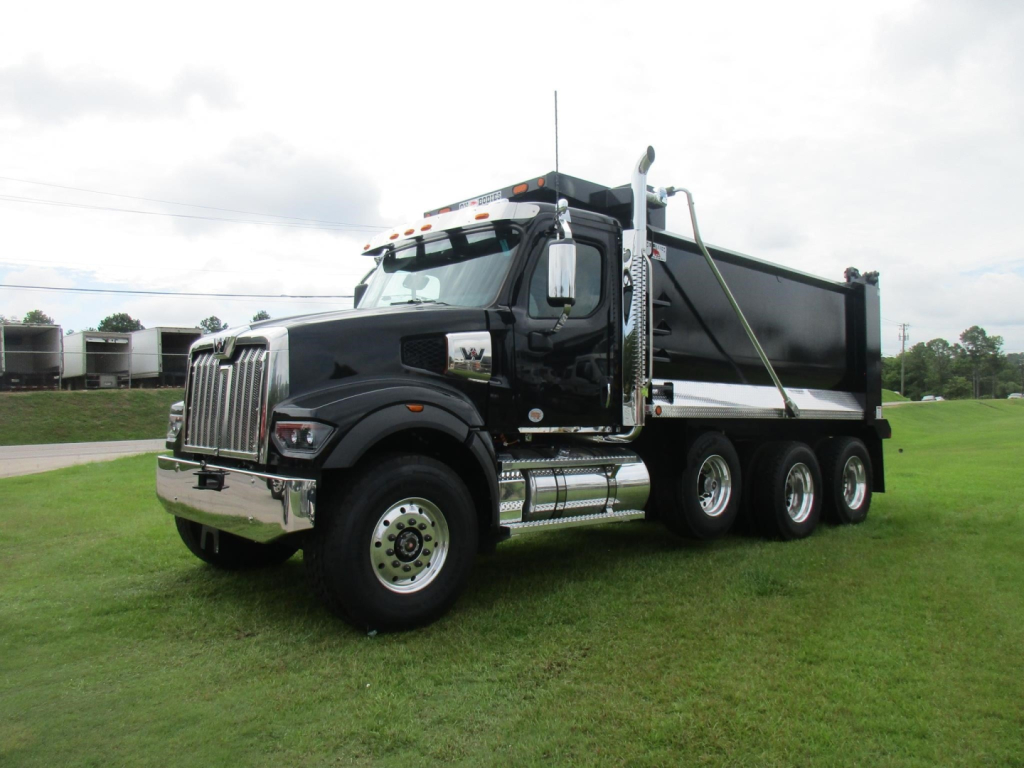
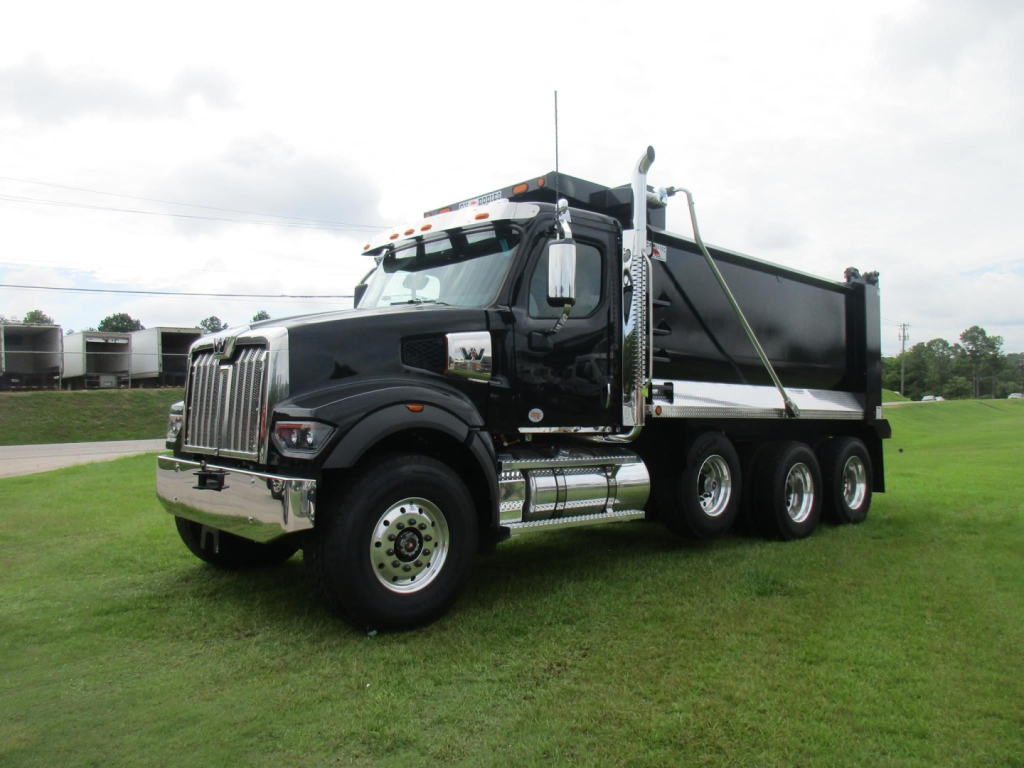
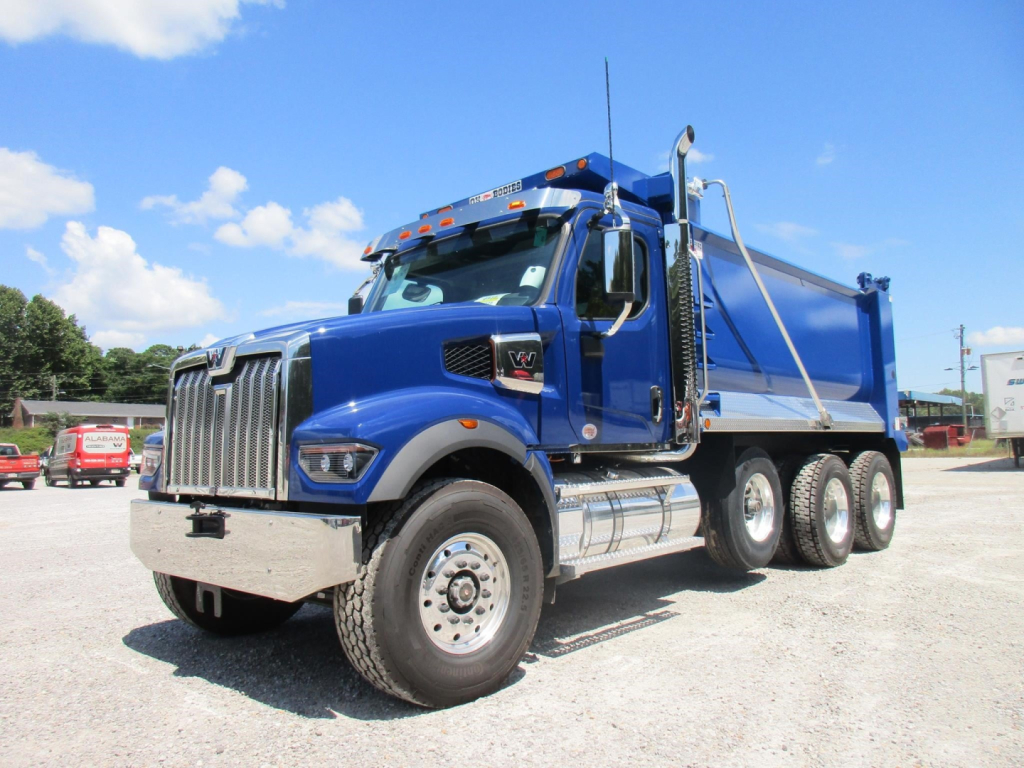
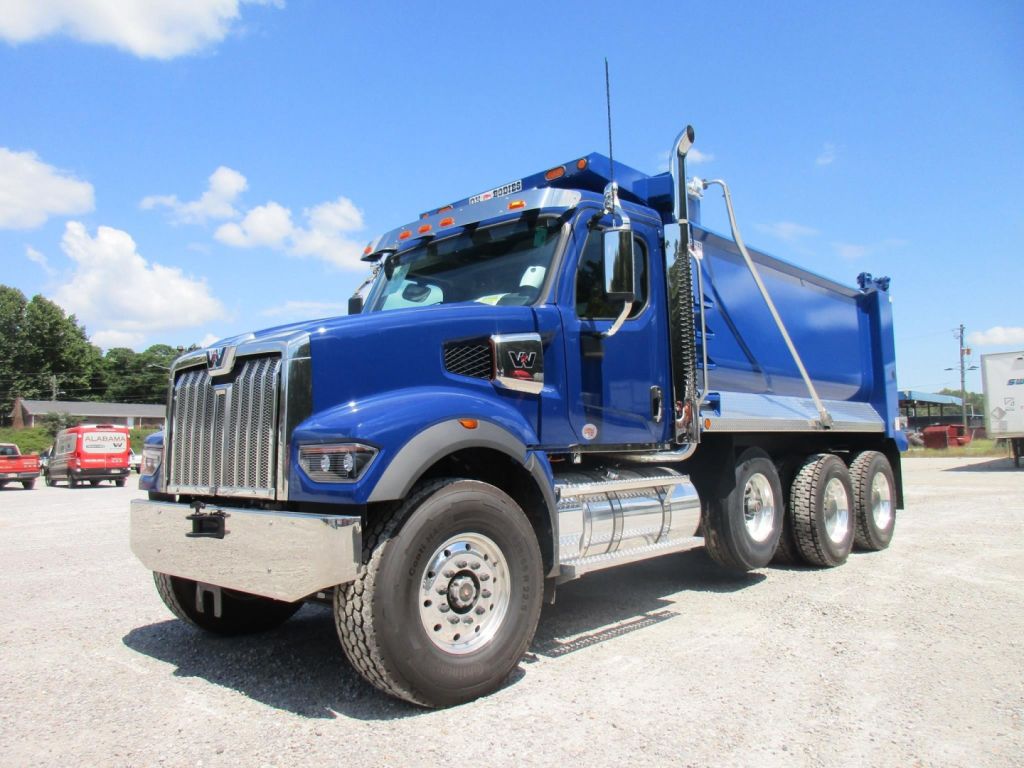
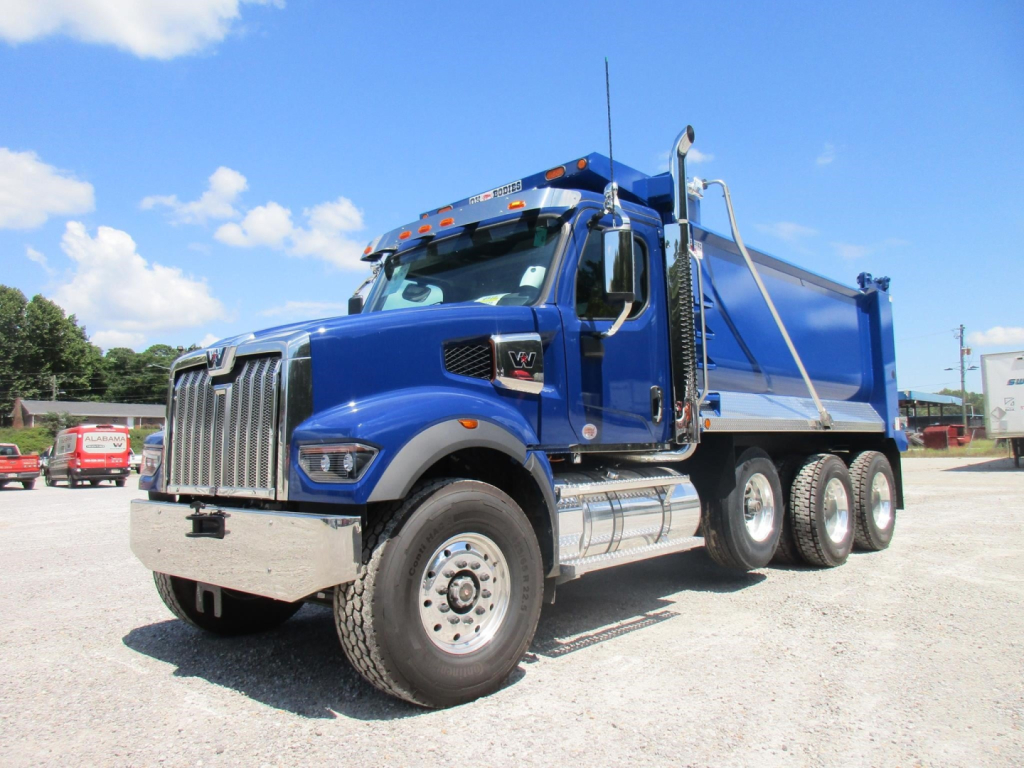
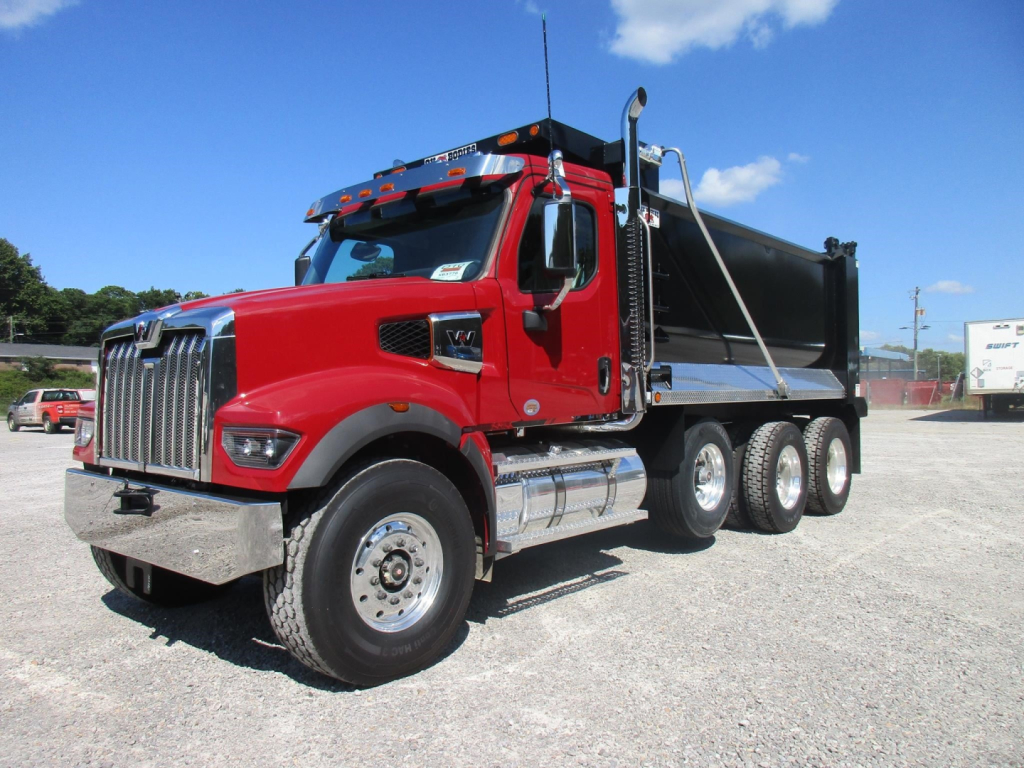
Showing 29 to 56 of 131 results
Selling a new western star truck? List your new western star truck for sale and reach thousands of commercial buyers.
New Western Star Trucks
The biggest buying decision usually starts with application and axle package. A new Western Star day cab in a 6x4 tandem setup is a common choice for regional haul, dedicated lanes, or local heavy freight, while raised roof sleeper configurations make more sense for over-the-road operation. Buyers comparing 49X sleepers and day cabs should pay close attention to wheelbase, fifth wheel position, fuel capacity, suspension spec, and front axle ratings, especially if the truck will pull specialized trailers or operate near maximum legal weights. Detroit DD15 engines and DT12 automated manual transmissions are common in highway-oriented specs, typically delivering a strong balance of fuel economy, drivability, and low-rpm torque.
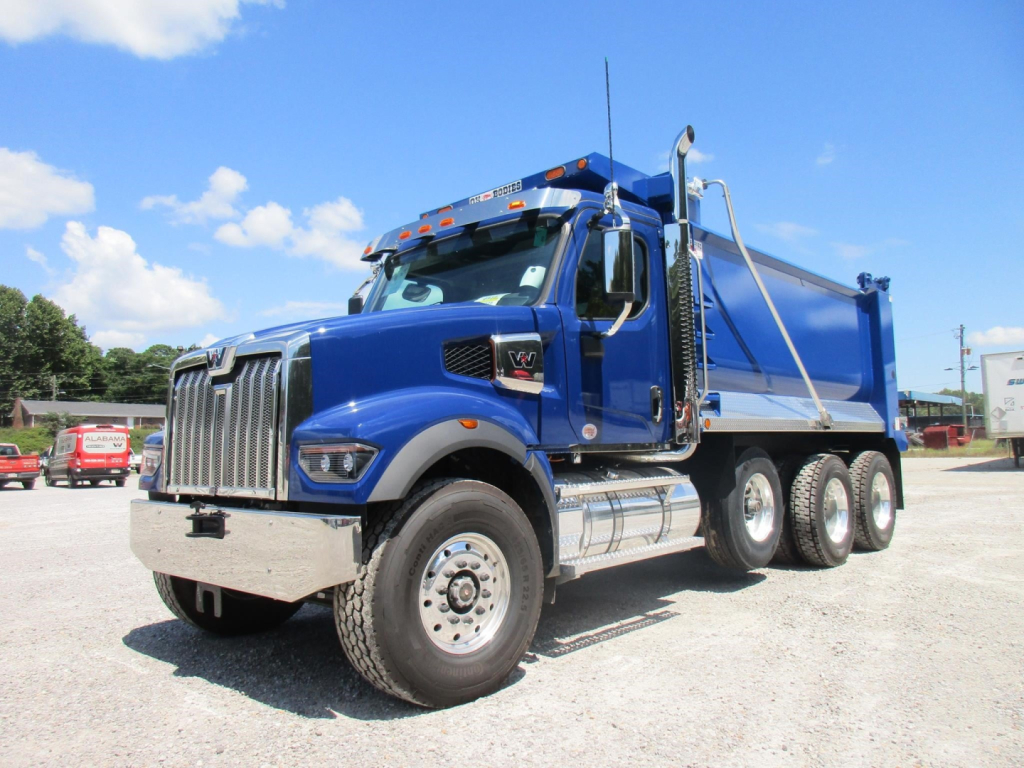
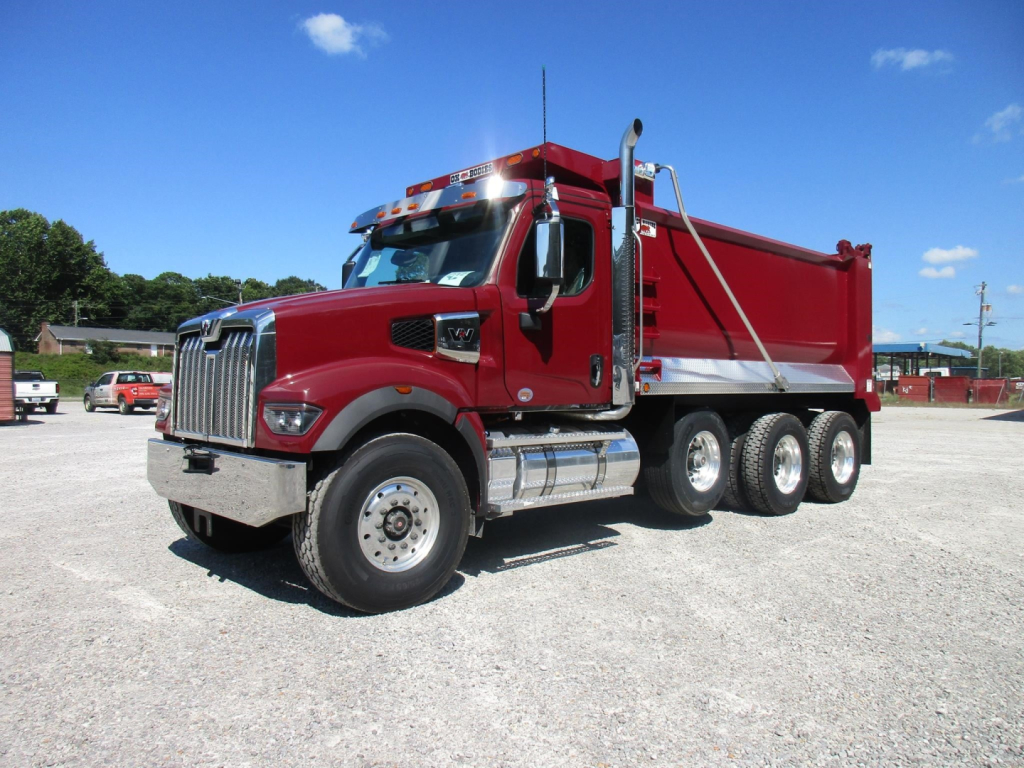
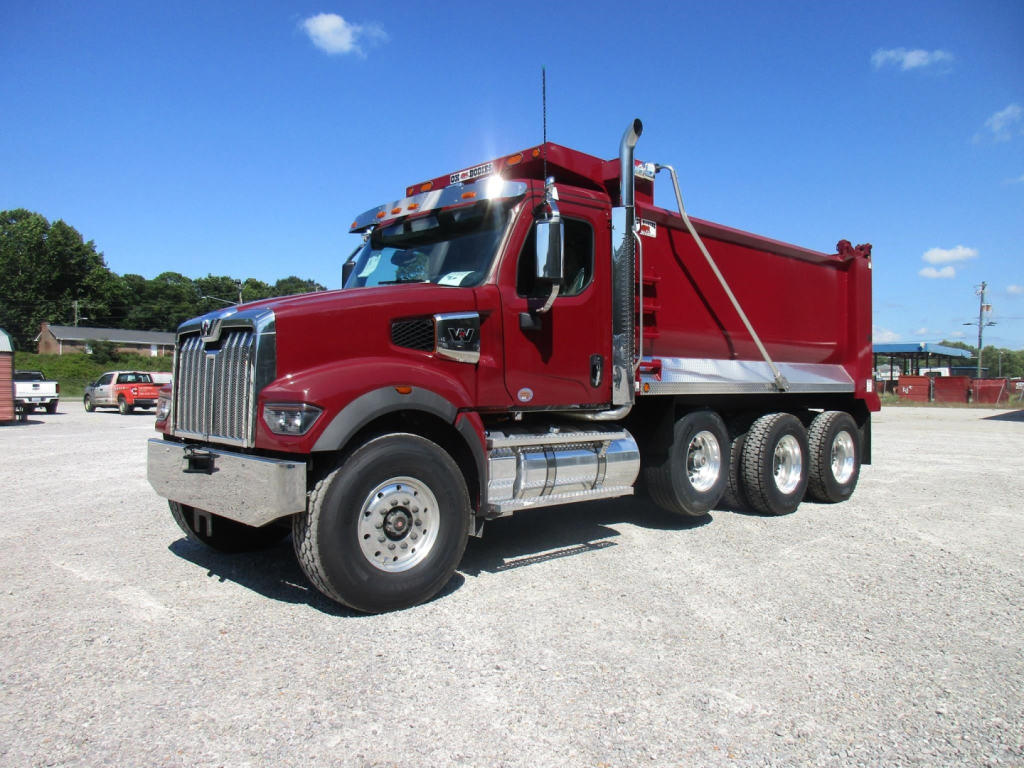
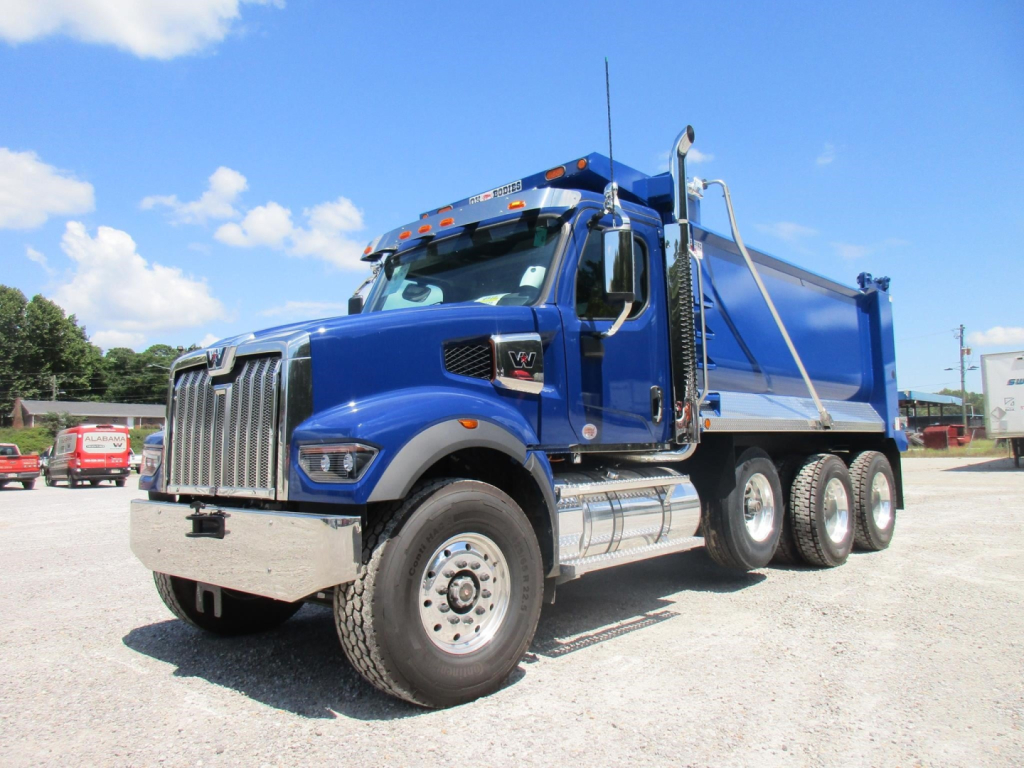
For vocational buyers, new Western Star 47X trucks are frequently ordered with DD13 power, Allison automatic transmissions, heavier front axles, and spring or severe-duty suspension packages. That combination is common in dump truck service where low-speed control, PTO compatibility, body upfit readiness, and durability on rough jobsites matter more than long-haul fuel economy. On these builds, details such as frame reinforcement, axle spread, body clearance, tire size, and bridge-law compliance can have as much impact as engine horsepower. A steel dump body, 20,000-pound front axle, and 44,000-pound rear setup is a typical severe-service direction for contractors, aggregate haulers, and municipal work.
Western Star also stands out for buyers who value factory safety and driver environment. New trucks in this class are often equipped with collision mitigation, updated visibility packages, and refined interiors compared with older vocational iron. When comparing listings, look beyond model name and horsepower and verify transmission type, suspension, wheelbase, cab configuration, PTO provisions, and intended duty cycle. A properly spec'd new Western Star truck can cover anything from highway freight to construction and municipal hauling, but the right truck depends on matching the chassis and powertrain to the actual work instead of buying strictly by badge or published horsepower.
Frequently Asked Questions about New Western Star Trucks
What is the difference between a Western Star 47X and 49X?
The Western Star 47X is generally positioned toward vocational applications such as dump, mixer, refuse, and municipal work, where maneuverability, upfit compatibility, and severe-duty chassis specs are priorities. The 49X is commonly used for highway, regional, and heavier on-road applications, including day cab and sleeper configurations. In practice, the difference comes down to how the truck is spec'd, but buyers usually see the 47X with heavier vocational components and the 49X with more highway-oriented powertrain and cab options.
Is a new Western Star better suited for highway hauling or vocational work?
Western Star covers both, but the intended use should drive the purchase. A 49X with a DD15, DT12 AMT, air ride suspension, and tandem 6x4 setup fits regional and over-the-road freight well. A 47X with a DD13, Allison automatic, spring suspension, and heavier axle ratings is better aligned with dump and construction work. The brand's strength is that it can be configured for either environment, so the better choice depends on axle ratings, wheelbase, cab style, and body or trailer requirements.
What engine and transmission combinations are common in new Western Star trucks?
Detroit diesel engines are very common in new Western Star trucks, especially the DD13 and DD15. On highway and regional tractors, buyers often choose the DD15 paired with the Detroit DT12 automated manual transmission for fuel efficiency and drivability. In vocational trucks, the DD13 is a frequent match with an Allison automatic because it provides smoother low-speed operation and works well in stop-and-go, off-road, and PTO-driven applications. The right combination depends on terrain, gross weight, driver preferences, and how much time the truck spends on pavement versus jobsites.
What should I check when comparing new Western Star day cabs and sleepers?
Focus on wheelbase, axle configuration, fifth wheel setup, fuel capacity, suspension, engine rating, and transmission type. A sleeper adds comfort and range for longer runs, but it also changes wheelbase, weight distribution, and available payload. A day cab is often the better tool for local, port, regional, and dedicated route work where maneuverability and lower tare weight matter. Buyers should also confirm safety systems, PTO provisions if needed, and any chassis requirements tied to the trailer or body being used.
Are new Western Star dump trucks a good choice for construction fleets?
Yes, especially when the truck is spec'd correctly for the material, terrain, and body. Western Star dump trucks are commonly chosen for their strong frame design, vocational cab layout, and compatibility with heavy front axles, tandem rears, and automatic transmissions suited for jobsite work. Construction fleets should pay close attention to front axle capacity, rear suspension, frame strength, body composition, turning radius, and local legal weight requirements. A dump truck that looks similar on paper can perform very differently once it is loaded and operating on rough ground every day.