
Sterling Vacuum Trucks For Sale Near Miami, Florida
Browse Sterling vacuum trucks built for sewer cleaning, hydro excavation, and municipal service with proven chassis, PTO options, and heavy-duty specs.
Learn more
Have sterling vacuum truck to sell? List it here to reach thousands of buyers.
About Sterling Vacuum Trucks Near Miami, Florida
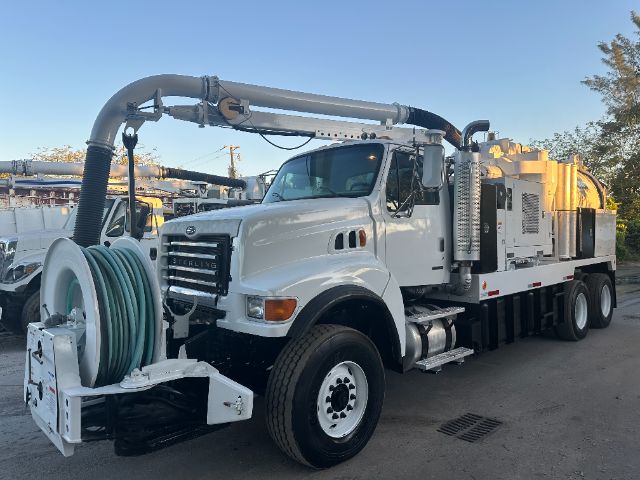
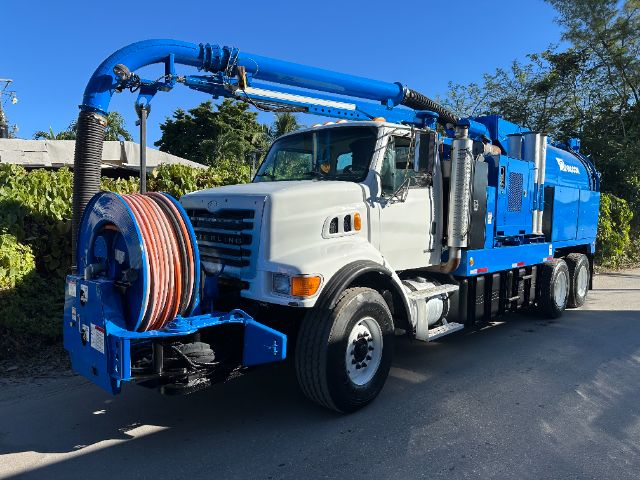
A lot of Sterling vacuum trucks in this class are combo units, meaning they pair a vacuum system with a high-pressure water jetter. Common specs include debris tanks in the 11 to 12 yard range, fresh water capacity around 1,000 to 1,300 gallons, and water pumps rated near 80 GPM at 2,000 to 3,000 PSI. Some use positive displacement blowers such as Roots units for stronger vacuum performance over distance, while others use fan systems that can be effective for lighter material and routine municipal cleaning. Many are equipped with pony motors to run the vacuum and jetting package independently of the chassis engine, which can reduce main engine idle time and simplify stationary jobsite operation.
For a buyer, condition matters as much as the badge on the hood. Vacuum trucks often accumulate relatively low road miles but high engine and equipment hours, especially on ex-municipal units. Pay close attention to blower condition, water pump output, hose reel operation, hydraulic dump function, tank integrity, rear door seals, and signs of corrosion in the debris body or water system. On the Sterling chassis side, verify engine family, transmission spec, GVWR, brake condition, steering play, and tire size, with 11R22.5 rubber being common in this segment. CAT C7 and C9 diesel engines are frequently seen in Sterling medium and heavy-duty vacuum truck applications, usually paired with automatic transmissions for stop-and-go utility work.
In Florida and other humid, coastal markets, rust inspection should include frame rails, crossmembers, hydraulic plumbing, and any exposed electrical connections on the upfit. Buyers working in dense urban areas like Miami often prefer a truck that balances water and debris capacity with maneuverability, especially where alley access, traffic, and frequent setup cycles matter. A Sterling vacuum truck can be a practical choice for contractors and public works departments that want a proven chassis under a specialized body, particularly when the truck has documented service history, a strong-running auxiliary package, and a vacuum system matched to the material and distance demands of the job.
Frequently Asked Questions
What should I look at first when buying a used Sterling vacuum truck?
Start with the vacuum body and support equipment before the chassis cosmetics. The blower or fan system, water pump, pony motor, hose reels, hydraulic dump body, and tank condition usually determine how much immediate repair money a truck will need. After that, review chassis miles, engine hours, PTO or auxiliary setup, GVWR, axle ratings, tire condition, and service records. A clean-running Sterling with a worn vacuum package can become expensive quickly, so the upfit needs just as much inspection as the truck itself.
Are Sterling vacuum trucks mainly used as sewer jetter combo trucks?
Many Sterling vacuum trucks are configured as combo sewer cleaners, also called vacuum jetter trucks, because the chassis was widely used for municipal and contractor upfits. These units combine a debris tank, vacuum system, and high-pressure water jetter for cleaning sewer lines, lift stations, catch basins, and storm drains. Sterling chassis can also be found under hydro excavation, industrial vacuum, and non-code vacuum applications, but combo jetter-vacs are one of the most common configurations.
Is miles or hours more important on a vacuum truck?
Hours are often just as important as miles, and in many cases more important. Vacuum trucks can spend long periods operating at a jobsite with the chassis engine or pony motor running while the truck is stationary. That means a low-mile truck may still have significant wear in the vacuum blower, water pump, hydraulics, and auxiliary engine. Buyers should compare odometer mileage, engine hours, and equipment hours together instead of relying on mileage alone.
What engine and chassis specs are common on Sterling vacuum trucks?
Sterling L7500 and L8500 models are common in the vacuum truck market, often equipped with Caterpillar diesel engines such as the C7 or C9 and automatic transmissions. GVWR can vary by body size and axle setup, but heavier combo units may be rated into the 60,000-pound class depending on configuration. Tire sizes like 11R22.5 are typical, and buyers should confirm front axle capacity, rear suspension, brake type, and wheelbase because those details affect both legal payload and body compatibility.
Are ex-municipal Sterling vacuum trucks a good choice?
Ex-municipal trucks can be a solid value because they are often maintained on schedule and operated by trained crews, but they still need a thorough inspection. Municipal use usually means frequent stop-and-go driving, long idle periods, and steady use of the vacuum and jetting systems. The best candidates have maintenance documentation, intact tank structure, good blower performance, strong water pressure, and no major hydraulic or corrosion issues. A municipal history is helpful, but actual mechanical condition should drive the decision.