
Ford Vacuum Tank Trucks For Sale
Browse Ford vacuum tank trucks built for septic, sewer, industrial cleanup, and liquid waste hauling with practical chassis and PTO-driven vac systems.
Learn more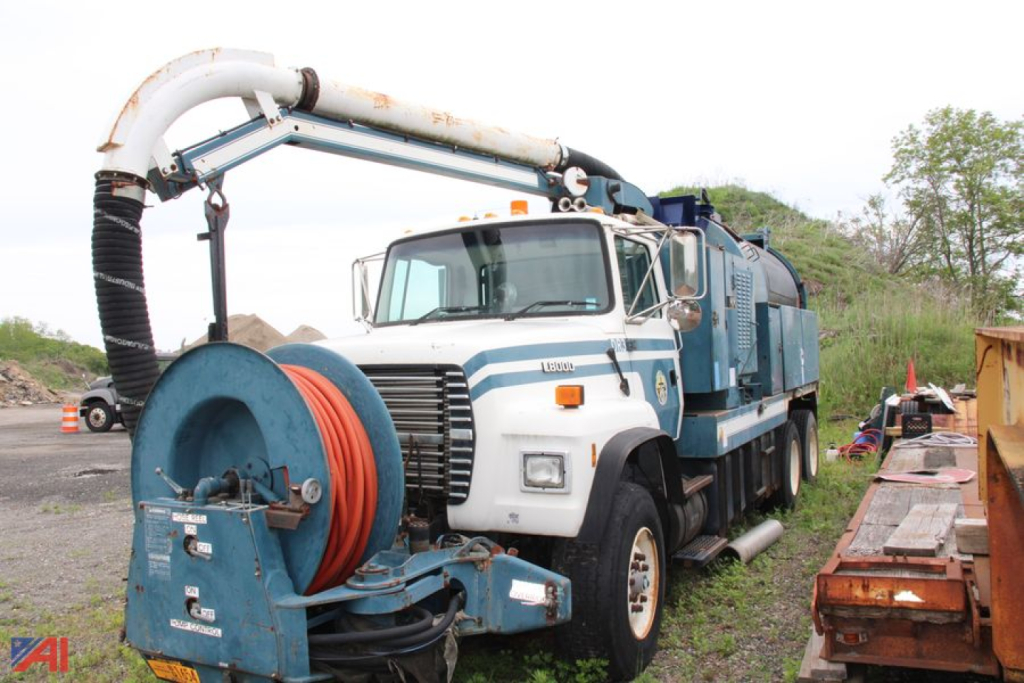
Have ford vacuum tank truck to sell? List it here to reach thousands of buyers.
About Ford Vacuum Tank Trucks
Tank size, pump performance, and legal payload usually drive value more than model year alone. Many Ford vacuum tank trucks in the used market carry steel or aluminum tanks configured for septic, sludge, grease, catch basin debris, or wet industrial waste. Buyers should verify total tank gallons, split-tank design if fresh water is included, and whether the unit is set up for wet-only service or vacuum loading with pressure discharge. Pump brand and CFM rating matter, but so do hours, service records, and evidence of oil carryover or poor vacuum recovery. A clean PTO setup, tight plumbing, functional shutoffs, and solid hose storage often tell you more about the truck's condition than paint or cab cosmetics.
Chassis specs deserve close attention because vacuum tanks are heavy and weight distribution can make or break usability. Check GVWR, front and rear axle ratings, suspension type, brake configuration, transmission, and rear-end ratio, especially if the truck will spend time on secondary roads, jobsite access lanes, or stop-and-go municipal routes. A shorter wheelbase can improve maneuverability in residential septic work, while a longer wheelbase may better support larger tanks and more stable load placement. Frame condition is critical on any used Ford vac truck, particularly around tank saddles, PTO mounts, crossmembers, spring hangers, and areas exposed to corrosive waste or washdown chemicals.
Application fit is the key filter. A truck set up for septic pumping may not be ideal for industrial vacuum service, and a basic vac tank truck is different from a combination sewer cleaner with high-pressure water jetting capability. Buyers should also confirm licensing and compliance points such as CDL implications, tank certification requirements, municipal spec equipment, and any vacuum relief or safety devices required by their operation. Ford vacuum tank trucks remain relevant in the used market because parts familiarity, mechanical simplicity on many legacy models, and proven vocational chassis layouts can still make them practical revenue-producing units when the tank system and chassis specs are matched to the work.
Frequently Asked Questions
What should I inspect first on a used Ford vacuum tank truck?
Start with the vacuum system, tank condition, and chassis weight ratings. Confirm the tank capacity, look for corrosion, repairs, or thin spots around saddles and seams, and test whether the pump builds and holds vacuum correctly. Then verify PTO engagement, plumbing condition, valves, hose reels, and shutoff protection. On the Ford chassis, inspect the frame rails, crossmembers, suspension mounts, brake system, and driveline because vacuum trucks often operate near their rated capacities.
Are older Ford vacuum tank trucks still practical for commercial use?
They can be, especially when built on durable Ford vocational chassis such as the L-Series and maintained properly. Many buyers still value these trucks for their mechanical simplicity, straightforward serviceability, and familiar drivetrains. The deciding factor is usually the condition of the tank and vacuum package, not just the age of the cab and chassis. A well-maintained older unit can still be productive if parts support, local service knowledge, and regulatory compliance line up with the intended application.
How do I choose the right tank size on a Ford vac truck?
Choose tank size based on payload limits, route density, disposal access, and the material being hauled. Bigger is not always better because a larger tank can reduce legal payload margin and increase axle loading issues if the wheelbase and axle ratings are not matched correctly. Residential septic work may favor maneuverability and moderate capacity, while municipal or industrial jobs may justify larger volumes. Always compare tank gallons to GVWR, empty weight, and expected material density before buying.
What is the difference between a vacuum tank truck and a combination sewer cleaner?
A vacuum tank truck is primarily built to load, contain, and sometimes discharge liquids or slurry using a vacuum pump system. A combination sewer cleaner adds a high-pressure water jetting system with fresh water capacity for cleaning sewer lines and breaking up debris before vacuum recovery. Some Ford units are basic vac trucks, while others may be equipped for more specialized municipal sewer work. Buyers should confirm which system is installed because the equipment, maintenance needs, and job capability are very different.
Which chassis specs matter most on a Ford vacuum tank truck?
GVWR, axle ratings, wheelbase, transmission, brake type, suspension, and PTO compatibility are the most important chassis factors. These trucks carry concentrated weight, and poor spec alignment can limit legal hauling capacity or create handling issues. Wheelbase affects turning radius and load placement, while axle ratings determine whether the truck can safely support a full tank. On older Ford platforms, buyers should also confirm frame integrity and driveline condition because vocational service is hard on both.