
Truck and Trailer Trucks For Sale in Ontario
Browse truck and trailer combinations for sale, including highway tractors paired with reefer, van, and specialty trailers for turnkey hauling.
Learn moreBrowse Truck and Trailer Trucks by Make
Have truck and trailer truck to sell? List it here to reach thousands of buyers.
About Truck and Trailer Trucks in Ontario
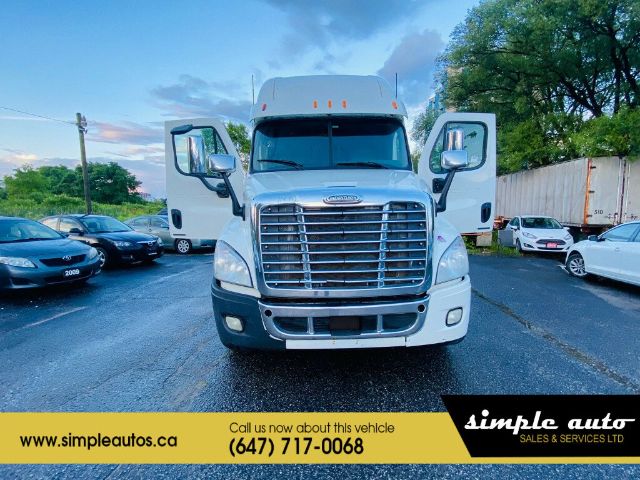
The first decision is application. A truck and trailer package set up for refrigerated freight is very different from a dry van or general freight combination. Reefer pairings need close attention to trailer insulation, reefer unit hours, temperature pull-down performance, fuel system condition, and service history from Carrier or Thermo King dealers. Dry freight combinations put more emphasis on cube, door condition, floor wear, suspension health, and overall rolling resistance. On the tractor side, common specs in this class include tandem drive axles, 13-speed manual or automated transmissions, 450 to 550 horsepower engines, air ride suspension, and highway wheelbases that balance ride quality with trailer tracking. Popular platforms often include Peterbilt 379 and 579, Freightliner Cascadia, Kenworth T680, and Volvo VNL models with Cummins, Detroit, Volvo, or Caterpillar power.
Ontario operators should also evaluate the package through a compliance and climate lens. Winter traction, bunk heater operation, battery health, air system integrity, and tire condition matter more when the truck will run year-round across Northern Ontario, Quebec, or cross-border lanes into the U.S. If the combination will gross near typical highway limits, check rear axle ratings, suspension type, brake condition, and current tire setup, including super singles versus duals. Buyers running long-haul lanes should also look at fuel capacity, engine brake specification, cab configuration, and service records for emissions components such as DPF systems, sensors, and recent engine work. A clean title and documented maintenance on both the truck and trailer are especially important on turnkey packages because downtime in either half of the combination stops revenue.
A strong truck and trailer package should be evaluated as one operating unit, not two separate pieces of equipment. Match the engine and transmission to the freight weight, terrain, and fuel economy target. Confirm the tractor has the right fifth wheel setup, frame condition, and suspension capacity for the trailer it is pulling. Inspect trailer brakes, tires, reefer hours if applicable, and structural condition before focusing on cosmetic details. Buyers comparing multiple listings in this category usually get the best value by prioritizing maintenance history, known component replacements, and lane suitability over model year alone.
Frequently Asked Questions
What is a truck and trailer combination in this category?
In this category, a truck and trailer combination typically refers to a highway tractor sold together with a road trailer as a matched package. The tractor may be a sleeper or day cab, and the trailer may be a dry van, reefer, or another freight trailer depending on the application. Buyers often prefer this format because the equipment is already paired for work, which can save time on spec matching and speed up entry into service.
What should I inspect first when buying a used truck and trailer package?
Start with the revenue-critical systems on both pieces. On the tractor, check engine history, transmission operation, clutch or automated transmission performance, emissions system service, suspension condition, brakes, tires, and frame integrity around the fifth wheel area. On the trailer, inspect tires, brakes, suspension, floor, crossmembers, roof, doors, and overall structural condition. If it is a reefer trailer, verify unit hours, service records, fuel system condition, and temperature performance under load or during a pull-down test.
Is buying a truck and trailer together better than buying them separately?
It can be, especially for owner-operators or small fleets that want a ready-to-run setup. A package can reduce the time spent matching trailer type, kingpin setting, ride height compatibility, wheelbase, and fifth wheel position. It also makes it easier to evaluate how the combination has been operated as a unit. The main advantage disappears if one side of the package has weak maintenance history, so the value depends on the condition and documentation of both the tractor and the trailer.
What tractor specs are most common in truck and trailer packages?
Common tractor specs in this category include tandem rear axles, 450 to 550 horsepower diesel engines, air ride suspension, engine brakes, and either 13-speed manual transmissions or modern automatics and automated manuals. Many are set up for 80,000-pound GVW operation with highway-friendly axle ratios such as 3.25 or 3.55. Sleeper models are common in long-haul combinations, while aerodynamic tractors like the Cascadia, T680, VNL, and 579 are often chosen for fuel economy and driver comfort.
What matters most for Ontario buyers looking at truck and trailer units?
Ontario buyers should pay close attention to winter readiness, inspection status, and cross-border suitability. Strong batteries, dependable air systems, good tread depth, working bunk heat, and solid brake condition are important in cold-weather operation. If the truck will run into the U.S., service records, emissions compliance, and title clarity become even more important. For long-distance regional and cross-border lanes, fuel range, driver comfort, and documented maintenance often matter more than cosmetic appearance.