
Peterbilt Tow Trucks For Sale
Shop Peterbilt tow trucks including rollback carriers and wreckers with Cummins power, Allison automatics, and heavy-duty towing setups.
Learn more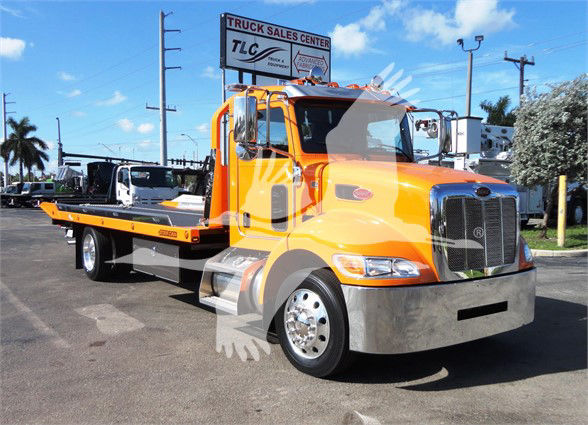
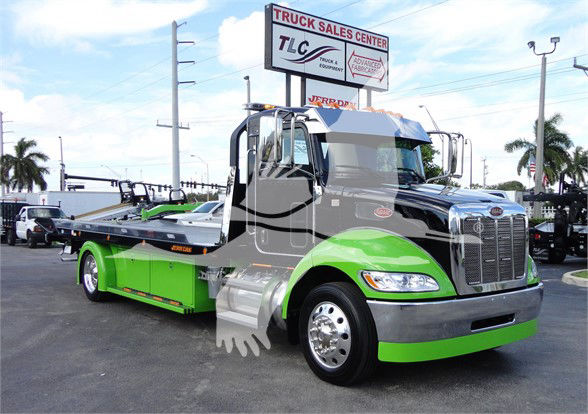
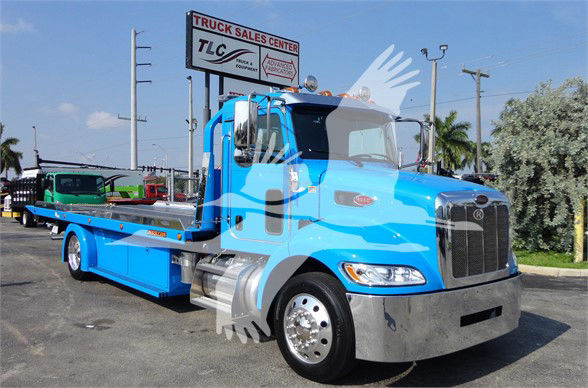
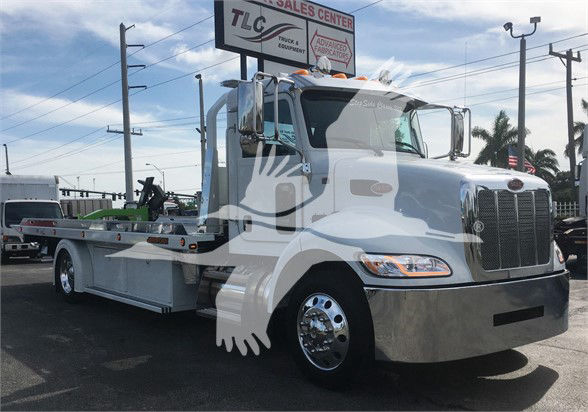
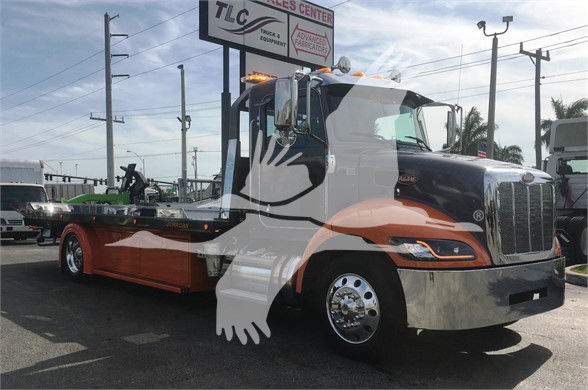
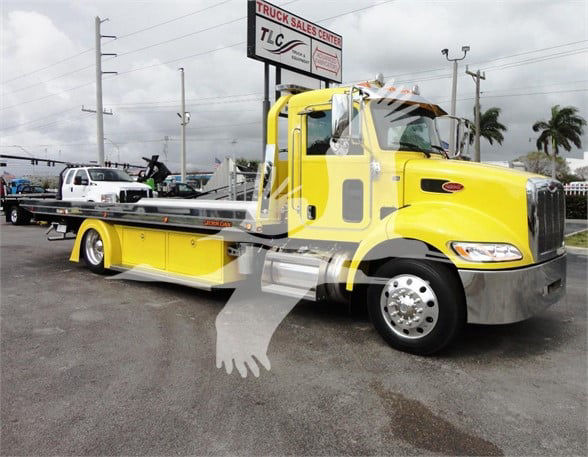
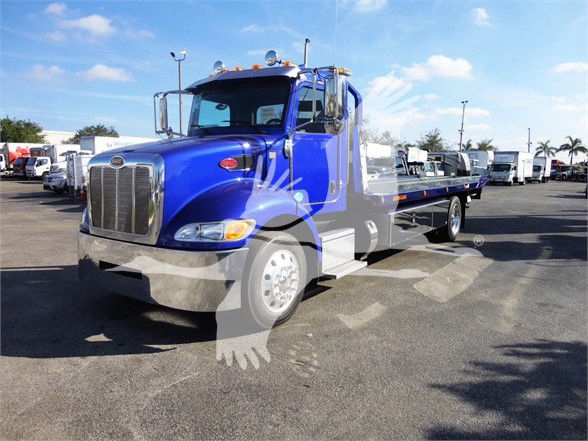
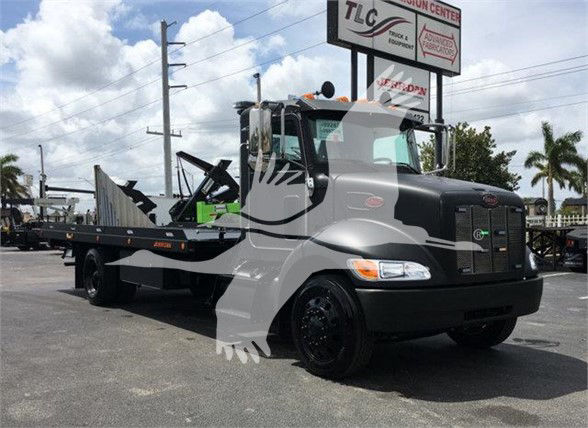
Showing 37 to 44 of 44 results
Have peterbilt tow truck to sell? List it here to reach thousands of buyers.
About Peterbilt Tow Trucks
Frequently Asked Questions
What Peterbilt models are most common in tow truck applications?
The Peterbilt 337 is a common choice for light-duty rollback tow trucks and car carriers, typically in 4x2 configuration with a 26,000 lb GVWR. The Peterbilt 348 is often used for heavier rollback and medium-duty wrecker applications, while the 567 is more common when a buyer needs a severe-service chassis for heavier recovery work, tandem axles, higher front axle ratings, and more robust frame specifications.
What should I look at first when buying a Peterbilt rollback tow truck?
Start with bed length, bed material, wheel lift rating, and winch capacity because those determine what vehicles the truck can legally and efficiently move. A 22-foot low-profile carrier is common for passenger vehicles and light trucks, while 28-foot tandem-axle carriers are better suited for longer wheelbase units and heavier loads. Aluminum beds reduce weight and can improve payload, while steel beds may be preferred for durability in hard-use service. Also verify PTO operation, remote controls, tie-down equipment, and the condition of the hydraulic system.
Are Peterbilt tow trucks usually equipped with automatic or manual transmissions?
Both are used, but Allison automatic transmissions are very common in Peterbilt tow trucks because they are well suited to stop-and-go recovery work, loading vehicles, and urban service routes. Manual transmissions still appear in heavier applications, especially on tandem-axle trucks where the operator wants more control over gearing and engine braking. The best choice depends on route density, driver preference, terrain, and the truck's gross combined operating demands.
Why do many heavier Peterbilt tow trucks have tandem axles and double frames?
Tandem axles and double-frame construction are common on heavier rollback and wrecker builds because they improve stability, increase rated capacity, and better handle the concentrated stresses created by towing and recovery. On a carrier, the load shifts during loading and transport. On a wrecker, boom and wheel-lift forces place high demands on the chassis. A tandem-axle Peterbilt with a properly spec'd suspension, axle ratio, and frame setup is generally the right fit for heavier commercial recovery work.
How important is wheelbase on a Peterbilt tow truck?
Wheelbase matters because it affects body fit, turning radius, bridge law considerations, and how the truck carries weight across the axles. A shorter wheelbase can improve maneuverability in tight city recoveries, while a longer wheelbase is often necessary for a 28-foot carrier body, heavier wheel-lift setup, or tandem-axle configuration. Buyers should match wheelbase to the bed manufacturer’s requirements and to the type of vehicles they plan to haul most often.