
Used Peterbilt Tow Trucks For Sale
Shop used Peterbilt tow trucks, including rollback and wrecker setups with Cummins power, air brakes, and medium to heavy-duty capacities.
Learn more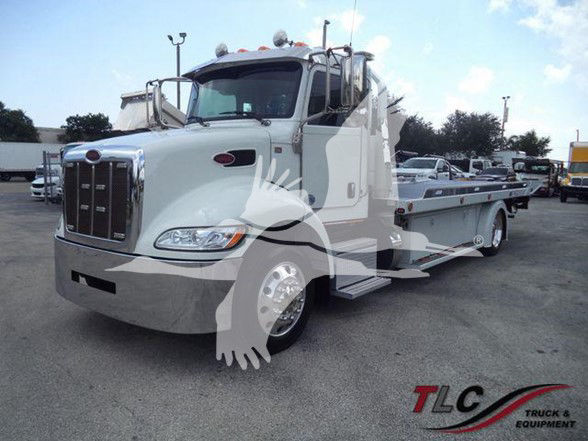
Showing 13 to 18 of 18 results
Have used peterbilt tow truck to sell? List it here to reach thousands of buyers.
About Used Peterbilt Tow Trucks
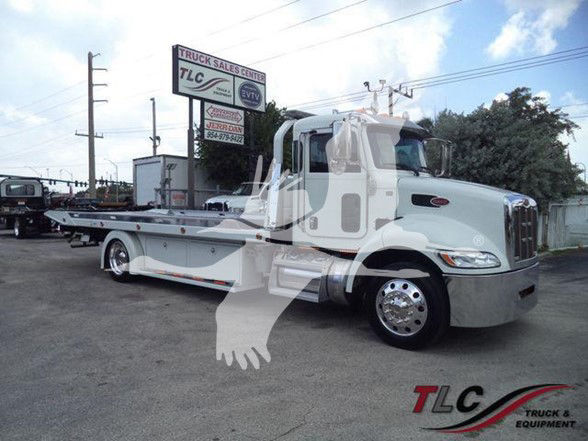
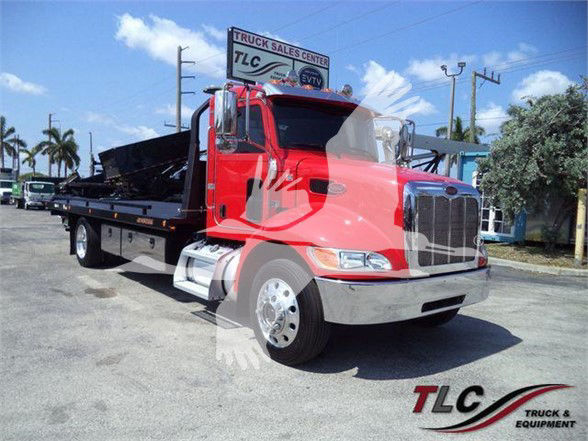
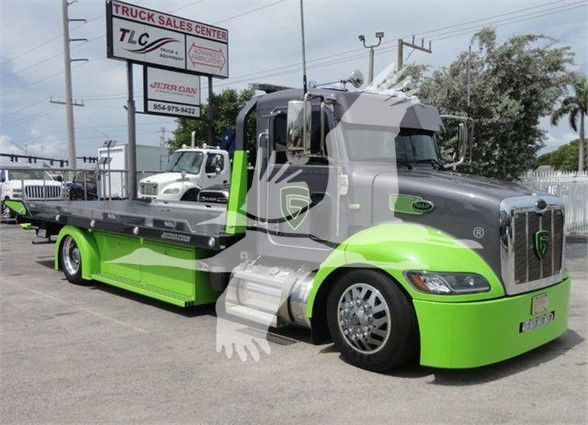
For urban towing, repo work, dealer transfers, and general roadside recovery, a single-axle Peterbilt tow truck with a Cummins PX-7 or 6.7L engine and Allison automatic is a common combination. Many are set around a 26,000 lb GVWR with air brakes, air ride suspension, and 22.5 low-profile rubber. A 22-foot Jerr-Dan or Century steel carrier body, 8,000 lb winch, and 3,500 lb wheel-lift is a typical spec in the used market. That setup gives good versatility for passenger cars, light trucks, vans, and equipment while keeping the truck maneuverable in tighter service areas. Buyers should verify bed manufacturer support, PTO function, remote operation, toolbox layout, and condition of the hydraulic system, since uptime depends heavily on the carrier equipment as much as the chassis.
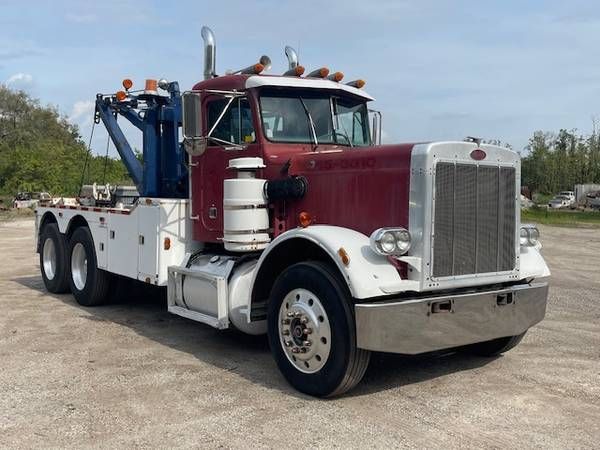
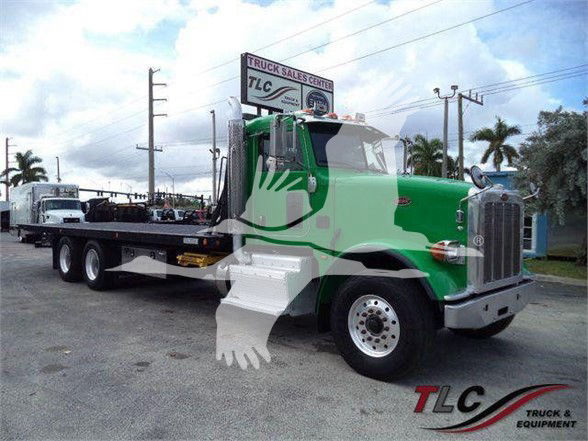
Heavier used Peterbilt tow trucks such as the 348 or 567 move into tandem-axle territory with 60,000 lb GVWR-class specs, double frame construction, larger rollback bodies, stronger winches, and higher front and rear axle ratings. These trucks are better suited for commercial recovery, medium-duty truck transport, equipment hauling, and applications where a hydraulic wheel-lift and heavy carrier body are used regularly. Common features in this part of the market include Allison 3000 automatics or Eaton Fuller manuals, dual steering boxes, 20,000 lb front axles, 40,000 lb rears, PTO and wet kit provisions, and 28-foot beds. A buyer comparing trucks in this class should pay close attention to wheelbase, frame reinforcement, axle ratio, suspension type, and how the body was integrated with the chassis.
Condition matters differently on a used tow truck than on a standard straight truck because the revenue-producing components include both the truck and the recovery system. Service records for the engine and transmission are important, but so are wear points like winch cable or rope condition, slide pads, deck rollers, hydraulic cylinders, pump operation, L-arms, crossbars, tie-down storage, lighting, and corrosion around the bed and subframe. Peterbilt remains a strong choice in the tow market because of its durable vocational chassis, familiar cab layout, parts support, and resale strength. For buyers sorting through used Peterbilt tow trucks for sale, the best value usually comes from matching the truck's bed capacity, axle ratings, and recovery equipment to the actual mix of passenger vehicles, work trucks, and commercial units it will handle.
Frequently Asked Questions
What are the most common used Peterbilt tow truck configurations?
The most common used Peterbilt tow truck configurations are single-axle rollback carriers built on models like the Peterbilt 337, along with heavier tandem-axle rollback and recovery trucks built on models such as the 348 and 567. In the lighter segment, buyers will often see 22-foot carrier beds, 8,000 lb winches, and 3,500 lb wheel-lifts used for cars, pickups, and light commercial vehicles. In the heavier segment, 28-foot rollback bodies, larger winches, heavier axle ratings, and double-frame chassis are more common for commercial recovery and medium-duty hauling.
What should I check first on a used Peterbilt rollback tow truck?
Start with the carrier body and hydraulic system. Bed structure, slide operation, cylinder performance, PTO engagement, winch function, wheel-lift condition, remote controls, and lighting are critical because they directly affect revenue and safety. After that, review the chassis specs and maintenance history, including engine hours, transmission service, brake condition, suspension wear, tire age, and frame integrity. A used tow truck can appear clean but still need expensive body or hydraulic repairs, so the towing equipment should be inspected as carefully as the engine.
Is a Peterbilt 337 enough for most towing businesses?
For many light-duty towing operations, the Peterbilt 337 is a practical fit. It is commonly spec'd with a Cummins diesel, Allison automatic, air brakes, and a 22-foot carrier body, which works well for standard vehicle transport, accident recovery, dealer moves, and roadside service. It is not the right tool for every heavy recovery job, but it covers a large share of day-to-day towing work while remaining easier to maneuver and generally less expensive to run than a tandem-axle truck.
What is the difference between a single-axle and tandem-axle Peterbilt tow truck?
A single-axle Peterbilt tow truck is typically used for lighter-duty work and offers better maneuverability, lower empty weight, and simpler operation in urban areas. A tandem-axle Peterbilt tow truck is built for more demanding applications with higher GVWR, stronger frame capacity, larger rollback bodies, and better suitability for commercial vehicles, equipment, and medium-duty recovery. The choice depends on the heaviest units you plan to haul, the body capacity you need, and whether operating conditions favor tight-city work or heavier transport and recovery assignments.
Why do many buyers look for Peterbilt tow trucks with Jerr-Dan or Century bodies?
Jerr-Dan and Century are established body manufacturers with strong support networks, familiar controls, and proven designs in rollback and recovery applications. Many buyers prefer these bodies because parts, service knowledge, and operator familiarity are easier to find in many markets. On a used Peterbilt tow truck, a well-maintained body from a recognized manufacturer can make service simpler and help preserve resale value, especially when the truck has a documented maintenance history and the hydraulic components are in good condition.