
Peterbilt Tow Trucks For Sale in Florida
Shop Peterbilt tow trucks for sale in Florida, including rollback carriers and wreckers with strong specs, durable chassis, and towing versatility.
Learn more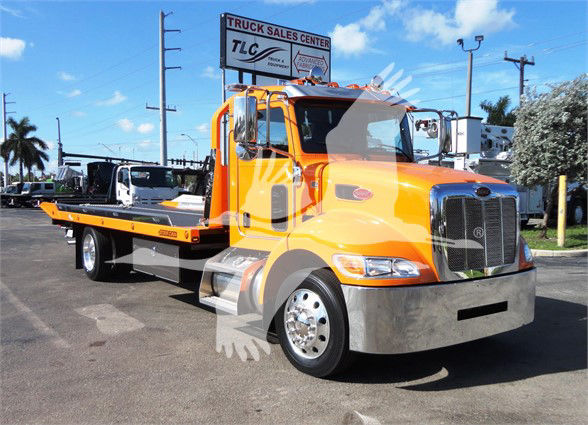
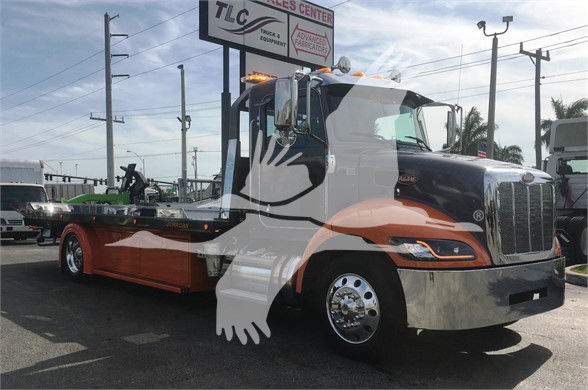
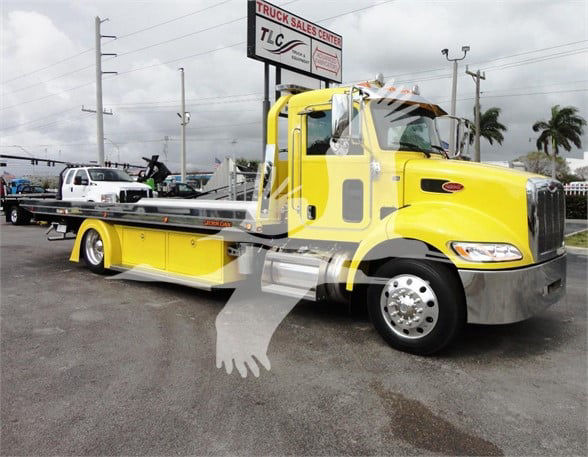
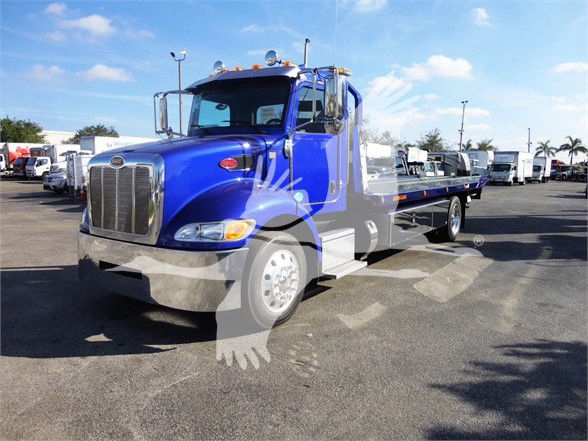
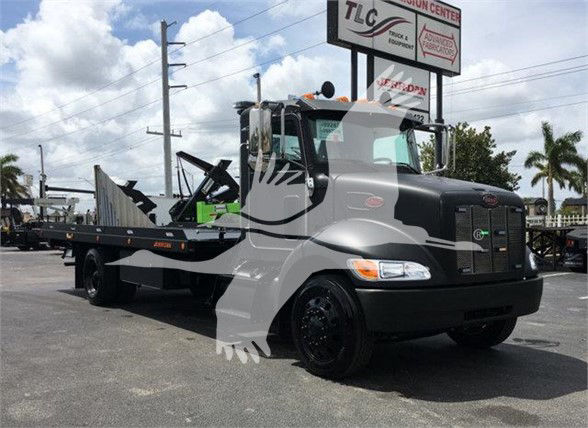
Showing 37 to 44 of 44 results
Have peterbilt tow truck to sell? List it here to reach thousands of buyers.
About Peterbilt Tow Trucks in Florida
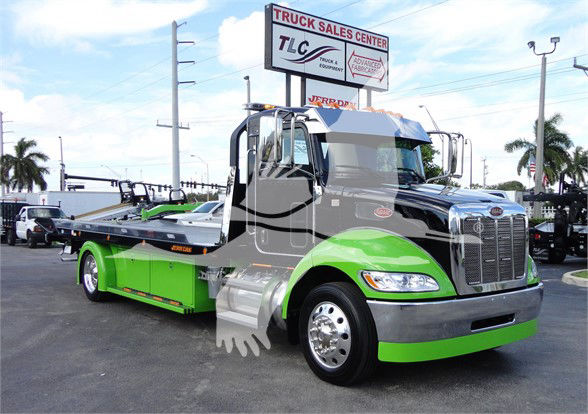
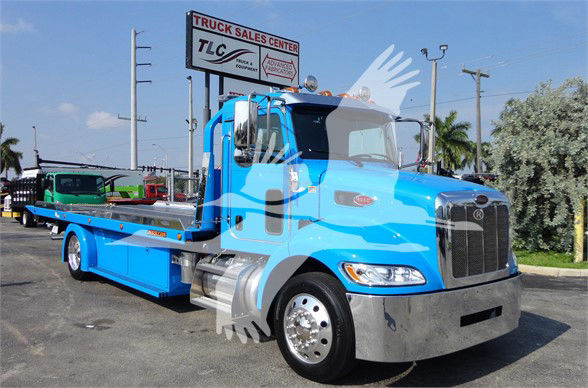
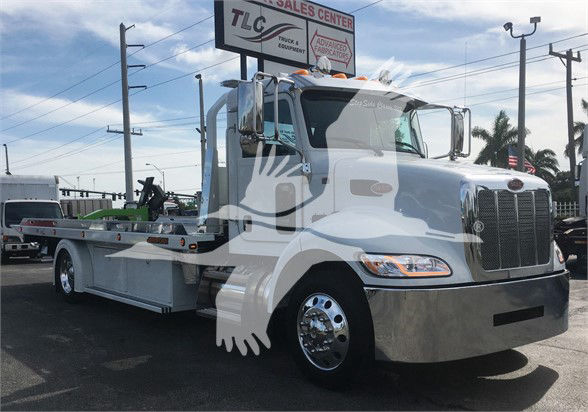
A buyer comparing Peterbilt tow trucks should start with body style and capacity. Rollback carriers with 20-foot to 22-foot decks and 102-inch width are especially common, often in low-carrier or XLP-style designs for reduced load angle and better clearance with lower vehicles. Many units include an 8,000-lb winch, 3,500-lb wheel lift, L-arms, wireless bed controls, side toolboxes, and LED warning lighting. Those specs fit a broad mix of passenger cars, light trucks, and small commercial vehicles. If the work includes tighter city lots, repossession support, or frequent passenger vehicle transport, a single-axle 4x2 Peterbilt rollback is usually the practical fit. If the job leans toward busier recovery work or heavier commercial towing, older tandem-axle Peterbilt wreckers with underlifts, twin winches, and mechanical or hydraulic booms can still be relevant, but operating costs and maneuverability change significantly.
Chassis spec matters as much as tow equipment. Many Peterbilt tow trucks in this class run around a 26,000 lb GVWR with 10,000 lb front and 20,000 lb rear axle ratings, which keeps them in a versatile medium-duty range. Buyers should pay close attention to wheelbase, rear axle ratio, suspension type, brake configuration, and how the body was integrated on the frame. On rollback units, low-profile 22.5 tires, locking differentials, and air ride can improve ride quality and deck height, while automatic transmissions are preferred by many fleets for stop-and-go towing work. On wrecker setups, check the rated boom capacity, winch ratings, underlift reach, tow rating, and whether the truck has the PTO, cooling, and frame reinforcement needed for sustained recovery use.
Florida use adds a few practical concerns. Corrosion exposure is usually less severe than in northern salt states, but coastal humidity still makes body condition, electrical connections, light wiring, hydraulic lines, and toolbox seals worth a close inspection. Towing fleets in this region often value bright LED light packages, backup cameras, jump-start kits, dollies, and secure storage because the truck may handle everything from highway calls to parking enforcement and transport work in a single shift. When comparing Peterbilt tow trucks for sale, the best value usually comes from matching the body type, deck length, lift rating, and chassis spec to the actual jobs on your route instead of buying purely on appearance or badge prestige.
Frequently Asked Questions
What are the most common Peterbilt tow truck configurations?
The most common Peterbilt tow truck configuration is a medium-duty Peterbilt 337 rollback or carrier, usually set up as a single-axle 4x2 with a 20-foot or 22-foot steel deck. Many are equipped with a Cummins diesel, Allison automatic transmission, air brakes, and a wheel lift for secondary towing. Heavier Peterbilt tow trucks also exist as wreckers with tandem axles, booms, dual winches, and underlifts for commercial vehicle recovery.
Is a Peterbilt rollback better than a wrecker for general towing work?
For general towing, a rollback is often the more versatile choice because it can transport disabled vehicles fully off the ground, reduce driveline risk, and handle low-clearance cars more easily. A wrecker is the better tool when the work involves lifting from the front or rear, recovering damaged vehicles, or towing heavier units where boom and underlift capability matter. The right choice depends on whether your revenue is coming from transport-style calls or recovery-heavy service.
What specs should I check on a Peterbilt tow truck before buying?
The key specs include GVWR, front and rear axle ratings, wheelbase, engine horsepower, transmission type, suspension, brake system, and body manufacturer. On the tow body itself, check deck length and width, winch capacity, wheel-lift rating, underlift capacity if equipped, and the condition of hydraulics, PTO operation, controls, and lighting. Buyers should also verify how the body was mounted, inspect frame condition, and confirm that the truck's ratings match the type of vehicles it will be towing.
Are Peterbilt 337 tow trucks a good fit for Florida operations?
Yes. The Peterbilt 337 is well suited for many Florida towing applications because it offers a manageable medium-duty chassis, good cab comfort for long shifts, and strong compatibility with rollback and light-recovery bodies. In Florida, maneuverability, visibility, cooling system condition, and dependable electrical components are especially important because trucks may work in heat, humidity, and heavy traffic. Coastal use also makes inspection of wiring, connectors, light bars, and exposed metal parts more important.
Do automatic transmissions make sense in a tow truck?
In most medium-duty towing applications, an automatic transmission is a practical choice because it reduces driver fatigue, improves consistency in stop-and-go traffic, and makes it easier to train multiple operators on the same truck. This is one reason Allison automatics are so common on rollback carriers and light-duty wreckers. A manual may still appeal to some buyers in heavier or older wrecker applications, but for day-to-day urban and highway towing, automatic setups are usually preferred.