
New International Tow Trucks For Sale
Shop new International tow trucks including rollback carriers and wreckers with diesel power, PTO-ready chassis, and recovery-focused specs.
Learn more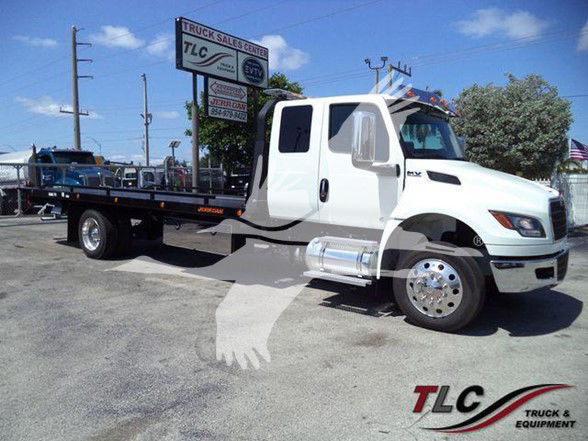
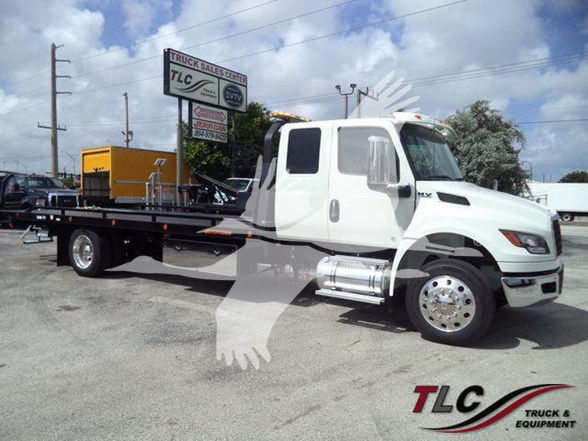
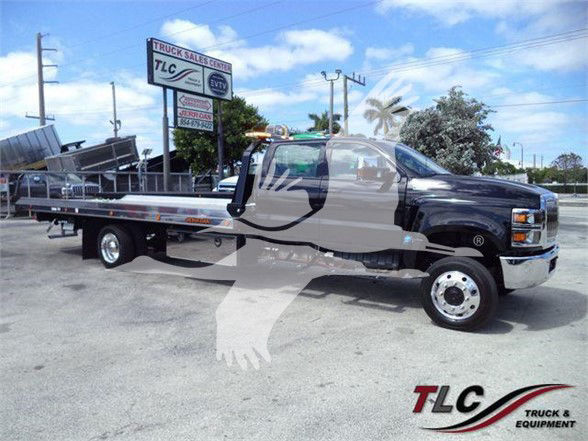
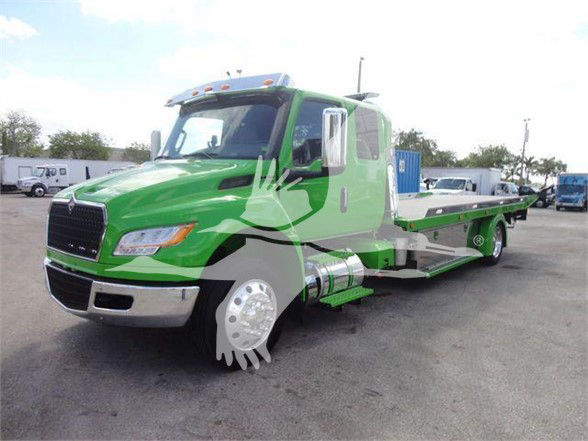
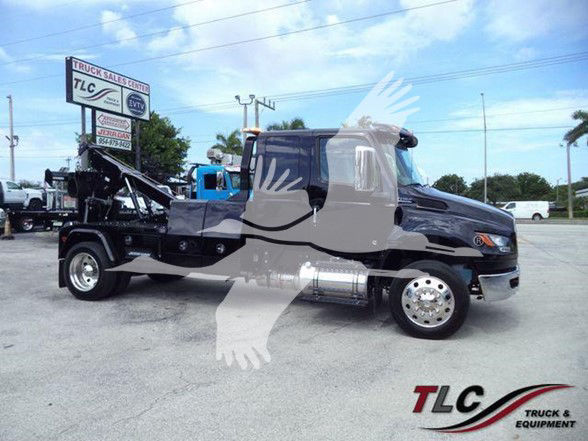
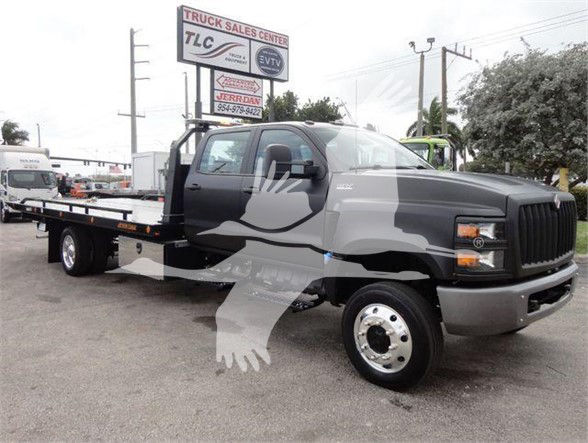
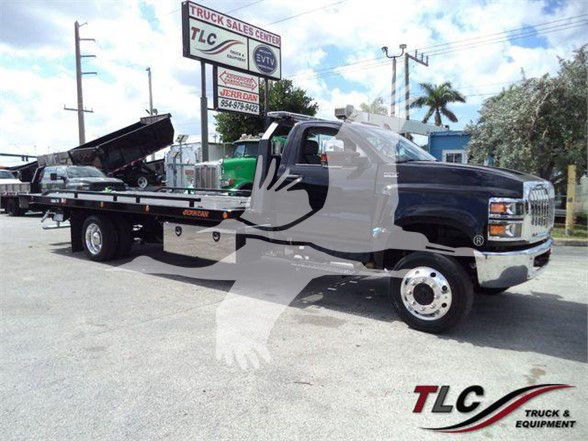
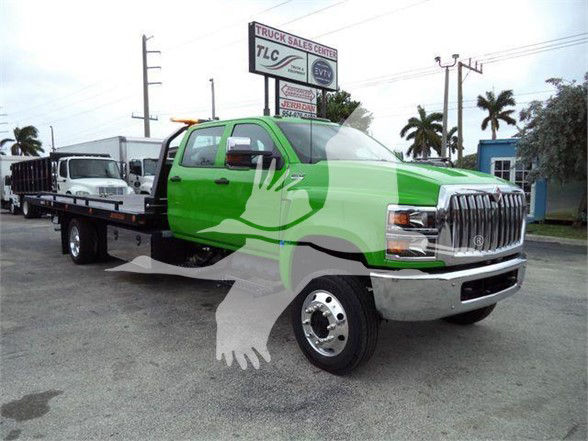
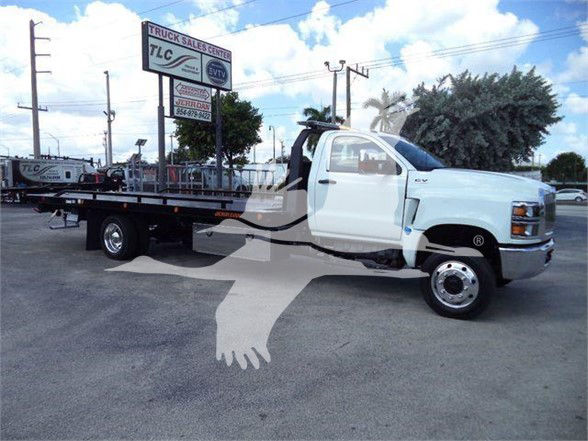
Showing 13 to 24 of 38 results
Have new international tow truck to sell? List it here to reach thousands of buyers.
About New International Tow Trucks
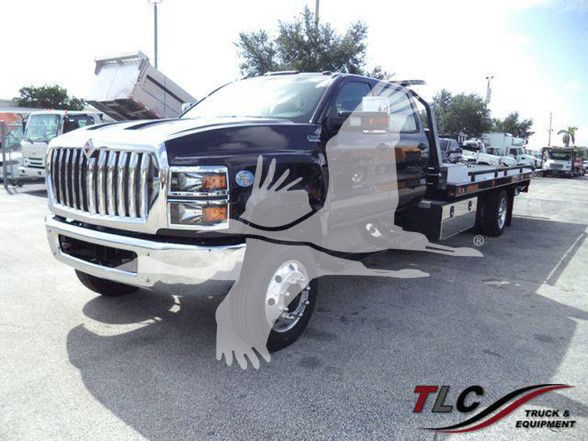
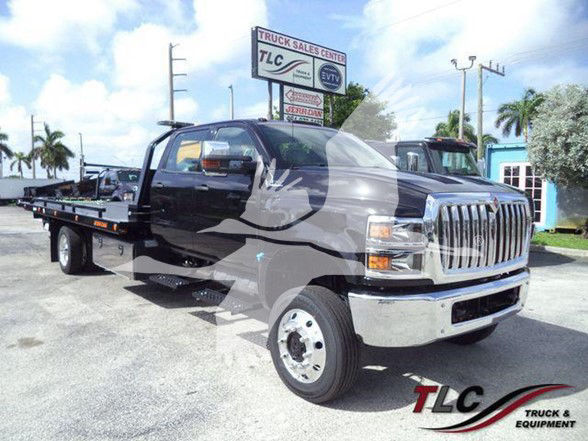
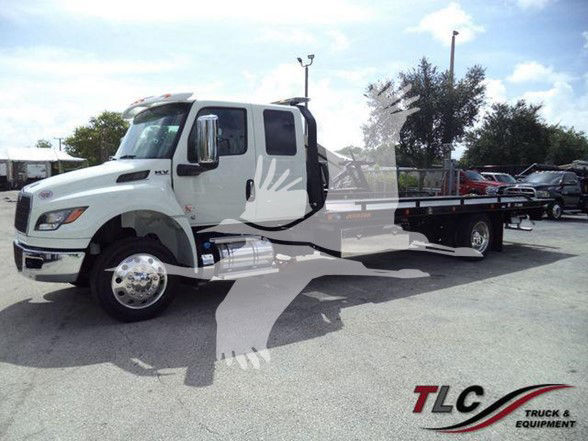
A rollback, also known as a carrier or flatbed tow truck, is often the most versatile choice for clean transport and low-clearance loading. Buyers should pay attention to deck length, deck width, and bed profile first. Common specs in this class include 19 to 22 foot decks, 96 to 102 inch widths, 6 ton bed ratings, extra-low-profile or LCG/XLP deck designs, 8,000 lb winches, and hydraulic wheel lifts rated around 3,000 to 3,500 lb with L-arms. That combination works well for moving disabled vehicles, all-wheel-drive units, and specialty cars without dragging bumpers or valances. Steel decks offer durability and a lower upfront cost, while aluminum decks reduce empty weight and can help payload margin.
If your business handles recoveries, impounds, and roadside service where underlift and boom performance matter, an International MV wrecker chassis deserves a closer look. Common medium-duty wrecker specs include 12 ton ratings, dual winches, extendable booms, hydraulic stiff legs, tunnel boxes, wheel grids, fork packages, and attachment sets for varied axle and frame configurations. On the chassis side, buyers should evaluate cab-to-axle length, wheelbase, suspension type, brake system, and PTO compatibility. A longer cab-to-axle setup can improve body fit and weight distribution, especially on 22 foot carriers. Air ride suspension, air brakes, Allison automatic transmissions, and 300 hp Cummins diesel power are popular in this class because they balance drivability, durability, and service support.
New International tow trucks appeal to fleets that want current emissions equipment, updated interiors, and predictable maintenance planning. Crew cab CV models make sense when extra personnel ride along, while extended cab MV trucks often fit operators that need lockable interior space without stepping into a larger cab footprint. Look closely at toolbox size, work lighting, light bars, fuel capacity, wheel-lift setup, and included rigging because those details affect daily productivity as much as headline tonnage. For buyers comparing listings, the best unit is the one matched to your calls, not the one with the biggest body. Deck height, approach angle, turning radius, and legal operating weight will do more to determine profitability than chrome trim or cosmetic options.
Frequently Asked Questions
What is the difference between an International rollback tow truck and an International wrecker?
An International rollback tow truck uses a tilting bed, also called a carrier or flatbed, to load the entire vehicle onto the deck. That setup is preferred for transport, low-clearance vehicles, all-wheel-drive units, and damage-free loading. An International wrecker uses a boom and wheel-lift or underlift system to tow a vehicle behind the truck. Wreckers are better suited for roadside recovery, impounds, tight-access work, and situations where lifting from the front or rear is more practical than full deck loading.
Which International chassis is common for new tow trucks?
The International CV and International MV are two of the most common chassis in this category. The CV is a lighter-duty platform often used for 19 to 20 foot carriers, sometimes with 4x4, making it attractive for repossession, rural service, and light recovery. The MV is a medium-duty platform commonly used for 22 foot rollback carriers and 10 to 12 ton wreckers. It typically offers higher GVWR, heavier front axle capacity, air brakes, and a stronger foundation for commercial towing work.
What specs matter most when buying a new International rollback?
The most important specs are deck length, deck width, bed height, wheel-lift capacity, winch rating, and chassis GVWR. Many buyers also focus on XLP or low-profile deck design because approach angle has a direct effect on loading lowered cars and damaged vehicles. Cab-to-axle measurement and wheelbase also matter because they influence weight distribution and how the body fits the chassis. Steel versus aluminum deck construction is another key choice, with steel favoring durability and aluminum helping reduce tare weight.
Is a 26,000 GVWR International MV a good fit for towing operations?
A 26,000 GVWR International MV is a strong fit for many commercial towing applications because it supports medium-duty carrier and wrecker bodies without moving into a larger CDL-oriented chassis class in every use case. Actual licensing and regulatory requirements still depend on local rules, body weight, and operating configuration, but this GVWR range is popular because it offers meaningful capability for dealer transport, municipal work, fleet service, and standard roadside recovery. Buyers should still verify axle ratings, body weight, and expected payload before making a decision.
Why do many new International tow trucks use Allison automatic transmissions and diesel engines?
Allison automatic transmissions are widely used in tow applications because they deliver smooth low-speed control, good PTO integration on applicable setups, and easier operation in traffic, loading zones, and recovery scenes. Diesel engines remain common because they provide the torque needed for winching, loaded starts, and sustained commercial use. On medium-duty International tow trucks, Cummins diesel power is especially common due to broad parts availability, technician familiarity, and proven use across fleet applications.