
Ford Tow Trucks For Sale
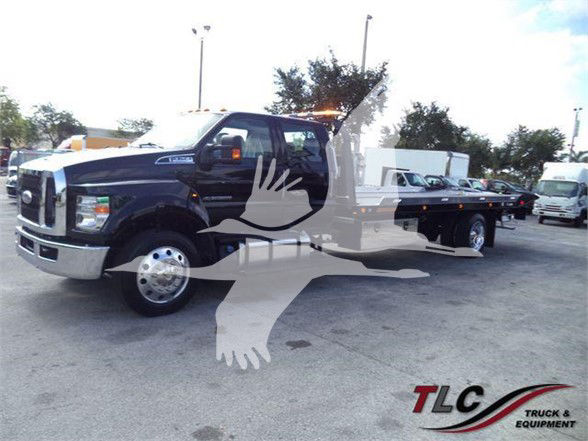
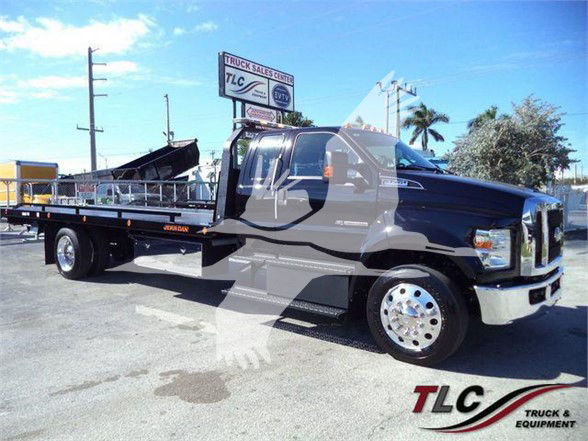
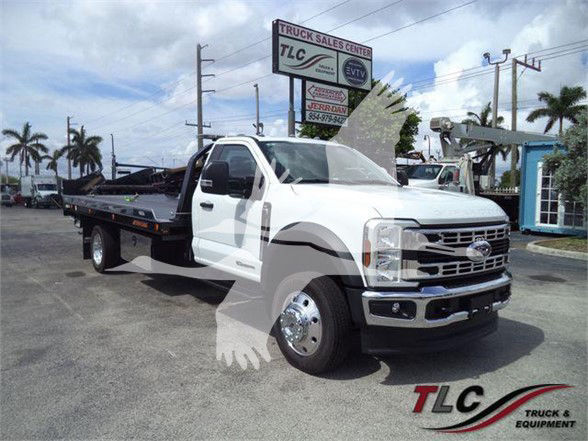
Shop Ford tow trucks including F-450, F-550, F-600, and F-650 models with rollback, wheel-lift, and wrecker configurations.
Learn more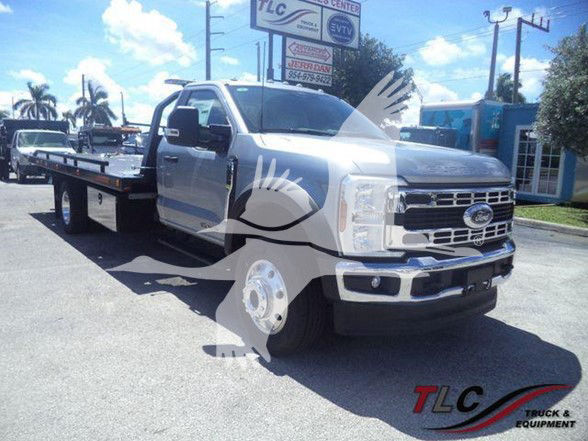
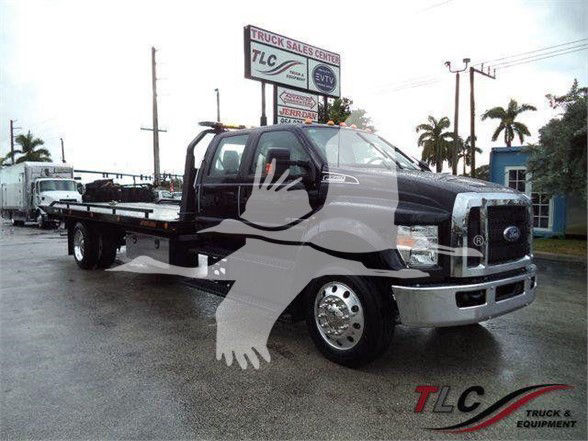
Showing 13 to 17 of 17 results
Have ford tow truck to sell? List it here to reach thousands of buyers.
About Ford Tow Trucks
On the chassis side, Ford Super Duty tow trucks are popular because parts support is strong, service networks are broad, and upfit compatibility is excellent with bodies from Jerr-Dan, Vulcan, Dynamic, and other major builders. Common specs include diesel and gas V8 engines, automatic transmissions, dual rear wheel setups, spring suspension, and 4x2 or 4x4 drivetrains. A 4x4 Ford tow truck matters if the truck will work in snow, unpaved lots, construction areas, or rural roads. GVWR is another key filter. An F-450 or F-550 often fits light-duty towing and transport, while an F-600 or F-650 gives more chassis capacity for heavier bodies, more tool storage, and larger wheel-lift or winch ratings.
Body specs deserve close attention because advertised towing capacity does not tell the whole story. On rollback Ford tow trucks, buyers should look at deck length and width, low-profile or extra-low-profile deck design, rail style, wheel-lift rating, and winch capacity. A 20-foot by 102-inch deck is a common carrier setup for passenger vehicles, small trucks, and equipment. On wrecker setups, review underlift rating, boom style, drag winch rating, L-arm package, and lighting. Storage layout also matters in real service work. Toolboxes, chain racks, controls, work lights, and backup cameras affect how efficiently a driver can operate on the shoulder or in tight urban recovery conditions.
A used Ford tow truck should be evaluated like both a truck and a hydraulic machine. Check PTO operation, hydraulic leaks, cable condition, deck slide function, wheel-lift wear, pivot points, bed alignment, and frame condition around body mounts. On higher-GVWR units, confirm axle ratings, brake condition, and tire age, especially if the truck has spent time in stop-and-go towing service. If the truck will run long shifts, cab configuration, screen-based camera systems, and operator controls are worth factoring in. The best Ford tow truck for sale is usually the one matched tightly to the job mix: quick-reaction self-loading, everyday vehicle transport, or heavier medium-duty recovery.
Frequently Asked Questions
What Ford chassis are most common for tow trucks?
Ford F-350, F-450, F-550, F-600, and F-650 chassis are all common in the tow truck market. F-350 and F-450 models are often used for self-loader wreckers and lighter wheel-lift work. F-550 and F-600 models are popular for rollback carriers and heavier light-duty towing because they offer higher GVWR and strong upfit flexibility. F-650 units are typically used when a buyer needs a medium-duty wrecker with more recovery capability and chassis capacity.
What is the difference between a Ford rollback tow truck and a Ford wrecker?
A Ford rollback tow truck, also called a car carrier or rollback flatbed, uses a tilting and sliding deck to load the entire vehicle onto the bed. That design is preferred for transporting all-wheel-drive vehicles, damaged vehicles, low-clearance cars, and units that should not be towed by the axle. A Ford wrecker uses a wheel-lift or underlift and may include a boom and winch system for towing with two wheels on the ground or for recovery work. Rollbacks are transport-focused, while wreckers are hookup-focused.
Is 4x4 important on a Ford tow truck?
4x4 is important if the tow truck will operate in snow, mud, gravel lots, steep driveways, undeveloped sites, or rural service territory. A 4x4 Ford tow truck can improve traction during recoveries and reduce the chance of getting stuck while loading or towing. For urban pavement-only work, a 4x2 truck may be sufficient and can be simpler and lighter. The right choice depends on the environment, not just the season.
What specs matter most when comparing Ford rollback tow trucks?
The most important specs are deck length, deck width, bed angle, wheel-lift rating, winch capacity, chassis GVWR, and overall payload capability. Buyers should also look at extra-low-profile deck designs for loading lower vehicles, removable rails or blade rails, toolbox capacity, lighting, and control layout. A truck with the right deck and wheel-lift combination will usually perform better in daily service than one chosen only by engine size or model badge.
What should I inspect on a used Ford tow truck before buying?
Inspect the truck’s chassis, drivetrain, and towing equipment as separate systems. Confirm the engine, transmission, brakes, suspension, and tires are appropriate for the truck’s rated use. Then inspect the body for hydraulic leaks, PTO engagement, winch operation, cable or strap wear, wheel-lift movement, deck slide function, cylinder condition, structural cracks, and signs of overloaded use. Service records for both the Ford chassis and the tow body add real value because towing equipment wear is often more important than mileage alone.