
Used Sterling Sweeper Trucks For Sale
Browse used Sterling sweeper trucks for sale. Compare mechanical broom and vacuum sweeper specs, chassis details, hopper capacity, and service points.
Learn more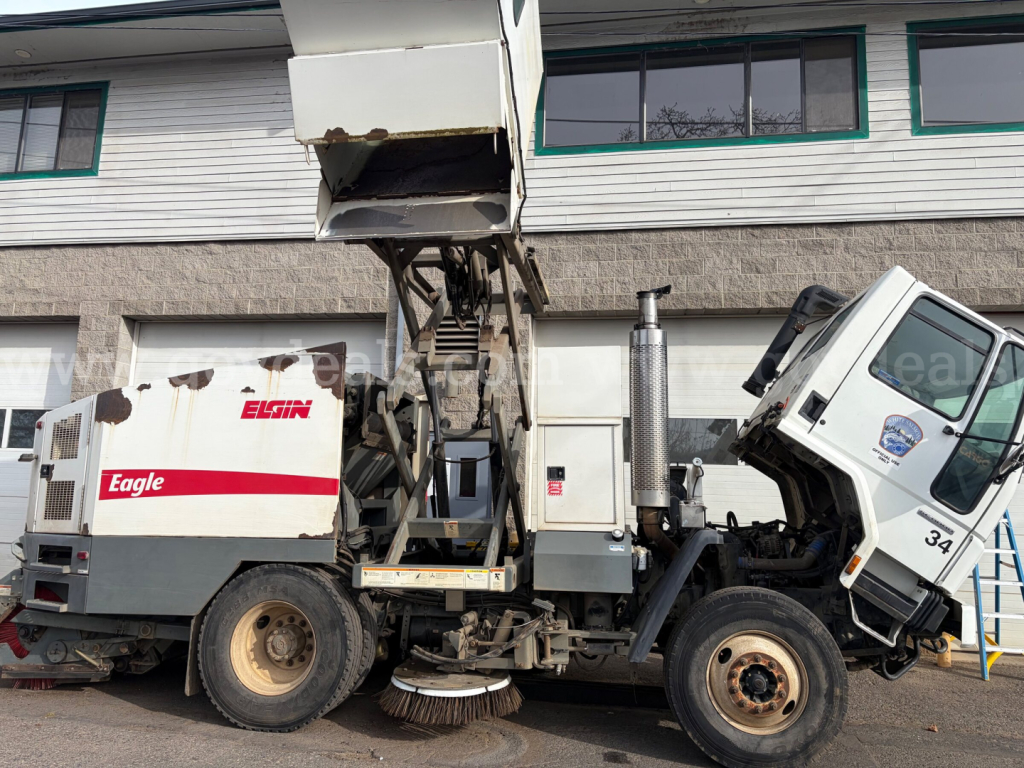

Have used sterling sweeper truck to sell? List it here to reach thousands of buyers.
About Used Sterling Sweeper Trucks
A buyer should start by identifying the sweeper type and duty cycle. Mechanical broom sweepers are common for heavier debris, milling cleanup, sand, gravel, and road shoulder work. Regenerative air and vacuum-style units are better suited for finer dust control, city streets, parking decks, and commercial properties where pickup quality matters. Common checkpoints include hopper capacity, gutter broom configuration, main broom width, suction path condition, conveyor wear, water tank capacity, and the condition of nozzles, hoses, and spray bars. On older Sterling sweeper trucks, the auxiliary engine is a major inspection item because the sweeper package often relies on a separate power unit for the fan, hydraulics, or broom systems.
Sterling sweeper trucks can appear in cabover or tilt-cab configurations depending on the body builder and model, and that makes access an important consideration. A tilt-cab layout can simplify engine service, but buyers still need to inspect the rear or auxiliary engine compartment, hydraulic pumps, fan housing, impeller bearings, and fluid couplers. Rust around the hopper, floor, conveyor housing, and water tank supports is common on older sweepers, especially in snow-belt regions where salt exposure is routine. It also pays to check curb-side visibility, turning radius, axle ratings, brake type, and PTO or hydraulic setup, since route work involves frequent stops, tight turns, and long periods of low-speed operation.
For a used Sterling sweeper, service history is often more valuable than appearance. Hours on the sweeper system, not just miles on the chassis, tell the real story. Buyers should verify broom hours, fan or blower condition, hydraulic leaks, water pump output, dust suppression performance, and whether replacement parts are still available for the sweeper body manufacturer. A well-maintained Sterling sweeper truck can still be a cost-effective platform for municipal fleets, contractors, and property maintenance operations, but the right unit is the one with a sound sweeper package, predictable repair needs, and a chassis spec that fits the route.
Frequently Asked Questions
What should I inspect first on a used Sterling sweeper truck?
Start with the sweeper system before the chassis cosmetics. Inspect the auxiliary engine or hydraulic drive system, fan or blower, gutter brooms, main broom, hopper, conveyor, water pump, spray nozzles, and hydraulic lines. Then confirm the chassis condition, brake system, steering, suspension, and engine service records. On a used sweeper, miles alone do not show actual wear because sweeper hours and low-speed operation drive maintenance needs.
Are Sterling sweeper trucks usually mechanical broom or vacuum sweepers?
Used Sterling sweeper trucks can be found with several sweeper body styles, including mechanical broom, vacuum, and regenerative air systems. Mechanical broom units are generally preferred for aggregate, milling debris, and heavier material. Vacuum and regenerative air units are better for fine dust, parking lots, and urban cleanup where pickup quality and dust control are more important. The body manufacturer and sweeper system design matter more than the Sterling badge when comparing cleaning performance.
How important are sweeper hours compared with truck mileage?
Sweeper hours are critical because the auxiliary systems often accumulate wear independently of the chassis odometer. A truck with moderate road miles can still need major sweeper repairs if the fan, hydraulic pumps, water system, or brooms have high operating hours. Buyers should ask for both mileage and sweeper system hours, along with records for bearings, impellers, pumps, hoses, and broom replacement intervals.
What are common problem areas on older used sweeper trucks?
Common issues include hopper corrosion, worn conveyor components, hydraulic leaks, weak water pump pressure, damaged spray bars, broom motor wear, fan bearing failure, and rust at body mounts or tank supports. On some units, the auxiliary engine can be the most expensive repair point. Electrical faults from weather exposure and stop-and-go duty are also common, especially on municipal units that have spent years outdoors or in seasonal service.
Can a used Sterling sweeper truck still make sense for municipal or contractor use?
Yes, if the sweeper package is functional and parts support is realistic. Sterling chassis were built for vocational work and can still serve well in municipal, airport, industrial, and contractor fleets when the underlying chassis is sound. The best value usually comes from units with documented maintenance, a clean hydraulic system, solid hopper structure, and a sweeper body from a manufacturer with accessible parts and service knowledge.