
Sweeper Trucks For Sale in Florida
Shop sweeper trucks for sale in Florida, including parking lot and street sweepers with diesel chassis, broom systems, hoppers, and vacuum setups.
Learn moreBrowse Sweeper Trucks by Make
Have sweeper truck to sell? List it here to reach thousands of buyers.
About Sweeper Trucks in Florida
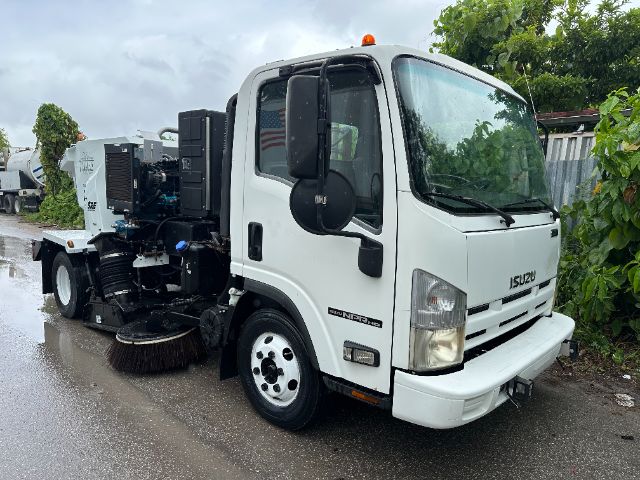
One of the first decisions is chassis size and service access. Many used sweeper trucks are built on medium-duty platforms such as Isuzu NPR, Hino, Freightliner, Ford, or International cab chassis, often paired with automatic transmissions for stop-and-go work. Common items to review include engine hours, sweeper hours, auxiliary or pony motor hours, hydraulic system condition, fan or blower wear, gutter broom condition, pickup head wear, and hopper corrosion. A buyer should also check water tank capacity, spray bars, suction hose routing, dump height, and broom pattern adjustment. On parking lot units, dual gutter brooms, compact wheelbase, and tight turning radius are especially important for islands, curbs, and confined lanes.
Florida operating conditions make dust control, cooling performance, and corrosion prevention more important than many buyers expect. Salt air near the coast can accelerate rust on hoppers, subframes, and electrical connections, while heat and humidity can expose weak hydraulic hoses, seals, and cooling components. If the truck will run in retail lots at night, pay attention to lighting, backup camera systems, noise levels, and cab visibility. If the route includes municipal streets or heavier debris, look closely at suspension capacity, axle ratings, hopper volume, and the availability of replacement brooms, filters, and wear parts for the sweeper body manufacturer.
A good sweeper truck purchase comes down to matching the machine to the debris type and route density. Fine dust and dry debris often favor air or vacuum systems, while heavier aggregate and packed material may call for a more robust broom setup. Also known as parking lot sweepers or street sweeper trucks, these units are specialized machines where body condition can matter as much as chassis mileage. Maintenance records for the sweeper system, not just the truck engine, are a major value factor. Buyers comparing listings should focus on the complete package: chassis durability, sweeper body brand support, hopper and broom condition, auxiliary power system health, and how well the unit fits the intended cleaning schedule.
Frequently Asked Questions
What is the difference between a parking lot sweeper and a street sweeper truck?
A parking lot sweeper is typically built for tighter turns, frequent stops, curb lines, and light to moderate debris in commercial properties. A street sweeper truck is usually configured for larger routes, more water capacity, heavier debris collection, and longer operating cycles on public roads. The overlap is significant, but parking lot units generally emphasize compact dimensions and maneuverability, while street sweepers are more focused on route production and municipal-style service.
What should I inspect first on a used sweeper truck?
Start with the sweeper system, not just the chassis. Check hopper condition, pickup head wear, gutter brooms, hydraulic leaks, blower or vacuum performance, water system operation, and the hours on the auxiliary engine if equipped. After that, inspect the truck chassis for engine condition, transmission performance, brake wear, steering play, cooling system health, and frame corrosion. A sweeper with acceptable truck mileage can still become expensive quickly if the body, fan system, or hydraulics need major repair.
Are pony motors common on sweeper trucks?
Yes. Many sweeper trucks use an auxiliary engine, often called a pony motor, to power the sweeping system independently from the chassis engine. This setup can reduce wear on the main engine during prolonged sweeping operations and is common on many parking lot and specialty sweeper configurations. Buyers should compare pony motor hours with chassis miles and confirm parts support, cold-start behavior, and service history before purchase.
Which sweeper type is best for fine dust and light debris?
Regenerative air and vacuum sweepers are often preferred for fine dust, dry dirt, small litter, and parking lot cleanup because they can deliver strong pickup performance with good dust suppression when the water system is functioning correctly. Mechanical broom sweepers are effective for heavier or more compacted material, but they may not be as efficient on very fine dust depending on the application. The right choice depends on the surface, debris mix, and whether appearance cleaning or heavier material recovery is the priority.
Why does Florida location matter when buying a sweeper truck?
Florida conditions can affect both durability and operating performance. Coastal exposure can speed up corrosion on hoppers, electrical connections, and steel structure, while heat and humidity can stress cooling systems, hydraulic components, and seals. Frequent rain also makes water system reliability and drainage design more relevant. A Florida buyer should inspect rust-prone areas carefully and confirm that the machine has been maintained for warm, humid, stop-and-go service.