
Step Van Trucks For Sale in Texas
Browse step van trucks for sale in Texas. Compare walk-in delivery vans with diesel or electric power, GVWR options, body lengths, and route-ready specs.
Learn moreBrowse Step Van Trucks by Make
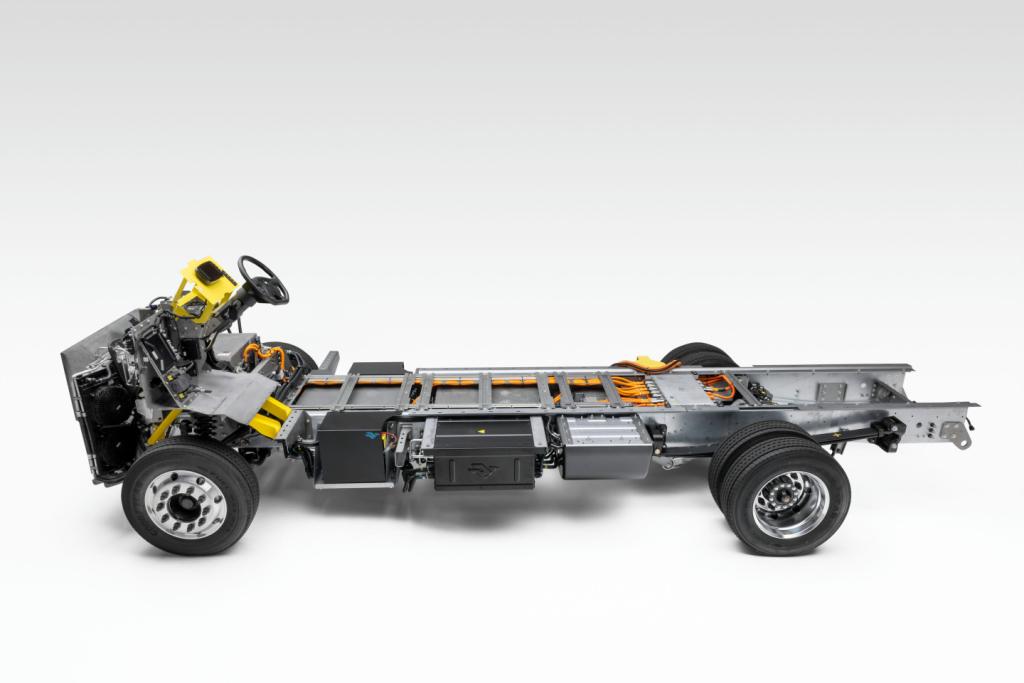
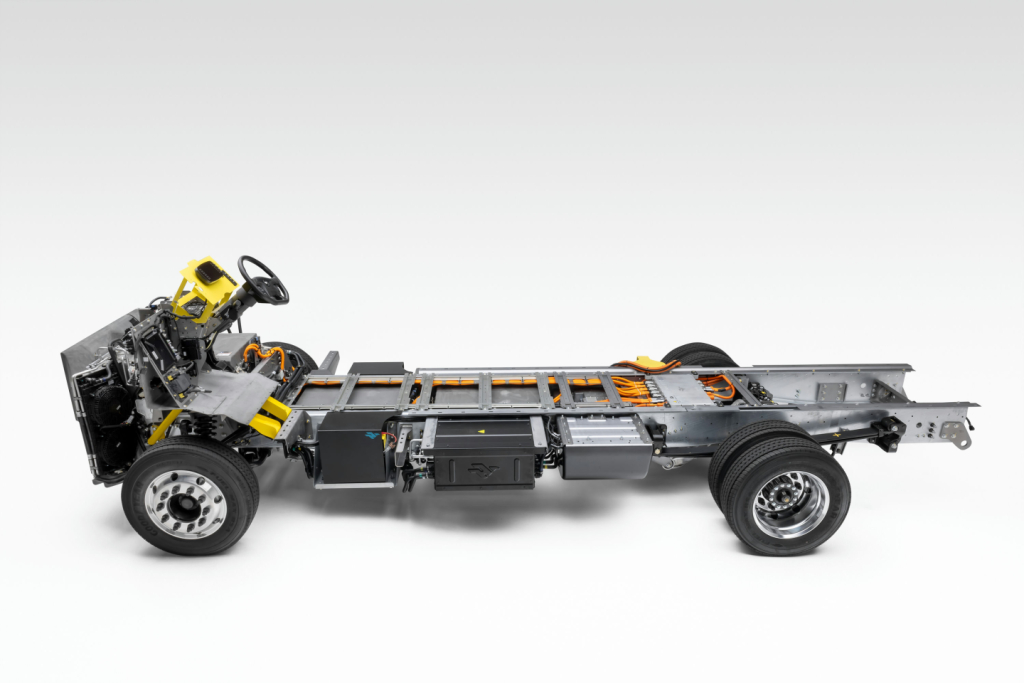
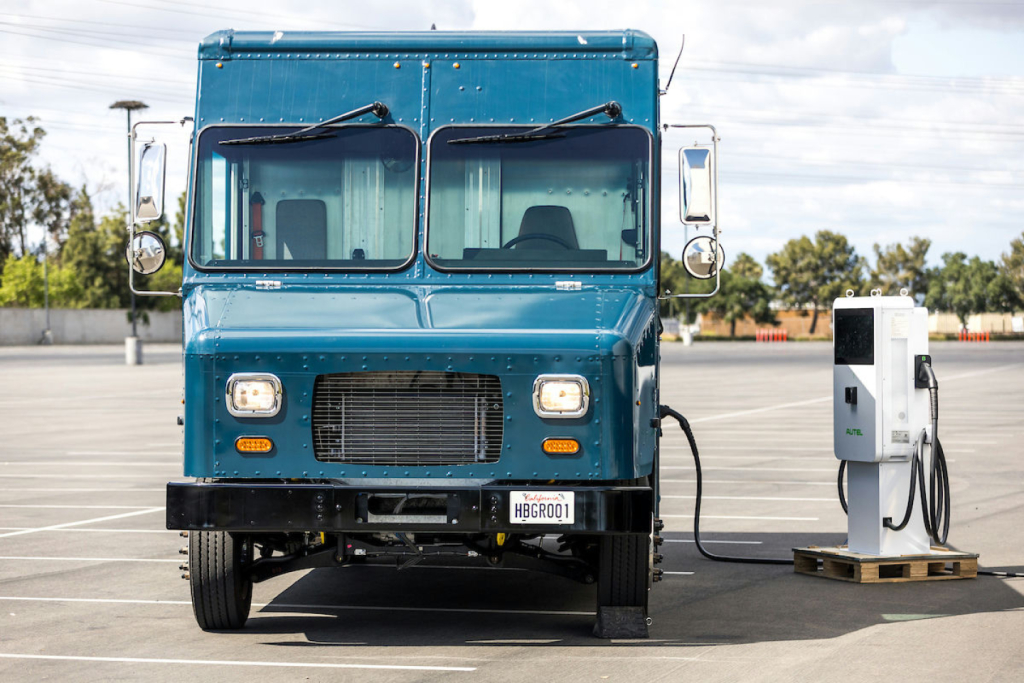
Showing 13 to 15 of 15 results
Have step van truck to sell? List it here to reach thousands of buyers.
About Step Van Trucks in Texas
GVWR, wheelbase, and body length drive most purchase decisions in this class. Common step van configurations fall around the 20,000 to 24,500 pound GVWR range, with single-axle layouts and wheelbases often selected to balance cargo cube against turning radius. Shorter wheelbase units are easier to place in tight city streets, alleys, and loading zones, while longer bodies add usable shelving and package volume for parcel and uniform routes. Rear axle ratings, suspension type, door configuration, and interior upfit matter just as much as the badge on the hood. Many buyers look for roll-up rear doors, bulkhead access, curbside shelving, cargo tie-down points, backup cameras, and air conditioning strong enough for repeated door-open cycles in Texas heat.
Powertrain choice is becoming a major separator in the step van market. Traditional gasoline and diesel step vans still fit mixed-use routes, rural service areas, and operations without dedicated charging access. Electric step vans are gaining traction for fixed local routes because they deliver strong low-speed torque, quiet operation, and lower brake wear in stop-and-go service. For Texas buyers, electric range planning should include summer HVAC load, idle reduction strategy, charger availability, route density, and total payload. A step van that looks right on paper can underperform if battery capacity, charging window, or body upfit is mismatched to the route. Buyers comparing electric models should verify usable range under load, DC fast-charge capability, battery warranty terms, and how the body builder integrated HVAC, telematics, and auxiliary power draws.
Condition and serviceability should carry real weight in this category because step vans live hard lives. Look closely at door hardware, step wells, flooring, roof seams, cargo wall condition, front suspension wear, brake history, and corrosion around body mounts. On used units, idle hours and route type can tell more than mileage alone. A truck that ran short, repetitive urban stops will age differently than one used on spread-out municipal or contractor routes. For fleet buyers, parts support, body repair access, and technician familiarity are practical considerations that directly affect uptime. The best step van for sale is usually the one sized correctly for the route, spec'd for easy driver movement, and simple to keep on the road day after day.
Frequently Asked Questions
What is a step van truck used for?
A step van truck is used for high-frequency delivery and service routes where the driver enters and exits the vehicle many times per day. Common applications include parcel delivery, bread and snack routes, uniforms and linens, vending service, mobile repair, and municipal fleet work. The walk-in body and low entry height make a step van more efficient than a standard cab chassis with a separate box when route density is high.
What should I look for when buying a step van in Texas?
Texas buyers should pay close attention to cooling performance, route length, turning radius, and cargo access. Strong air conditioning, durable door hardware, and a body layout that supports quick movement matter more in hot climates and dense delivery work. It is also important to match GVWR, axle ratings, and body length to actual payload and shelving needs so the truck is not overloaded or oversized for the route.
Are electric step vans a good fit for delivery fleets?
Electric step vans can be an excellent fit for predictable local routes with frequent stops and reliable overnight charging. They offer quick low-speed acceleration, less brake wear, and quieter operation than many internal combustion units. The right fit depends on loaded range, charging time, daily mileage, auxiliary power demand, and how much HVAC use is required in summer conditions. Buyers should evaluate the complete route profile, not just the advertised range figure.
What GVWR is common for a step van truck?
Many step van trucks are spec'd in the approximate 20,000 to 24,500 pound GVWR range, although exact ratings vary by chassis, body, and upfit. That range is popular because it supports substantial cargo cube and route payload while keeping the truck maneuverable enough for city and suburban delivery work. The correct GVWR depends on the weight of shelving, packages, tools, drivers, and any liftgate or specialty equipment.
How is a step van different from a box truck?
A step van is designed around driver movement and stop-and-go efficiency, while a box truck is usually better suited to fewer stops and heavier straight-through cargo hauling. Step vans have a walk-in interior, lower step-in height, and easier access between the cab and cargo area. Box trucks often offer larger payload flexibility and a wider range of body sizes, but they generally do not match a step van for dense delivery routes with constant entry and exit.