
Service/Utility Trucks For Sale in New Jersey
Browse service and utility trucks for sale in New Jersey. Compare body layouts, GVWR, fuel type, storage, towing, and jobsite-ready specs.
Learn moreBrowse Service/Utility Trucks by Make
Have service/utility truck to sell? List it here to reach thousands of buyers.
About Service/Utility Trucks in New Jersey
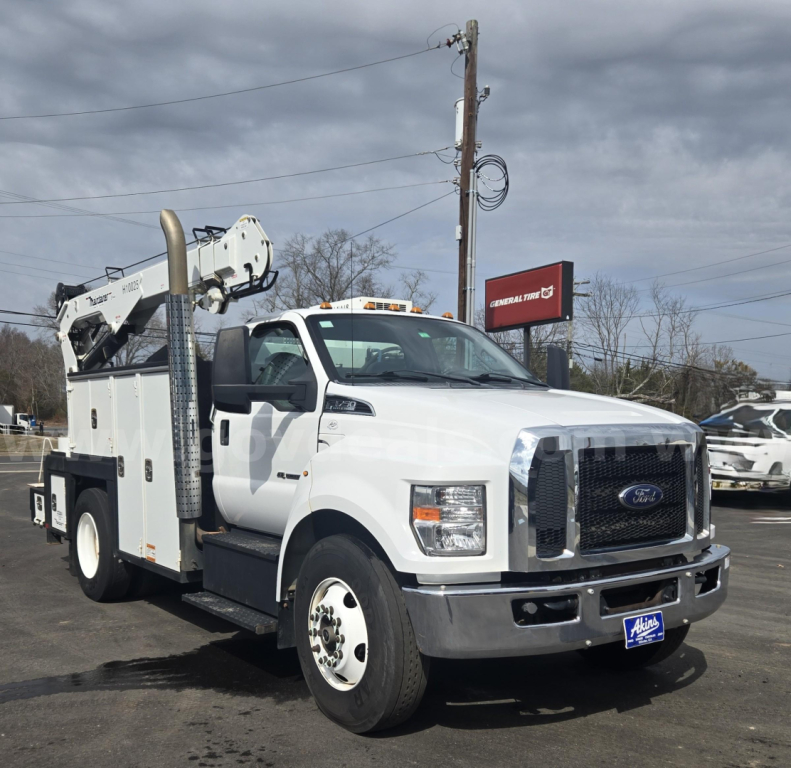
A good utility truck is really a mobile workspace, so body configuration matters as much as the cab and engine. Buyers usually compare compartment depth, door style, shelf packages, ladder racks, drawer units, and bumper or underbody storage. Steel service bodies are common where durability and security matter most, while aluminum bodies reduce curb weight and help preserve payload. If the truck will support field repairs, look closely at inverter setups, onboard air, cranes, welder platforms, vice mounts, and work lighting. For fleets operating year-round in New Jersey, rust prevention deserves extra attention. Body corrosion, frame condition, door seals, latch function, and the state of the outriggers or crane mounting points can affect long-term value more than cosmetics.
Powertrain choice depends on route pattern and total operating weight. Gas engines remain popular in light and medium service trucks because acquisition cost is lower and they fit stop-and-go local use well. Diesel trucks still make sense when the body is heavily equipped, towing is frequent, or the truck spends long days under load. Four-wheel drive is a strong consideration for mixed pavement, utility easements, snow conditions, and off-pavement job access. Buyers should also check GVWR, rear axle rating, wheelbase, tire size, PTO compatibility, trailer brake controller setup, and receiver or pintle capacity. If the truck has a crane, compressor, or generator, confirm the equipment rating and verify that the chassis and body were matched correctly from the start.
The best service truck for sale is the one that fits the technician’s daily work without wasting payload or space. A compact pickup-based utility truck can be ideal for service calls and municipal support, while a larger chassis with a full mechanic body suits field maintenance and construction support. Crew cab versus regular cab, long bed versus shorter wheelbase, and enclosed storage versus open deck sections all change how the truck performs on the job. Buyers comparing service and utility trucks in New Jersey should focus on payload, organization, access to tools, and the durability of the body and upfit, because those factors drive productivity every day the truck is in service.
Frequently Asked Questions
What is the difference between a service truck and a utility truck?
The terms are often used interchangeably. In most truck listings, a service truck or utility truck refers to a chassis fitted with side storage compartments and a work-oriented body for tools, parts, and equipment. Some buyers use service truck more often for mechanic-style bodies with cranes, compressors, or welders, while utility truck can also describe lighter pickup-based bodies used by contractors, municipalities, and facility maintenance crews.
Should I choose a gas or diesel engine in a service/utility truck?
Gas engines are a practical choice for local routes, lighter payloads, and lower upfront cost. They are common in pickup-based service trucks used by contractors and municipal departments. Diesel is usually the better fit when the truck carries a heavier body, tows regularly, or runs equipment and spends long hours under load. The right answer depends on payload, towing demands, idle time, maintenance preferences, and how many miles the truck covers each year.
What should I inspect on a used utility body?
Inspect the body structure, compartment floors, hinges, seals, latches, and shelving first, because these parts affect daily use more than exterior appearance. Check for rust at the bed floor, wheel openings, mounting points, and underbody compartments. Look at the condition of ladder racks, drawer units, lighting, wiring, and any inverter or compressor installation. If the truck has a crane or other mounted equipment, inspect the mounting area carefully and verify the ratings and operating condition.
Is four-wheel drive worth it on a service truck in New Jersey?
Four-wheel drive is often worth the extra cost if the truck works in winter weather, on unpaved access roads, utility easements, construction sites, or soft ground. It can improve uptime and reduce the chance of getting stuck when the truck is carrying a full body and equipment. For trucks that stay on paved roads in urban or suburban service routes, two-wheel drive may be sufficient and can reduce purchase price, weight, and maintenance complexity.
What size service truck is best for contractor work?
For many contractors, a Class 2 or Class 3 pickup-based service truck offers the best balance of maneuverability, storage, and operating cost. It is well suited for electricians, plumbers, HVAC technicians, and general service crews. If the job requires a crane, large compressor, substantial towing, or a higher volume of parts and equipment, a Class 4 to Class 6 chassis with a larger service body is usually the better long-term fit.