
Ford Service/Utility Trucks For Sale in New Jersey
Browse Ford service and utility trucks with common body, chassis, and upfit options for field service, municipal, contractor, and fleet use.
Learn more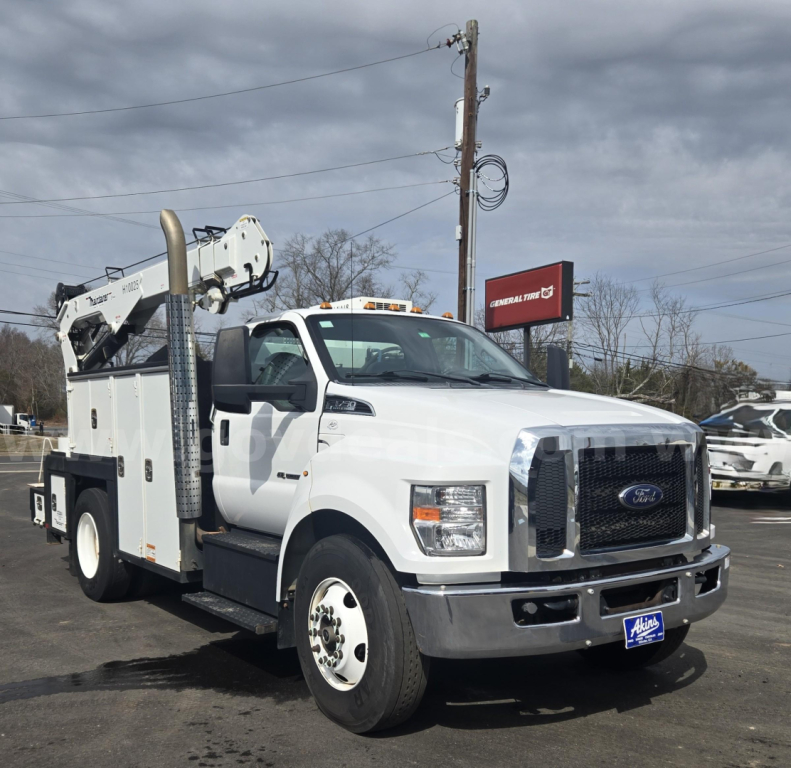
Have ford service/utility truck to sell? List it here to reach thousands of buyers.
About Ford Service/Utility Trucks in New Jersey
The chassis matters as much as the body. A lighter-duty Ford F-250 or F-350 service truck is often used for general maintenance, inspections, and contractor work where payload and towing demands are moderate. Stepping up to an F-450 or F-550 usually makes sense when the truck carries compressors, welders, cranes, generators, or a fully loaded steel utility body every day. Buyers should compare GVWR, rear axle rating, cab configuration, wheelbase, engine choice, 4x2 versus 4x4, and whether the truck has a pickup-style bed replacement body or a purpose-built commercial upfit. In New Jersey and other dense service areas, turning radius, overall length, and parking access can matter almost as much as payload.
Most Ford utility trucks in the used market are set up with gas V8 or diesel power depending on model year and fleet spec. Beyond engine choice, the real value is in the upfit. Look closely at compartment layout, shelving, drawer systems, scuff protection, ladder rack design, hitch rating, PTO capability if equipped, inverter or onboard power setup, and signs of hard vocational use around doors, locks, and body mounts. Rust and corrosion deserve special attention in Northeast trucks, especially on utility body floors, rocker panels, underbody supports, and frame areas exposed to road salt. If the truck will carry specialized tools or parts inventory, check compartment dimensions and door access, not just overall payload numbers.
A well-matched Ford service truck can reduce trailer dependence, improve technician response time, and keep tools secure and organized between calls. Buyers comparing listings should think in terms of daily application first: mobile repair, HVAC, electrical, plumbing, public works, roadside service, or light fleet maintenance. The best unit is usually the one with the right body layout, axle capacity, and cab configuration for the work, not simply the newest truck on the page. Service records, idle hours for onboard equipment, and the quality of the body installation can tell you more about long-term value than odometer reading alone.
Frequently Asked Questions
What Ford models are most common for service and utility truck applications?
Ford Super Duty models are the most common platforms in this category, especially the F-250, F-350, F-450, and F-550. The right model depends on body weight, payload, towing needs, and the type of equipment mounted in the service body. F-250 and F-350 trucks are common for lighter contractor and technician work, while F-450 and F-550 chassis are better suited for heavier steel bodies, cranes, compressors, welders, and high daily payloads.
What should I inspect first on a used Ford service truck?
Start with the utility body, frame, and suspension because those areas reveal how the truck was actually used. Inspect compartment doors, hinges, locks, shelves, ladder racks, body mounts, hitch setup, and any onboard equipment wiring. On trucks from New Jersey and the broader Northeast, check carefully for rust on the frame, utility body underside, floor structure, cab corners, and brake and fuel lines. Then confirm axle ratings, tire condition, and whether the upfit matches the truck's intended payload.
Is a gas or diesel Ford service truck better for fleet use?
A gas engine can be a practical choice for lighter-duty urban and suburban service routes with lower annual miles, simpler maintenance needs, and less time spent towing heavy loads. A diesel may make more sense when the truck runs with a full body every day, tows regularly, or supports heavier commercial upfits on larger chassis. The better option depends on total operating cost, technician route length, idle time, load profile, and how long the fleet plans to keep the truck.
How do I choose the right utility body setup?
Choose the body around the tools, parts, and workflows the technician uses every day. A general contractor may prioritize open storage, ladder racks, and towing capability, while an electrician or plumber may need deeper compartment organization, internal shelving, bins, and secure lockable storage. If the truck will support welding, air systems, or lifting equipment, verify body material, compartment reinforcement, electrical capacity, and whether the chassis can legally and safely carry the finished upfit.
Are 4x4 Ford utility trucks worth paying more for?
They often are when the truck regularly enters undeveloped jobsites, utility easements, winter road conditions, or mixed on-road and off-road service territory. A 4x4 configuration adds capability and can improve resale appeal in northern markets, but it also adds cost, weight, and complexity. For strictly paved-route municipal or contractor work, a 4x2 truck may offer enough performance with slightly better payload efficiency and lower acquisition cost.