
Freightliner Service/Utility Trucks For Sale in Alabama
Shop Freightliner service and utility trucks for sale in Alabama. Compare M2 specs, body setups, PTO options, and fleet-ready configurations.
Learn more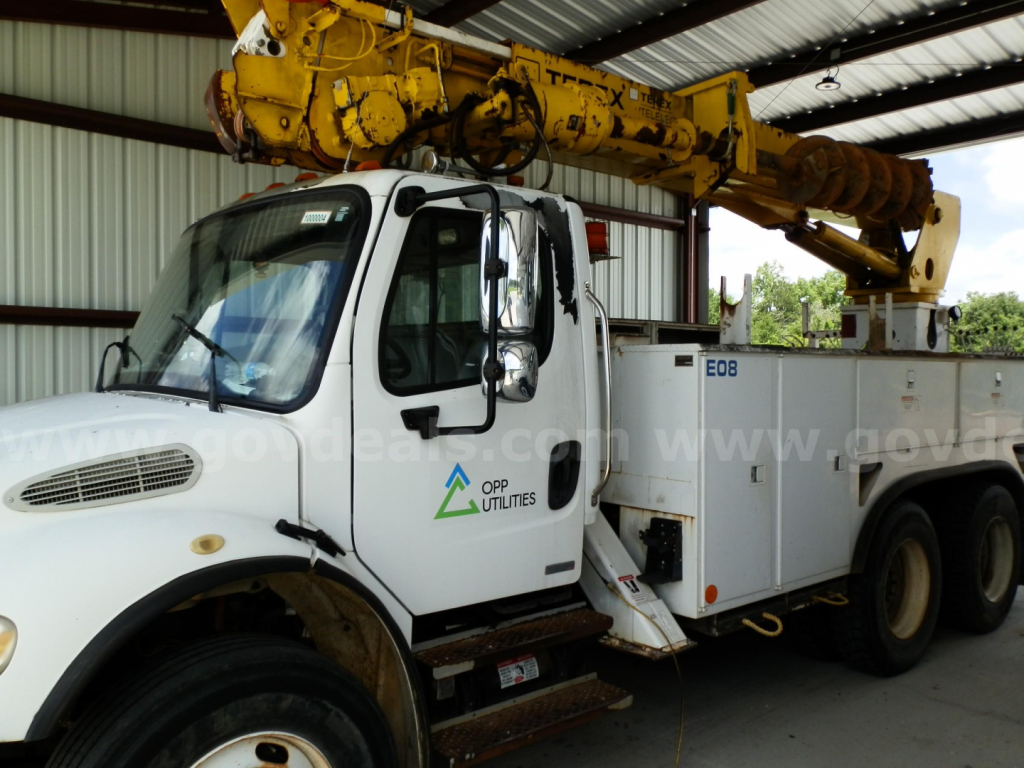
Have freightliner service/utility truck to sell? List it here to reach thousands of buyers.
About Freightliner Service/Utility Trucks in Alabama
The first buying decision is usually the body and equipment package, not just the truck itself. A service body may include enclosed compartments, external storage, ladder racks, work lighting, inverter systems, and air compressors. Utility-spec trucks can add PTO-driven hydraulic systems, outriggers, reel setups, cranes, aerial devices, or digger derricks depending on the job. Buyers should confirm the chassis was originally spec'd for the mounted equipment, including front axle rating, rear axle capacity, frame reinforcement, wheelbase, and PTO compatibility. On heavier setups, suspension capacity and proper weight distribution matter just as much as engine and transmission choice.
Freightliner service trucks are commonly found with diesel powertrains such as the Cummins ISB or ISC and Allison automatic transmissions, especially in M2 106 configurations. Important checks include engine hours versus chassis miles, idle history, PTO hours, hydraulic system condition, and any signs of stress around body mounts or outriggers. For utility trucks with cranes or derricks, inspection records, dielectric testing where applicable, boom certification, and maintenance documentation can be as important as the truck's driveline. A truck that spent its life in municipal or utility fleet service may show cosmetic wear but still have a strong maintenance trail, which is often a major advantage for a vocational buyer.
Alabama buyers also tend to pay close attention to corrosion, climate exposure, and roadability between job sites. A clean frame, properly functioning electrical system, and organized compartment layout can make a big difference in daily uptime. If the truck will support line work, sign crews, or heavy field repairs, verify CDL requirements, GVWR class, and any special operating needs tied to the mounted equipment. The best Freightliner service or utility truck is the one with a chassis, body, and accessory package that matches the work cycle without leaving the truck overloaded, underpowered, or difficult to service.
Frequently Asked Questions
What makes Freightliner service and utility trucks popular for vocational work?
Freightliner service and utility trucks are widely used because the chassis is easy to body, parts availability is strong, and models like the M2 106 fit a broad range of medium-duty applications. They are commonly spec'd for utility bodies, cranes, compressors, generators, and digger derricks. Buyers also value the straightforward cab layout, service network, and compatibility with common diesel and Allison automatic driveline combinations.
What should I inspect on a used Freightliner utility truck with a crane or digger derrick?
Focus on both the truck and the mounted equipment. Check PTO operation, hydraulic leaks, outrigger function, frame condition, and any cracking or reinforcement issues around mounting points. Review boom inspection records, maintenance logs, load test documentation, and dielectric certifications if the truck was used for energized line work. Engine miles alone do not tell the full story on a utility truck because PTO hours and idle time can be substantial.
Is the Freightliner M2 106 a common platform for service bodies?
Yes. The Freightliner M2 106 is one of the most common medium-duty platforms for service and utility bodies because it offers a practical balance of size, turning radius, axle ratings, and equipment compatibility. It can be configured for contractor service bodies, municipal fleet use, telecom work, and heavier utility applications depending on wheelbase, GVWR, and frame spec. Buyers should still confirm that the exact chassis ratings match the mounted body and job demands.
How do I choose the right service or utility body setup?
Start with the job cycle. A field mechanic may need enclosed compartments, a compressor, welder, and crane, while a utility crew may need outriggers, reels, a derrick, or aerial equipment. Compartment layout, payload, PTO requirements, and electrical power needs should be matched to daily use. It is also important to consider axle ratings, wheelbase, and legal operating weight so the truck remains productive without being overloaded.
Are fleet-maintained municipal or utility company trucks worth considering?
They often are. Many municipal and utility fleet trucks follow scheduled maintenance programs and have documented service histories, which can be a major advantage in a used vocational truck. Cosmetic wear is common, but the more important factors are chassis condition, hydraulic system health, inspection compliance, and whether the mounted equipment was maintained on schedule. A documented fleet truck can be a better buy than a cleaner-looking unit with limited records.