
Rollback Trucks For Sale in Kansas
Rollback trucks for sale in Kansas. Compare deck length, winch capacity, GVWR, axle ratings, and carrier setup for towing and equipment transport.
Learn moreBrowse Rollback Trucks by Make
Have rollback truck to sell? List it here to reach thousands of buyers.
About Rollback Trucks in Kansas
One of the first decisions is chassis class and axle capacity. Medium-duty rollback trucks are common for general towing and recovery, while heavier tandem-axle setups are chosen for larger commercial vehicles, longer steel or aluminum decks, and higher payload demands. Buyers should compare GVWR, front and rear axle ratings, wheelbase, suspension, and transmission type along with the carrier body itself. A longer wheelbase can support a bigger bed and improve stability, but it also affects turning radius in tighter urban work. Automatic transmissions, especially Allison-equipped units, remain popular because they simplify stop-and-go operation and PTO-driven hydraulic work.
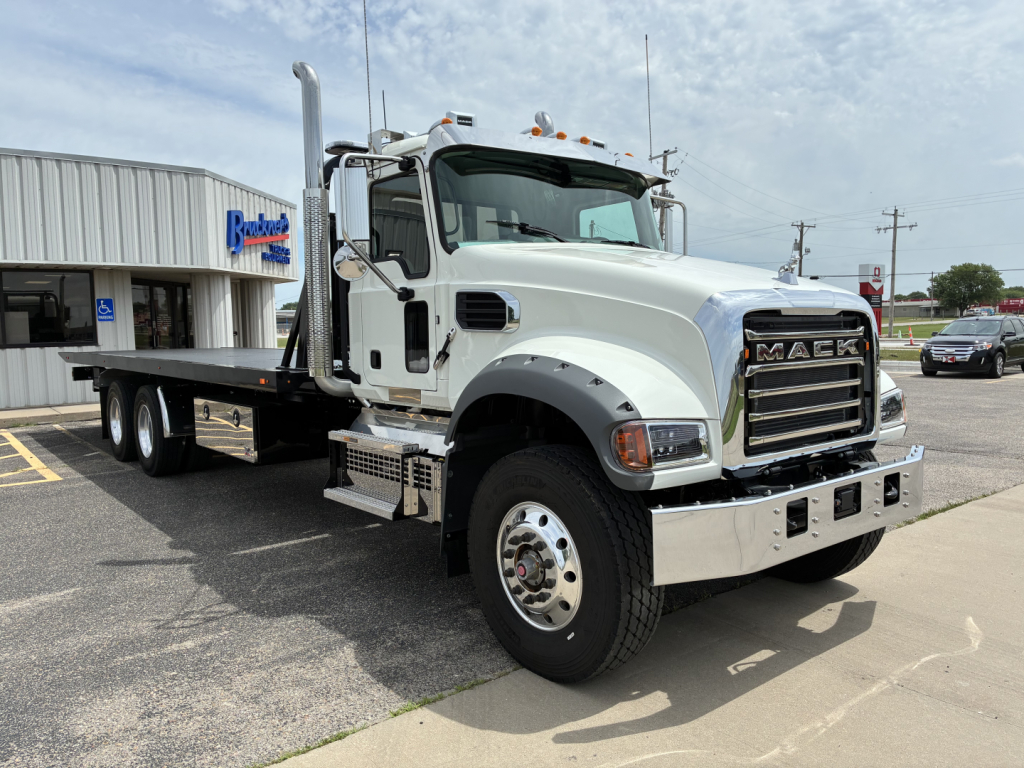
Body specifications deserve close attention. Common rollback features include low center of gravity carrier beds, dual lift cylinders, dual extension cylinders, planetary winches, air free spool, chain lock systems, stake pockets, and full-length subframes. Bed width is typically around 102 inches, and buyers often compare steel versus aluminum construction based on durability, corrosion resistance, and payload tradeoffs. Look at deck flooring, crossmember spacing, tie-down points, lighting, and rear approach plate design if the truck will see frequent loading of damaged vehicles or equipment with limited ground clearance. A hydraulic wheel lift, stabilizers, and underbody tool storage can also change how useful the truck is in daily service.
For Kansas operators, practical spec choices often come down to route mix and cargo type. A rollback used mainly for dealer transfers and light-duty towing may prioritize lower bed height, smooth hydraulics, and efficient operation. A truck handling commercial recoveries, municipal work, or equipment hauling may need higher horsepower, heavier rear suspension, stronger winch capacity, and tandem-axle stability. The best rollback truck is the one with a carrier and chassis matched to the weight, wheelbase, and loading conditions you actually see, not just the highest published capacity.
Frequently Asked Questions
What is a rollback truck used for?
A rollback truck is used to transport cars, pickups, vans, disabled vehicles, and some compact equipment on a tilting, sliding bed. The deck lowers to the ground to create a shallow loading angle, which helps protect low-clearance vehicles and reduces the need for aggressive ramps. Rollbacks are common in towing, repossession, dealer transfer, auction transport, accident recovery, and light equipment hauling.
What should I look at first when comparing rollback trucks?
Start with the chassis and carrier as a matched package. Key factors include GVWR, front and rear axle ratings, wheelbase, deck length, deck width, winch capacity, and whether the truck is single-axle or tandem-axle. After that, review hydraulic features such as dual tilt or extension cylinders, wheel lift setup, PTO and transmission pairing, and bed construction details like crossmember spacing, tie-down points, and approach angle.
How much winch capacity does a rollback truck need?
Winch size should match the heaviest disabled or non-running vehicles you expect to load, with margin for drag resistance and poor loading conditions. Many rollback trucks use planetary winches in the 8,000 to 20,000 pound range, but required capacity depends on vehicle weight, slope, deck angle, and whether the unit rolls freely. A higher-capacity winch is especially important for damaged commercial vehicles, heavier pickups, and equipment that may not move easily.
Is a tandem-axle rollback better than a single-axle truck?
A tandem-axle rollback is generally better for heavier payloads, longer decks, and more demanding commercial or equipment transport work. It typically offers higher GVWR, greater rear axle capacity, and improved stability under load. A single-axle rollback can still be the better fit for lighter towing, tighter city operation, lower acquisition cost, and simpler maintenance, so the right choice depends on the weight and dimensions of the units being hauled.
Are aluminum or steel rollback beds better?
Aluminum rollback beds usually reduce body weight and can improve legal payload, while also offering strong corrosion resistance. Steel beds are often chosen for their durability, repairability, and familiarity in harder-use environments. The better option depends on duty cycle, local corrosion exposure, expected abuse, and how important empty weight is to your operation.