
Plow Trucks For Sale in Ontario
Shop plow trucks for sale in Ontario, including municipal and contractor snow plow trucks with spreaders, dump bodies, wing plows, and winter-duty specs.
Learn moreBrowse Plow Trucks by Make
Have plow truck to sell? List it here to reach thousands of buyers.
About Plow Trucks in Ontario
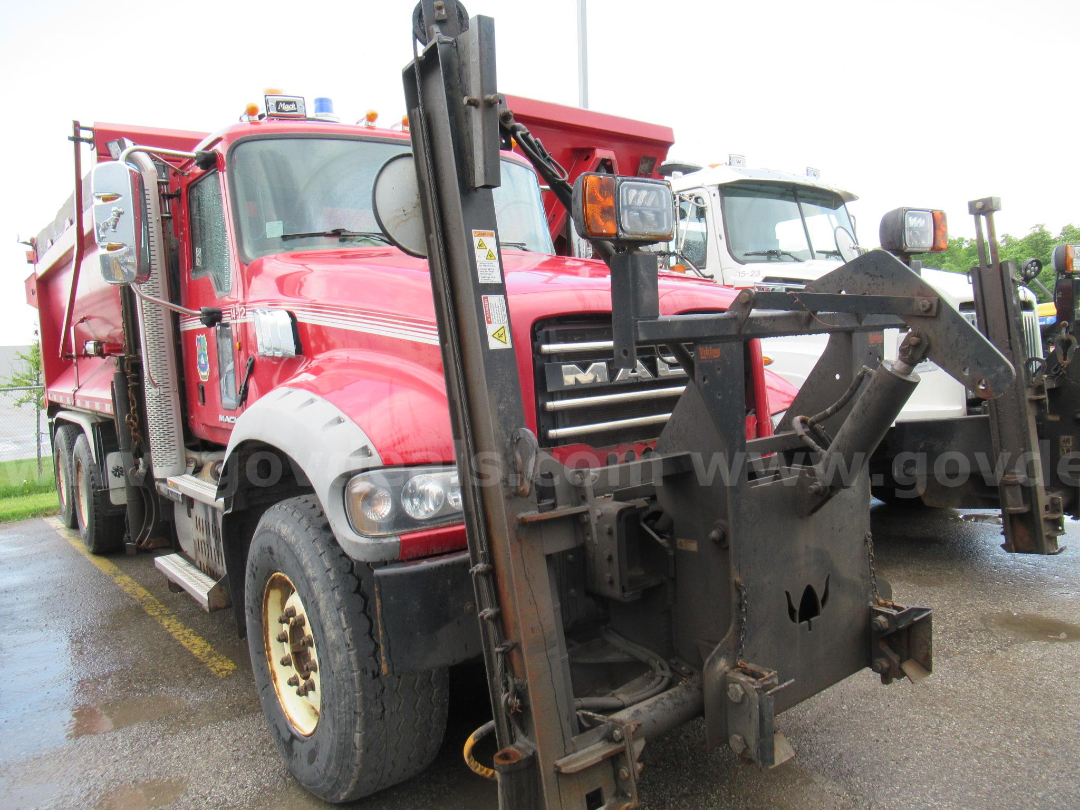
The upfit matters as much as the cab and chassis. Buyers should look closely at the plow frame, front axle rating, hydraulic pump setup, control system, dump body construction, and spreader design. Stainless dump bodies, stainless moldboards, and stainless spreaders are highly desirable in salt service because they hold up better against corrosion than painted steel. A typical plow truck may include a front reversible plow, a wing plow for widening passes, an underbody scraper for packed snow, and a dual spinner or auger-style salter. Allison automatic transmissions are common because they handle stop-and-go plowing well and work smoothly with PTO and hydraulic systems. GVWR, wheelbase, and axle ratings should match the intended route, especially if the truck will carry a full load of salt in addition to front-mounted snow equipment.
Used plow trucks need a different inspection than a standard dump or straight truck. Rust is the first issue in winter equipment, especially around the cab mounts, frame rails, spring hangers, body crossmembers, sander supports, and electrical connections. Check the front frame extension and plow hitch area for cracking or prior repairs, and inspect hydraulic cylinders, hoses, valves, and reservoirs for leaks or slow function in cold weather. On municipal units, hours can be just as important as mileage because plow trucks spend long periods idling or operating at low speed under heavy load. Service records, brake history, steering component condition, and evidence of regular seasonal maintenance can tell you more than the odometer alone.
For Ontario buyers, spec decisions should reflect route type and operating environment. A lighter single-axle plow truck can be efficient for parking lots, subdivisions, and urban streets where maneuverability matters. A heavier spec truck with higher front axle capacity, stronger springs, aggressive rear ratio, and wing capability is usually better for rural roads and repeated storm work. If the truck will be used year-round, a combination plow-dump body can add off-season value for aggregate, landscape material, or municipal maintenance work. The best plow truck is the one with the right winter package, enough front axle and hydraulic capacity for the attachments, and a chassis that has not been consumed by salt exposure.
Frequently Asked Questions
What should I look for first when buying a used plow truck?
Start with the frame, front axle, hydraulic system, and corrosion level. Plow trucks live in salt, slush, and vibration, so rust and structural fatigue are more important here than on many other vocational trucks. Inspect the plow mount, frame extension, spring hangers, body supports, cab corners, and electrical harnesses. Then confirm that the plow, wing, spreader, and controls all operate properly and that the truck has the axle ratings and hydraulic capacity to handle the installed equipment.
Is a single-axle or tandem plow truck better for snow work?
It depends on the route. Single-axle plow trucks are easier to maneuver, lighter, and often better suited for city streets, parking lots, and contractor work. Tandem plow trucks carry more material, offer more traction in certain applications, and are better suited for longer municipal routes, county roads, and heavy winter service. The key is matching payload, turning radius, front axle capacity, and road assignment to the truck spec.
Why are stainless steel bodies and spreaders preferred on plow trucks?
Stainless components are popular because they resist corrosion far better than painted mild steel in salt service. A stainless dump body, spreader, or moldboard can reduce structural rust, extend service life, and lower refurbishment costs over time. Stainless does not eliminate corrosion everywhere, since frames, mounts, wiring, and hydraulic components still need attention, but it is a major advantage for equipment exposed to de-icing material every winter.
Are engine hours important on a plow truck?
Yes. Engine hours can be as important as mileage because plow trucks often idle for long shifts and operate at low speeds with heavy hydraulic demand. A truck with moderate mileage but very high hours may show more wear in the engine, transmission cooling system, PTO or hydraulic setup, and cab controls than the odometer suggests. Buyers should consider hours, mileage, maintenance records, and overall condition together.
Can a plow truck be used outside the winter season?
Many plow trucks can serve year-round if they are equipped with a dump body or combination body. In the off-season, they may haul gravel, topsoil, asphalt patch, or maintenance material, which helps improve utilization. Buyers planning multi-season use should pay attention to body style, hoist condition, PTO setup, and how easily the plow and spreader equipment can be removed or left in place without limiting payload or service access.