
Used Chevrolet Pickup 4wd Trucks For Sale
Shop used Chevrolet 4WD pickup trucks, including Silverado 2500HD models, with common specs, work applications, drivetrain details, and buyer tips.
Learn more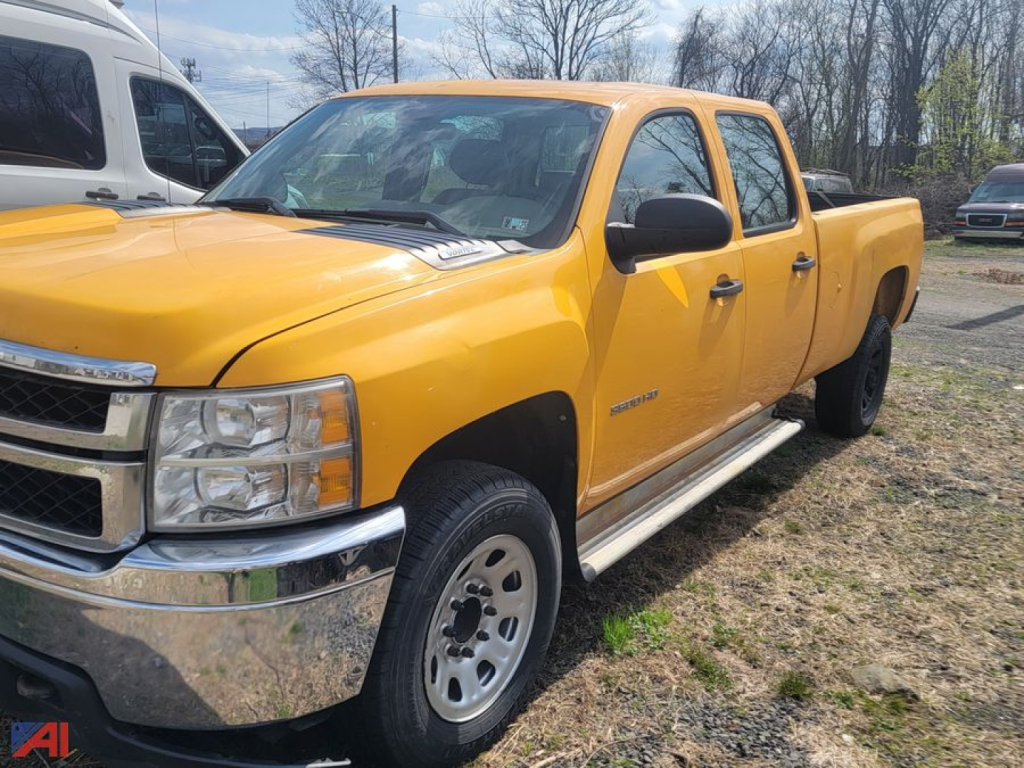
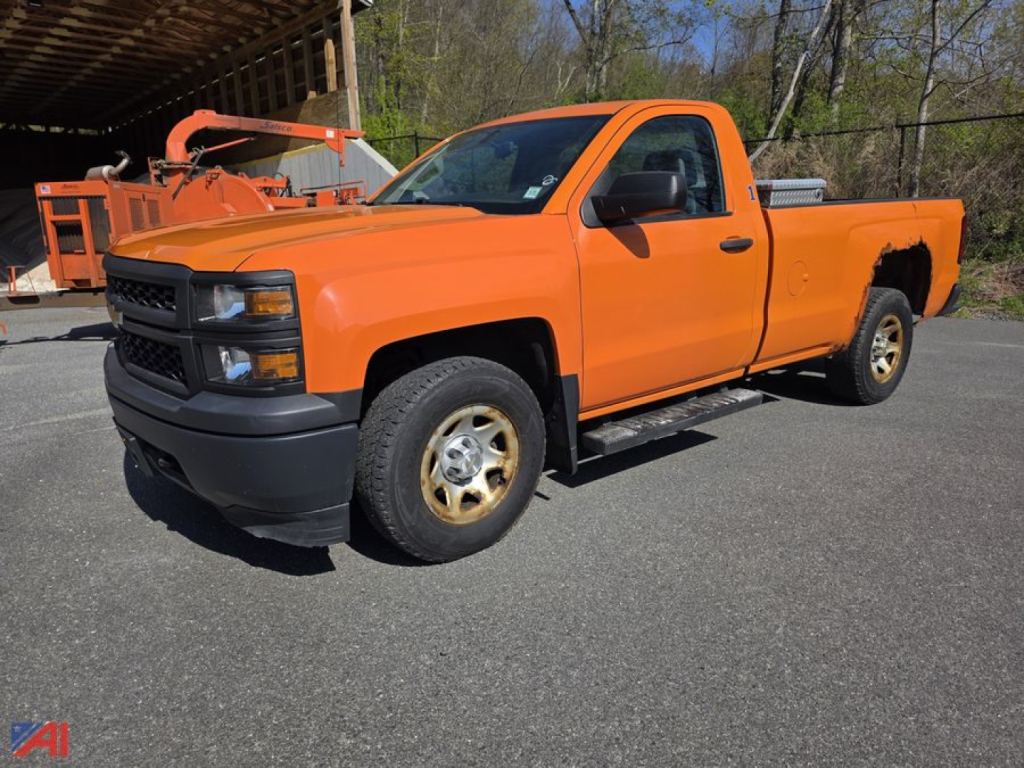
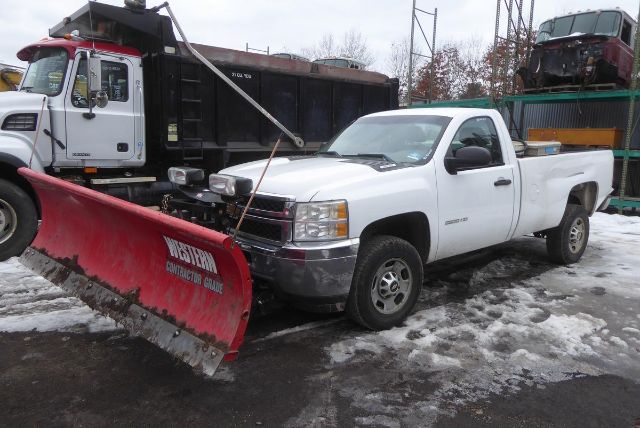
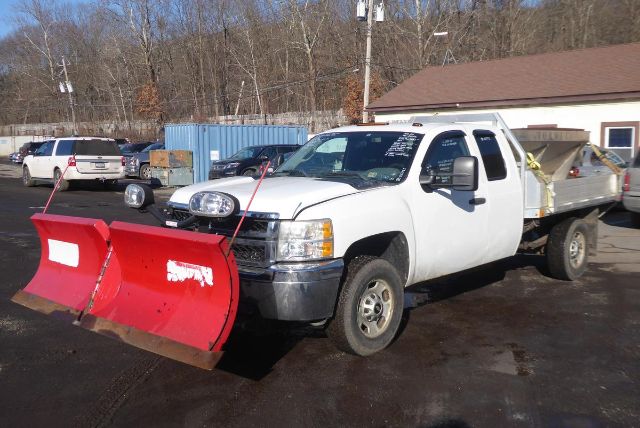
Showing 13 to 16 of 16 results
Have used chevrolet pickup 4wd truck to sell? List it here to reach thousands of buyers.
About Used Chevrolet Pickup 4wd Trucks
For many buyers, the first decision is 2500HD versus 3500HD, then gas versus diesel. A 2500HD is a common choice for mixed-duty use, snow removal, and lighter equipment hauling, while a 3500HD usually makes more sense when payload, rear axle capacity, or trailer weight is the priority. Chevrolet gas engines such as the 6.0L Vortec are well known in fleet service for straightforward maintenance and solid cold-weather performance. Duramax diesel-equipped trucks appeal to buyers who need higher torque for towing and sustained highway use, but operating cost, emissions-system condition, and maintenance history matter more on a used diesel than the badge alone.
On a used 4x4 pickup, drivetrain and frame condition matter more than appearance. Buyers should pay close attention to transfer case operation, front axle engagement, steering play, brake condition, rust at cab corners and rocker panels, and corrosion on the frame, plow mount, and bed supports. On HD Chevrolet pickups, wheelbase, cab-to-axle, tire size, spring capacity, and axle ratings tell you a lot about how the truck was intended to work. If the truck has a plow, flatbed, toolbox package, or sander, check the hydraulic functions, wiring, controller, pump, and any signs of front-end wear from repeated snow duty. A clean-running engine and transmission are important, but so are the practical details like 8-lug wheels, brake type, suspension setup, and whether the bed or body matches your intended use.
Chevrolet 4WD pickups hold their place in the used market because they are familiar, easy to upfit, and widely supported for parts and service. They are also known as 4x4 pickups, heavy-duty pickups, or work pickups depending on the body and GVWR. A buyer comparing listings should look past paint and focus on axle configuration, actual equipment, title status, rust exposure, and whether the truck was used for towing, plowing, field service, or general fleet work. The right used Chevrolet 4WD pickup is the one with the drivetrain, weight rating, wheelbase, and body setup that fits the job without forcing expensive changes after purchase.
Frequently Asked Questions
What should I look for first when buying a used Chevrolet 4WD pickup truck?
Start with the basics that determine usable life and repair risk: frame condition, four-wheel-drive engagement, transmission operation, engine performance, and rust. On Chevrolet HD pickups, inspect rocker panels, cab corners, brake lines, front suspension components, and plow-mount areas closely. If the truck has been used for snow work or municipal service, check the transfer case, front differential, steering linkage, and electrical connections for wear and corrosion. A truck with a strong chassis and drivetrain is usually a better buy than a cleaner-looking truck with hidden rust or 4x4 problems.
Is a Chevrolet 2500HD enough, or should I move up to a 3500HD?
A Chevrolet 2500HD is often enough for general contractor use, snowplow work, light-to-moderate towing, and carrying tools or smaller upfits. A 3500HD becomes the better fit when you need more payload capacity, heavier trailer capability, or a chassis that will carry a larger service body, flatbed, or constant-load setup. The decision should be based on rear axle rating, GVWR, and how the truck will be used daily, not just the model name. Buyers who regularly run near the truck's limit are usually better served by the 3500HD.
Are gas or diesel Chevrolet 4WD pickups better in the used market?
Gas engines are often preferred for shorter routes, lower annual miles, simpler maintenance, and cold-weather fleet work. Chevrolet 6.0L gas trucks in particular are common in municipal and contractor fleets because they are straightforward to service and usually cost less to buy than diesel models. Diesel trucks make more sense for frequent towing, highway mileage, and torque-heavy applications, but the condition of the emissions system, injectors, turbocharger, and service history is critical on a used diesel. In many cases, a well-maintained gas truck is the safer used purchase than a neglected diesel.
Do plow-equipped Chevrolet 4x4 pickups need special inspection?
Yes. A plow truck should be inspected beyond normal pickup standards because front-end wear and electrical issues are common. Check the front axle, torsion or spring components, steering gear, idler and pitman arms where applicable, plow frame mounts, hydraulic pump operation, blade movement, controller function, and charging system output. Also inspect for frame rust, bumper modifications, and transmission stress from repeated low-speed work. A plow that raises and angles correctly is only part of the picture. The truck underneath it has to be sound.
Why do wheelbase, bed type, and cab-to-axle matter on a used Chevrolet work pickup?
Those measurements determine what the truck can carry now and how easily it can be repurposed later. A standard pickup bed suits general fleet use, but a flatbed or service body can make the truck more productive for contractor, utility, or farm work. Wheelbase affects turning radius, ride quality, and trailer stability, while cab-to-axle matters if you plan to install a different body. On a used truck, these dimensions are practical buying points because changing the body setup after purchase can add significant cost.