
Trucks For Sale Near Peoria, Illinois
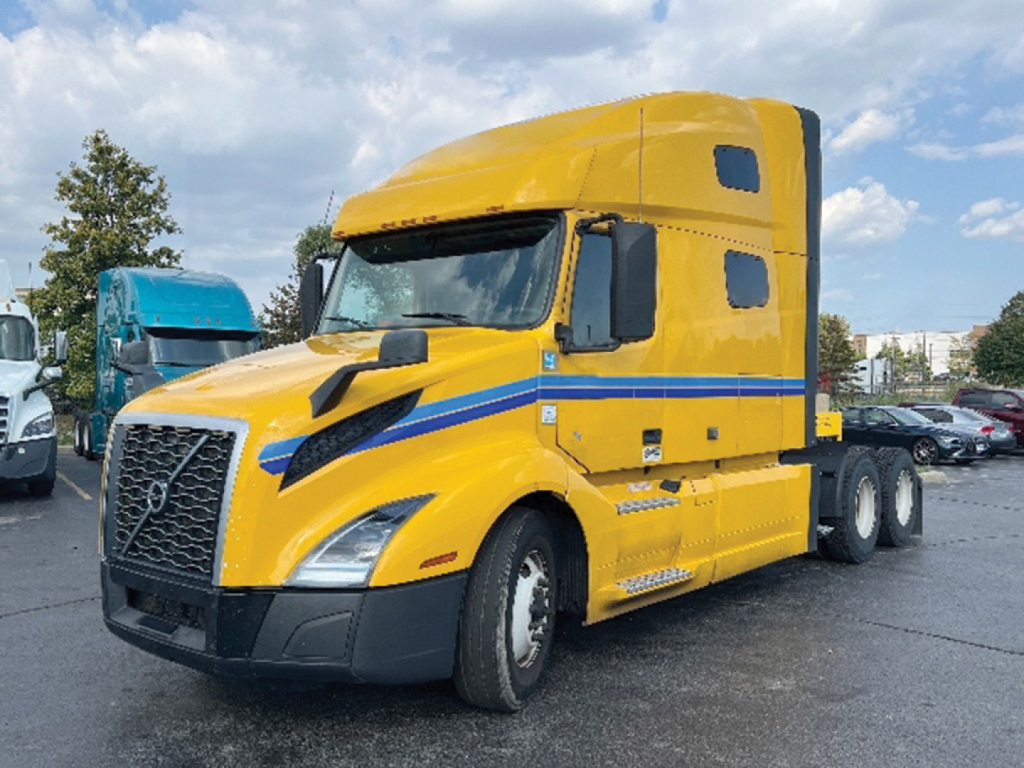
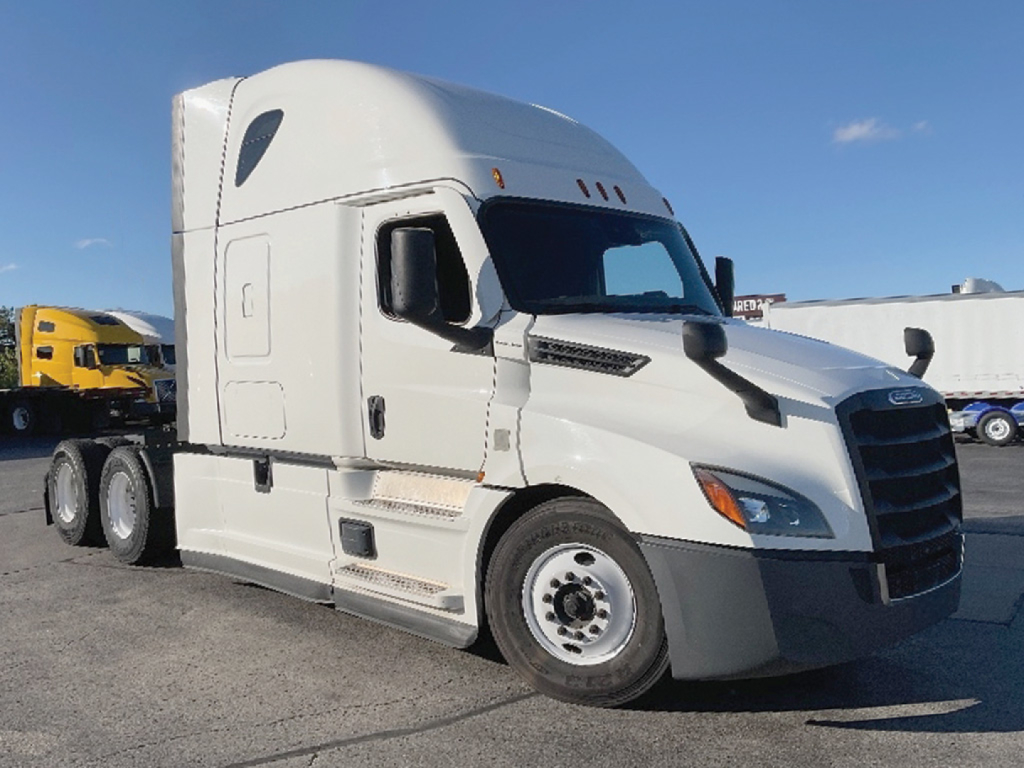
Heavy duty trucks in Peoria, Illinois. Compare tractors and straight trucks by frame and floor strength, thermal integrity, tare weight, and corrosion
Learn more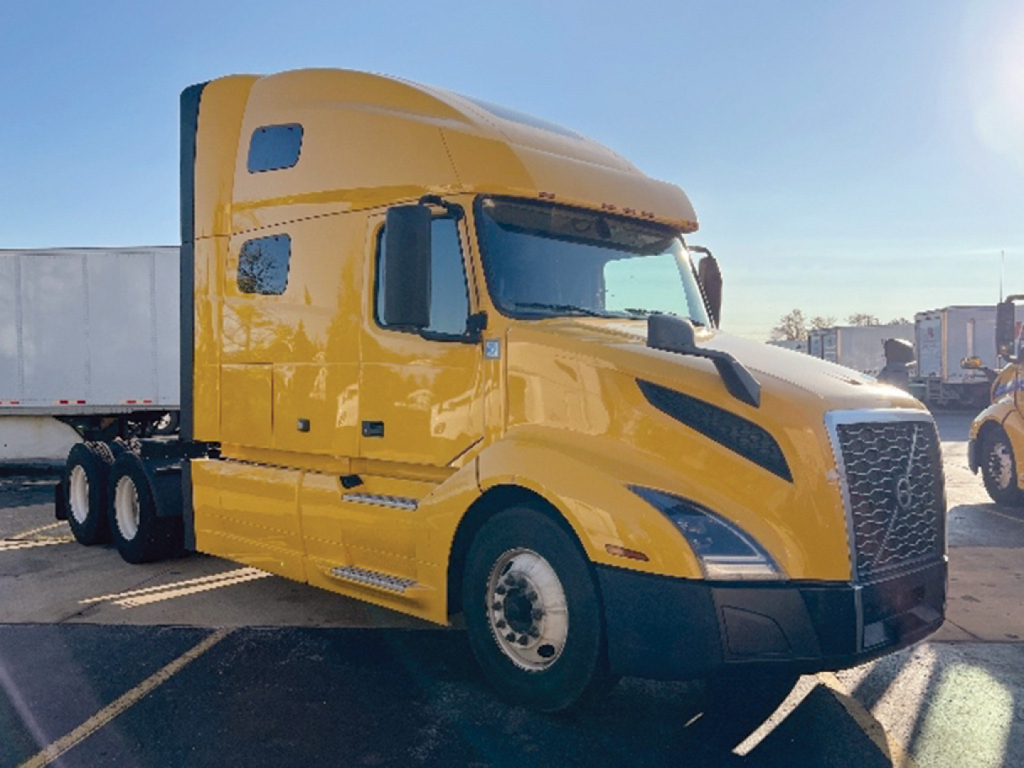

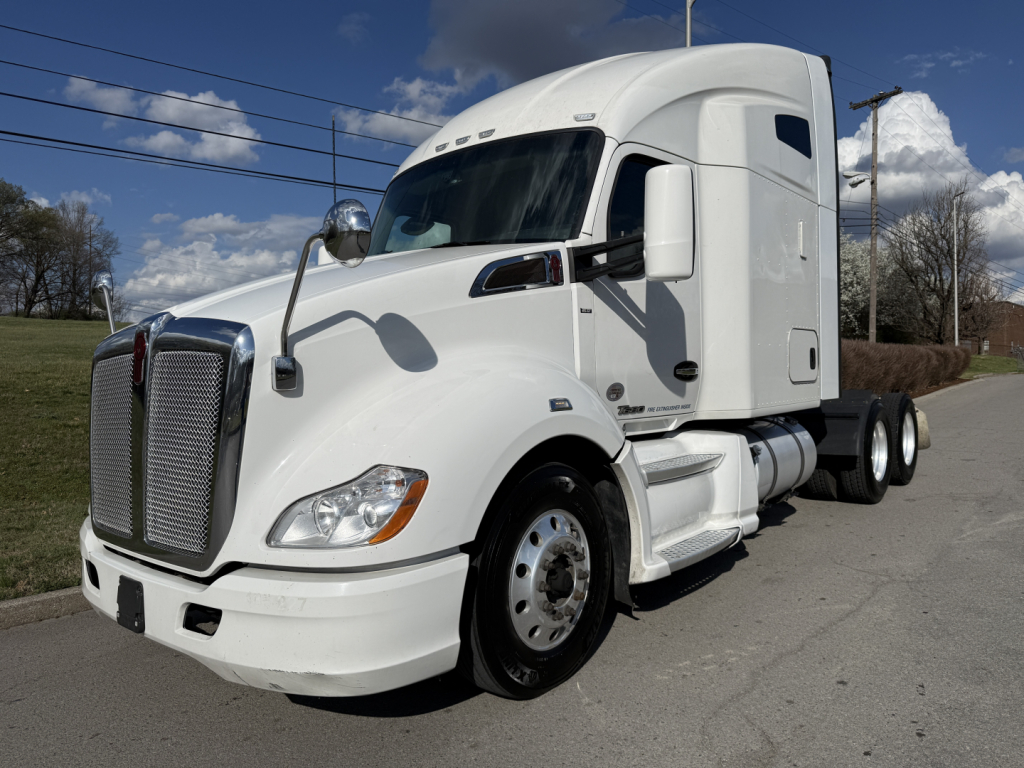
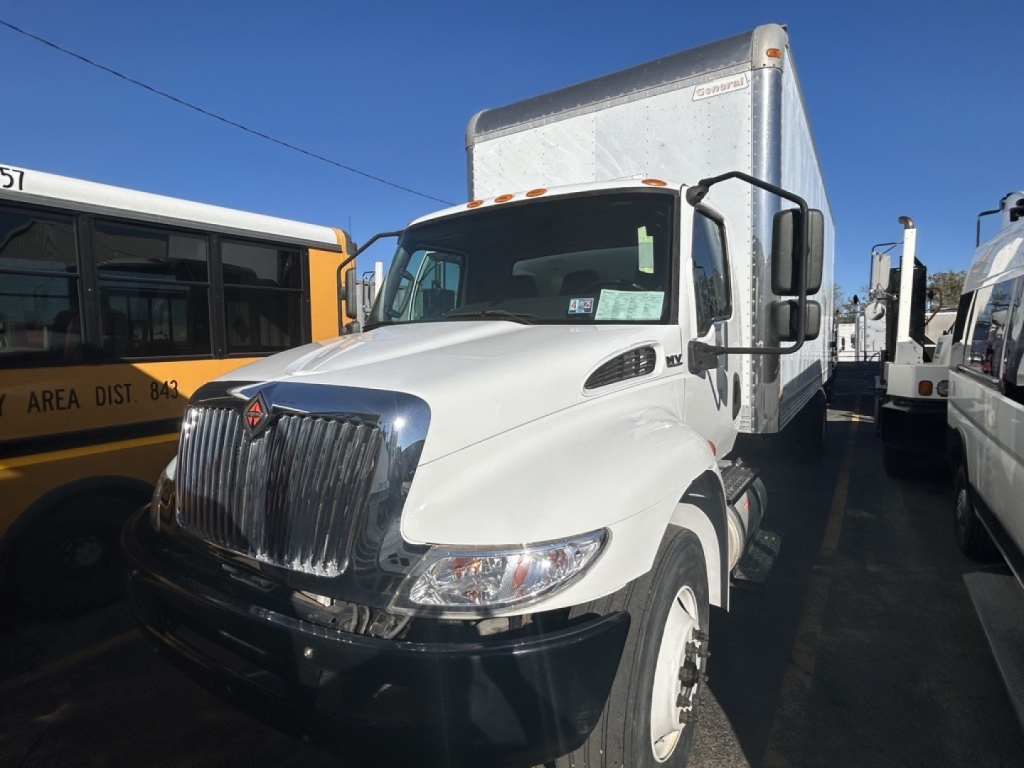
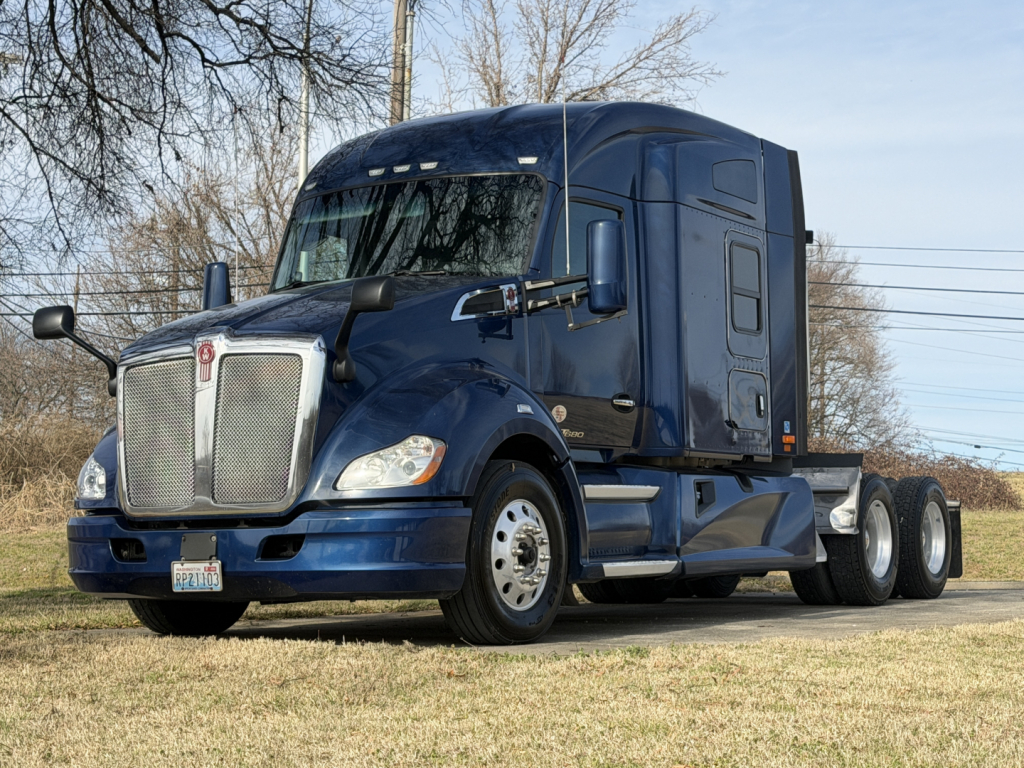
Showing 109 to 119 of 119 results
Have truck to sell? List it here to reach thousands of buyers.
About Trucks Near Peoria, Illinois
Corrosion resistance is a priority in central Illinois where chloride brine shortens service life. Look for e coated or epoxy primed frame rails, galvanized or stainless hardware, sealed wiring with quality connectors, and powder coated crossmembers. Aluminum wheels and tanks cut tare and resist rust, but confirm isolators and fasteners prevent galvanic corrosion. Inspect battery boxes, DEF components, aftertreatment brackets, spring hangers, and cab mounts for scaling or perforation. A clean harness layout with sealed junctions and proper drip loops keeps moisture out and reduces electrical faults.
Tare weight drives payload and fuel efficiency. Spec choices like a 6x2 axle set, aluminum wheels, composite fifth wheel plates, smaller dual fuel tanks, and lighter bumper and deck plate packages can remove hundreds of pounds; verify traction needs and jobsite conditions before deleting a drive axle or switching to wide base singles. Pair engine torque with the right gearbox and rear ratio, for example an AMT and 2.28 to 2.64 rears for I 74 linehaul, or 3.42 to 4.10 for stop and go or vocational service. Air disc brakes, TPMS, and balanced tire choices protect stopping distance and casing life, and idle reduction with APUs or bunk heaters reduces fuel burn and DPF loading during Peoria winters.
Floor strength and thermal integrity matter for straight trucks and vocational bodies. For dry or reefer vans, review crossmember spacing at 12 inch centers or tighter, hardwood plank or extruded aluminum duct floors, and forklift ratings of 8,000 pounds or higher if you load with lift trucks. Add scuff liners, logistics posts, and stainless rear frames to limit impact damage and corrosion. For refrigerated bodies, closed cell foam with high R value, intact vapor barriers, and tight door seals protect product through summer heat and winter cold; inspect corner caps, threshold plates, and hinges for air leaks. For dumps and mixers, AR400 or AR450 floors and sills handle abrasion, while liners reduce stick, preserve the base metal, and simplify cleanout.
Frequently Asked Questions
What GVWR and axle setup works best for hauling in Illinois?
Most interstate freight in Illinois runs at 80,000 pounds, typically with a 12,000 pound steer axle and a 40,000 pound tandem. Vocational work may require higher capacity steer axles, full locking differentials, or lift axles to scale legally on local routes. Choose a wheelbase that allows you to place weight correctly, then use a sliding fifth wheel or body placement to fine tune axle group loads while meeting the bridge formula and staying within overall length.
How should I evaluate corrosion on a used truck from the Midwest?
Inspect frame flanges, crossmember webs, spring hangers, cab mounts, and aftertreatment brackets for pitting, scaling, or delamination. Tap suspicious areas with a hammer to detect soft metal, check inside frame rails near fuel tank straps, and look for white oxidation where aluminum meets steel without proper isolators. Confirm wiring uses sealed connectors, intact loom, and drip loops, and verify coating integrity on the frame, battery boxes, and DEF tank hardware. Surface rust is manageable, structural rust and swollen rivets are expensive.
How does tare weight impact payload and operating cost?
Every pound of tare removed can be converted to payload up to legal limits, which increases revenue per trip. Lower tare also improves fuel economy, reduces brake and tire wear, and can trim toll costs on some routes. Weight saving choices include aluminum wheels and tanks, composite fifth wheels, optimized wheelbase, and 6x2 configurations. Balance these gains against traction, durability, and resale expectations, and confirm your lanes and shippers accept options like wide base singles.
What should I look for in floor strength on a box or reefer truck?
Check crossmember spacing, 12 inch centers or tighter improve point load capacity. Review floor construction, such as 1.25 inch hardwood plank or heavy extruded aluminum duct floors designed for pallet jack and forklift traffic. Verify the forklift rating, rear threshold plate thickness, and dock seal readiness. Scuff liners and logistics posts reduce impact damage, while stainless steel rear frames and hardware resist corrosion from washdowns and winter road spray.
How do I spec for thermal integrity and climate control in Peoria conditions?
For refrigerated bodies, look for high R value closed cell insulation, sealed joints, quality door gaskets, and properly adjusted hinges and latches. Inspect for moisture intrusion or delamination, and confirm reefer capacity matches your temperature set points and stop density. For sleeper cabs, insulation quality, tight door and window seals, a diesel APU or electric HVAC, and a bunk heater provide year round comfort while minimizing idle time in both summer humidity and winter cold.