
Trucks For Sale Near Pelham, Alabama
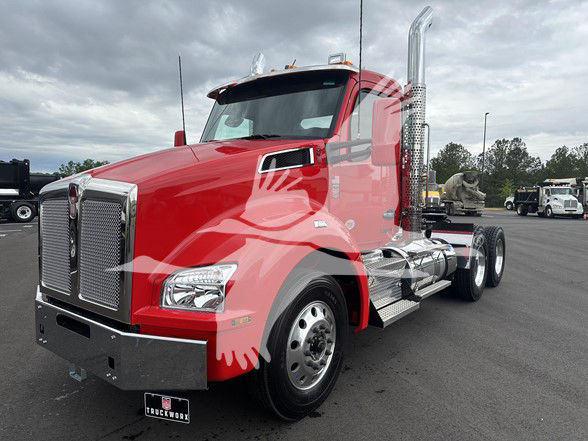
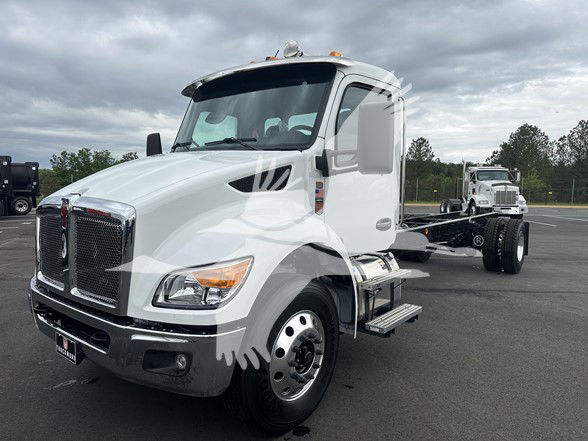
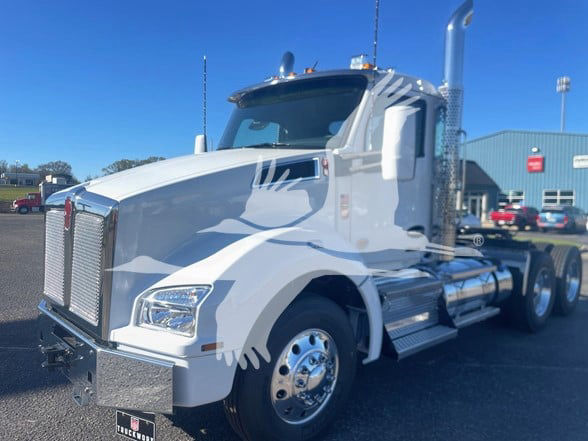
Browse trucks for sale in Pelham, AL including cab and chassis and daycab models with diesel power, single or tandem axles, and vocational specs.
Learn more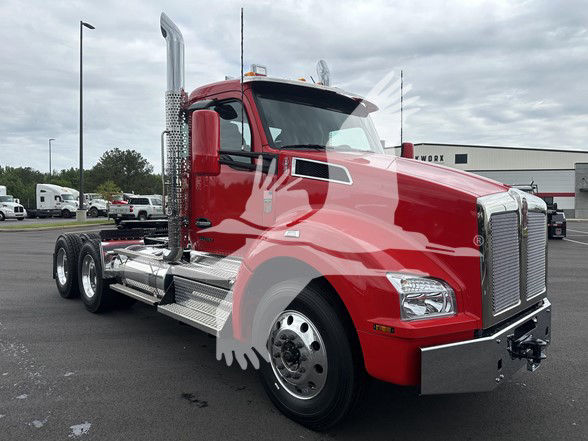
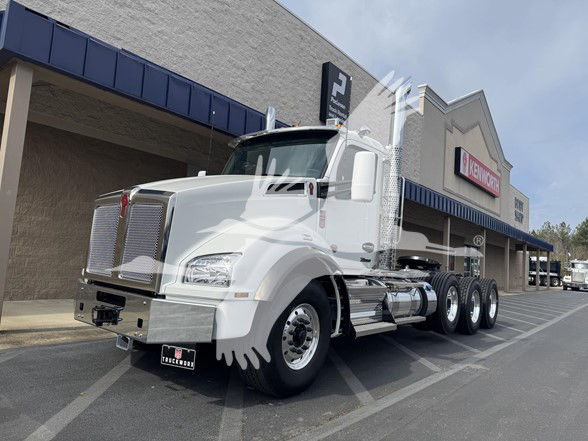
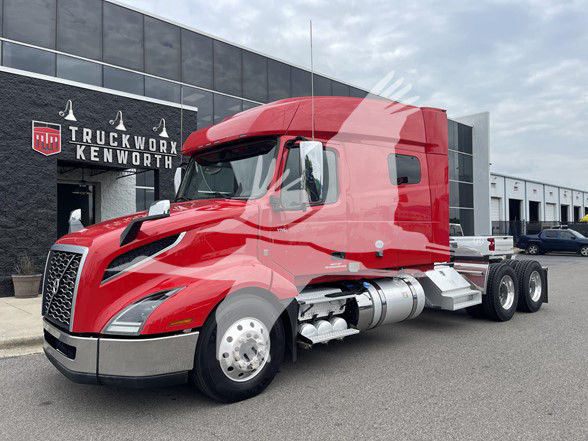
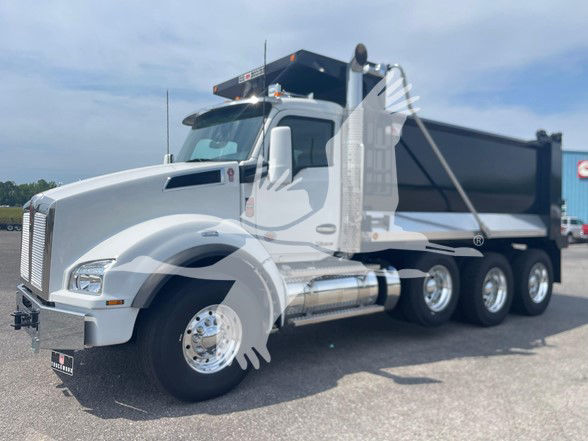
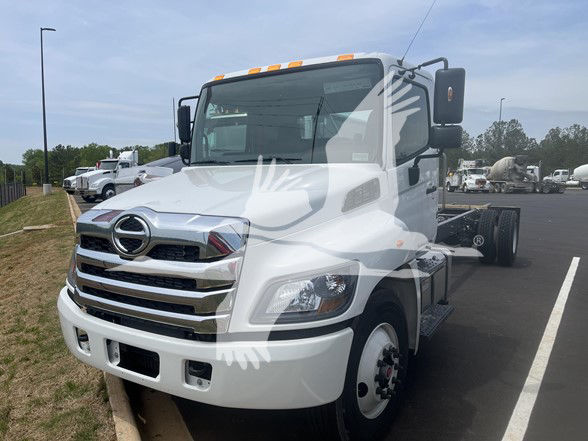
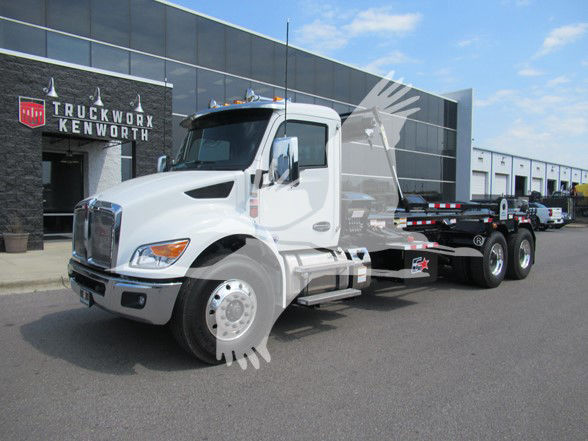
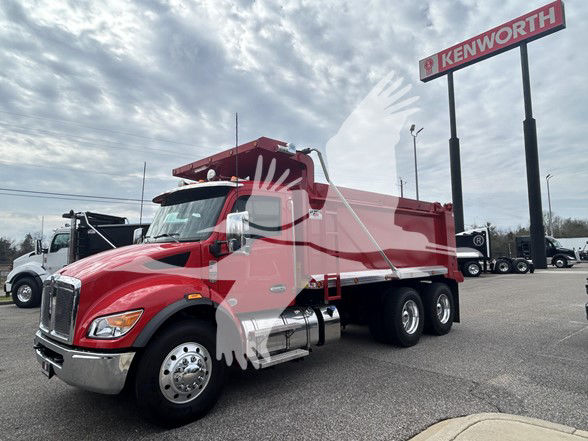
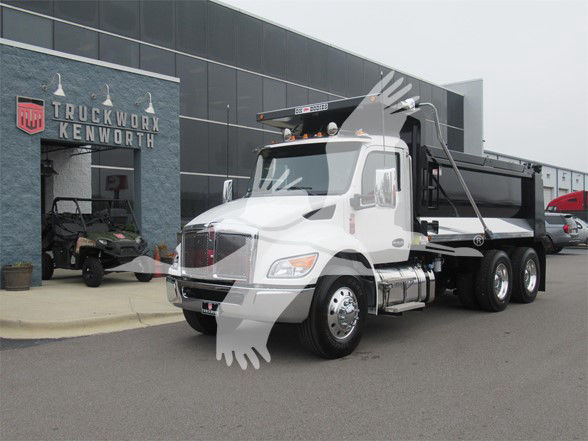
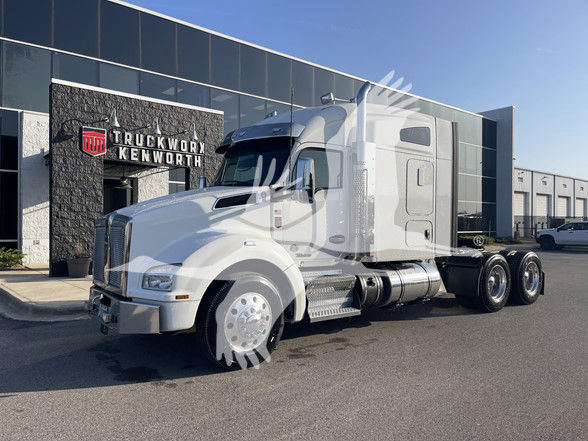
Showing 37 to 48 of 65 results
Have truck to sell? List it here to reach thousands of buyers.
About Trucks Near Pelham, Alabama
Cab and chassis trucks are often the most spec-sensitive units in the market. Wheelbase, back-of-cab to axle, frame strength, suspension type, and transmission selection all affect what body can be installed and how the truck performs once upfitted. Buyers comparing medium-duty and heavy-duty chassis should pay close attention to GVWR, front axle rating, rear axle capacity, and whether the truck is set up for a dump body, crane, hooklift, wrecker, or van body. Automatic transmissions are common in vocational work because they simplify operation and reduce driver fatigue, while air ride and vocational spring suspensions each have advantages depending on payload, terrain, and body type.
Daycab trucks in this category are typically chosen for short-haul, port, construction, municipal, and regional freight work where a sleeper is unnecessary. Key buying points include engine family, horsepower and torque curve, rear axle ratio, tire size, suspension, and wheelbase. A 6x4 tandem daycab with 24.5 rubber and a 3.55 to 4.11 ratio will suit many highway and mixed-duty routes, while more aggressive gearing and heavier vocational suspensions make sense for severe-service applications. Buyers working in central Alabama also tend to weigh cooling performance, transmission calibration, and access to dealer service support, especially for trucks expected to run in stop-and-go traffic, jobsite conditions, or high-idle PTO work.
Across this class, common names include cab and chassis truck, straight truck chassis, vocational truck, and daycab tractor. Aluminum wheels, air ride suspensions, extended or standard cabs, and left-hand drive diesel powertrains are all typical specs, but fit-for-purpose matters more than appearance. A truck that looks similar on paper can behave very differently once loaded, bodied, and put on a route. Buyers should confirm frame rail dimensions, PTO compatibility, fuel tank placement, exhaust routing, and body-builder clearance before making a final decision, especially when comparing trucks intended for custom upfits or severe-duty service.
Frequently Asked Questions
What is the difference between a cab and chassis truck and a daycab truck?
A cab and chassis truck is sold with the cab, frame, axles, and drivetrain so a body can be installed for a specific job such as a dump bed, rollback, box, utility body, or tanker. A daycab truck is typically a road tractor without a sleeper, designed to pull semi-trailers for local or regional work. The main difference is end use. Cab and chassis models are body-ready vocational platforms, while daycabs are generally tractor configurations for freight or vocational trailer pulling.
How important is wheelbase when buying a truck?
Wheelbase is one of the first specs to verify because it affects body fitment, bridge compliance, turning radius, axle loading, and ride quality. On a cab and chassis truck, wheelbase must match the intended body length and back-of-cab requirements. On a daycab tractor, wheelbase influences maneuverability in tight yards and jobsites as well as weight distribution with the trailer. A truck with the wrong wheelbase can create expensive upfit problems or compromise how the truck handles under load.
Should I choose a single-axle or tandem-axle truck?
That depends on payload, legal weight, and application. Single-axle trucks generally cost less to operate, are lighter, and work well for many medium-duty routes, delivery bodies, and lighter vocational jobs. Tandem-axle trucks are better suited for heavier payloads, severe-duty work, and applications that need higher rear axle capacity or better traction. Buyers should match axle count to GVWR, body weight, loaded operating conditions, and local bridge and road restrictions.
Are automatic transmissions a good choice for vocational trucks?
Automatic transmissions are widely used in vocational and local-service trucks because they reduce driver fatigue, improve consistency across multiple operators, and work well in stop-and-go or off-road conditions. They are especially common in dump, refuse, municipal, and utility applications where frequent starts, PTO operation, and tight maneuvering are part of the job. The key is confirming the transmission is rated for the engine torque, duty cycle, and body equipment the truck will carry.
What specs matter most when buying a truck for upfitting?
The most important upfit-related specs are wheelbase, back-of-cab to axle, frame rail dimensions, axle ratings, PTO provision, transmission compatibility, fuel tank placement, exhaust layout, and suspension type. Buyers should also review body-builder guidelines from the manufacturer before purchase. Those details determine whether the truck can accept the intended body without relocation work, reinforcement, or clearance issues that add cost and downtime.