
Packer Trucks For Sale
Browse packer trucks for sale, including rear loader refuse trucks built for municipal trash routes, commercial waste hauling, and sanitation fleets.
Learn moreNo exact matches found for your search
Showing Trucks instead.
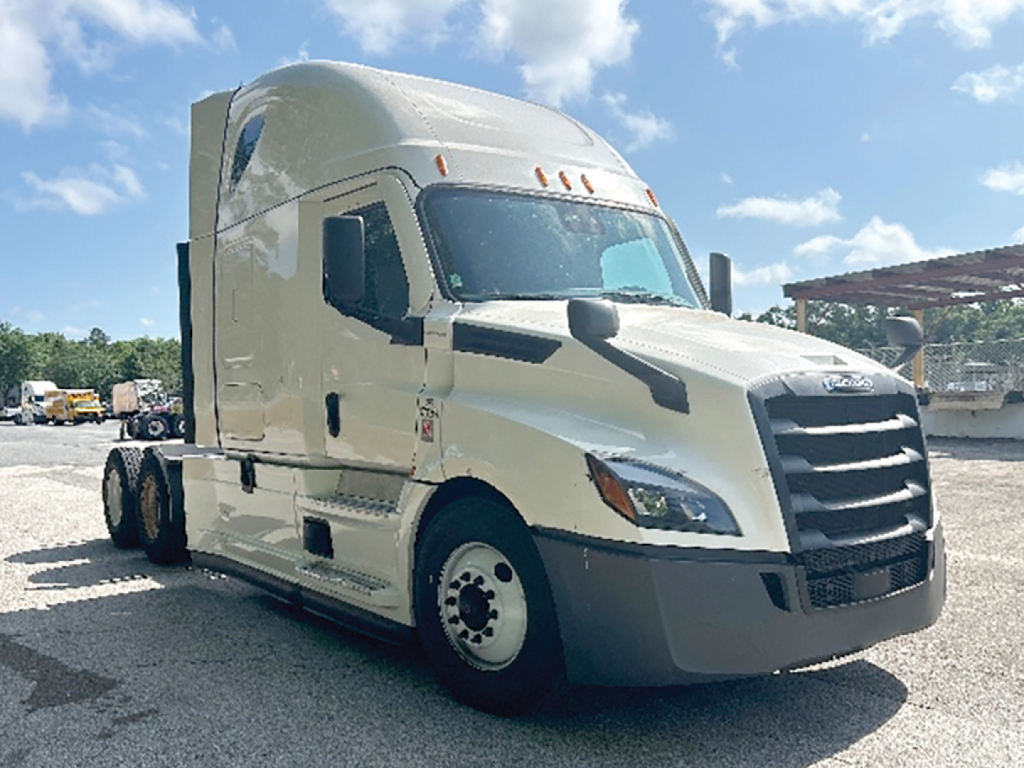
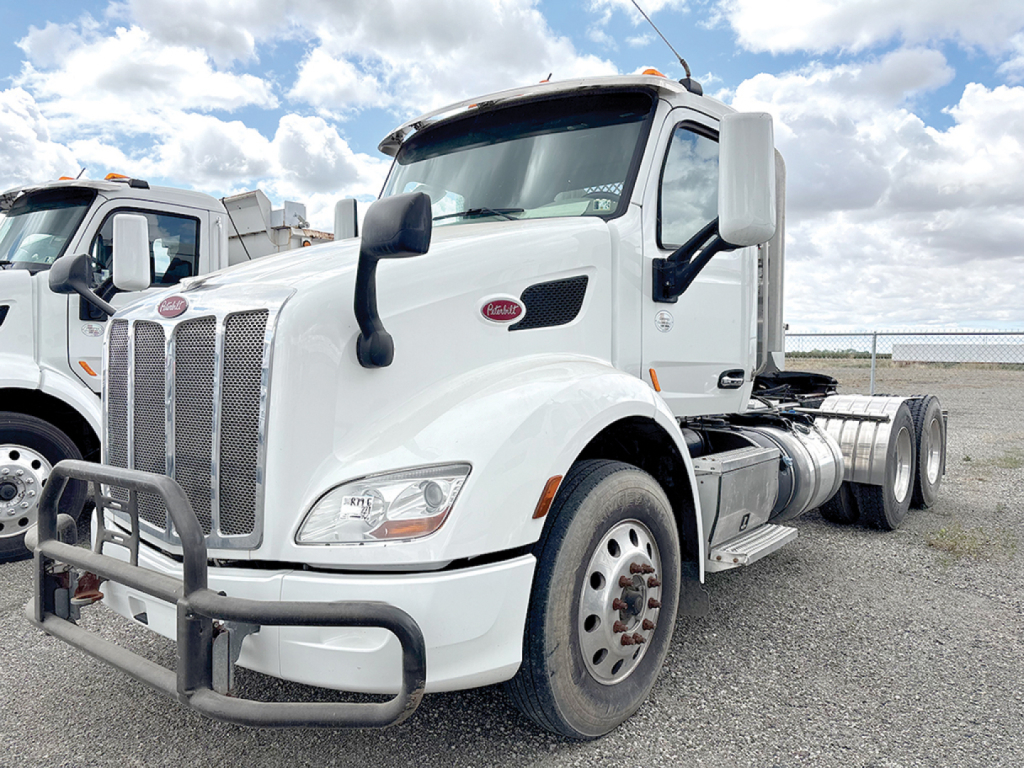
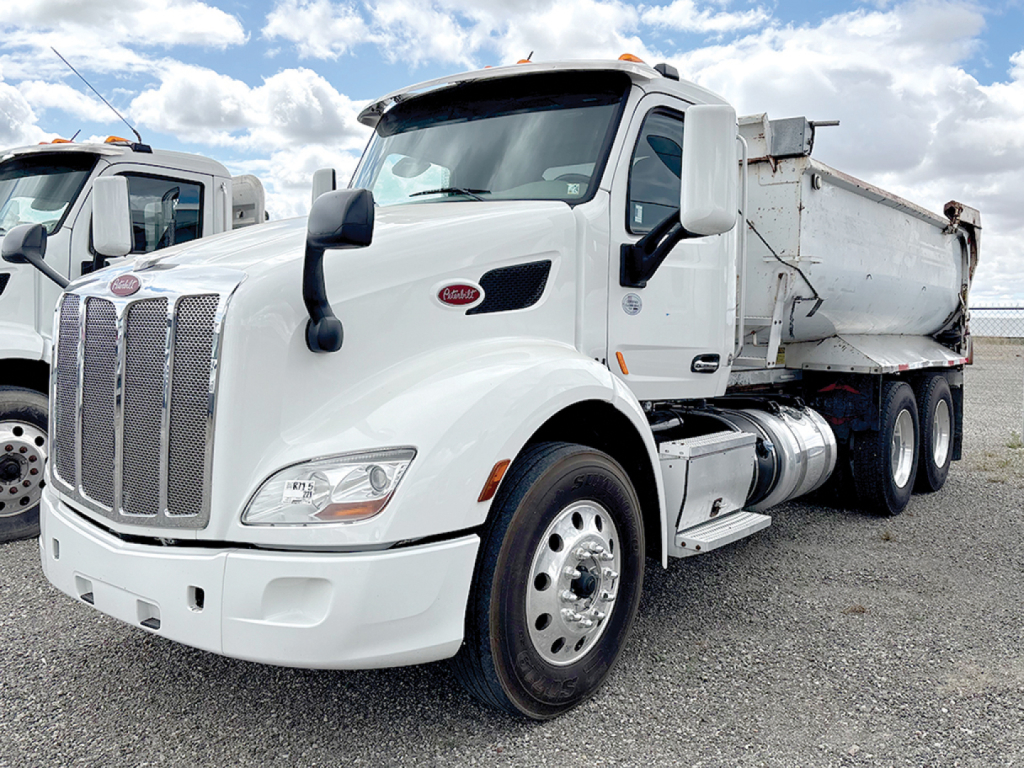

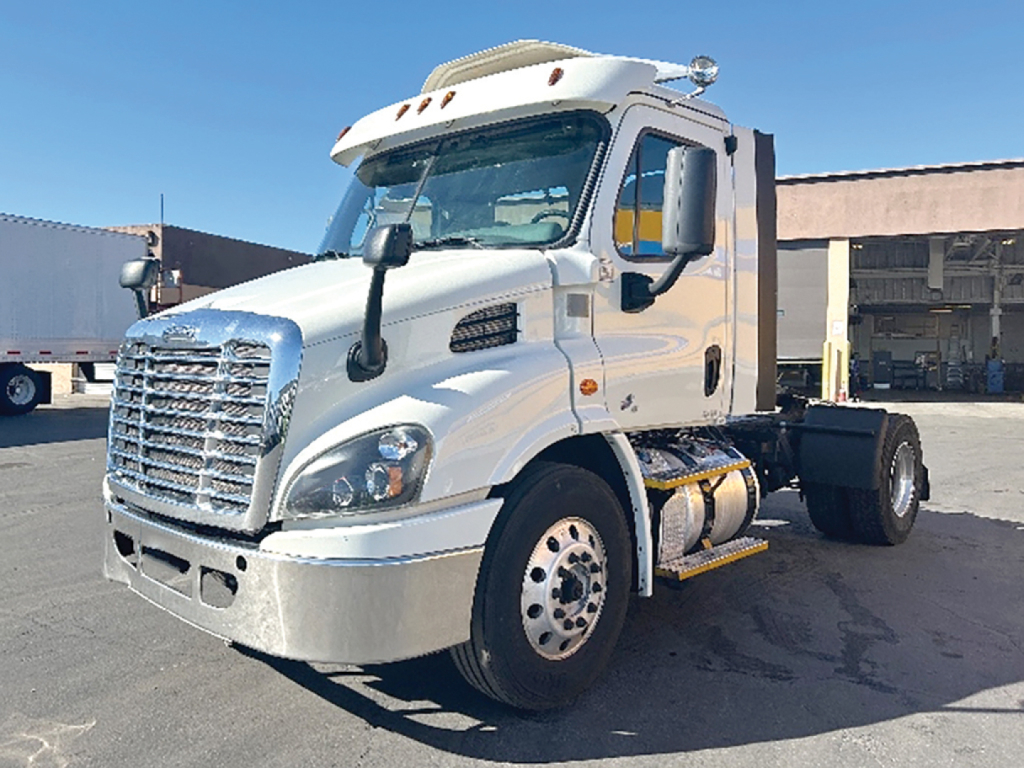
Showing 253 to 264 of 3,196 results
Have packer truck to sell? List it here to reach thousands of buyers.
About Packer Trucks
Body capacity, compaction performance, and hopper design matter more than headline horsepower alone. Many packer trucks are spec'd with bodies in the 20 to 32 yard range, with variations based on local weight limits and route density. Buyers should compare packer body manufacturer, tailgate seal condition, ejector function, hopper floor wear, and cycle times for the blade or ram. Hydraulics are a major inspection point on any used refuse truck. Look closely at PTO engagement, pump noise, hydraulic leaks, cylinder condition, hose age, and whether the packer cycles smoothly under load. A truck with a solid chassis can still become expensive fast if the body structure, packer mechanism, or tailgate components are worn out.
The chassis side deserves the same attention because refuse service is one of the harshest applications in trucking. Engine hours can tell more than odometer miles on a packer truck, especially on local routes with long idle time and constant compaction cycles. Check front axle ratings, suspension type, transmission spec, brake condition, frame integrity, and wheelbase match for the body. Many sanitation fleets prefer automatic transmissions for easier operation on residential routes. Tight turning radius, cab visibility, and axle placement also affect productivity when the truck is working alleys, cul-de-sacs, and congested urban streets. If the truck will cross scales regularly, confirm legal payload expectations with body size, tare weight, and local bridge laws in mind.
A good packer truck should match the waste stream and the collection method, not just the price point. Municipal buyers often focus on reliability, parts support, and compatibility with established fleet maintenance practices. Private waste operators may put more emphasis on payload efficiency, route speed, and body longevity. Common features worth comparing include cart tippers, tag axles, backup camera systems, work lights, dual steering controls on certain route applications, and corrosion protection for fleets operating in coastal or snow-belt regions. For a buyer sorting through multiple used listings, the best value usually comes from the truck with documented hydraulic service, a structurally sound body, and a chassis spec that fits the route without being overbuilt or under-axed.
Frequently Asked Questions
What is a packer truck used for?
A packer truck is used to collect and compact trash, refuse, or recyclables during local pickup routes. The hydraulic packing mechanism compresses material inside the body so the truck can carry more waste per trip to the transfer station or landfill. This makes packer trucks standard equipment for municipal sanitation departments, private waste haulers, apartment complex service, and commercial dumpster collection depending on body style and loading configuration.
What should I inspect first on a used packer truck?
Start with the refuse body and hydraulic system, because those are often the most expensive components to repair. Inspect the hopper, packer blade or ram, floor, sidewalls, tailgate hinges, seals, cylinders, hoses, pump, and PTO operation. After that, review engine hours, transmission performance, brake condition, frame rails, suspension, and axle ratings. On refuse trucks, low mileage does not always mean low wear, so service records and body condition usually tell a more accurate story.
How many cubic yards does a packer truck usually hold?
Many packer trucks are built with body capacities ranging from about 20 to 32 cubic yards, although exact size depends on the manufacturer, chassis, and intended route. Smaller bodies can work well on tighter residential routes or where bridge and weight restrictions are a concern. Larger bodies can reduce dump trips on dense routes, but payload is still limited by axle ratings and local gross weight laws, so body volume should always be matched to legal carrying capacity.
Are rear loader packer trucks better than side loaders?
Rear loader packer trucks are often preferred for manual collection routes because they are straightforward to operate, flexible at the pickup point, and well suited for crews handling bags, cans, or small containers. Side loaders and automated side loaders can improve route speed and reduce labor on cart-based collection systems, but they require the right route layout and container setup. The better choice depends on how waste is collected, how many stops are on the route, labor availability, and the level of automation the fleet wants.
Why do engine hours matter on a refuse truck?
Engine hours matter because packer trucks spend much of their life in stop-and-go service with frequent idling and repeated PTO hydraulic operation. A refuse truck can show moderate mileage but still have very high total engine run time and significant wear from constant route cycling. Hours help buyers judge actual use more accurately, especially when comparing municipal trucks or local sanitation units that rarely accumulate highway miles.