
Trucks For Sale Near Myerstown, Pennsylvania
Browse used trucks for sale in Myerstown, PA, including box trucks, flatbeds, and day cabs with common specs, GVWR ranges, and work-ready options.
Learn more

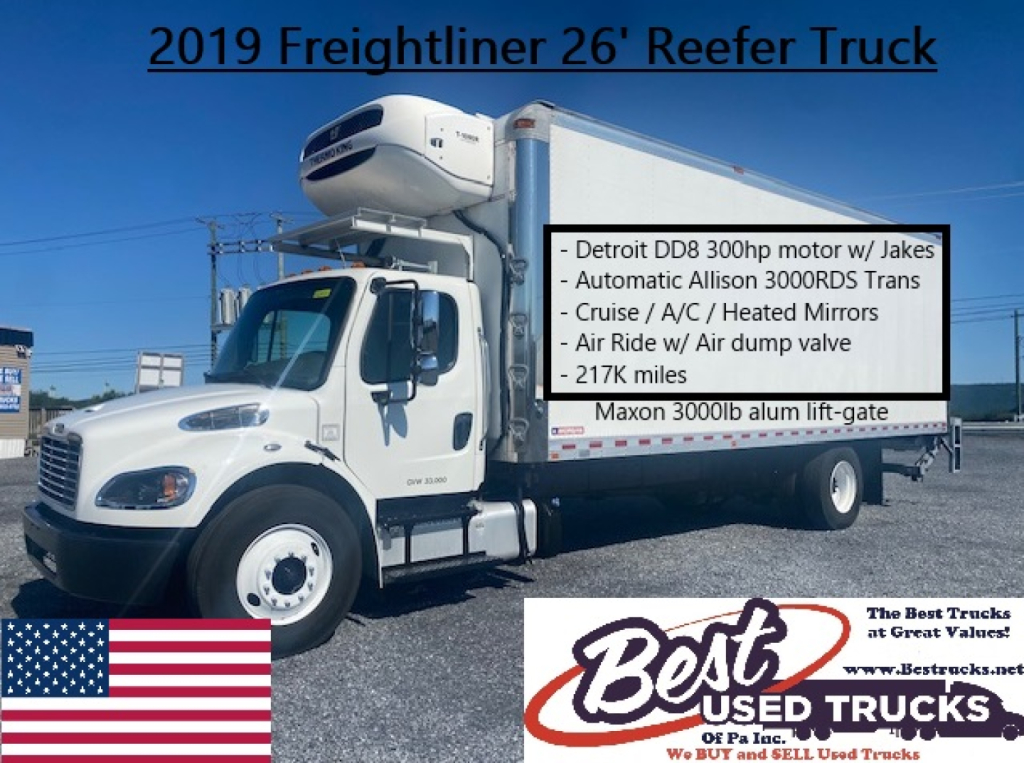
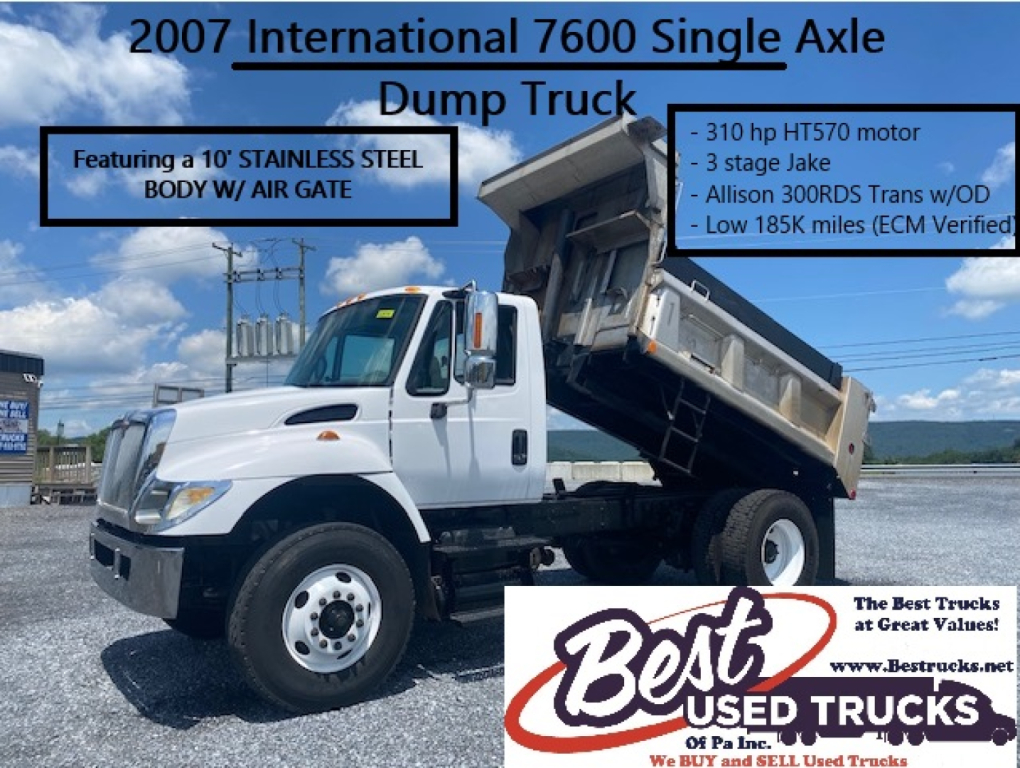
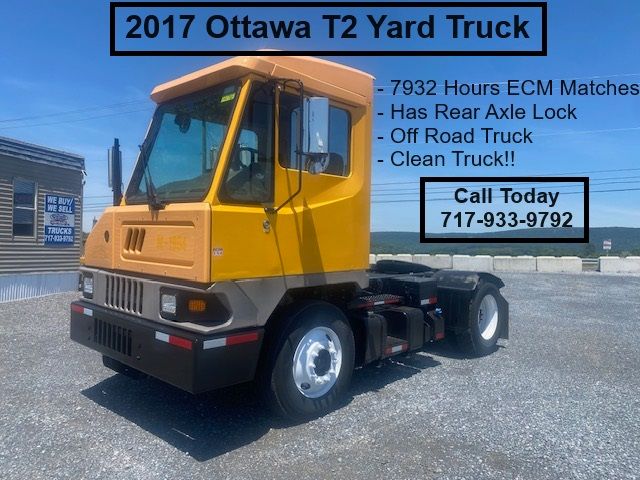
Showing 13 to 24 of 24 results
Have truck to sell? List it here to reach thousands of buyers.
About Trucks Near Myerstown, Pennsylvania
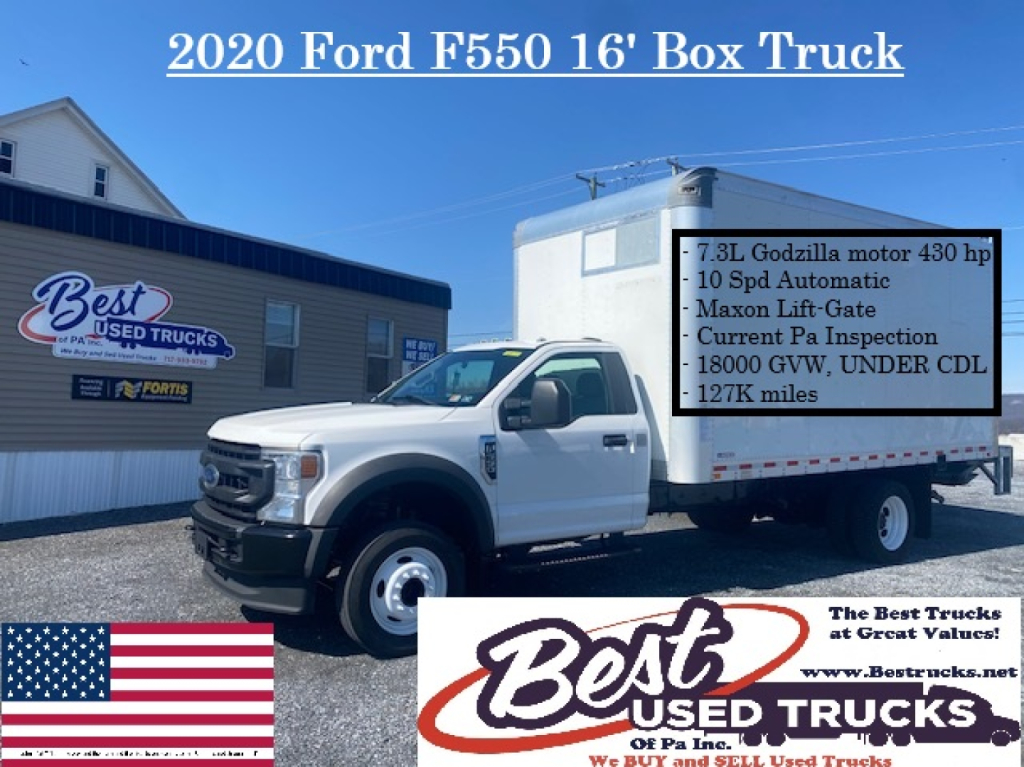
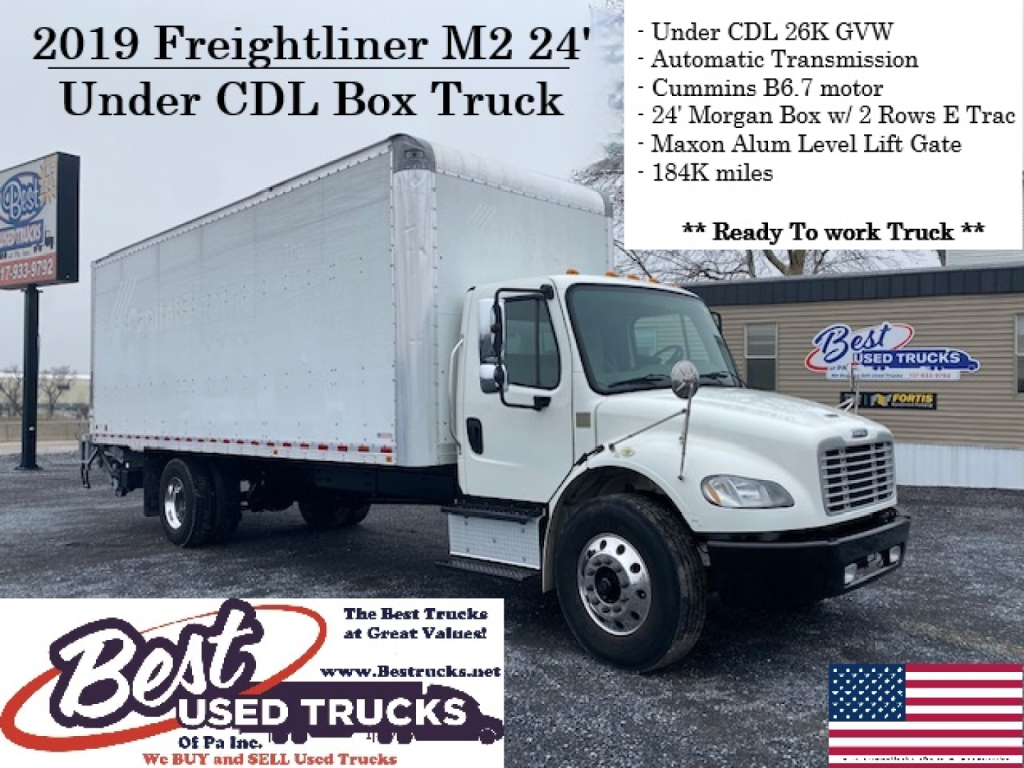
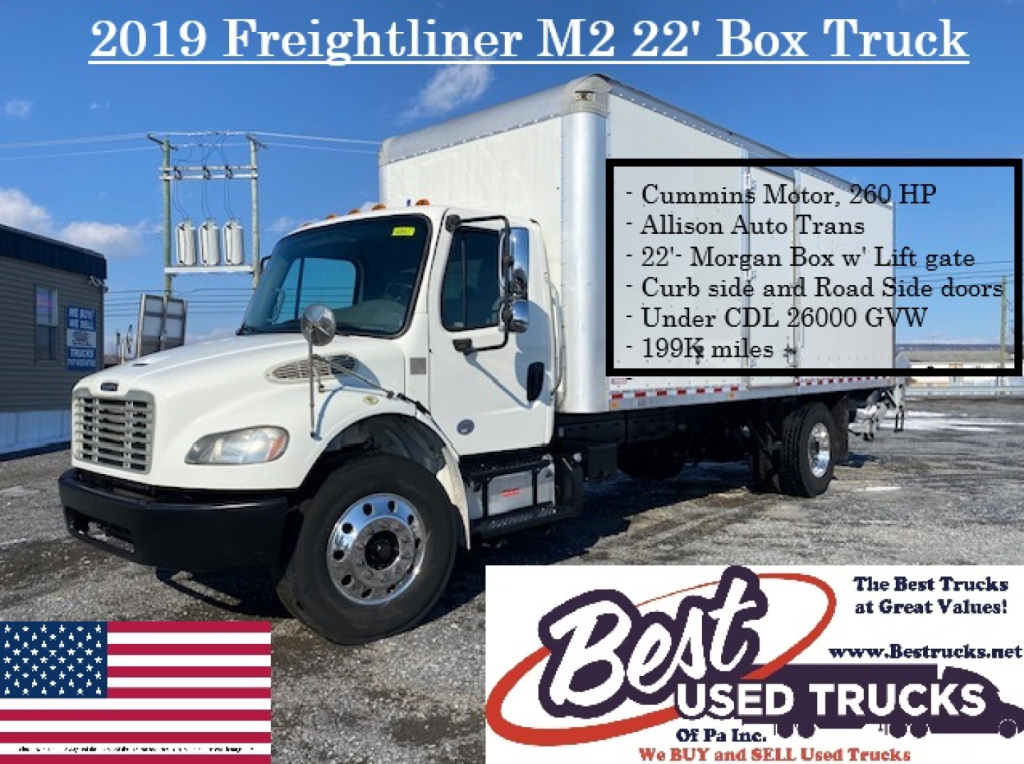
For box trucks, the key decisions are body length, liftgate capacity, suspension type, and whether the chassis stays under the 26,000 lb CDL threshold. A 16-foot to 24-foot van body can suit delivery, moving, retail replenishment, and route work, but the real value is in the cargo-control setup. E-track, wood scuff liners, roll-up rear doors, and a 2,000 lb to 3,000 lb liftgate can make a major difference in daily productivity. Diesel box trucks often bring strong torque and long service life, while gas-powered models can make sense for lower annual miles, simpler emissions systems, and easier cold-weather starts. Buyers should also pay attention to wheelbase, rear axle ratio, and tire size because those specs affect turning radius, payload behavior, and road speed.
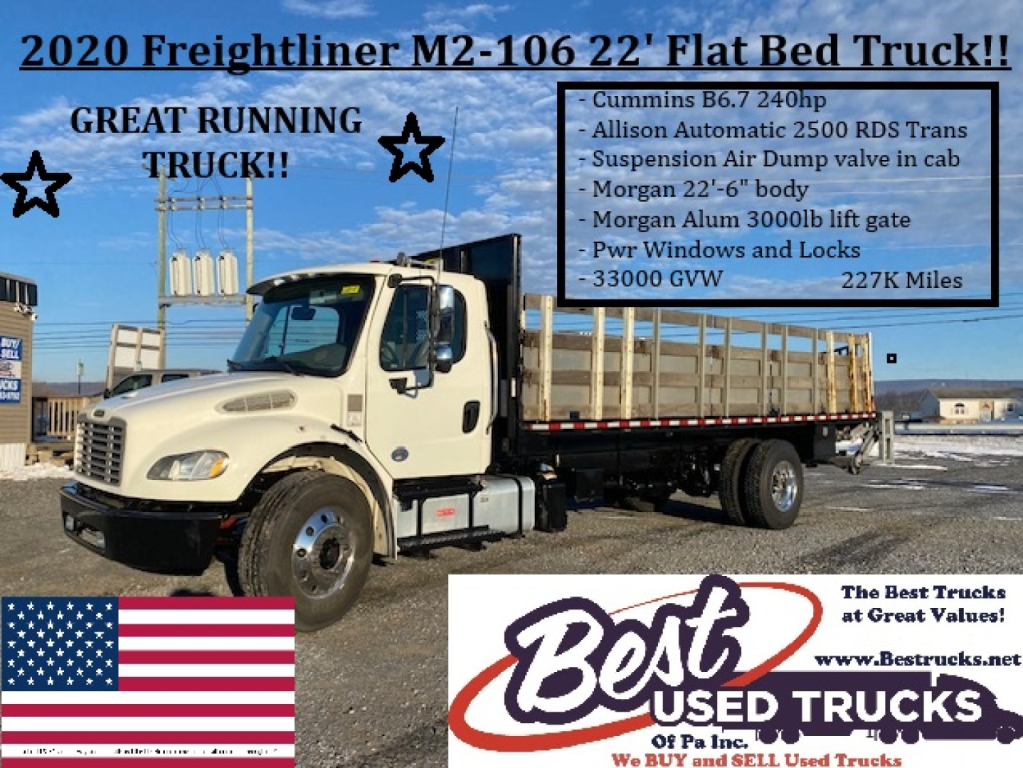
Flatbed trucks, also known as stake-delete or straight flatbeds depending on body style, are usually bought for building supply, equipment delivery, and jobsite freight that cannot be loaded through a box body. Common specs include 24-foot to 26-foot deck lengths, wood or steel flooring, rub rails, stake pockets, winches, and optional liftgates. On a medium-duty chassis, a 33,000 lb GVWR setup with air ride suspension, automatic transmission, and a 12,000 lb front with 21,000 lb rear axle is a practical configuration for local hauling. Buyers should inspect deck condition, frame integrity, tie-down points, and any signs of concentrated loading damage. If the truck will carry pallets one day and machinery the next, deck width, floor material, and rear overhang become more important than raw horsepower alone.
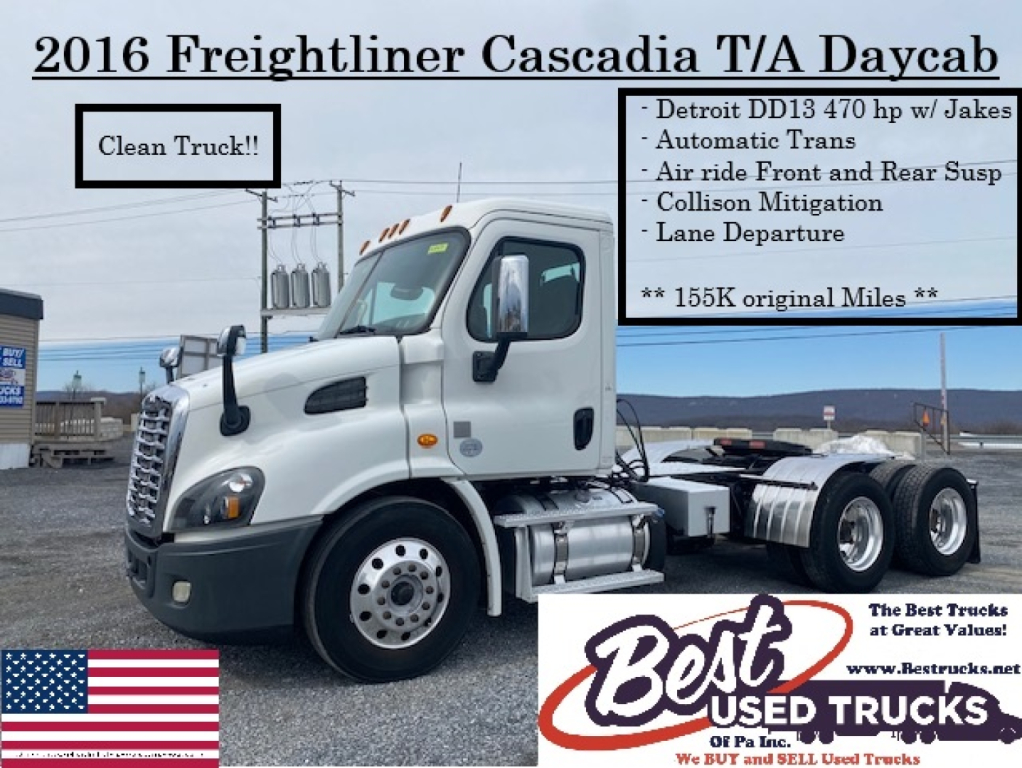
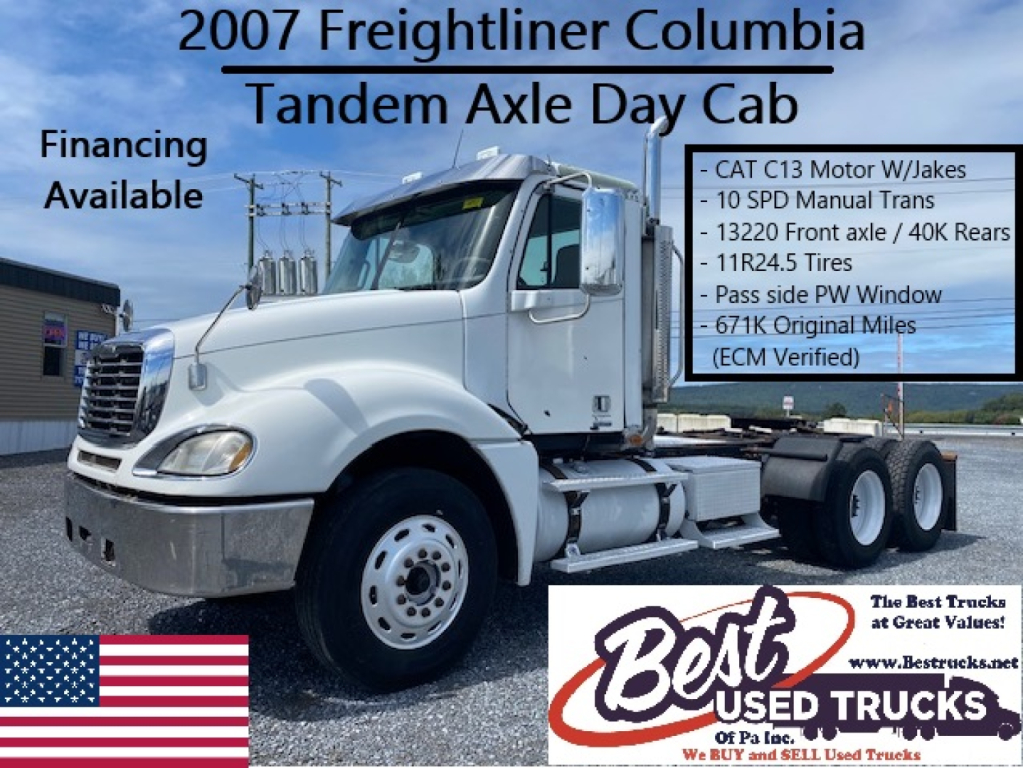
Day cab trucks are the right fit when the work centers on trailer spotting, short-haul freight, regional routes, or dedicated local lanes. Conventional day cabs in this category often carry 40,000 lb rear axles, air ride suspension, sliding fifth wheels, differential lock, and engines in the 430 to 470 horsepower range paired with manual, automated manual, or full automatic transmissions. Buyers should match rear axle ratio and wheelbase to the trailer and terrain. A taller ratio can favor fuel economy at highway speed, while a deeper ratio can help in heavier start-stop work. Safety and drivability features like engine brakes, collision mitigation, lane departure warning, suspension dump valves, and heated mirrors are worth noting because they affect operator comfort and uptime in real service. In Pennsylvania, where mixed terrain, seasonal weather, and local compliance all matter, a truck with current inspection history, clean frame rails, and documented maintenance usually deserves more attention than one chosen on mileage alone.
Frequently Asked Questions
What type of truck is best for local delivery work in Myerstown, PA?
For local delivery, an under-CDL box truck is often the most practical choice because it balances payload, maneuverability, and driver accessibility. Common setups include 16-foot to 24-foot bodies, roll-up rear doors, E-track, scuff liners, and liftgates rated around 2,000 to 3,000 pounds. Buyers should focus on GVWR, body length, wheelbase, and liftgate condition because those features directly affect route efficiency in tight streets, warehouse docks, and retail stops.
What should I look for when buying a used day cab truck?
The priority items on a used day cab are engine history, transmission operation, rear axle ratio, suspension condition, fifth wheel wear, and frame integrity. A day cab used for local or regional tractor work should also be checked for differential lock function, air system performance, brake condition, and signs of uneven tire wear. Wheelbase and axle setup matter because they influence trailer compatibility, turning radius, and weight distribution.
Is a diesel or gas truck better in this category?
Diesel is usually preferred for heavier loads, higher annual miles, and applications that need strong low-end torque, especially in medium-duty flatbeds and larger box trucks. Gas engines can be a good fit in lighter-duty box truck service where routes are shorter, downtime needs to be simple, and buyers want to avoid the added complexity of diesel emissions components. The better choice depends on payload, route length, idle time, and maintenance strategy rather than fuel type alone.
Why does GVWR matter so much when comparing trucks for sale?
GVWR determines the legal and practical working class of the truck, including payload capability, CDL implications, and how the chassis is built. A truck rated at 26,000 pounds GVWR or less is often attractive for businesses trying to keep operation under CDL requirements, while 33,000-pound and heavier trucks usually bring stronger axles, frames, suspensions, and body options for more demanding work. Buyers should compare GVWR alongside axle ratings because the usable truck is defined by the full chassis specification, not just the body style.
What features add the most value on a used flatbed or box truck?
The highest-value features are usually the ones that improve loading speed, cargo control, and operator uptime. On box trucks, that often means a quality liftgate, E-track, scuff liners, and a sound roll-up door. On flatbeds, it typically means a solid floor, usable tie-down points, body winches, clean frame rails, and a straight deck. Across both types, automatic transmissions, air ride suspension, engine brakes, and documented maintenance history tend to make the truck more versatile and easier to keep productive.