
Moving Van Trucks For Sale in New Jersey
Browse moving van trucks for sale in New Jersey, including 24- to 26-foot box trucks built for household goods, local delivery, and fleet use.
Learn moreBrowse Moving Van Trucks by Make
Have moving van truck to sell? List it here to reach thousands of buyers.
About Moving Van Trucks in New Jersey
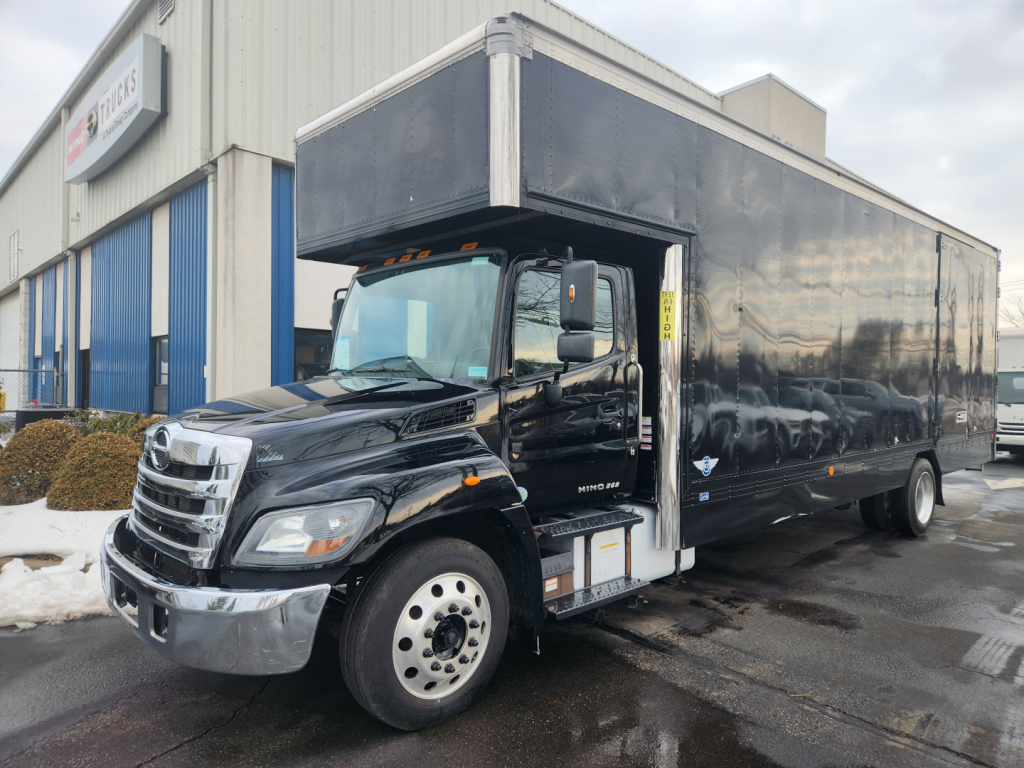
Body configuration matters as much as the chassis. Many moving vans use a high cube body with a storage attic or peak over the cab for cartons, pads, and lighter items. Interior features like wood slats, E-track, scuff liners, and translucent roofs can make a real difference in day-to-day productivity and cargo protection. Buyers comparing listings should check body length, inside height, door opening dimensions, and whether the truck has a tuckaway liftgate, loading ramp, or simple dock-height rear entry. For household goods work, clean interior walls and a straight, dry floor are just as important as the drivetrain.
On the chassis side, medium-duty platforms such as Hino, Isuzu, Freightliner, and International are common in this category. Diesel engines paired with automatic transmissions are typical, especially for stop-and-go operation and multi-driver fleets. Suspension choice also affects ride quality and cargo care. Air ride rear suspension can reduce shock to furniture and boxed goods, while spring suspension may lower acquisition cost and simplify maintenance. GVWR, wheelbase, fuel capacity, turning radius, and cab access all deserve attention if the truck will spend most of its time in dense Northeast traffic or on regional relocation runs.
A good moving van truck should match the work, not just the body size. Local household movers may prioritize maneuverability, side doors, and crew-friendly cab layouts, while regional operators may care more about fuel range, ride quality, and body volume. In this category, condition of the box, rear frame, roof, door hardware, and floor usually tells you more about long-term value than paint alone. Also known as a moving truck or household goods truck, this equipment class is built to keep loads enclosed, organized, and protected through frequent loading cycles.
Frequently Asked Questions
What is the difference between a moving van truck and a standard box truck?
A moving van truck is a type of box truck, but it is usually configured specifically for household goods and relocation work. Common differences include a higher cube body, interior wood slats or logistics track for securing furniture, smoother interior wall construction, and an attic or storage peak over the cab. Many also have side access doors and cargo-friendly interiors designed to reduce damage during repeated loading and unloading.
What size moving van truck is most common?
The most common moving van truck size is 24 to 26 feet, especially for residential and small commercial moves. That range offers a strong balance of cargo volume, legal weight capacity, and maneuverability. Buyers should still confirm inside height, wheelbase, and GVWR, because two trucks with the same advertised body length can perform very differently in city traffic, tight driveways, and dock access situations.
Should I choose barn doors or a roll-up rear door on a moving van?
Barn doors are popular on moving vans because they provide a full rear opening and avoid overhead door tracks inside the body, which can be useful when loading tall furniture or stacked cartons. Roll-up doors are convenient at docks and in tighter spaces behind the truck, but they can reduce usable opening height and add maintenance points. The better choice depends on the mix of household moves, commercial work, and dock use.
Is air ride suspension worth it on a moving van truck?
Air ride suspension can be worth the added cost if the truck regularly carries furniture, fragile items, electronics, or higher-value household goods. It generally provides a smoother ride and can reduce cargo shift and shock compared with a standard spring setup. For lighter-duty or budget-focused operations, spring suspension may still be practical, but buyers handling damage-sensitive freight often prefer air ride.
What should I inspect first on a used moving van truck?
Start with the box itself. Inspect the floor for soft spots, water damage, and excessive wear at the threshold. Check the roof, front wall, door seals, hinges, and rear frame for leaks, impact damage, or corrosion. Then review liftgate operation if equipped, followed by the chassis, transmission, suspension, brake condition, and tire wear. On a moving van, body condition and dry cargo space are central to the truck’s earning value.