
Mack Mixer Trucks For Sale
Browse Mack mixer trucks built for concrete hauling with durable chassis, vocational specs, axle options, and ready-mix jobsite performance.
Learn more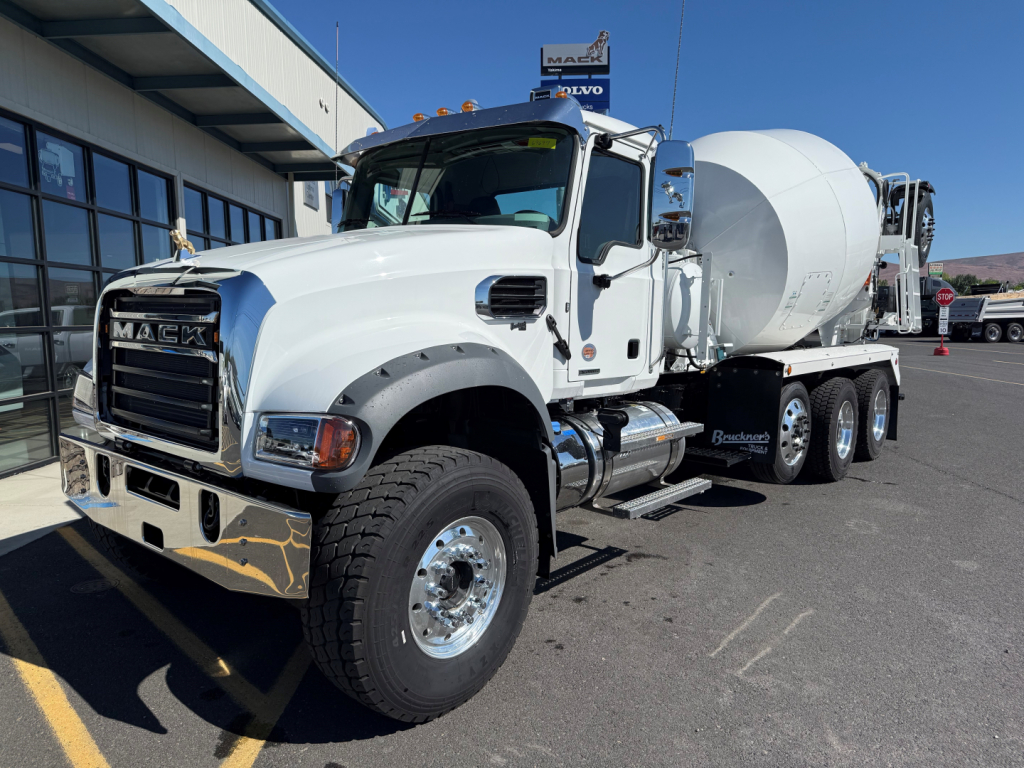

Showing 1 to 12 of 25 results
Have mack mixer truck to sell? List it here to reach thousands of buyers.
About Mack Mixer Trucks
The first decision is usually axle configuration and bridge law compliance. A 6x4 Mack mixer truck is a common fit for standard batch-to-job runs, while a heavier spec tri-axle or 8x4 configuration can make sense where higher legal payloads and stricter state weight rules drive the return on investment. Buyers should look closely at wheelbase, axle spread, pusher or tag axle setup, front axle rating, and suspension spec, because those details directly affect drum size, legal carrying capacity, and how well the truck works in congested urban pours or rough site access. Mack vocational chassis are known for stout frames, good steering geometry, and heavy front-end ratings that support the added weight transfer seen with mixer bodies.
Powertrain selection matters in mixer service because these trucks spend a lot of time in stop-and-go traffic, PTO operation, and low-speed maneuvering. Mack engines and Mack transmissions are widely favored in vocational applications for integrated performance and predictable service support. A buyer should pay attention to horsepower, torque, transmission type, rear axle ratio, and PTO compatibility with the mixer package. Drum capacity commonly falls in the 10.5-yard to 11-yard range on many heavy-duty specs, but legal payload depends on local regulations, body weight, and axle layout more than rated drum volume alone. Other details worth checking include frame reinforcement, lift axle controls, set-back front axle versus set-forward layout, cab configuration, visibility, and the mixer body brand and hydraulic system.
A good Mack mixer truck fit depends on route density, plant distance, driver turnover, and the type of pours being served. Short-haul urban fleets may prioritize turning radius, automatic transmissions, and easier cab access, while rural or infrastructure work may call for more axle, more suspension capacity, and stronger off-pavement durability. Buyers comparing listings should evaluate the complete truck, not just the chassis badge: engine family, transmission, axle ratings, suspension, drum manufacturer, water system, chute arrangement, and overall bridge length all affect how productive the truck will be in daily concrete service.
Frequently Asked Questions
What makes Mack mixer trucks popular for concrete hauling?
Mack mixer trucks are popular because the brand has a long track record in severe-duty vocational service, especially on construction and ready-mix applications. Buyers often choose Mack for durable chassis design, strong front axle capacity, vocational suspension options, and integrated powertrain availability. That combination helps when a truck is repeatedly carrying high gross weight, operating a PTO-driven mixer body, and entering uneven jobsites where frame strength and low-speed drivability matter.
What is the difference between a Mack GR64 and GR84 mixer truck?
In general terms, a Mack GR64 is a tandem rear axle Granite configuration, while a GR84 is typically a heavier multi-axle vocational setup intended for greater legal payload potential or stricter bridge formula requirements. The exact spec can vary by truck, but the main differences usually involve axle count, axle ratings, frame configuration, and how the truck is set up to carry a larger legal concrete load. Buyers should confirm wheelbase, bridge spacing, pusher or tag axle details, and local weight law compatibility before comparing capacity.
How many yards does a Mack mixer truck usually carry?
Many Mack mixer trucks are built around nominal drum capacities in the 10-yard to 11-yard class, but rated drum size is not the same as legal payload. The amount of concrete a truck can lawfully haul depends on axle configuration, tare weight, state bridge laws, and body specification. A heavier truck with more equipment may have the same drum rating as another unit but carry less saleable concrete on the road.
Should I choose a tandem axle or tri-axle Mack mixer truck?
A tandem axle mixer truck is often a practical choice for standard routes, easier maneuvering, and lower acquisition and maintenance complexity. A tri-axle or heavier multi-axle configuration can be the better choice where local laws allow more legal payload and where the extra axle improves revenue per load. The right answer depends on state weight limits, route length, plant-to-job distance, and whether the added payload offsets the extra cost, tire wear, and maintenance.
What should I inspect on a used Mack mixer truck?
Key inspection points include frame condition, front axle and suspension wear, transmission operation, PTO performance, hydraulic system condition, drum integrity, chute hardware, water tank system, and signs of concrete buildup or corrosion around the mixer body. Buyers should also verify axle ratings, drum manufacturer, service records, and any lift axle components. On mixer trucks, body condition and weight distribution are just as important as engine and cab condition because the truck earns money through payload and reliable drum operation.