
Trucks For Sale Near Metter, Georgia
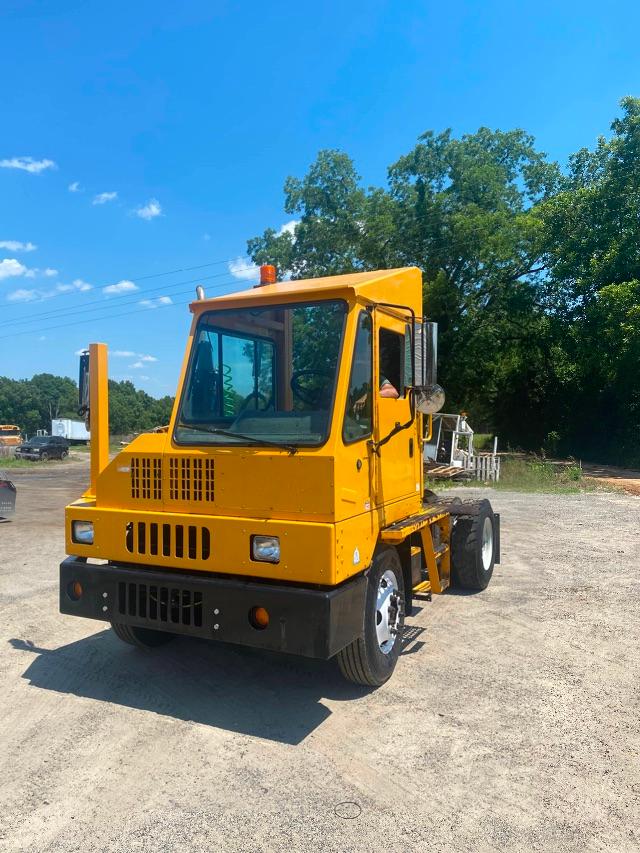
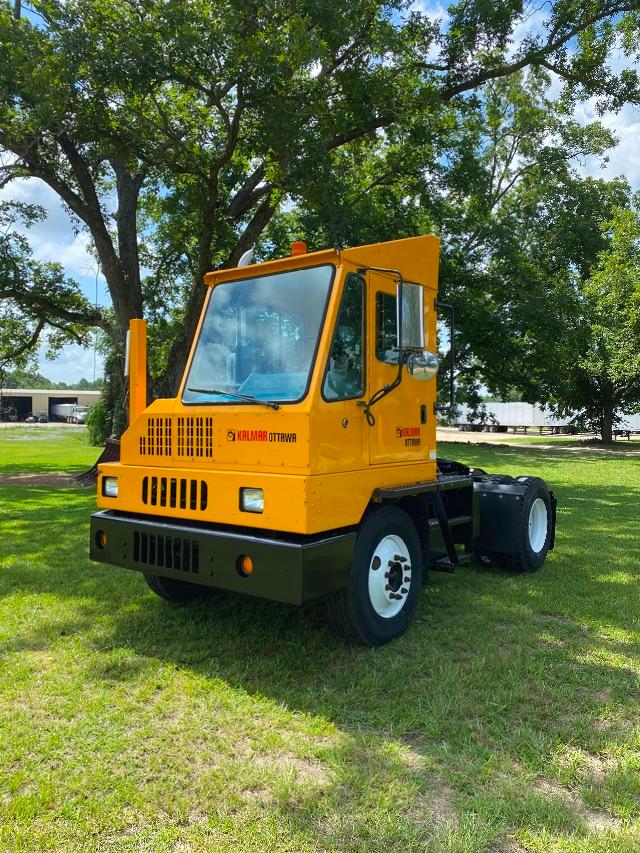
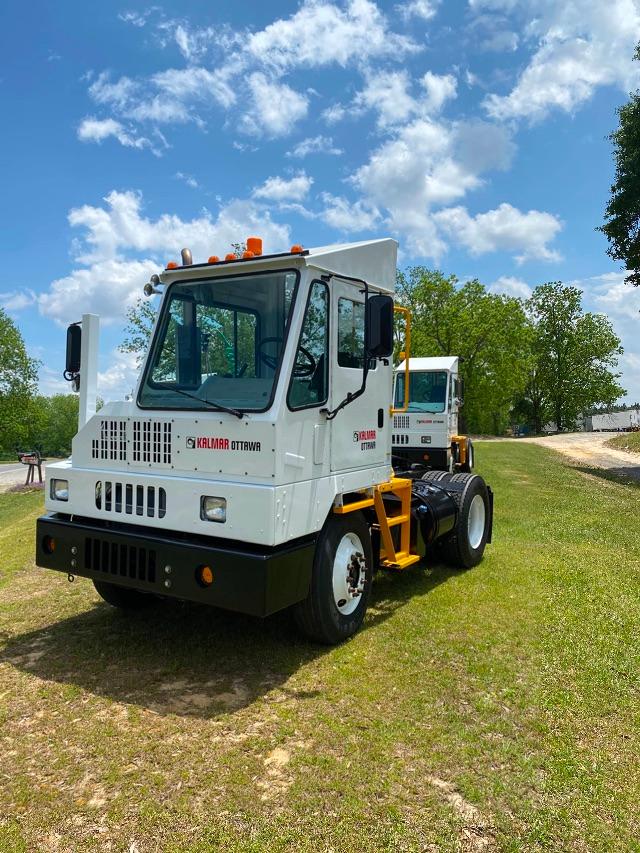
Browse trucks for sale in Metter, Georgia, including yard spotters and terminal tractors built for fast trailer moves and dependable daily operation.
Learn more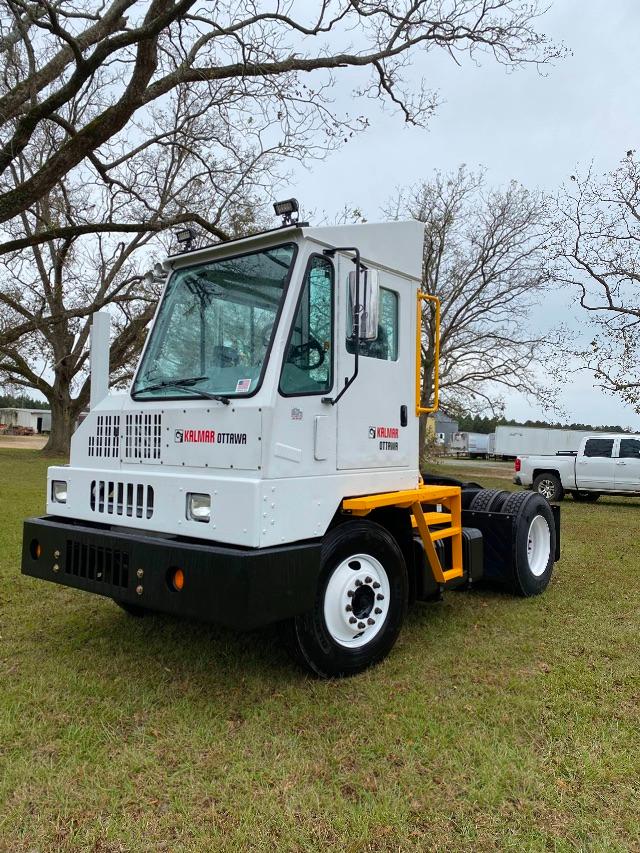
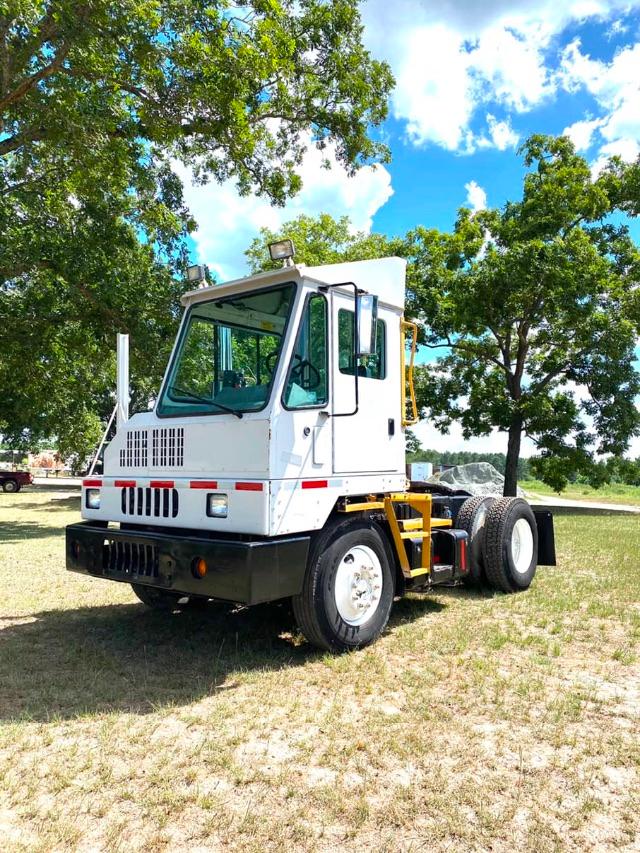
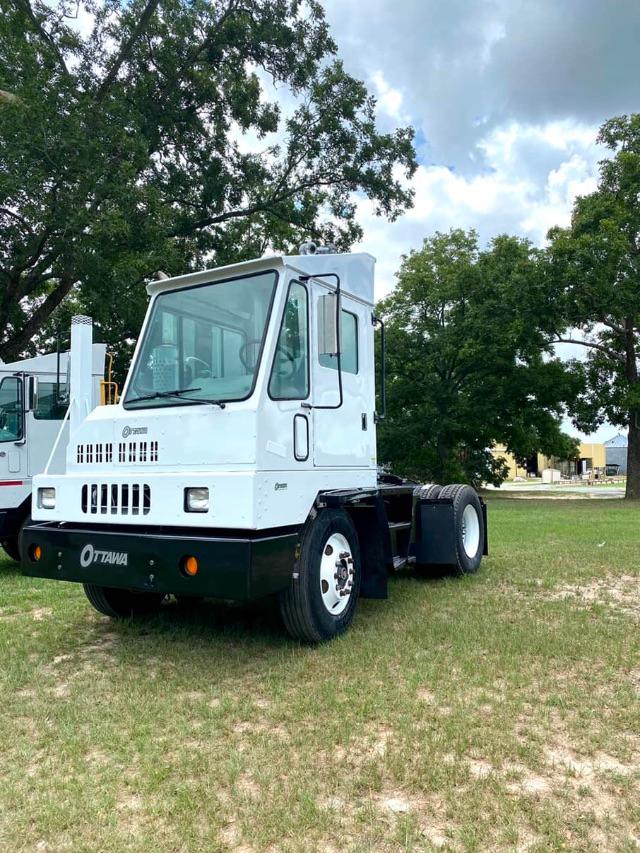
Showing 13 to 18 of 18 results
Have truck to sell? List it here to reach thousands of buyers.
About Trucks Near Metter, Georgia
The core spec decisions on a yard truck are usually DOT legality, drivetrain layout, engine hours, and cab condition. DOT-legal terminal tractors can leave the yard for short public-road moves between facilities, while off-road-only units are typically the lower-cost choice for closed-site use. Common configurations include 4x2 drivetrains, Cummins diesel engines, and Allison automatic transmissions because they hold up well in stop-and-go service and keep operation simple for multiple drivers. Buyers should also pay close attention to hydraulic fifth wheel function, lift capacity, brake condition, cooling system service history, and tire wear since these trucks spend their lives in repetitive, low-speed, high-cycle work.
A good used truck in this class should be evaluated differently than an over-the-road sleeper or day cab. Hours often tell more than mileage on a yard spotter, and the condition of the shifter controls, seat base, cab entry steps, suspension, and kingpin engagement system can reveal how hard the unit has worked. A clean rust-free chassis, working A/C and heat, strong backup alarm, good glass, and responsive steering all matter because these trucks are usually run daily by multiple operators on tight schedules. In a Southeast market like Georgia, cooling performance and cab comfort are especially important for driver retention and uptime during long summer shifts.
For buyers comparing trucks for sale in this market, the right choice comes down to duty cycle and site layout. A lighter-duty operation may do well with an older 4x2 yard tractor with solid service records, while a busier terminal may justify a newer DOT-legal unit with refreshed tires, interior, and paint. If trailer spotting speed, low maintenance downtime, and easy cab access are priorities, a terminal tractor is a specialized tool worth buying on condition and spec, not just age. The best value usually comes from matching the truck's hours, road legality, drivetrain, and service history to the exact number of daily trailer moves expected.
Frequently Asked Questions
What is the difference between a yard truck and a road tractor?
A yard truck, also called a terminal tractor or yard spotter, is designed for moving trailers around a yard or short distances between nearby facilities. It typically has a hydraulically lifting fifth wheel, a short wheelbase, excellent visibility, and an automatic transmission for constant stop-and-go operation. A road tractor is built for sustained highway travel, higher speeds, and driver comfort over long distances rather than repeated trailer repositioning.
What does DOT-legal mean on a terminal tractor?
DOT-legal means the terminal tractor is equipped and configured to operate on public roads, subject to applicable registration and compliance requirements. That is important for operations that need to move trailers between lots, warehouses, or terminals connected by local roads. A non-DOT yard truck can still be a strong fit for private property use, but it is generally limited to closed-site operations.
Should I focus on miles or hours when buying a used yard spotter?
Hours are usually the more important measurement on a yard spotter because these trucks spend much of their life working at low speeds with frequent starts, stops, and trailer hookups. A unit with moderate mileage can still have significant wear if it has high engine hours and a hard duty cycle. Buyers should compare hours with maintenance records, transmission performance, hydraulic fifth wheel operation, brake condition, and overall chassis wear.
What engine and transmission setup is most common in used yard trucks?
Many used yard trucks are equipped with Cummins diesel engines paired with Allison automatic transmissions. This combination is common because it is straightforward to operate, durable in repetitive yard service, and widely supported for parts and service. The exact engine family matters less than maintenance history, cooling system condition, leak inspection, and how smoothly the truck engages and moves under load.
What should I inspect first on a used terminal tractor?
Start with the fifth wheel lift system, brake performance, steering response, tire condition, and signs of frame or cab corrosion. Then check engine hours, cold-start behavior, transmission shifting, hydraulic function, cooling system condition, and cab items such as A/C, heater, gauges, seat, and entry steps. On a yard truck, these components directly affect daily uptime and operator productivity, so they deserve more attention than cosmetic details alone.