
Trucks For Sale Near Medical Lake, Washington
Browse trucks for sale in Medical Lake, WA, including day cabs, sleepers, vocational and medium-duty models with diesel powertrain options.
Learn more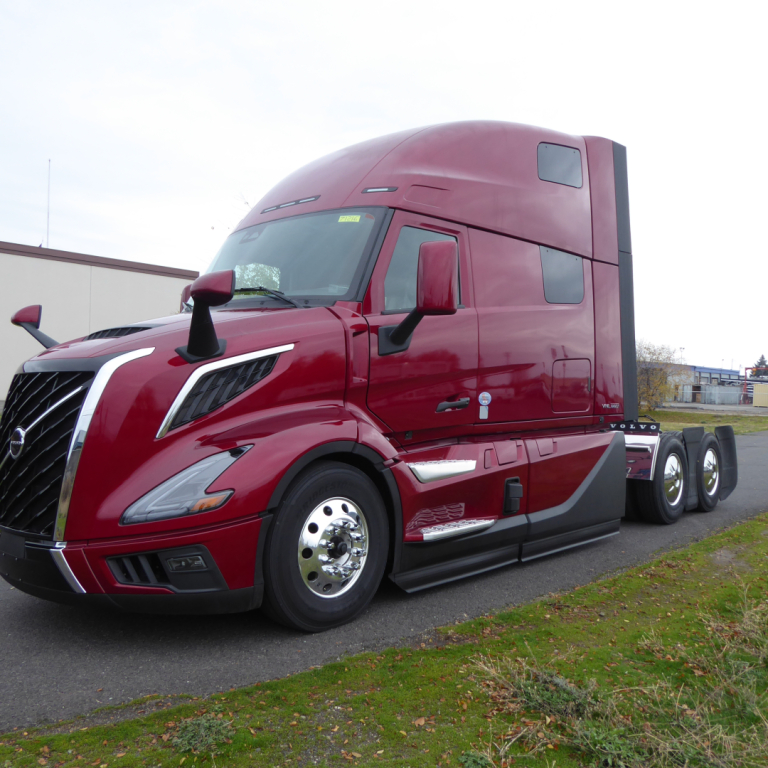
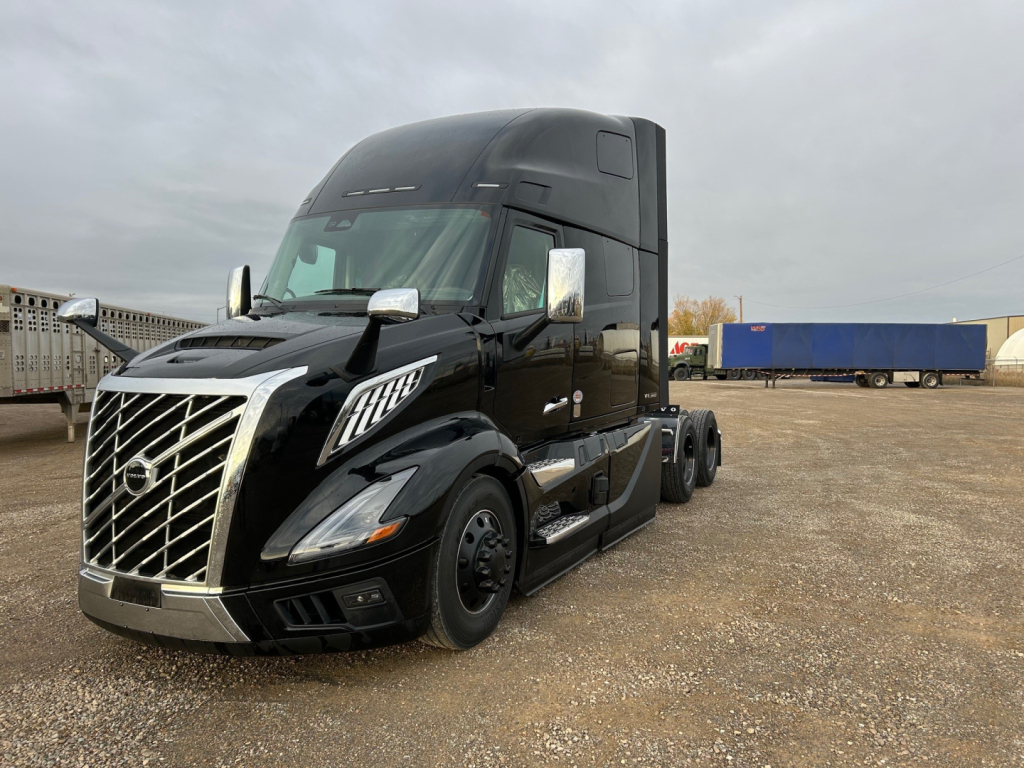
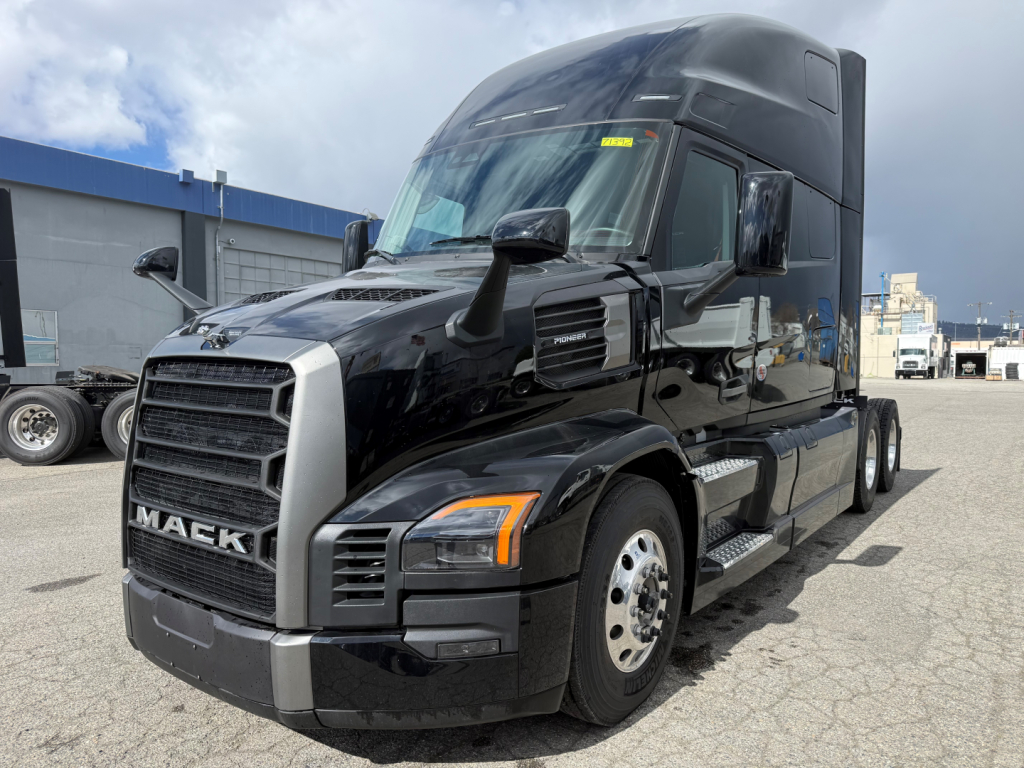
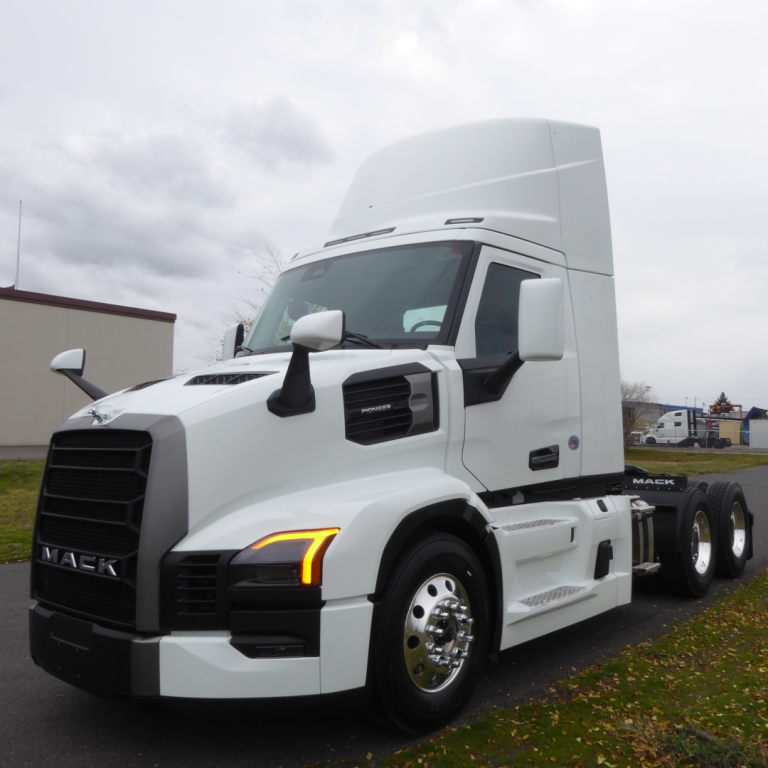
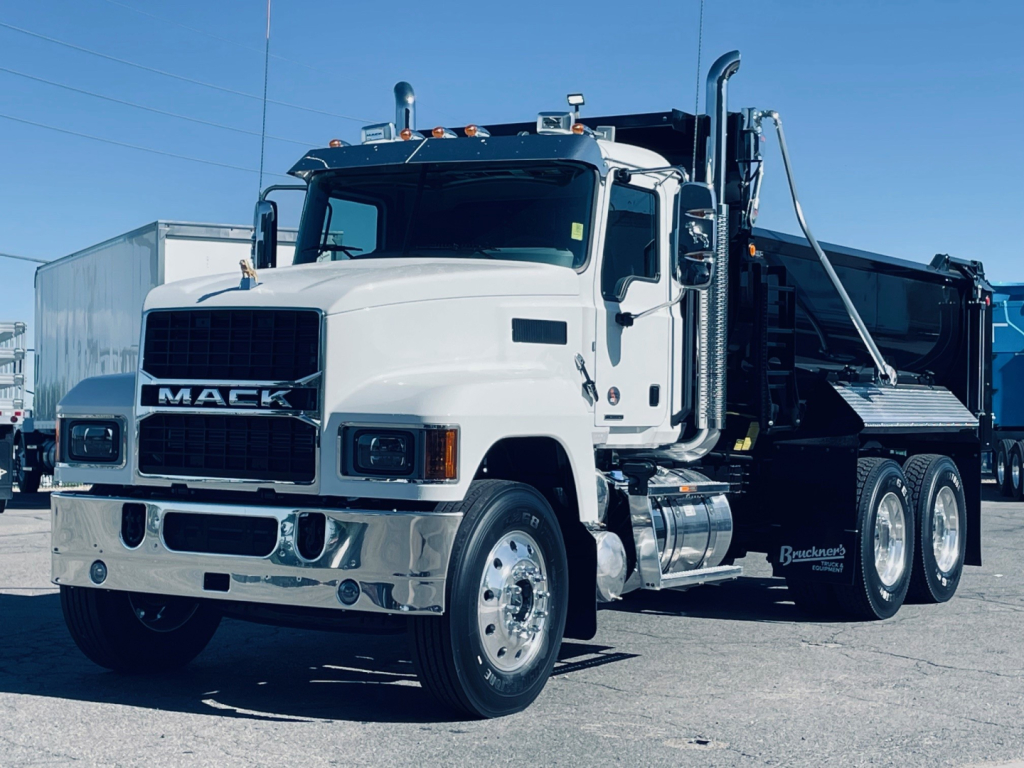
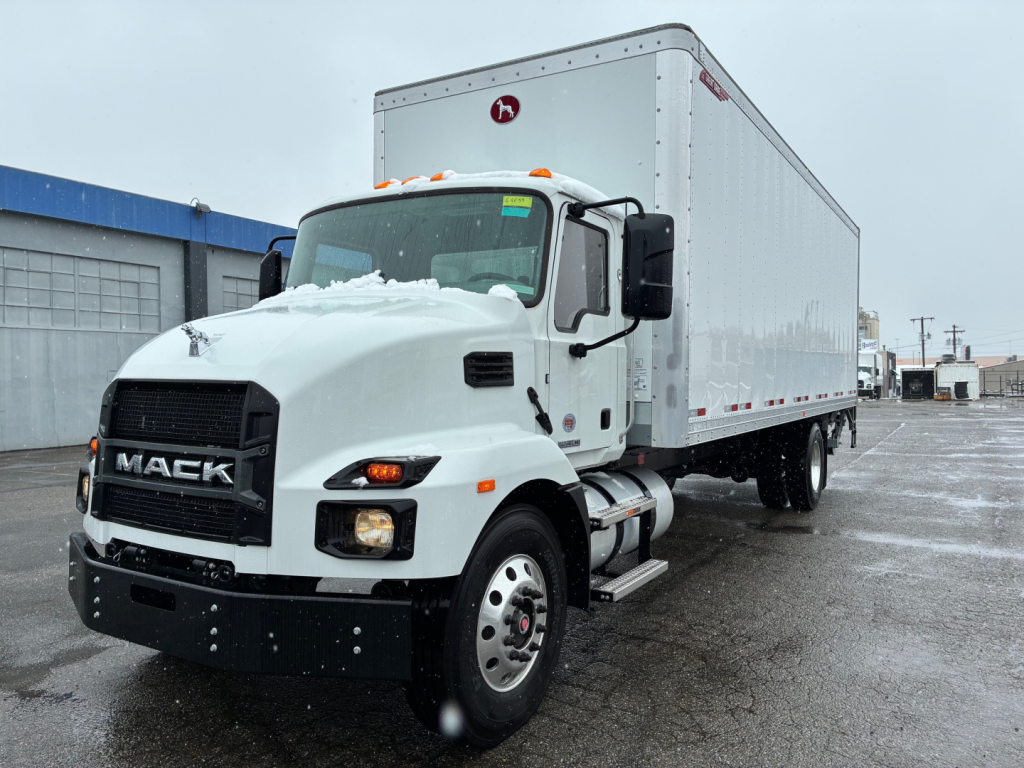
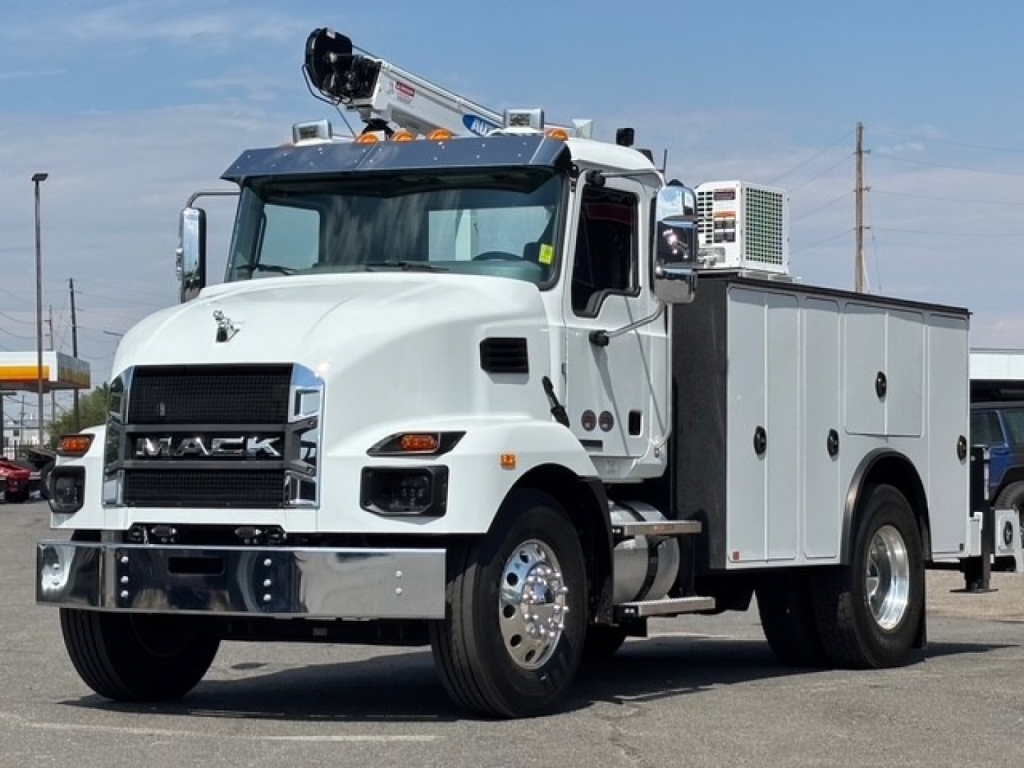
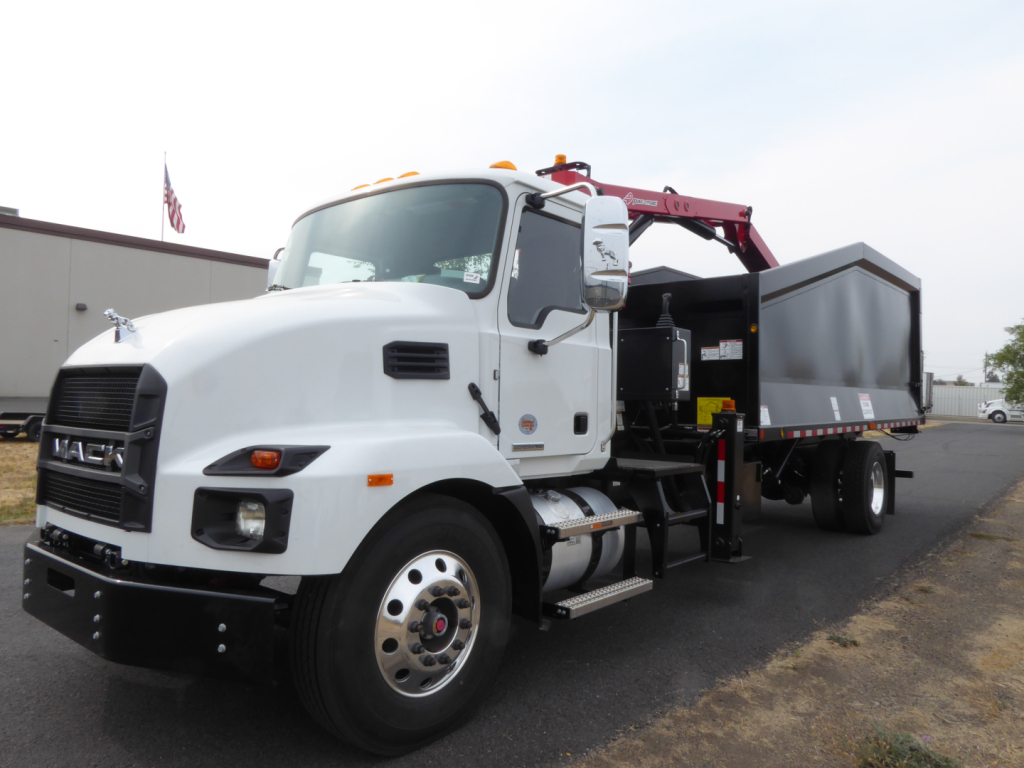
Showing 25 to 33 of 33 results
Have truck to sell? List it here to reach thousands of buyers.
About Trucks Near Medical Lake, Washington
For highway tractors, buyers typically compare engine platform, automated versus automatic transmission, rear axle ratio, suspension, and sleeper configuration. Late-model aero trucks commonly run 12- or 13-speed automated manuals, tandem rear axles in the 38,000 to 40,000 lb range, and ratios tuned for fuel economy and cruise speed. A high-roof sleeper with a larger bunk, refrigerator, shore power, and inverter setup fits over-the-road fleets and team operations better than a stripped regional spec. A day cab with a shorter wheelbase, direct-drive transmission, and air ride suspension is usually the better choice for port work, dedicated lanes, and short regional turns where maneuverability and lower tare weight matter more than sleeper amenities.
On the vocational side, medium-duty and severe-service trucks are often selected around GVWR, wheelbase, frame strength, and upfit compatibility. A 33,000 lb GVWR Class 7 chassis with a 300 hp diesel and Allison automatic is a common foundation for hooklift, crane, rollback, landscape, municipal, and construction applications. Wheelbase becomes a critical number because it affects body length, bridge compliance, and turning radius. Front axle capacity, rear spring or air suspension, brake type, and rear ratio also shape how the truck performs under stop-and-go duty, jobsite loading, and PTO-driven work. If the truck is being used with a crane, hooklift, dump, or service body, buyers should confirm frame reinforcement, PTO provisions, hydraulic setup, and remaining payload after the body and equipment are installed.
In eastern Washington, operating conditions can push a buyer toward practical spec choices. Mountain grades, winter weather, and mixed rural-highway use favor dependable diesel engines, strong cooling packages, traction-friendly axle specs, and driver-assistance features that reduce fatigue on longer runs. Buyers should also look closely at emissions system history on used diesel trucks, warranty coverage on new units, tire and brake life, and telematics support for uptime planning. A good truck in this category is not just a make and model. It is the right cab style, axle rating, drivetrain, and vocational compatibility for the work it needs to do every day.
Frequently Asked Questions
What is the difference between a day cab truck and a sleeper truck?
A day cab is built for local and regional work where the driver returns home or to a terminal the same day. It has no sleeping compartment, which usually means a shorter wheelbase, lower curb weight, and better maneuverability. A sleeper truck adds a bunk area and often more storage and driver comfort features, making it the preferred choice for long-haul freight, team driving, and routes that require overnight stays.
How do I choose the right GVWR and axle setup for a truck?
Start with the heaviest legal payload or body application the truck will carry, then work backward from local and federal weight limits. Single-axle trucks are common in medium-duty and certain local applications because they are lighter and easier to maneuver. Tandem-axle trucks are standard for most highway tractors and heavier vocational work because they offer higher rear axle capacity, better traction, and more flexibility under load. The correct GVWR should match both the job and the body or trailer setup, not just the engine size.
Are automatic and automated manual transmissions the same in trucks?
No. A fully automatic transmission, such as an Allison commonly found in medium-duty vocational trucks, uses a torque converter and is well suited for stop-and-go service, PTO work, and driver ease. An automated manual transmission uses electronically controlled shifting on a manual gearbox and is common in highway tractors because it can improve fuel efficiency, reduce driver fatigue, and maintain strong performance on the road. The better choice depends on duty cycle, terrain, and how often the truck starts, stops, and operates under PTO load.
What specs matter most on a vocational truck chassis?
Wheelbase, frame rating, front and rear axle capacity, suspension type, PTO capability, and rear axle ratio are usually the key decisions. Those numbers determine what bodies can be mounted, how much payload remains after upfit, and how the truck handles on the job. For hooklift, crane, dump, or service applications, body length, hydraulic requirements, and center-of-gravity considerations are just as important as engine horsepower. Buyers should verify that the chassis is properly matched to the intended upfit rather than assuming any medium-duty truck can handle any body.
What should I inspect on a used highway tractor before buying?
Focus on engine and aftertreatment history, transmission operation, suspension wear, tire condition, brake life, and any evidence of frame damage or poor repairs. Service records are important because they show DPF, SCR, EGR, clutch, and software update history, all of which affect uptime and operating cost. On sleeper models, inspect HVAC, bunk equipment, inverter and shore power components, and cab condition because those items can be expensive to bring back to fleet standard.